
Flowers
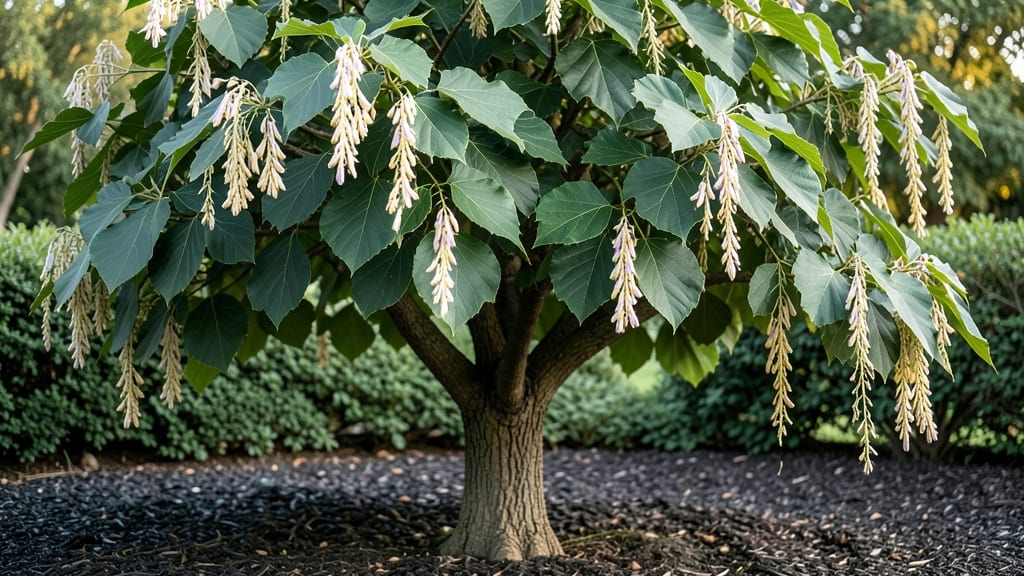
Catalpa tree flowers transform your garden into a buzzing, fragrant oasis that hummingbirds and bees can't resist. 🌿 I planted mine in a large container last spring, and within months, the vertical spikes of lavender blooms became the centerpiece of my patio—without taking over my yard.
The key is understanding their natural rhythm: they bloom in late spring to early summer, but with the right care, they’ll reward you with second flushes later in the season.
The secret to those showy, trumpet-shaped blooms lies in full sun and well-draining soil. My tree thrives in a mix of native soil and compost, watered deeply but infrequently—once a week in summer, less in winter.
Pruning after flowering keeps the shape tidy and encourages next year’s blooms, while avoiding heavy pruning in fall prevents winter dieback. Even in containers, they handle heat and drought surprisingly well once established.
You’ll end up with a tree that’s as functional as it is beautiful—shade-providing branches in summer and ornamental seed pods in fall that add winter interest. The flowers attract pollinators year-round, and the glossy green leaves stay lush even in city heat.
Best of all? They’re low-maintenance once you get the basics right. Let’s get your catalpa blooming like a pro.
Works equally well in ground plantings or large containers (15+ gallons), making them perfect for small yards, patios, or even urban balconies. Just avoid planting near sidewalks—their roots spread wider than you’d expect. Here’s how to keep yours thriving for decades.
📚 In This Guide
- What you need
- Instructions
- Tips and common mistakes
- Wrapping up and next steps
What you need
- ● Catalpa tree seeds or young saplings: Seeds: 3–5 seeds per container (or 1 seed per small pot for testing). Pro tip: Soak seeds in warm water for 24 hours to speed up germination! 💡
- ● Saplings: 1 healthy 1–2 gallon container-grown plant per 15–20 gallon container (or larger, depending on your space).
- ● Containers: Minimum size: 15–20 gallons for mature catalpa trees (deeper is better for root growth).
- ● Drainage holes: Mandatory (use a drill if repurposing pots).
- ● Material: Heavy-duty plastic, fabric, or ceramic (avoid thin metal—it heats up in the sun).
- ● High-quality potting mix: 3 parts well-draining soil (e.g., Miracle-Gro Premium Potting Mix or FoxFarm Ocean Forest).
- ● 1 part perlite or pumice (for aeration).
- ○ Optional: Add 1 part compost for extra nutrients (skip if using slow-release fertilizer).
- ● Fertilizer: Slow-release granular fertilizer (e.g., Osmocote Smart-Release Flower & Vegetable—1 tbsp per gallon of soil).
- ● Liquid fertilizer (e.g., Fish emulsion 5-5-5) for monthly feeding during growing season (spring–fall).
- ● Gardening tools: Trowel or small shovel
- ● Gloves (to protect from sap and soil)
- ● Pruners (sterilized with rubbing alcohol)
- ● Watering can or hose with gentle spray nozzle
- ● Sunlight access: Full sun (6+ hours/day) for optimal blooms. Use a light meter or observe your space—catalpas are not shade-tolerant!
- ○ Watering schedule prep: Self-watering system (optional but helpful for busy gardeners).
- ● Moisture meter (to check soil depth—aim for 1–2 inches dry before watering).
- ● Pest control (preventative): Neem oil spray (for aphids or spider mites).
- ● Yellow sticky traps (to monitor for early pest detection).
- ● Mulch: Wood chips or straw (2–3 inches) to retain moisture and regulate temperature.
- ● Support stake: For young saplings (use 3-foot bamboo stakes tied loosely with soft fabric strips).
- ● Container saucers: To catch runoff and protect patios (especially for heavy pots).
- ● Pollinator-friendly companions: Plant bee balm, coneflowers, or lavender nearby to extend your pollinator haven! 🐝
How to grow catalpa tree flowers in containers
Here's how to coax these showstopper blooms into thriving container plants.
🪴 Step 1: Choose the Right Container and Soil Mix
Select a container at least 18 inches deep with drainage holes—catalpa trees need room for their extensive root systems. I like glazed ceramic or plastic pots because they retain moisture without overheating roots in summer. Avoid small planters; catalpas hate being root-bound.
Fill the bottom 6 inches with a fast-draining mix (like 50% perlite, 50% coarse sand). Then add 2 gallons of premium potting mix mixed with 1 cup of compost. Catalpas prefer slightly acidic soil (pH 6.1-6.5), so test your mix if possible. The reason for this layered approach? It mimics their natural woodland habitat while preventing soggy roots.
☀️ Step 2: Plant and Position for Maximum Sunlight
Dig a hole in the soil mix twice as wide as the root ball but no deeper. Gently remove the young catalpa from its nursery pot and tease the roots outward if they're circling. Place it in the hole so the top of the root ball sits 1 inch below the container rim—this prevents water from pooling around the stem.
Position your container in a spot with full sun (6+ hours daily). Catalpa flowers need intense light to produce their signature 2-inch trumpet-shaped blooms. If you're in a hot climate, provide afternoon shade to prevent leaf scorch. Watch for the first flush of new leaves—this is your signal the plant has settled in.
💧 Step 3: Water Deeply and Establish a Routine
Water thoroughly immediately after planting, then let the top 2 inches of soil dry out before watering again. Catalpas are drought-tolerant once established, but young container plants need consistent moisture. I use a soaker hose to deliver water slowly at the base, avoiding wet foliage (which invites fungal diseases).
Here's the thing—catalpas hate soggy roots. If your container lacks drainage, add a 2-inch layer of gravel at the bottom before planting. You'll know your watering is right when the soil feels lightly moist like a wrung-out sponge. Fertilize lightly with a balanced 10-10-10 formula every 4-6 weeks during growing season (spring to fall).
✂️ Step 4: Prune for Health and More Flowers
Prune in late winter or early spring before new growth begins. Remove dead, diseased, or crossing branches first—this opens the canopy for better airflow. Then cut back 1/3 of the oldest stems to encourage new growth. I always sterilize my pruners with rubbing alcohol to prevent spreading disease.
Catalpas reward good pruning with more abundant flowers. Look for lateral buds just below where you cut—these will sprout into vigorous new shoots. Avoid heavy pruning in summer, as it stresses the tree and delays fall blooms. After pruning, apply a layer of 2 inches of mulch around the base (but not touching the trunk) to retain moisture.
🌿 Step 5: Overwinter and Protect Young Trees
If you're in a cold climate (below 20°F), wrap the container in burlap and move it to a sheltered spot against a wall. Catalpas can handle USDA zones 4-9, but young container plants need extra protection. I also add a thick layer of straw mulch around the base to insulate roots.
In spring, remove the burlap and check for sap-sucking insects like aphids. A neem oil spray applied in early spring keeps pests at bay. Watch for new leaf growth in late April—this is your cue that winter dormancy is over. With proper care, your catalpa will reward you with fragrant summer blooms and long, slender seed pods that hummingbirds adore.
Tips & tricks for perfect catalpa tree flowers in containers
Here's what I've learned from years of growing catalpa trees in containers—these small tweaks make all the difference.
Container Depth Matters: That 18-inch minimum depth isn't just a suggestion—it's non-negotiable for catalpas. I've seen shallow containers cause roots to circle and strangle the plant. If you're working with a smaller pot, consider planting a dwarf variety like 'Nana' instead. The key is giving those roots room to spread horizontally before they hit the container walls.
Soil Layering Secret: When creating that fast-draining bottom layer in Step 1, don't just eyeball the 50/50 perlite/sand mix. Weigh it out if possible—perlite is lighter than sand, and too much can create air pockets. I like to add a handful of horticultural charcoal to that bottom layer too (optional but helpful) to prevent fungal issues. This layered approach mimics their woodland habitat while keeping roots happy.
Sunlight Strategy: The 6+ hours of full sun is critical, but here's what nobody tells you: catalpas actually appreciate a little afternoon shade in hot climates. I've noticed my container-grown catalpas produce fewer blooms when exposed to relentless afternoon sun—watch for leaf scorch as your early warning sign. A sheer curtain or partial shade cloth can work wonders without sacrificing that crucial morning sun.
Winter Protection Hack: For that 20°F threshold in Step 5, here's my real-world trick: I don't just wrap the container—I create a mini greenhouse effect. After wrapping in burlap, I place a clear plastic dome (like a large salad storage container) over the top, propped up slightly with sticks. This traps warmth while still allowing light. Just remove it completely in spring when new growth appears.
Pro Tips for Catalpa Tree Flowers
- Here's what I've learned from years of growing catalpa trees in containers—these small tweaks make all the difference.
- Container Depth Matters: That 18-inch minimum depth isn't just a suggestion—it's non-negotiable for catalpas.
- Soil Layering Secret: When creating that fast-draining bottom layer in Step 1, don't just eyeball the 50/50 perlite/sand mix.
Frequently asked questions
Got questions about growing and enjoying catalpa tree flowers? You’re not alone! Here are some of the most common queries—and their answers—to help you cultivate a thriving pollinator-friendly haven.
When do catalpa flowers bloom, and how long do they last?
Catalpa flowers typically bloom in late spring to early summer (May–June in most regions), with some varieties offering a second flush in early fall. Each flower cluster lasts about 3–5 days, but the tree’s overall bloom period spans 2–3 weeks, creating a stunning show for bees, hummingbirds, and butterflies!
Can catalpa trees grow in containers, and what size pot do I need?
Yes! Catalpa trees thrive in containers if given enough space. For dwarf varieties (like Catalpa bignonioides ‘Nana’), a 15–20 gallon pot with drainage holes works well. Larger species need 25+ gallon pots and regular pruning to control root growth. Use lightweight, well-draining soil and repot every 2–3 years.
Why aren’t my catalpa flowers opening, or are they falling off?
Several factors can cause this: lack of sunlight (they need full sun!), overwatering (roots need aeration), or nutrient deficiencies (fertilize in early spring). Pests like catalpa sphinx moth caterpillars can also damage buds—handpick larvae or use organic sprays if needed.
Are there catalpa tree alternatives with similar flowers?
If catalpas aren’t your style, try these pollinator magnets:
- Crape Myrtle (Lagerstroemia): Long summer blooms, drought-tolerant.
- Honeysuckle (Lonicera): Fragrant, tubular flowers for hummingbirds.
- Japanese Tree Lilac (Syringa reticulata): Large, fragrant blooms in summer.
- Butterfly Bush (Buddleia): Magnet for butterflies (but invasive in some areas!).
Do catalpa flowers attract pests like the catalpa worm?
Yes, but don’t worry—the catalpa sphinx moth caterpillar (aka “catalpa worm”) is harmless to humans and a key food source for birds! While they can defoliate leaves, the tree recovers quickly. To minimize damage, prune lightly after blooming and avoid over-fertilizing with nitrogen.
Can I cut catalpa flowers for bouquets, or are they best left on the tree?
While catalpa flowers are stunning in arrangements, they last only 1–2 days in a vase due to their thin stems. For longer enjoyment, press them or let them feed pollinators on the tree. If cutting, harvest in the morning, trim stems at an angle, and change water daily for minimal freshness.
Wrapping up and next steps
From their stunning blooms to their pollinator-friendly benefits, catalpa tree flowers bring joy and ecological value to any space—even in containers! 🌸 Whether you're a beginner or a seasoned gardener, these trees offer year-round beauty with minimal fuss. Ready to transform your balcony or patio into a buzzing haven?
Your next step? Grab your gardening gloves, pick your favorite catalpa variety, and get planting! 🌱 Watch as your container garden becomes a magnet for butterflies, bees, and birds—all while you enjoy the show.