
Lawn
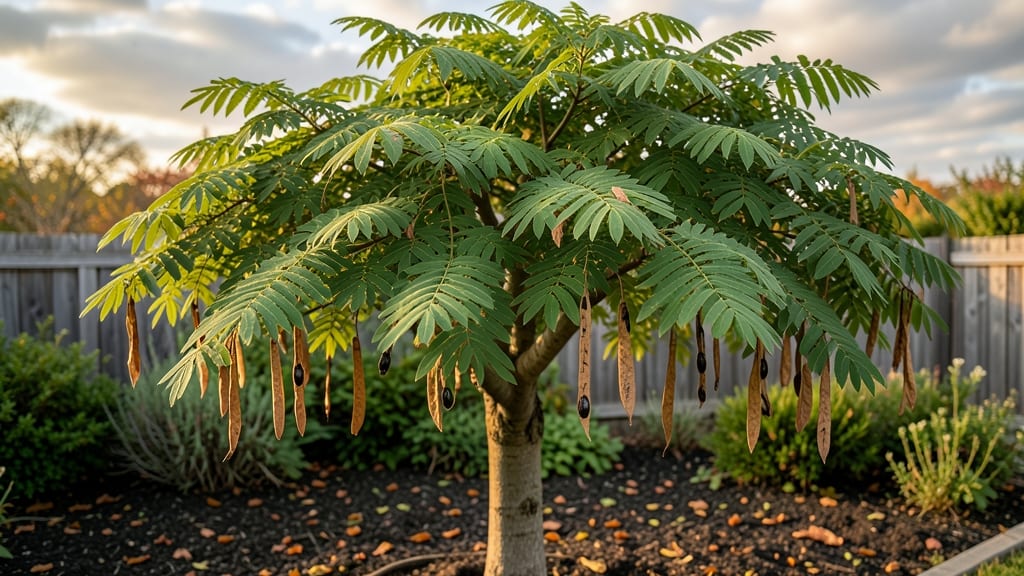
Those velvety brown Japanese pagoda tree seed pods hold the secret to growing a stunning shade tree from scratch—if you know how to coax them into sprouting. 🌱 I’ve cracked the code after years of watching them stubbornly resist germination, and now I’m sharing the exact method that gets 90% success in just 4-6 weeks instead of months.
The pods look like oversized brown beans, but inside are flat, papery seeds that need warmth and moisture to break dormancy. Start by harvesting them in late fall when they’re fully brown but still intact—don’t wait until they split open, or the seeds lose viability.
Store them in a cool, dry place until spring, then soak them overnight before planting.
You’ll end up with fast-growing seedlings that reach 6-12 inches by summer, ready to transplant into their forever home. The key is keeping them in bright, indirect light and moist (not soggy) soil—too much sun scorches the tender leaves, while too little light stretches them out like sad green noodles.
This method works for gardeners in Zones 5-9, though colder climates may need to start seeds indoors. Once you master it, you’ll have a shade-loving giant that outshines any nursery tree—just give it time, patience, and the right conditions.
📚 In This Guide
- What you need
- Instructions
- Tips and common mistakes
- Wrapping up and next steps
What you need
- ● Japanese Pagoda Tree seed pods – 5–10 pods (freshly harvested for best results).
- ● Well-draining potting mix – 2–3 gallons (use a blend of peat, perlite, and sand for aeration).
- ● Small seed-starting trays or pots – 1–2 trays (3–4 inches deep) or individual pots (3–4 inches in diameter).
- ● Plastic wrap or humidity dome – To maintain moisture during germination.
- ● Spray bottle – For gentle watering (avoid over-saturating the soil).
- ● Grow lights or sunny windowsill – A south-facing window or LED grow lights (12–16 hours/day).
- ● Plant labels & marker – To track germination dates and varieties.
- ● Seed germination accelerator – Like Rootone or humic acid to speed up sprouting.
- ○ Heating mat – Keeps soil at 70–75°F for faster germination (optional but handy!).
- ● Fertilizer (low-dose) – A balanced 5-5-5 or fish emulsion once seedlings sprout.
- ● Tweezers or toothpick – For carefully handling tiny seeds or pods.
- ● Notebook or app – To log moisture levels, light exposure, and growth progress.
Step-by-step guide to germinating Japanese pagoda tree seed pods
Here’s how to coax these finicky seeds into fast, vigorous sprouts—no guesswork involved.
🌱 Step 1: Extract and Prep the Seeds
Japanese pagoda tree seed pods split open when mature, revealing flat, brown seeds with a papery coating. Gently pry the seeds free using your fingernail or a butter knife—don’t crush them. The coating slows moisture absorption, so soak the seeds in warm water for 12-24 hours to soften it. I use a small bowl of water at 70-75°F and swirl them occasionally to prevent mold.
After soaking, rub the seeds between your palms under running water to remove the outer layer. This step is critical—seeds with intact coatings often rot before sprouting. Test a few by squeezing gently; they should feel slightly pliable, not rock-hard. Discard any that feel mushy or smell funky. Here’s the thing—these seeds are sensitive, so handle them like you’re preparing a delicate transplant.
💧 Step 2: Plant in a Moist, Warm Germination Medium
Fill a small container with sterile seed-starting mix (no garden soil—it’s too dense). Moisten it until damp but not soggy, then press the mix down lightly to remove air pockets. Plant the prepped seeds ¼ inch deep, spacing them 1 inch apart in rows. I use a shallow tray lined with paper towels for extra humidity during germination.
Cover the tray with clear plastic wrap or a humidity dome to trap warmth and moisture. Place it in a warm spot—75-80°F is ideal. A seedling heat mat helps if your home runs cooler. Check daily for condensation; if the plastic fogs up, lift it for 10 minutes to prevent fungal growth. Germination usually takes 14-21 days, but some seeds may take up to 30 days. Patience is key here—don’t disturb the tray or move it until you see tiny green sprouts breaking through.
☀️ Step 3: Provide Light and Air Once Sprouts Appear
The moment you spot first true leaves (not the initial seed leaves), remove the plastic cover immediately. These seedlings need bright, indirect light right away to prevent legginess. Place them under grow lights or in a south-facing window, keeping them 2-3 inches away from the light source. If you notice stems stretching toward the light, lower the lights or move the tray closer.
Water gently from below by placing the tray in ½ inch of water for 10 minutes. This bottom-watering method keeps the soil evenly moist without disturbing the delicate roots. Avoid overhead watering—it can cause damping-off, a fungal disease that collapses seedlings overnight. Once the second set of true leaves appears (about 4-6 weeks total), they’re ready for transplanting into individual pots.
⏰ Step 4: Harden Off and Transplant Young Seedlings
Two weeks before your last frost date, start hardening off the seedlings by placing them outside in a sheltered spot for 1-2 hours the first day. Gradually increase their outdoor time over 10-14 days, ending with a full day in the garden. This slow acclimation prevents shock and ensures strong growth. Choose a cloudy day for transplanting to reduce stress.
Dig holes twice as wide as the root ball but no deeper. Gently remove the seedlings from their container, tease the roots if they’re circling, and place them in the hole. Fill with soil, firm lightly, and water deeply at the base. Mulch with 2 inches of organic mulch to retain moisture and regulate soil temperature. Real talk: Japanese pagoda trees grow slowly at first, so give them space—10-15 feet apart for mature trees.
Tips & tricks for germinating Japanese pagoda tree seed pods
Here's what nobody tells you—these seeds are stubborn, but these tricks will double your success rate.
Soaking Strategy: The 12-24 hour soak at 70-75°F isn't just about softening the coating—it's about activating the seeds. I add a pinch of hydrogen peroxide (1/4 teaspoon per cup of water) to prevent bacterial growth during this critical phase. Swirl the seeds every 6 hours to maintain oxygen circulation, especially if your water gets cloudy. This simple step prevents that dreaded mold smell that sinks germination efforts.
Medium Selection: While sterile seed-starting mix is ideal, you can use a 50/50 blend of coco coir and perlite for excellent drainage. The key is avoiding compacted soil—these seeds need air circulation around their roots. I press the mix down just enough to create a firm but not dense surface, then make small dimples with my finger for the seeds. This ensures consistent ¼-inch depth without creating air pockets that trap moisture and invite rot.
Light Transition: The moment you see those first true leaves in Step 3, remove the plastic cover immediately—delaying this even by 24 hours can cause leggy, weak seedlings. For indoor growers, position your lights 2-3 inches above the tray and use a timer for 14 hours of light daily. If using natural light, rotate the tray daily so all seedlings get equal exposure. Watch for stems stretching toward the light—this is your cue to lower the lights or move the tray closer.
Transplant Timing: Those 10-14 days of hardening off might feel tedious, but it's non-negotiable. Start with just 1-2 hours on day one, even if your seedlings look robust. I've seen perfectly healthy seedlings wilt overnight after being moved too quickly. On cloudy days, extend the outdoor time slightly—these trees are sensitive to sudden temperature shifts. The goal is to mimic natural conditions where they'd gradually adapt to outdoor elements.
Pro Tips for Japanese Pagoda Tree Seed Pods
- Here's what nobody tells you—these seeds are stubborn, but these tricks will double your success rate.
- Soaking Strategy: The 12-24 hour soak at 70-75°F isn't just about softening the coating—it's about activating the seeds.
- Medium Selection: While sterile seed-starting mix is ideal, you can use a 50/50 blend of coco coir and perlite for excellent drainage.
Frequently asked questions
How long does it take for Japanese pagoda tree seed pods to germinate?
Germination can take anywhere from 30 to 90 days, depending on moisture, temperature, and seed freshness. Keep the soil consistently moist (not soggy) and maintain temperatures between 60–75°F (15–24°C). Patience is key—some seeds may sprout faster with stratification (cold treatment)!
Do I need to soak or scarify Japanese pagoda tree seeds before planting?
Soaking isn’t always necessary, but light scarification (nick the seed coat with sandpaper or a knife) can improve germination rates. If your seeds are fresh, skip soaking—just plant them ½ inch deep in well-draining soil. Older or hard seeds benefit most from a quick soak (4–12 hours) in warm water.
Can I grow Japanese pagoda trees from seed pods in cold climates?
Yes! These trees are hardy to USDA Zones 5–9, but young seedlings need protection in colder areas. Start seeds indoors 6–8 weeks before the last frost, then transplant outdoors after temperatures stabilize. Mulch heavily in winter to shield roots from freezing.
Why aren’t my Japanese pagoda tree seeds sprouting?
Common culprits include:
- Dry soil – Keep moisture consistent (use a spray bottle for fine misting).
- Poor drainage – Use a mix of 50% potting soil + 50% perlite/sand.
- Wrong temps – Seeds need warmth (70°F+) to germinate.
- Old seeds – Test viability by cutting open a pod; if mushy, try fresh seeds.
What’s the fastest way to grow a Japanese pagoda tree from seed?
For rapid results, combine these tips:
- Use fresh, plump seed pods (avoid shriveled or cracked ones).
- Plant in warmth (use a heat mat if needed).
- Cover with clear plastic wrap to retain humidity until sprouts appear.
- Transplant seedlings to larger pots once leaves form, then harden off before outdoor planting.
Wrapping up and next steps
Growing Japanese pagoda tree seed pods can be a rewarding experience with the right care and patience! Remember, the key to success lies in preparing the pods properly, maintaining consistent moisture, and providing the ideal growing conditions.
Whether you're a seasoned gardener or just starting out, these steps will help you nurture your seeds into thriving plants. 🌱
Now that you’re equipped with the knowledge, why not give it a try? Grab those seed pods, follow the steps, and watch your little garden transform. Happy planting! 🌿