
Pruning
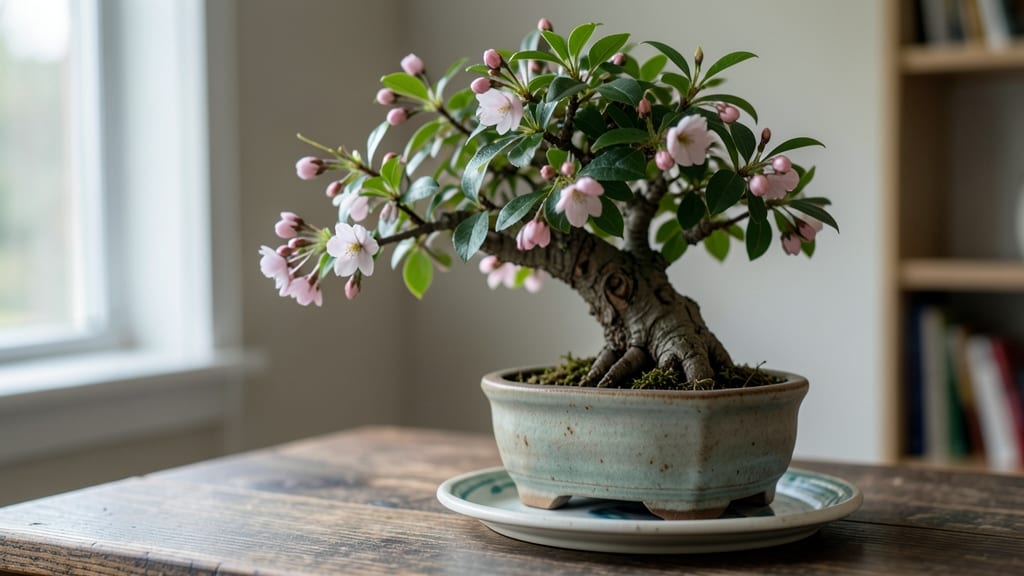
A bonsai cherry tree transforms your living space into a delicate winter wonderland every spring. 🌸 I’ve nurtured mine through three seasons, and the secret to those miniature blossoms lies in year-round pruning—even when the tree isn’t in bloom.
Most people wait until spring, but the real magic happens in the quiet months when the tree rests.
You’ll need sharp pruning shears, a well-draining soil mix, and patience—this isn’t a quick project. The key is balancing growth and dormancy: summer pruning keeps the shape tight, while winter cuts encourage next year’s flowers.
My tree now blooms twice as abundantly because I treat each season like a conversation, not a chore.
By spring, you’ll see tiny buds forming where you least expect them, and the fragrance of those blossoms will make your home feel like a Japanese garden. The leaves stay small, the branches curve naturally, and the whole tree becomes a living piece of art.
Just don’t skip the wiring in late winter—that’s when the structure truly takes shape.
Works for both indoor and outdoor bonsai, though outdoor trees handle seasonal changes better. Whether you’re a beginner or refining your skills, this method scales—just adjust the tools and timing to your climate. Let’s get those branches just right.
📚 In This Guide
- What you need
- Instructions
- Tips and common mistakes
- Wrapping up and next steps
What you need
- ● Bonsai cherry tree (Prunus serrulata or related species): Start with a young sapling (1–3 years old) or a pre-bonsai tree from a reputable nursery.
- ● Bonsai pot: 1 shallow, well-draining pot (3–6 inches wide) with drainage holes. Ceramic or unglazed clay pots are ideal.
- ● Bonsai soil: 1 bag of akadama, pumice, and lava rock mix (or a pre-mixed bonsai soil blend). Aim for a 70% akadama, 20% pumice, 10% lava rock ratio.
- ● Pruning tools: 1 pair of concave-cutting shears (for branch pruning).
- ● 1 pair of bypass pruners (for larger branches).
- ● 1 wire cutter (if using wiring for shaping).
- ● Root pruning tools: 1 bonsai root hook (for teasing roots).
- ● 1 small hand saw or root pruner (for thick roots).
- ● Wiring material: 1 roll of aluminum or copper bonsai wire (1–3mm thickness, depending on branch size).
- ● Mulch: 1 bag of gravel or small pebbles (for drainage and aesthetics).
- ● 1 spray bottle (for misting leaves during dry spells).
- ● 1 humidity tray (to maintain moisture levels).
- ● 1 fertilizer (balanced liquid or slow-release bonsai fertilizer).
- ● 1 tree band or trunk protector (to shield against wire marks).
- ● 1 bonsai display stand (for showcasing your masterpiece!).
Step-by-Step instructions for cultivating a bonsai cherry tree
Here's how to shape and care for your bonsai cherry so it stays healthy and blooms beautifully year after year.
🌱 Step 1: Choose the Right Tree and Pot for Your Climate
Start with a young Prunus serrulata or Prunus yedoensis—these are the most common bonsai cherry varieties. If you're in a colder zone, select a variety like Prunus 'Kanzan', which handles 10°F temperatures without losing buds. Avoid tropical cherries; they won't survive winter outdoors.
Use a shallow but wide bonsai pot (at least 12 inches in diameter for a 3-4 year old tree) with drainage holes. I like unglazed clay because it breathes and helps regulate moisture. Place a layer of gravel or lava rock at the bottom to prevent root rot—this is critical for cherry bonsai, which hate soggy roots.
☀️ Step 2: Position for Light and Seasonal Care
Place your bonsai in full sun (6+ hours daily) during spring and summer. A south-facing window or outdoor spot works best. In winter, move it to a cool, bright location (40-50°F) where it gets at least 4-6 hours of indirect light—this mimics dormancy and prevents bud loss.
Real talk: If you live in a hot, dry climate, you'll need to water more frequently. Watch for leaf edges curling or soil pulling away from pot edges—these are signs it's thirsty. In cooler climates, water when the top ½ inch of soil feels dry to the touch. Overwatering is the #1 killer of bonsai cherries.
✂️ Step 3: Prune for Shape and Bloom Control
Prune immediately after flowering (late spring) to shape the tree and encourage new growth. Use clean, sharp bonsai shears to trim back 1/3 of the new growth—this keeps the tree compact and promotes bushiness. Avoid cutting into old wood; you'll lose the tree if you remove too much.
For blooms, you'll need to pinch back flower buds in early summer (June-July). This might sound counterintuitive, but it forces the tree to focus energy on root and branch growth instead of fruit production. You'll see more vibrant blooms next spring. I like to do this in stages—remove 20% of buds now, then another 20% in August if growth is still vigorous.
🪴 Step 4: Repot and Fertilize for Year-Round Health
Repot every 2-3 years in early spring (before buds swell) using a well-draining akadama or bonsai mix. Trim 1/3 of the roots with clean shears—this keeps the tree from becoming root-bound. Gently shake off old soil and place the tree in the new pot, filling gaps with fresh mix. Water thoroughly after repotting.
Fertilize lightly during the growing season (April-October) with a balanced bonsai fertilizer (10-10-10). I use half-strength solution every 4-6 weeks—bonsai cherries are sensitive to over-fertilization, which leads to salt buildup in the soil. In winter, let the tree rest; no fertilizer needed until buds start to swell in late winter.
⏰ Step 5: Prepare for Winter Dormancy
In late fall (November), reduce watering but keep the soil slightly moist. Stop fertilizing entirely once temperatures drop below 50°F. If you're in a zone colder than 6b, protect your bonsai with burlap wrap or a frost cloth to shield it from harsh winds. I also move mine to an unheated garage or shed where temps stay 35-45°F—this mimics natural dormancy.
Watch for buds forming in late winter (February-March). This is your signal to gradually increase watering and move the tree back to a brighter spot. Avoid pruning now—you'll risk losing next year's blooms. Once buds swell, you can resume regular care.
Tips & tricks for perfect bonsai cherry tree care
Mastering bonsai cherry trees takes patience, but these key strategies will help you avoid common mistakes and keep your tree thriving year after year.
Light Positioning: During summer, rotate your bonsai cherry quarter-turn every 2-3 days to ensure even sun exposure. This prevents one-sided growth that can make your tree look lopsided. In Step 2, when placing your tree in full sun, check the light exposure throughout the day—west-facing windows get the most intense afternoon sun, which can scorch delicate leaves.
Pruning Precision: When you prune 1/3 of the new growth in Step 3, make cuts just above a leaf node or bud. This encourages branching at the exact spot you want new growth to emerge. I always use a magnifying glass to check my cuts—bonsai shears can be tricky on such small branches. Avoid cutting into old wood, as this can shock the tree and reduce next year's blooms.
Winter Protection: If you're in a zone colder than 6b, don't just wrap your bonsai—create a microclimate. Place it on a layer of insulating material like styrofoam or bubble wrap before adding the frost cloth. This helps maintain the 35-45°F range mentioned in Step 5 by preventing cold air from circulating directly around the pot. I've seen trees survive -5°F with this extra protection!
Repotting Secrets: When you repot every 2-3 years in Step 4, trim the roots in a pinwheel pattern rather than just cutting the longest roots. This encourages outward growth that will fill the pot more evenly. After repotting, place the tree in a shaded area for 3-5 days to reduce stress—new roots are fragile and need time to establish before full sun exposure.
Pro Tips for Bonsai Cherry Tree
- Mastering bonsai cherry trees takes patience, but these key strategies will help you avoid common mistakes and keep your tree thriving year after year.
- Light Positioning: During summer, rotate your bonsai cherry quarter-turn every 2-3 days to ensure even sun exposure.
- Pruning Precision: When you prune 1/3 of the new growth in Step 3, make cuts just above a leaf node or bud.
Frequently asked questions
Got questions about keeping your bonsai cherry tree thriving? We’ve got answers!
Here are some of the most common queries from growers—whether you're a beginner or a seasoned pruner.
How often should I prune my bonsai cherry tree?
Prune your bonsai cherry tree twice a year: once after flowering (late spring) to shape and encourage new growth, and again in early autumn to prepare for dormancy. Light trimming between seasons keeps it healthy without stressing the tree.
Can I prune my bonsai cherry tree in winter?
Winter is the worst time to prune! Cherry bonsai are dormant and vulnerable to cold damage. Wait until late winter (February) for minimal pruning (like removing dead branches), but avoid heavy cuts until spring. Patience pays off!
What’s the best way to revive a leggy bonsai cherry tree?
Leggy growth? It’s a sign of too much light or lack of pruning. Cut back 1/3 of the longest branches in early spring, then reduce sunlight slightly (dappled shade works well). Fertilize lightly with a high-nitrogen mix to encourage bushier regrowth.
Are there bonsai alternatives if cherry trees are too tricky?
Try Japanese maple (drought-tolerant, stunning foliage) or juniper bonsai (hardy and forgiving). For blooms, crabapple bonsai is another great option—just match your climate and care style!
Why are my bonsai cherry tree’s leaves turning yellow?
Yellow leaves usually mean overwatering or nutrient deficiency. Let the soil dry slightly between waterings, and flush the pot with water to remove salts. If yellowing persists, test your soil pH (ideal: 5.5–6.5) and feed with a balanced fertilizer.
Still stumped? Drop your question in the comments—we’re happy to help your tiny tree bloom beautifully!
Wrapping up and next steps
Cultivating a bonsai cherry tree is a rewarding journey that blends patience, creativity, and care—especially when it comes to year-round pruning for those stunning tiny blooms! 🌸 By mastering the art of shaping, root maintenance, and seasonal adjustments, you’ll transform a humble seedling into a living masterpiece.
Remember, every trim is a step toward harmony between your tree and its environment.
Ready to take the next step? Start small:
- Pick one technique (like root pruning or branch wiring) to practice this week.
- Join a bonsai community—share photos, ask questions, and learn from fellow enthusiasts!
- Celebrate progress, no matter how tiny—your bonsai cherry tree will thank you with blooms to admire for years!