
Fertilization
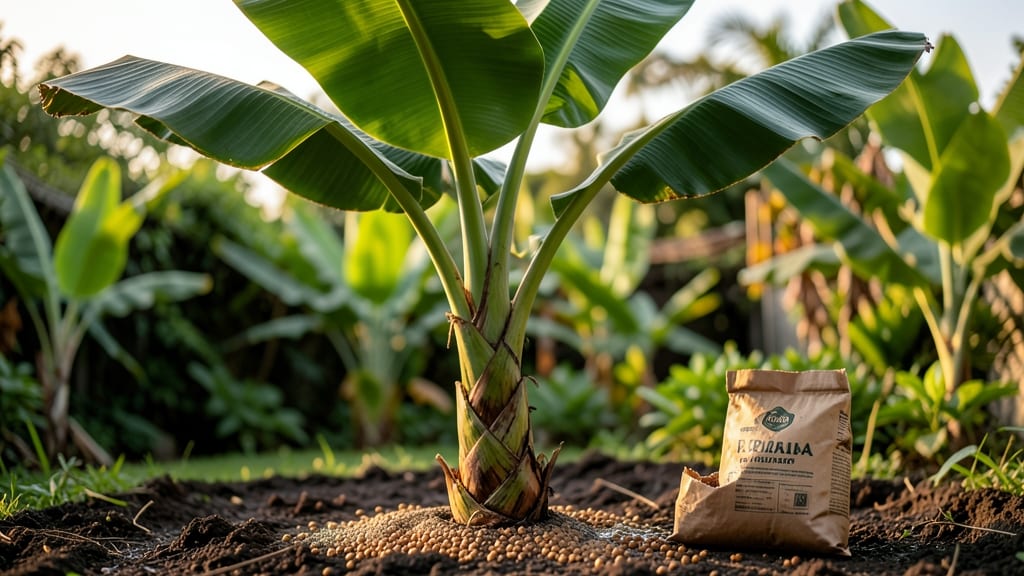
Your banana tree’s nitrogen-rich fertilizer is the secret weapon behind those towering, glossy leaves that make neighbors do double-takes. 🌿 I’ve learned the hard way that banana trees don’t just tolerate fertilizer—they demand it, but only when done right.
Too little and you get sad, yellowing fronds; too much and you burn the roots faster than a summer drought. The trick is balancing nitrogen for lush growth with potassium for fruit production, and timing it perfectly with the plant’s natural cycles.
You’ll need a high-nitrogen fertilizer (like 30-10-10 or fish emulsion) for young plants, then switch to a balanced or potassium-heavy blend (10-10-20) as they mature. Organic options like composted manure or banana peels work too, but they take longer to deliver results.
The key is soil prep first: banana trees thrive in loose, well-draining soil with plenty of organic matter—think of it as giving them a fluffy mattress for those massive roots.
By mid-spring, you’ll see the difference: bold, deep-green leaves that practically glow in the sunlight, and stronger stems that support heavier fruit. The first harvest after proper fertilizing?
Sweeter, bigger, and more abundant than anything you’ve grown before. Just remember: patience is part of the game—banana trees reward consistency over quick fixes.
Works for both container-grown trees and in-ground plants, whether you’re in a tropical climate or a warm microclimate. The same principles apply, just adjust the schedule for your local frost dates. Let’s get those leaves growing!
📚 In This Guide
- What you need
- Instructions
- Tips and common mistakes
- Wrapping up and next steps
What you need
- ● Balanced fertilizer (10-10-10 or 12-12-12 NPK ratio) – 2-3 lbs per tree (adjust based on tree size)
- ● Nitrogen-rich fertilizer (e.g., blood meal, fish emulsion, or urea) – 1-2 lbs per tree (for extra foliage boost)
- ● Slow-release organic fertilizer (e.g., composted manure or worm castings) – 5-10 lbs per tree (for long-term soil health)
- ● Garden gloves – To protect your hands from chemicals and soil
- ● Watering can or hose with a gentle spray nozzle – For even distribution
- ● Measuring cup or scale – For precise fertilizer application
- ○ Garden fork or tiller – For loosening soil before fertilizing (optional but helpful)
- ● Soil pH test kit – To check soil acidity (ideal pH: 5.5–7.0 for bananas)
- ● Mulch (straw, wood chips, or banana leaves) – 1–2 inches thick to retain moisture and nutrients
- ○ Organic mulch spreader (optional) – For even coverage
- ● Label markers or stakes – To track fertilizer dates and types
Step-by-step guide to fertilizing banana trees for vibrant growth
Here's how I've learned to feed banana trees for thick, healthy leaves and strong stems.
🌿 Step 1: Understand Your Banana Tree's Nutritional Needs
Banana trees thrive on a diet rich in nitrogen during their active growing phase, which typically runs from spring through summer. Look for a balanced fertilizer with an NPK ratio of 3-1-2 or higher in nitrogen (the first number). I always check the label for micronutrients like magnesium and potassium too—banana trees need those for proper leaf development.
Timing matters: Feed your banana tree when you see new leaf growth emerging from the center, usually in early spring. This is your cue that the plant is ready to absorb nutrients and grow vigorously. If you fertilize too early in dormancy, you risk burning the roots.
💧 Step 2: Prepare the Soil and Apply Fertilizer Correctly
Before applying fertilizer, water your banana tree deeply to ensure the soil is moist but not soggy. This helps prevent root burn, which can happen if fertilizer comes into contact with dry soil. I like to use a slow-release granular fertilizer spread evenly around the drip line—that’s the outer edge of the tree’s canopy.
Work the fertilizer into the top 2-3 inches of soil using a small garden fork or your hands. Avoid piling fertilizer directly against the trunk, as this can concentrate salts and harm the roots. Instead, create a 6-inch-wide band around the base and water it in immediately after application.
☀️ Step 3: Establish a Feeding Schedule for Optimal Growth
Banana trees respond best to monthly feedings during their active growing season (spring and summer). I use a liquid fertilizer every 4-6 weeks for a quick nutrient boost, alternating with the slow-release granules. This keeps the roots consistently fed without overwhelming the plant.
Watch for signs of over-fertilizing: yellowing leaves, brown leaf tips, or stunted growth. If you see these, flush the soil with water to leach out excess salts. In fall and winter, reduce feedings to every 8-12 weeks or stop entirely if the tree shows no new growth—this is its natural dormancy period.
✂️ Step 4: Monitor and Adjust for Seasonal Changes
As the seasons shift, so do your banana tree’s needs. In late summer, when growth slows but leaves are still lush, switch to a lower-nitrogen fertilizer (like a 1-1-1 ratio) to support root and fruit development. This transition helps prepare the tree for winter without encouraging late-season flushes that won’t harden off properly.
I always inspect the leaves for color and texture: deep green with slight purple undersides means the tree is thriving. Pale yellow leaves signal nitrogen deficiency, while crispy brown edges mean too much salt or not enough water. Adjust your fertilizer type or schedule based on what you observe.
🪴 Step 5: Maintain Soil Health Year-Round
Banana trees love rich, well-draining soil with plenty of organic matter. I top-dress the soil around the base with compost or well-rotted manure every spring to replenish nutrients naturally. This also improves soil structure, helping roots access water and oxygen more efficiently.
Mulch the area with 3-4 inches of organic mulch (like straw or wood chips) to retain moisture and regulate soil temperature. Keep the mulch 6 inches away from the trunk to prevent rot. This simple step reduces watering needs and keeps roots cool in summer and insulated in winter.
Tips & tricks for perfect banana tree fertilizing
Here's what nobody tells you about keeping your banana tree thriving with the right feeding strategy.
Timing is Everything: The instructions mention feeding when you see new leaf growth, but here's the secret: aim for early spring when temperatures consistently stay above 60°F. I've learned this the hard way—fertilizing too early in dormancy can shock the roots, even if the soil feels warm. Watch for those first tender, unfurled leaves as your green light to start.
Soil Prep Matters More Than You Think: That deep watering before applying fertilizer isn't just about preventing root burn—it's about creating the perfect environment for nutrient absorption. I take it a step further by testing soil moisture with my finger: if the top 2 inches feel damp but not soggy, that's your ideal window. Too dry, and you risk burning; too wet, and you'll flush nutrients away before the roots can use them.
Seasonal Fertilizer Switch: The instructions mention switching to lower-nitrogen fertilizer in late summer, but here's my pro move: I actually make the transition when I notice the leaves start developing that slight purple tint along the veins. This visual cue tells me the tree is transitioning naturally, and it's the perfect time to adjust the NPK ratio to 1-1-1 or even 0-10-10 for root and fruit development.
Organic Boost Strategy: While the instructions mention compost, I've found banana trees respond even better to a combination of compost and well-rotted manure mixed in a 3:1 ratio (compost to manure). The manure provides that immediate nitrogen kick, while the compost adds structure and micronutrients. I apply this mix in early spring right after my first fertilizer application for that double nutrient punch.
Pro Tips for Banana Tree Fertiliser
- Here's what nobody tells you about keeping your banana tree thriving with the right feeding strategy.
- Timing is Everything: The instructions mention feeding when you see new leaf growth, but here's the secret: aim for early spring when temperatures consistently stay above 60°F.
- Soil Prep Matters More Than You Think: That deep watering before applying fertilizer isn't just about preventing root burn—it's about creating the perfect environment for nutrient absorption.
Frequently asked questions
Got questions about keeping your banana tree thriving with the right fertiliser? We’ve got you covered! Here are some common concerns—and their answers—to help you grow a lush, healthy banana tree with confidence.
How often should I fertilise my banana tree?
For young banana trees (under 2 years old), fertilise every 4-6 weeks during the growing season (spring to fall). Mature trees can handle fertiliser every 6-8 weeks. Always follow the product’s instructions—overdoing it can burn roots!
What if I see yellow leaves after fertilising?
Yellowing leaves often mean over-fertilisation or chlorosis (iron deficiency). Flush the soil with water to dilute excess salts, then switch to a balanced, slow-release fertiliser. Avoid high-nitrogen fertilisers until the leaves recover.
Can I use regular garden fertiliser, or do I need something special?
Banana trees love nitrogen-rich fertilisers (like 30-10-10 or compost), but avoid high-phosphorus options—they’re designed for flowering, not leafy growth. Organic options like manure or banana tree-specific blends work great too!
Should I fertilise in winter?
Nope! Banana trees are tropical and go dormant in cooler months. Hold off on fertilising until temperatures rise above 60°F (15°C). Resume feeding in early spring when new growth appears. →
What’s the best organic fertiliser for banana trees?
Top organic picks include:
- Composted manure (chicken or cow)
- Banana peel tea (steep peels in water for 2 days)
- Fish emulsion (high in nitrogen)
- Worm castings (gentle, nutrient-packed)
Wrapping up and next steps
Growing a thriving banana tree starts with the right banana tree fertilizer—especially one packed with nitrogen to fuel those lush, vibrant leaves! 🌿 Whether you’re using organic options like compost or balanced synthetic blends, the key is consistency and proper timing.
Your efforts will pay off with healthier plants, bigger yields, and fewer pests—so don’t hesitate to experiment and find what works best for your climate.
Ready to take the next step? Monitor your tree’s progress, adjust your feeding schedule as needed, and soon, you’ll be harvesting those sweet, golden bananas with pride! 🍌✨