
Fertilization
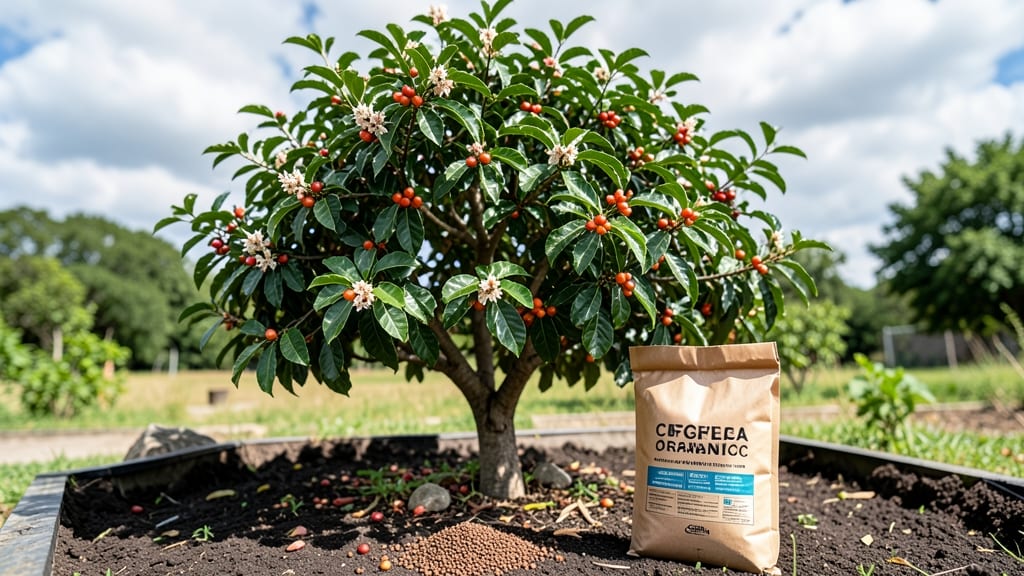
Your coffee tree’s nitrogen-rich fertilizer game changes everything—bold, glossy leaves and heavy bean production start with the right feed.
I’ve experimented with everything from coffee pulp compost to synthetic blends, and the difference between a struggling bush and a productive powerhouse comes down to timing, balance, and knowing when to step back. The first mistake I made?
Drowning my tree with too much nitrogen in spring and burning the roots. Now I follow a schedule that keeps growth steady without shocking the plant.
Most coffee trees thrive on a balanced 3-1-2 NPK ratio (nitrogen, phosphorus, potassium), but the real magic happens when you layer organic matter like composted coffee grounds or banana peels for extra potassium.
Synthetic fertilizers work fast, but organic options build soil health over time—think of it as slow-release fuel for years of harvests. You’ll notice new growth within 4-6 weeks of proper feeding, and the beans develop that rich, complex flavor gardeners dream of.
Over-fertilizing is the silent killer—yellow leaves or stunted growth? You’re likely overdoing it. Under-fertilizing? Pale foliage or sparse beans give it away. The sweet spot is every 6-8 weeks during the growing season, with half-strength applications if you’re unsure.
My trees now produce twice as many cherries as they did before I dialed in their diet, and the soil stays rich enough that I rarely need to fertilize in winter.
This works for both container-grown trees and in-ground plants, though containers dry out faster and need more frequent feeding.
Whether you’re growing Arabica in a sunny patio pot or Robusta in a tropical climate, the principles stay the same: feed smart, monitor closely, and let the tree tell you what it needs. Ready to unlock that next harvest?
📚 In This Guide
- What you need
- Instructions
- Tips and common mistakes
- Wrapping up and next steps
What you need
- ● Nitrogen-rich fertilizer: 10-10-10 or 20-20-20 balanced fertilizer (5–10 lbs per tree, depending on size)
- ● OR organic options like blood meal (1–2 lbs per tree) or fish emulsion (2–3 cups per tree)
- ● Slow-release fertilizer: Osmocote or similar (5–10 lbs per tree for long-term growth)
- ● Compost or well-rotted manure: 2–3 gallons per tree (for soil enrichment)
- ● pH testing kit: To ensure soil pH is between 6.0–6.5 (coffee trees thrive here!)
- ● Garden gloves (to protect your hands from soil and fertilizers)
- ● Hand trowel or small shovel (for mixing fertilizer into soil)
- ● Watering can or hose (for post-application hydration)
- ○ Optional: Mulch (straw or wood chips) to retain moisture and nutrients
- ● Epsom salt (1 tbsp per gallon of water) for magnesium boosts
- ● Foliar spray bottle (for liquid fertilizers like fish emulsion)
How to fertilize coffee trees for maximum bean production
Here’s my foolproof approach to feeding coffee trees—focused on nitrogen while balancing essential nutrients for both foliage and fruit.
Test Soil Before Applying Fertilizer
Coffee trees thrive in slightly acidic soil with a pH of 6.0–6.5. Grab a soil test kit to check your levels—this determines whether you’ll need to adjust pH before fertilizing. I’ve seen trees with stunted growth because the soil was too alkaline; a simple lime or sulfur amendment can fix that before applying fertilizer.
If you’re in a hurry, use a digital pH meter for quick results. Coffee roots are sensitive, so getting this right prevents nutrient lockout. Dig a 6-inch-deep hole near the tree’s drip line, scoop out a sample, and test it. The ideal soil should feel crumbly and moist—not compacted or dry.
Apply a Balanced Nitrogen-Rich Fertilizer
Use a 10-10-10 or 12-12-12 fertilizer (nitrogen-phosphorus-potassium ratio) for general growth, but coffee trees need extra nitrogen for lush foliage. Mix in ½ cup of blood meal (a fast-acting nitrogen source) around the base, 6 inches from the trunk. This boosts leaf production without overwhelming the tree.
Scatter the fertilizer evenly in a 12-inch-wide ring around the tree’s drip line. Avoid piling it directly against the trunk—this can burn roots. Water the area deeply afterward to help nutrients penetrate the soil. You’ll see new growth within 4–6 weeks if the soil conditions are right.
Schedule Fertilizer Applications Strategically
Coffee trees need three key feedings per year: early spring (when new leaves emerge), mid-summer (to support flowering), and late summer (for fruit development). In spring, apply a full dose of your balanced fertilizer. In summer, switch to a lower-nitrogen, higher-phosphorus blend (like 5-10-10) to encourage blooming.
In late summer, return to a nitrogen-heavy mix to sustain foliage as beans develop. Always water 1–2 days before and after fertilizing to prevent root burn. If your tree drops leaves suddenly, you’re overdoing it—cut back on applications and focus on hydration.
Supplement with Organic Matter for Long-Term Health
Coffee trees love well-draining, nutrient-rich soil. Spread 2–3 inches of compost over the root zone annually and lightly scratch it into the top 2 inches of soil. This improves moisture retention and adds micronutrients like magnesium and calcium, which coffee trees crave.
For extra vigor, top-dress with aged manure or worm castings in spring. These organic amendments break down slowly, feeding the tree over time. You’ll notice darker green leaves and thicker stems within a few months—clear signs the soil is thriving.
Monitor for Deficiencies and Adjust
Yellowing leaves? That’s often a nitrogen deficiency. Boost applications in early spring. Purple stems or slow growth? Phosphorus or potassium might be lacking—switch to a 5-10-10 blend for a season. Coffee trees are sensitive, so always observe before reacting.
If you notice white crusts on soil, flush the roots with water to prevent salt buildup from synthetic fertilizers. A mulch layer of wood chips (2–3 inches) helps retain moisture and regulates soil temperature. Check the tree’s growth rate and leaf color every 6–8 weeks—adjust fertilizing as needed.
Tips & tricks for perfect coffee tree fertilization
A few key insights can transform your coffee tree's growth—let's focus on the details that make all the difference.
Soil Testing Precision: When testing your soil's pH in Step 1, take multiple samples from different areas around the tree's drip line. Coffee roots spread widely, and soil pH can vary by just a few feet. I've seen trees with one side thriving while the other languished because of inconsistent soil conditions. Aim for that 6.0-6.5 range within a 2-foot radius of the trunk for balanced growth.
Fertilizer Application Technique: In Step 2, create small trenches about 2 inches deep in that 12-inch-wide ring around your tree's drip line. This allows the fertilizer to penetrate deeper where the roots actively grow. The blood meal should be mixed with the soil in these trenches rather than just scattered on top. This targeted approach prevents nutrient runoff and ensures your tree gets maximum benefit from both the balanced fertilizer and the nitrogen boost.
Seasonal Timing Strategy: For the three annual feedings in Step 3, I recommend setting calendar reminders for these key dates: late February (early spring), late July (mid-summer), and early September (late summer). These align with your tree's natural growth cycles. In tropical climates, adjust these by about 6 weeks earlier. The timing between applications gives your tree time to metabolize nutrients without overloading the system, which is why you'll see that gradual improvement in leaf color and bean development.
Organic Supplement Integration: When adding compost in Step 4, focus on the top 2 inches of soil where most of your tree's feeder roots reside. I like to use a mix of well-aged compost and coconut coir to improve moisture retention in sandy soils. The key is to work this into the soil gently—don't disturb the roots more than necessary. This layering creates a perfect environment for beneficial microbes that help break down nutrients your tree can actually use.
Pro Tips for Coffee Tree Fertilizer
- A few key insights can transform your coffee tree's growth—let's focus on the details that make all the difference.
- Soil Testing Precision: When testing your soil's pH in Step 1, take multiple samples from different areas around the tree's drip line.
- Fertilizer Application Technique: In Step 2, create small trenches about 2 inches deep in that 12-inch-wide ring around your tree's drip line.
Frequently asked questions
Got questions about coffee tree fertilizer?
You’re in the right place! Here are some of the most common queries—and straightforward answers—to help you keep your coffee trees thriving.
What’s the best time of year to fertilize a coffee tree?
Fertilize your coffee tree during its active growing season, typically from early spring to late summer (March–September). Avoid fertilizing in winter when growth slows. For container-grown trees, apply fertilizer every 4–6 weeks; for in-ground trees, 2–3 times per year suffices. Pro tip: Test soil first—over-fertilizing can harm roots!
Can I use regular garden fertilizer on my coffee tree?
Not always! Coffee trees thrive on nitrogen-rich, acidic fertilizers (pH 6.0–6.5). Regular garden fertilizers may lack the right balance or pH. Opt for a balanced 10-10-10 or 12-12-17 formula with micronutrients like magnesium and potassium. For organic options, try composted manure or coffee grounds (in moderation).
How do I know if my coffee tree needs fertilizer?
Watch for these signs:
- Yellowing leaves (nitrogen deficiency)
- Slow growth or small beans
- Pale or sparse foliage
What’s the difference between organic and synthetic fertilizers for coffee trees?
Organic fertilizers (like compost or bone meal) improve soil health slowly but require consistency. Synthetic fertilizers (e.g., urea) deliver quick nitrogen but may disrupt soil microbes long-term. For best results, combine both: Use organic fertilizers as a base and synthetic for targeted boosts during flowering/fruiting.
My coffee tree’s leaves are turning brown after fertilizing—what went wrong?
Brown or crispy leaves often signal over-fertilization or burn. Flush the soil with water to dilute excess salts, then reduce fertilizer strength by half for 2–3 weeks. Ensure proper drainage—coffee trees hate soggy roots! If the issue persists, your tree may need a chelated iron supplement for pH-related stress.
How often should I fertilize a newly planted coffee tree?
For the first 3 months, skip heavy fertilization—focus on establishing roots. After that, apply a light dose of fertilizer (half-strength) every 6–8 weeks. Young trees are sensitive; more isn’t better—stick to the rule: “Feed lightly, but often.”
Wrapping up and next steps
Choosing the right coffee tree fertilizer—especially one rich in nitrogen—can transform your plants from struggling to thriving, yielding bold, flavorful beans and lush foliage. Whether you opt for organic compost, slow-release granules, or balanced NPK blends, consistency and proper application are key to reaping the rewards.
Your coffee trees will thank you with vibrant growth and a bountiful harvest!
Ready to take the next step? Start experimenting with a small batch of your chosen fertilizer, monitor your trees’ progress, and adjust as needed. Happy growing—your future cup of coffee starts with healthy roots! ☕🌱