
Container Gardens
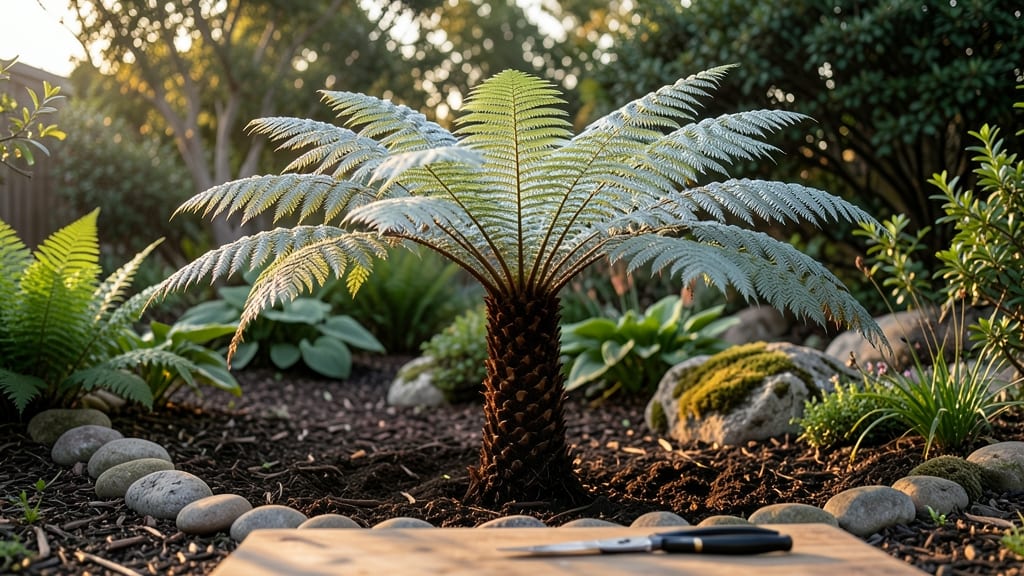
Growing tree ferns in containers unlocks a jungle-like corner for any space—no yard required. 🌿 These ancient plants thrive when you mimic their tropical roots with the right humidity, soil, and shade, and I’ve learned exactly how to keep them lush without the guesswork.
The key is starting with the right setup: a 10-15 gallon container with drainage holes, a mix of peat moss and perlite for airflow, and a spot that gets bright, indirect light.
Too much sun scorches their fronds, while too little slows growth—so aim for morning sun and afternoon shade. Water when the top inch feels dry, but never let them sit in soggy soil.
Within a year, you’ll see those velvety fronds unfurl into a 4-6 foot tall statement piece, perfect for adding drama to patios or brightening dim corners. The real magic?
They clean the air while doing it—just don’t rush them. Tree ferns grow slow but steady, rewarding patience with years of lush, green life.
Even in dry climates, a pebble tray beneath the pot or a daily misting keeps them happy. And if the tips turn brown? It’s usually overwatering or low humidity—two easy fixes that make all the difference. Ready to grow your own living sculpture?
📚 In This Guide
- What you need
- Instructions
- Tips and common mistakes
- Wrapping up and next steps
What you need
- ● Tree Fern: A healthy Cyathea or Dicksonia species (size depends on container—smaller varieties like Cyathea dealbata work well for pots).
- ● Container: Minimum size: 12–18 inches in diameter (bigger for mature ferns).
- ● Material: Terracotta (breathable) or plastic (retains moisture). Ensure drainage holes are present!
- ● Potting Mix: 60% peat moss or coco coir + 30% orchid bark + 10% perlite/pumice (for aeration). Avoid garden soil—it compacts too easily!
- ● Watering Can: With a fine rose attachment for gentle hydration (tree ferns hate soggy roots!).
- ● Misting Bottle: For humidity-loving ferns (especially in dry climates).
- ● Fertilizer: Balanced liquid fertilizer (10-10-10 or 20-20-20), diluted to half-strength.
- ● Gloves: Heavy-duty (fern fronds can be prickly!).
- ● Trowel: For repotting or adjusting soil.
- ○ Humidity Dome/Tray: Optional for seedlings or low-humidity areas.
- ● Mulch: Orchid bark chips (1–2 inches) to retain moisture and mimic forest floors.
- ● Support Stakes: Only for large or top-heavy varieties (e.g., Dicksonia antarctica).
- ○ pH Test Kit: Optional but helpful—tree ferns thrive in acidic soil (pH 5.0–6.5).
Step-by-Step guide to growing tree ferns in containers
Here's how to coax those elegant, feathery fronds into thriving container plants.
🌱 Step 1: Select the Right Container and Drainage
Choose a 12-18 inch diameter pot with drainage holes—tree ferns hate soggy roots. I like glazed ceramic containers because they retain moisture well while allowing airflow. If your pot lacks drainage, add a 2-3 inch layer of pebbles at the bottom before filling with soil.
Tree ferns grow best in well-aerated, slightly acidic mix (pH 5.5-6.5). The container should be at least 12 inches deep—shallow pots restrict root growth and lead to stunted fronds. Place the pot in a location with bright, indirect light—direct sun scorches delicate fronds, while too little light makes them grow leggy and sparse.
🌿 Step 2: Prepare the Soil and Plant the Fern
Use a blend of 50% peat moss, 30% perlite, and 20% orchid bark—this mimics their natural, airy forest floor habitat. Moisten the mix until it feels like a damp sponge but doesn’t drip. Gently loosen the fern’s root ball if it’s pot-bound, then place it in the container so the top of the root ball sits 1 inch below the rim. This prevents water from spilling over during watering.
Fill the remaining space with your prepared mix, pressing lightly to eliminate air pockets. Don’t compact the soil too firmly—tree ferns need loose, breathable roots. Water thoroughly until water runs out the drainage holes, then let it drain completely. This initial soaking helps settle the soil and removes any air gaps around the roots.
💧 Step 3: Establish a Consistent Watering Routine
Tree ferns thrive in consistently moist but never soggy conditions. Water whenever the top 1-2 inches of soil feel dry—usually 2-3 times per week, depending on humidity and temperature. I like to water in the morning so excess moisture evaporates by evening. Avoid letting the soil dry out completely, as this causes fronds to crisp and brown at the edges.
Mist the fronds lightly 2-3 times weekly to boost humidity, especially in dry climates. A humidity tray (pebbles + water beneath the pot) helps maintain the tropical environment they crave. If you notice brown leaf tips, it’s a sign the air is too dry—adjust your misting or move the plant to a more humid spot.
☀️ Step 4: Provide Ideal Light and Temperature
Place your tree fern in bright, indirect light—think filtered sunlight through sheer curtains. A north- or east-facing window works best, while a south-facing window may require sheer curtains to diffuse harsh rays. If growing indoors, supplement with a grow light for 12-14 hours daily during winter months when natural light dims.
Keep temperatures between 65-75°F—tree ferns are tropical and won’t tolerate drafts or cold snaps. If your home dips below 60°F at night, move the plant away from windows or use a small space heater nearby (keep it 3 feet away to avoid drying out the air). Watch for yellowing fronds—they’re a classic sign of temperature stress.
✂️ Step 5: Prune and Maintain for Long-Term Health
Remove dead or brown fronds at the base with clean, sharp scissors—this encourages new growth and keeps the plant looking tidy. I prune in early spring before new fronds emerge, cutting 1 inch above the base where the frond meets the stem. Avoid over-pruning—healthy tree ferns can support 5-7 fronds at full maturity.
Fertilize monthly during spring and summer with a balanced liquid fertilizer (10-10-10) diluted to half strength. Skip fertilization in fall and winter when growth slows. Over-fertilizing leads to salt buildup in the soil, which causes fronds to turn yellow or crispy at the edges. Flush the soil with water every 6 months to prevent this.
Tips & tricks for perfect tree fern growth in containers
Here's what I've learned after years of growing these tropical beauties—small details make all the difference.
Container Depth Matters: That 12-inch minimum depth in Step 1 isn't arbitrary—tree ferns develop extensive root systems that need room to spread. I've seen shallow pots (under 10 inches) cause fronds to grow stunted and sparse. If repotting becomes necessary, choose a container that's 2-3 inches larger in diameter than the current one to accommodate root expansion without overwhelming the plant.
Soil Mix Secrets: The 50-30-20 peat moss/perlite/orchid bark blend in Step 2 is perfect, but here's the thing: always test your mix's moisture retention. Press a handful—it should crumble slightly when dry but hold together when damp. If it feels like dry sand, add 10% more peat moss; if it stays clumpy, mix in 5% extra perlite. This balance prevents both waterlogging and drying out.
Watering Wisdom: When checking the top 1-2 inches of soil in Step 3, use your finger—not a moisture meter. The soil should feel like a damp sponge, not wet or dry. I've ruined ferns by both overwatering (root rot) and underwatering (brown fronds). For extra insurance, water until it runs freely from drainage holes, then wait until the top feels dry before watering again. The 2-3 times weekly guideline works for most homes, but adjust based on your specific humidity levels.
Lighting Hacks: Bright indirect light is ideal, but if your space lacks natural light, a grow light for 12-14 hours daily (as mentioned in Step 4) can be a game-changer. Position it 12-18 inches above the plant and use a timer for consistency. I've found that LED grow lights with full spectrum bulbs work best—they mimic natural sunlight without the heat. Rotate the pot weekly to ensure even growth.
Pro Tips for Tree Fern Growing
- Here's what I've learned after years of growing these tropical beauties—small details make all the difference.
- Container Depth Matters: That 12-inch minimum depth in Step 1 isn't arbitrary—tree ferns develop extensive root systems that need room to spread.
- Soil Mix Secrets: The 50-30-20 peat moss/perlite/orchid bark blend in Step 2 is perfect, but here's the thing: always test your mix's moisture retention.
Frequently asked questions
Got questions about growing tree ferns in containers? You’re not alone! Here are some of the most common concerns—plus straightforward answers to help you nurture a thriving, lush canopy.
How often should I water my container-grown tree fern?
Tree ferns love moisture but hate soggy roots. Water when the top 1–2 inches of soil feel dry—typically every 5–7 days in warm weather or every 10–14 days in cooler months. Use a well-draining mix (like 60% peat/40% perlite) and ensure containers have drainage holes to prevent root rot. Pro tip: Mist the fronds occasionally to mimic humidity!
What’s the best temperature range for tree ferns in pots?
Tree ferns thrive in moderate to warm temperatures (60–75°F). They’re sensitive to frost (<32°F) and scorching heat (>85°F). In winter, move containers indoors near a bright window or under grow lights. If you live in a hot climate, provide afternoon shade to protect delicate fronds. Warning: Sudden temperature drops can stress the plant—avoid drafty spots!
Can I grow a tree fern in a small container, or do I need a large pot?
Start with a minimum 12-inch pot for young tree ferns, but mature varieties (like Dicksonia antarctica) need 18–24 inches to accommodate their extensive root systems. Use lightweight, breathable containers (like fabric grow bags) to prevent overheating. Remember: Smaller pots = more frequent watering and slower growth. Upgrade as the plant outgrows its home!
Why are my tree fern fronds turning brown or crispy?
Brown, crispy fronds usually signal underwatering or low humidity. Check soil moisture and increase misting or use a pebble tray. If edges curl, it could be overwatering or fluoride sensitivity (common with tap water). Switch to rainwater or distilled water if needed. Quick fix: Trim dead fronds at the base to encourage new growth!
Are tree ferns toxic to pets or humans?
Great news! Tree ferns are non-toxic to cats, dogs, and humans, making them a pet-friendly choice. However, always monitor your furry friends—some may nibble out of curiosity. If ingested in large amounts, mild stomach upset might occur, but it’s rare. Bonus: Their lush foliage adds safety and beauty to any home!
Wrapping up and next steps
Growing tree ferns in containers is a rewarding way to bring tropical elegance to your space—whether you’re a seasoned gardener or just starting out! 🌿 With the right mix of soil, sunlight, and care, these lush beauties thrive in pots, adding height and texture to decks, patios, or even indoor jungles.
Remember, consistency in moisture and humidity is key, but don’t let that intimidate you—tree ferns are forgiving once you find their rhythm.
Now that you’re armed with the secrets, roll up your sleeves and get planting! Start small with a single fern, experiment with varieties, or even gift one to a fellow plant lover. Happy growing—your container garden is about to level up! 🌱✨