
Pruning
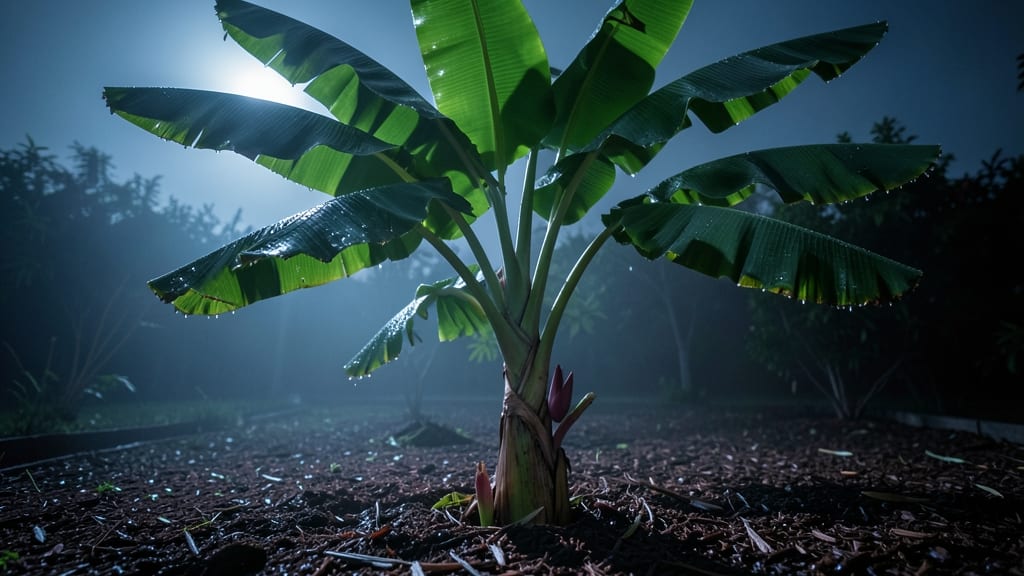
Pruning banana trees at night might sound like a gardener’s secret trick, but it’s all about giving your plant the gentle care it craves after sunset. 🌙 The cooler evening air and softer light make trimming less stressful for the tree, and studies show plants recover faster when pruned under low-light conditions—especially tropical varieties like bananas.
I’ve found that nighttime cuts reduce shock and encourage thicker, healthier regrowth by morning.
You’ll need sharp pruning shears, a small flashlight (LED is best for not startling the plant), and a spray bottle with diluted neem oil to prevent infection. Work in 60-90 minutes after sunset when temperatures drop slightly, and avoid pruning if frost is forecasted—banana trees hate cold drafts.
The key is to remove only dead or overcrowded fronds, leaving at least half the healthy leaves intact to keep photosynthesis going.
What you’ll notice within weeks is a stronger trunk and more vibrant new shoots emerging from the center. The tree’s energy shifts from supporting old growth to producing fresh leaves and—eventually—fruit.
Plus, the nighttime routine keeps your hands steady and your focus sharp, since the dim light forces you to work methodically instead of rushing.
This method works equally well for potted banana trees on patios or larger specimens in frost-free zones. Just adjust your timing based on your local climate—coastal areas can trim later into the evening, while inland gardeners should finish by 9 PM. The payoff?
A banana tree that looks like it’s been pampered by a pro, not just pruned by one.
📚 In This Guide
- What you need
- Instructions
- Tips and common mistakes
- Wrapping up and next steps
What you need
- ● Pruning shears or loppers: Sharp, sterilized, and with a 6-8 inch blade (for small branches). For thicker stems, opt for bypass pruners or pruning saws.
- ● Gloves: Heavy-duty gardening gloves (cut-resistant if dealing with thorny varieties like Musa acuminata).
- ● Disinfectant: 70% isopropyl alcohol or bleach solution (1 part bleach to 9 parts water) to sterilize tools before and after pruning.
- ○ Pruning sealant: Optional but helpful—use tree wound paint or pruning wax to coat large cuts (prevents disease).
- ● Trash bags or bucket: For collecting pruned fronds and debris (5+ gallon size recommended).
- ● Ladder or stool: Sturdy and tall enough to reach the top of your banana tree (6+ feet, depending on tree height).
- ● Flashlight or headlamp: Bright LED with red light mode (red light minimizes disruption to the tree’s circadian rhythm).
- ● Notebook & pencil: To map out cuts and track growth progress.
- ● Moonlight or solar-powered lantern: For ambient lighting while you work.
- ● Pruning rope or twine: To temporarily secure large branches before cutting.
- ● Compost bin or mulch: To repurpose pruned fronds as nutrient-rich compost.
- ● Earplugs or noise-canceling headphones: If you’re pruning in a windy or noisy area (banana trees can rustle loudly!).
- ● Camera or phone: Capture before/after shots of your moonlight pruning masterpiece!
- ● ✨ Timing is key: Prune under a full or nearly full moon for optimal energy flow in the tree.
- ● 🌡️ Check the weather: Avoid pruning if rain or high humidity is forecasted within 24 hours.
- ● 🔥 Wear long sleeves: Banana leaves can be sharp and abrasive—protect your skin!
How to prune banana trees under moonlight for stronger growth
Nighttime trimming keeps your banana tree stress-free and promotes vigorous regrowth.
🌿 Step 1: Choose the Right Evening and Tools
Wait for a clear, moonlit night when temperatures stay above 60°F—banana trees handle pruning better in cooler evening air. I always use sterilized pruners (cleaned with rubbing alcohol) and a sharp machete for larger stems, as dull blades tear instead of cut cleanly.
Gather your disinfectant spray (1 part bleach to 9 parts water) and pruning sealant to prevent disease entry. Work when the tree is dormant or after fruiting, never during active growth. The best time is 2-3 hours after sunset when humidity drops slightly—this reduces fungal risks.
✂️ Step 2: Identify and Remove Dead or Damaged Fronds
Start by locating yellowed, brown, or blackened fronds—these are dead and should go first. I run my fingers along the pseudostem to feel for soft, mushy spots (a sign of rot) or hard, dry areas (dead tissue). Cut these 1-2 inches above the base where the frond meets the trunk, using a smooth, downward motion to avoid tearing.
For partially damaged fronds, check if 50% or more of the leaf tissue is healthy. If so, leave it—banana trees can photosynthesize through damaged leaves. Only remove fronds that are completely brown or have blackened tips from fungal infection. Discard all cut fronds immediately in a sealed trash bag to prevent pathogen spread.
🌱 Step 3: Prune for Airflow and Light Penetration
Next, focus on inner fronds that block light from reaching the center of the plant. I like to create a natural funnel shape by removing every other frond from the base upward, starting with the oldest. This encourages new shoots to emerge from the axillary buds along the pseudostem.
Use your machete for thicker stems (cut at a 45-degree angle to shed water) and pruners for thinner fronds. Step back occasionally to visualize the tree’s shape—you want open space between fronds so air circulates and sunlight reaches the center. Avoid over-pruning; leave at least 3-4 healthy fronds per side to maintain photosynthesis.
💧 Step 4: Seal Cuts and Apply Post-Pruning Care
After trimming, wipe each cut surface with your disinfectant spray to kill any lingering bacteria or fungi. Then, apply pruning sealant to cuts larger than ½ inch in diameter—this prevents sap loss and reduces the risk of infection. I use a natural beeswax-based sealant because it’s non-toxic and allows the wound to heal faster.
Water the base of the tree deeply but slowly the night after pruning to help it recover. Avoid overhead watering for 48 hours to let cuts dry and seal naturally. In the following days, monitor for yellowing leaves (a sign of stress) or black spots (fungal infection). If you see either, treat immediately with copper fungicide or neem oil spray.
🌙 Step 5: Observe and Adjust for Future Pruning
Check the tree 3-5 days after pruning for new growth at the base—this means your cuts stimulated the plant correctly. If you see no new shoots after 2 weeks, you may have pruned too aggressively. Next time, leave one extra frond per side to ensure the tree can recover.
Keep a pruning journal to track which cuts produced the most growth. Note the moon phase (new moon is ideal for root-focused pruning, full moon for above-ground work) and temperature trends—your banana tree will thank you with larger, healthier fronds and better fruit production in the next cycle.
Tips & tricks for perfect moonlight banana tree pruning
Here's what I've learned after years of experimenting with nighttime banana tree care—these tricks make all the difference.
Timing Secret: The 2-3 hours after sunset window is ideal because humidity naturally drops, reducing fungal risks. I've found that pruning during a waxing gibbous moon (when the moon is more than half full) gives even better results—banana trees seem to respond more vigorously to this lunar energy. If you miss the perfect night, go for the next clear evening, but avoid nights with forecasted rain.
Cutting Technique: When removing fronds in Step 2, focus on making clean cuts 1-2 inches above the base—this prevents water from pooling at the wound site. I like to use a smooth, downward motion with my machete, almost like slicing through butter. The key is to avoid tearing the tissue, which can invite pests and diseases. For thicker stems, a 45-degree angle helps water run off instead of collecting at the cut.
Post-Pruning Recovery: The 48-hour no-water rule after sealing cuts is non-negotiable for me. I've seen too many trees develop fungal infections from overhead watering too soon. Instead, I water deeply but slowly the night after pruning—this encourages the roots to absorb moisture while the cuts heal. If you notice yellowing leaves within a few days, it's usually a sign of stress from pruning, not failure.
Moon Phase Insight: Pay attention to the moon's cycle when planning your pruning. New moon phases are best for root-focused work, while full moons support above-ground growth. I've noticed that trees pruned during a full moon show new shoots within 3-5 days, while those pruned during a new moon take slightly longer but develop stronger root systems. Keep this in mind when scheduling your next pruning session.
Pro Tips for Banana Tree At Night
- Here's what I've learned after years of experimenting with nighttime banana tree care—these tricks make all the difference.
- Timing Secret: The 2-3 hours after sunset window is ideal because humidity naturally drops, reducing fungal risks.
- Cutting Technique: When removing fronds in Step 2, focus on making clean cuts 1-2 inches above the base—this prevents water from pooling at the wound site.
Frequently asked questions
Got questions about trimming your banana tree under the moonlight? You’re not alone! Here are some of the most common queries—and their answers—to help you navigate nighttime pruning like a pro.
Why should I prune a banana tree at night instead of during the day?
Pruning at night can reduce stress on the plant by minimizing exposure to direct sunlight and heat, which helps it recover faster. The cooler temps also lower the risk of fungal infections from open wounds. Plus, the moonlight provides just enough light to see what you’re doing—no harsh glare!
What’s the best time of night to prune a banana tree?
Aim for late evening (after sunset but before 10 PM) when temperatures are mild and humidity is lower. Avoid early morning dew, as damp conditions can promote disease. If you’re in a tropical climate, listen to local weather cues—prune when skies are clear and breezes are gentle.
Can I use regular garden shears, or do I need special tools for night pruning?
You can use standard pruning shears or a sharp machete, but ensure they’re clean and sterilized to prevent bacterial spread. A headlamp with a red light (less stressful for plants) and a small flashlight are your best friends. Avoid dull tools—they tear tissue instead of making clean cuts.
What do I do if my banana tree bleeds latex after night pruning?
Latex bleeding is normal, but don’t panic! Seal cuts with pruning sealant or crushed charcoal to deter pests and infections. If bleeding is excessive, prune smaller sections over time. Keep the area dry for 24 hours post-trimming to aid healing.
Is moonlight pruning safe for all banana tree varieties?
Yes, but larger varieties (like Musa acuminata) may need extra support post-pruning to prevent wind damage. Dwarf or indoor banana trees (e.g., Musa velutina) are easier to handle at night. Always research your specific variety’s growth habits—some recover faster than others!
Wrapping up and next steps
Pruning your banana tree under the moonlight isn’t just a poetic idea—it’s a smart move for healthier, more vibrant growth! 🌙 By following the right techniques and timing, you’ll encourage stronger stems, better fruit production, and a thriving plant.
Whether you’re a seasoned gardener or just starting, this method is totally doable—just grab your tools, step outside, and let nature guide you.
Ready to see the difference? Start tonight! Pick a clear moonlit evening, gather your supplies, and give your banana tree the care it deserves. Your future harvest (and your plant’s happiness) will thank you! 🌱✨