Pruning
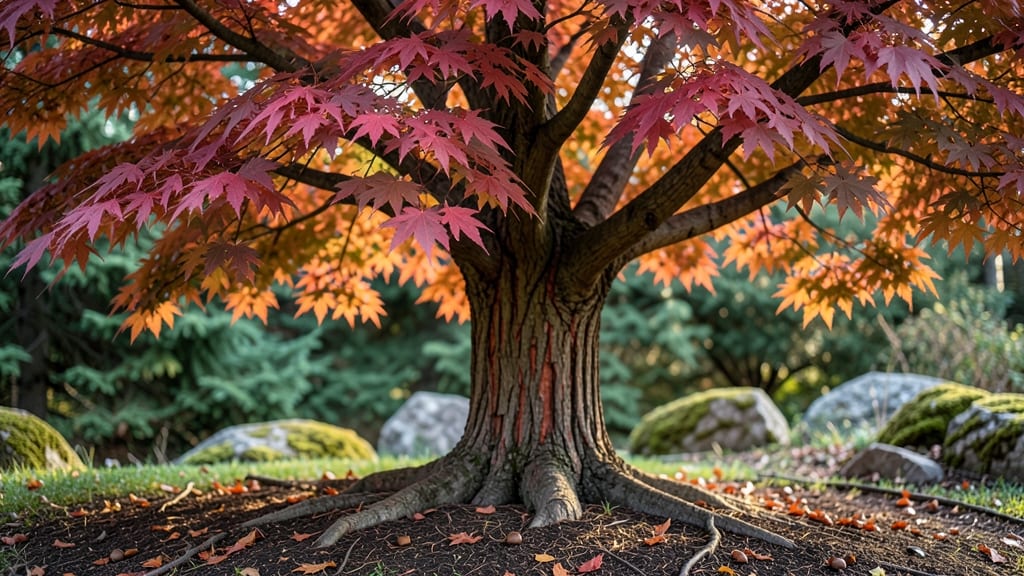
Caring for a red maple tree in the Pacific Northwest means mastering frost-resistant pruning that keeps its fiery fall colors bold year after year. 🍂 I’ve learned the hard way that cutting at the wrong time or in the wrong way can turn that brilliant red into sparse, weak growth—but the right approach transforms your yard into a seasonal showstopper.
The key is timing: prune in late winter or early spring when the tree is dormant, and you’ll encourage strong new branches that survive our region’s unpredictable frosts.
You’ll need basic tools—a sharp pruning saw for thicker branches, loppers for medium stems, and hand pruners for fine cuts—plus a clear day to avoid spreading disease.
Red maples respond best to open-center pruning, where you remove dead, crossing, or weak branches first, then thin the canopy to let light reach the inner branches.
This isn’t just about aesthetics; it’s about long-term health, especially in our damp climate where rot can creep in if you leave wounds open.
What you’ll end up with is a tree that bursts into vibrant red foliage every autumn, even through our chilly winters. The secret? Prune to maintain an airy shape, mulch well to protect roots, and watch for signs of stress like yellowing leaves—early intervention keeps them thriving for decades.
The first year after pruning, you’ll notice new growth by late spring, and by fall, your neighbors will be asking for your secrets.
This method works for both young saplings and mature trees, though larger specimens need more strategic cuts. Whether you’re shaping a new planting or reviving an older tree, the same principles apply—just scale up the tools. Let’s get those branches looking sharp and your tree ready for another stunning season.
📚 In This Guide
- What you need
- Instructions
- Tips and common mistakes
- Wrapping up and next steps
What you need
- ● Pruning shears: Bypass shears (for small branches, ½"–1" diameter)
- ● Loppers: 1 pair (for medium branches, 1"–2" diameter)
- ● Pruning saw: 1 (for thick branches, 2"+ diameter)
- ● Gloves: Heavy-duty work gloves (cut-resistant, waterproof)
- ● Ladder: Extendable or step ladder (reach 10–15 ft safely)
- ● Disinfectant: 70% isopropyl alcohol or bleach solution (1 part bleach to 9 parts water)
- ○ Sealing wax: Pruning sealant (optional, for large cuts)
- ● Trash bags: Heavy-duty (for debris)
- ● Safety gear: Eye protection + long sleeves/pants (PNW weather can be unpredictable!)
- ● Extension pole saw: For high branches without a ladder
- ● Tree wound dressing: (Controversial—skip if your tree is healthy!)
- ● Marking spray: (For tagging branches to remove)
- ● First-aid kit: Just in case (PNW’s wildlife is curious!)
Step-by-step guide for pruning your Pacific Northwest red maple
Here's how to keep your tree healthy through our region's frosty winters.
✂️ Step 1: Time Your Pruning for Winter Dormancy
Prune your red maple during late winter or early spring, ideally 4-6 weeks before new growth begins. In the Pacific Northwest, this usually falls between February and March when the tree is still dormant but before buds swell. You'll know you're on track if you see last year's brown leaves still clinging to branches—this means the tree hasn't started its growing cycle yet.
Never prune in fall, as fresh cuts won't heal properly before winter. Also avoid pruning during wet weather—our region's damp conditions can introduce fungal diseases through open wounds. Wait for a dry, sunny day with temperatures above 40°F to minimize stress on the tree.
✂️ Step 2: Remove Dead, Diseased, or Weak Branches First
Start by identifying branches that are dead, diseased, or crossing—these are your top priorities. Dead branches will be brittle and snap easily when you bend them, while diseased branches often have discolored bark, oozing sap, or fungal growth. Weak branches may be thin, rubbery, or growing at sharp angles from the trunk.
Use sharp, clean bypass pruners for branches up to ½ inch thick, and a pruning saw for thicker branches. Make your cuts just outside the branch collar—the swollen area where the branch meets the trunk. This ensures proper healing. If you're unsure about a branch's health, cut it out—it's better to remove a questionable limb than to leave it and risk spreading disease.
☀️ Step 3: Thin the Canopy for Better Light Penetration
Next, focus on thinning the canopy to improve airflow and sunlight exposure. Aim to remove no more than 25% of the tree's foliage in one season—this prevents stress and keeps the tree strong. Look for branches that are growing inward or rubbing against others; these should be pruned back to a healthy outward-growing branch.
Pay special attention to the tree's center. A dense interior can trap moisture and encourage fungal growth. Remove branches that are growing straight up or down—they create weak attachments and can split during storms. You'll know you're doing well when you can see light filtering through the canopy and air circulating freely.
⏰ Step 4: Shape the Tree for Structure and Safety
Now it's time to refine the tree's shape. Red maples respond well to natural, open forms—avoid heavy topping or excessive shearing, which can lead to weak regrowth. Focus on maintaining a balanced silhouette by removing branches that disrupt the tree's natural shape or create narrow crotches (where two branches grow too close together).
Use the "one-third rule" for larger branches: make the first cut about one-third of the way down the branch, then a second cut one-third further down. Finally, make your final cut just outside the branch collar. This prevents the branch from tearing as you remove it. Step back often to check your progress—you want a tree that looks strong and balanced from all angles.
🌿 Step 5: Clean Up and Protect Your Tree
After pruning, collect all the debris and dispose of it properly. If you notice any signs of disease (like fungal spores on the branches), bag the clippings and throw them away. Avoid composting diseased material—it can spread pathogens to other plants.
Apply a wound sealant to cuts larger than ½ inch to protect them from pests and disease. While sealants aren't always necessary for red maples, they can help in our damp climate. Water the tree deeply after pruning to help it recover, especially if the ground is dry. Finally, keep an eye on your tree over the next few weeks—healthy new growth should appear by late spring.
Tips & tricks for perfect red maple pruning
Real talk: Pruning a red maple in the Pacific Northwest takes more finesse than you'd think. These are the tricks I've picked up after watching too many trees struggle with our damp winters.
Timing is Everything: That 4-6 week window before new growth isn't just arbitrary—it's when your tree's energy is still dormant but ready to rebound. I check for those lingering brown leaves as my green light. Pro move: Mark your calendar now for late February or early March, before the buds even start swelling. And never, ever prune in fall—our wet weather turns every cut into a disease invitation.
Branch Identification Hack: Here's what nobody tells you about diseased branches: They often have a slightly "sticky" feel when you run your thumb along the bark. That's sap oozing from fungal infections. For weak branches, look for that "V" shape where they attach to the trunk—if it's more like a "U," that's a weak crotch waiting to split. Cut these first, always.
Canopy Thinning Strategy: The 25% rule isn't just a number—it's your tree's stress limit. I think of it like this: For every 4 branches you see, remove 1. Focus on the center first where light can't reach. After thinning, you should be able to walk right up to the trunk and see daylight through the branches. That's your perfect balance.
Safety First: That one-third rule for larger branches isn't just theory—it's physics. When you make that first cut one-third down, you're reducing the weight suddenly pulling on the branch collar. Without it, you'll often see branches tear instead of cleanly separate. And always wear gloves—red maple sap contains urushiol, the same irritant in poison ivy.
Pro Tips for Red Maple Tree Care
- Real talk: Pruning a red maple in the Pacific Northwest takes more finesse than you'd think. These are the tricks I'v...
- Timing is Everything: That 4-6 week window before new growth isn't just arbitrary—it's when your tree's energy is sti...
- Branch Identification Hack: Here's what nobody tells you about diseased branches: They often have a slightly "sticky"...
Frequently asked questions
When is the best time to prune a red maple in the PNW?
The ideal window is late winter to early spring (February–March), just before buds swell but before new growth starts. Avoid pruning in fall or winter—cold stress can harm the tree. If you must prune in summer, do it early (June) to minimize stress. Pro tip: Wait until temps rise above freezing (32°F+) to prevent frost damage to fresh cuts!
How do I protect my red maple from PNW frost damage?
Red maples are frost-resistant, but young trees or newly pruned branches can still suffer. Water deeply before the first hard freeze (October–November) to encourage root strength. Avoid heavy pruning in late summer/fall, as new growth is vulnerable. For extreme cold snaps (<10°F), wrap thin branches with burlap or frost cloth—but remove it by February to prevent overheating.
What pests or diseases should I watch for in PNW red maples?
Watch for aphids (sap-sucking insects), tar spot fungus (black spots on leaves), and verticillium wilt (yellowing leaves, wilting). Prevent aphids with a strong water spray (knocks them off) or insecticidal soap. For tar spot, remove and destroy fallen leaves in autumn. If wilt appears, prune infected branches 6+ inches below the damage and sterilize tools with rubbing alcohol.
How do I prune a red maple to encourage a fuller shape?
Focus on selective thinning—remove no more than 25% of the canopy at once. Cut back overlapping or crossing branches first, then dead/diseased wood. For a fuller look, prune the outer third of branches to stimulate lateral growth. Never top the tree—it weakens the structure and invites pests. Use sharp tools and make cuts at a 45° angle just outside the branch collar.
Can I grow a red maple in a container, or does it need to be planted in the ground?
Red maples prefer ground planting—their roots grow aggressively and need space (15–20 ft wide at maturity). However, dwarf cultivars (like ‘Autumn Flame’) can thrive in large containers (3+ ft deep) for 3–5 years. If potted, use well-draining soil, repot every 2–3 years, and water deeply when the top 2 inches of soil dry out. Note: Container-grown trees may need winter protection in exposed areas.
Wrapping up and next steps
Caring for your red maple tree in the Pacific Northwest—especially with frost-resistant pruning—is all about timing, technique, and patience. 🌲 By following the right steps, you’ll keep your tree healthy, vibrant, and resilient against winter’s chill.
Now that you’re armed with the knowledge, roll up your sleeves and get pruning! Start small, observe your tree’s response, and soon, you’ll be a pro at nurturing this stunning native species.
Next step? Mark your calendar for late winter or early spring—your red maple’s prime pruning window—and grab those shears! 🌱