
Pruning
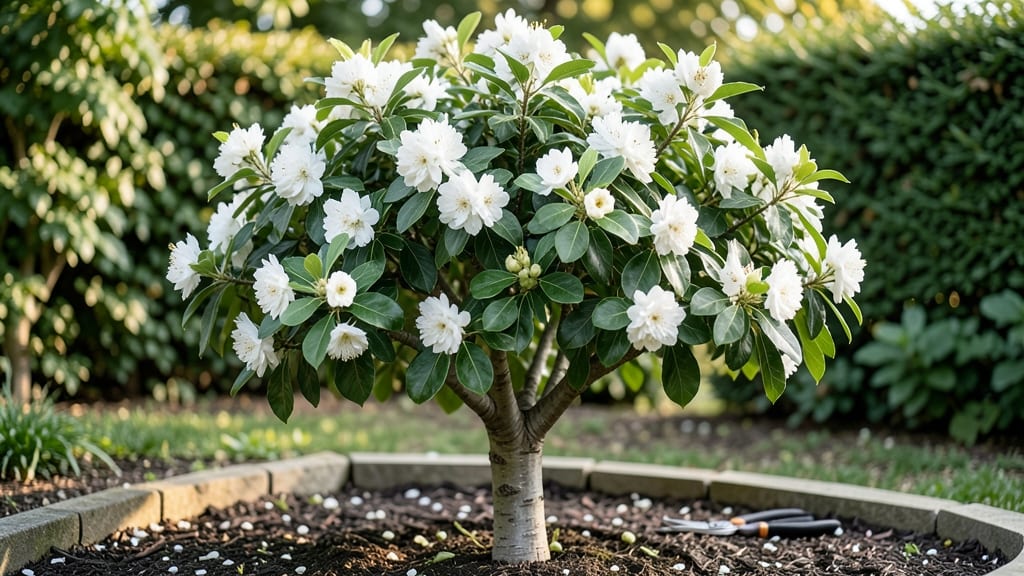
The Aristocrat flowering pear tree transforms any yard into a fragrant, four-season showpiece with its blushing pink blooms and fiery fall foliage. 🌸 I planted mine five years ago, and every spring, the scent of its blossoms still makes neighbors pause mid-step—it’s that intoxicating.
Unlike many ornamentals, this tree doesn’t just dazzle in spring; its exfoliating bark adds winter interest, while dense foliage provides summer shade.
This hardy tree thrives in USDA zones 5-9 and handles everything from city pollution to suburban soils, though it prefers well-draining earth and full sun. The real magic happens with pruning: a little attention in late winter and again after flowering keeps it compact, healthy, and blooming profusely.
My 15-foot specimen now fits perfectly in our front yard, its branches heavy with blossoms by April.
With proper care, you’ll end up with a tree that’s both a conversation starter and a functional landscape anchor. The fragrant canopy invites hummingbirds, the bark adds texture in winter, and its disease resistance means fewer headaches than many flowering trees.
Plus, it’s one of the few that actually delivers on its ornamental promises year after year.
Whether you’re planting a specimen or restoring an established tree, the key is timing and technique—we’ll cover both in detail. From shaping young trees to revitalizing mature ones, this approach keeps your Aristocrat looking effortlessly elegant with minimal work. Let’s get to it!
📚 In This Guide
- What you need
- Instructions
- Tips and common mistakes
- Wrapping up and next steps
What you need
- ● Pruning shears: Bypass pruners (sharp, 6–8" blades) for small branches (1–2 inches thick).
- ● Loppers: Bypass or anvil type (8–10" blades) for medium branches (2–4 inches thick).
- ● Pruning saw: Curved-tooth saw for thick branches (4+ inches thick).
- ● Gloves: Heavy-duty, cut-resistant gloves (gardening or pruning-specific).
- ● Disinfectant: 70% isopropyl alcohol or pruning sealant (to prevent disease spread).
- ● Ladder or step stool: Sturdy, extendable (if tree exceeds 8 feet).
- ● Heavy-duty trash bags: 3–5 gallon size (for debris cleanup).
- ● Sharpie or marker: Permanent marker (for tagging cuts if needed).
- ● Water & rag: For cleaning tools between cuts.
- ● Pruning rope: For securing branches during heavy cuts.
- ○ Tree wound dressing: (Controversial but useful for large cuts—optional).
- ● Safety glasses: If working near overhead branches.
- ● Extension pole pruners: For high branches (if no ladder).
- ● Notebook & pen: To sketch a pruning plan or track cuts.
Step-by-Step guide for pruning an Aristocrat flowering Pear tree
Here's my battle-tested approach to keep your tree blooming spectacularly year after year.
✂️ Step 1: Late Winter Cleanup (Dormant Season)
Start pruning in late winter while the tree is still dormant but buds are swelling. This is when you'll see the most dramatic improvement in next year's blooms. I always begin by removing any dead, diseased, or crossing branches first—these are easy to spot because they lack bark or have blackened cankers.
Use sharp bypass pruners to make clean cuts just outside the branch collar, the swollen area where the branch meets the trunk. Avoid leaving stubs—this is a common mistake that invites rot. For branches thicker than 1 inch, switch to a pruning saw and make the cut on the underside of the branch to avoid bark tearing.
Open up the center of the tree to improve airflow and sunlight penetration. Aristocrat pears need good circulation to prevent fungal issues. Aim to remove about 10-20% of the total canopy during this first pruning—never take more than that in one season, or you'll shock the tree.
☀️ Step 2: Summer Thinning (Bloom Season)
After the initial spring bloom, shift to light maintenance pruning in mid-to-late summer. This is when you'll thin out overcrowded branches to encourage larger, more fragrant flowers next season. Look for branches that are growing inward or rubbing against each other—these should be removed completely at their point of origin.
For water sprouts (those fast-growing vertical shoots), cut them back to a lateral branch. These shoots steal energy from flower production. I like to do this in late July or early August, giving the tree time to heal before winter. Always sterilize your tools with rubbing alcohol between cuts to prevent spreading disease.
Watch for suckers at the base of the tree—these are vigorous shoots growing from the roots. Remove them immediately, as they divert energy away from the main canopy. A sharp spade or pruners work best, cutting cleanly at the base without leaving any root stubs.
⏰ Step 3: Fall Refining (Pre-Winter Prep)
In early fall, focus on shaping and refining the tree's structure. This is when you'll see how your summer thinning paid off—you should now have an open, airy canopy. Remove any branches that are growing downward or crossing others, as these create weak points and reduce flower display.
For branches that need reducing rather than removing, cut back to a lateral branch that's at least 1/3 the diameter of the branch you're trimming. This encourages strong regrowth. Avoid heavy pruning after mid-September, as new growth won't have time to harden off before winter.
Here's the thing—Aristocrat pears bloom on both old and new wood, so you'll see flowers on branches from last year AND new growth. This makes fall pruning critical. Lightly shape the outer edges to maintain a rounded form, but avoid heavy cuts that could reduce next year's flower production.
🌿 Step 4: Post-Bloom Maintenance (Spring)
After the spring bloom, do a final light pruning in early June to remove any dead blooms and any branches that didn't produce well. This keeps the tree's energy focused on new growth rather than maintaining last year's structure. I always do this after the last frost, when new leaves are just starting to emerge.
Look for branches that grew too vigorously last year—these often have fewer flowers. Cut them back by about 1/3** to encourage a more balanced growth habit. For any branches that are diseased or showing signs of stress (yellowing leaves, dieback), remove them immediately and dispose of them in the trash—not the compost.
This is also when I check for any storm damage from winter winds. Aristocrat pears have strong wood, but heavy ice or high winds can break branches. Make clean cuts to remove any damaged wood, and seal larger wounds with pruning sealant to prevent decay.
Tips & tricks for pruning an Aristocrat flowering Pear tree
These battle-tested insights will help you transform your pruning routine from good to spectacular.
Timing is Everything: The late winter cleanup in Step 1 is your golden opportunity to set the stage for next year's blooms. I can't stress enough how critical this timing is—buds are just beginning to swell, meaning the tree is primed for dramatic improvement. If you miss this window, you'll see fewer flowers the following spring. The key is to prune when the tree is still dormant but those buds are visibly plumping up.
Branch Collar Precision: When making those clean cuts in Step 1, focus on the branch collar—the swollen area where the branch meets the trunk. This is where the tree's natural healing begins. I've seen too many gardeners leave stubs, which creates perfect entry points for diseases. For branches thicker than 1 inch, make your cut on the underside to prevent bark tearing. Think of it as giving your tree a clean surgical incision rather than a messy amputation.
Summer Pruning Strategy: In Step 2, when you're thinning those overcrowded branches, remember that less is often more. Aristocrat pears respond best to gradual shaping rather than dramatic transformations. I like to remove no more than 10% of the canopy during summer pruning—this prevents stress while still encouraging better airflow and sunlight penetration. The goal is to create an open, airy structure that lets light reach all parts of the tree, not to strip it bare.
Seasonal Tool Maintenance: Before you start any pruning season, take 10 minutes to sharpen your tools and sterilize them with rubbing alcohol. Dull blades tear rather than cut cleanly, which damages the tree. I keep a small bottle of rubbing alcohol in my gardening toolbox specifically for this purpose. Sterilizing between cuts prevents spreading diseases from one part of the tree to another—especially important when dealing with fungal issues that can plague flowering pears.
Pro Tips for Aristocrat Flowering Pear Tree
- These battle-tested insights will help you transform your pruning routine from good to spectacular.
- Timing is Everything: The late winter cleanup in Step 1 is your golden opportunity to set the stage for next year's blooms.
- Branch Collar Precision: When making those clean cuts in Step 1, focus on the branch collar—the swollen area where the branch meets the trunk.
Frequently asked questions
When is the best time to prune an Aristocrat Flowering Pear Tree?
The ideal time is late winter to early spring (before buds swell), but light pruning can also happen in summer after flowering. Avoid heavy pruning in fall—it can stimulate new growth that won’t harden off before winter. Pro tip: If you miss the window, a light trim in early spring is better than none at all!
How much can I prune without harming the tree?
For Aristocrat Flowering Pears, aim to remove no more than 25% of the canopy in a single session. Over-pruning stresses the tree and reduces next year’s blooms. Focus on dead, diseased, or crossing branches first, then thin out to improve airflow. Pro tip: Use sharp tools to make clean cuts—ragged edges invite pests!
Why aren’t my Aristocrat Flowering Pear Tree blooms as vibrant as they used to be?
Fading blooms often signal over-fertilizing (especially with high-nitrogen), poor pruning timing, or stress from pests/disease. Check for:
- Thinning blooms? Prune after flowering next year.
- Yellow leaves? Test soil pH (ideal: 6.0–7.0).
- No flowers? The tree may need more sunlight (6+ hours/day).
What should I do if my tree gets fire blight or borers?
Fire blight (blackened branches) and borers (sawdust-like frass) are common threats. Act fast:
- Fire blight: Cut 6–12 inches below infected areas, sterilize tools with rubbing alcohol, and dispose of debris in a sealed bag.
- Borers: Inject beneficial nematodes or use borer-specific sprays (like Bacillus thuringiensis).
Can I grow an Aristocrat Flowering Pear Tree in a container?
While possible, it’s not ideal—these trees grow 20–30 feet tall and have deep roots. If you must, choose a large (20+ gallon) container, use well-draining soil, and prune annually to control size. Pro tip: Move containers indoors during winter if temps drop below 10°F!
What’s a good alternative if I want a low-maintenance flowering tree?
If pruning feels overwhelming, consider these Aristocrat Flowering Pear doppelgängers:
- Bradford Pear – Hardy but prone to fire blight.
- Callery Pear (e.g., ‘Cleveland Select’) – Disease-resistant and compact.
- Japanese Snowbell – Fragrant blooms, slower growth, no messy fruit.
Wrapping up and next steps
The Aristocrat Flowering Pear Tree is a stunning addition to any landscape, offering year-round beauty with its fragrant blooms and lush foliage—but only with the right care. With the proper pruning techniques, you’ll maintain its health, shape, and vibrant display while preventing pests and diseases.
Now that you’re equipped with the knowledge, roll up your sleeves and give your tree the TLC it deserves!
🌿 Next step: Schedule your first pruning session during late winter or early spring—just be sure to follow the steps you’ve learned. Watch your tree thrive and become the showstopper of your garden! 🌸