
Pruning
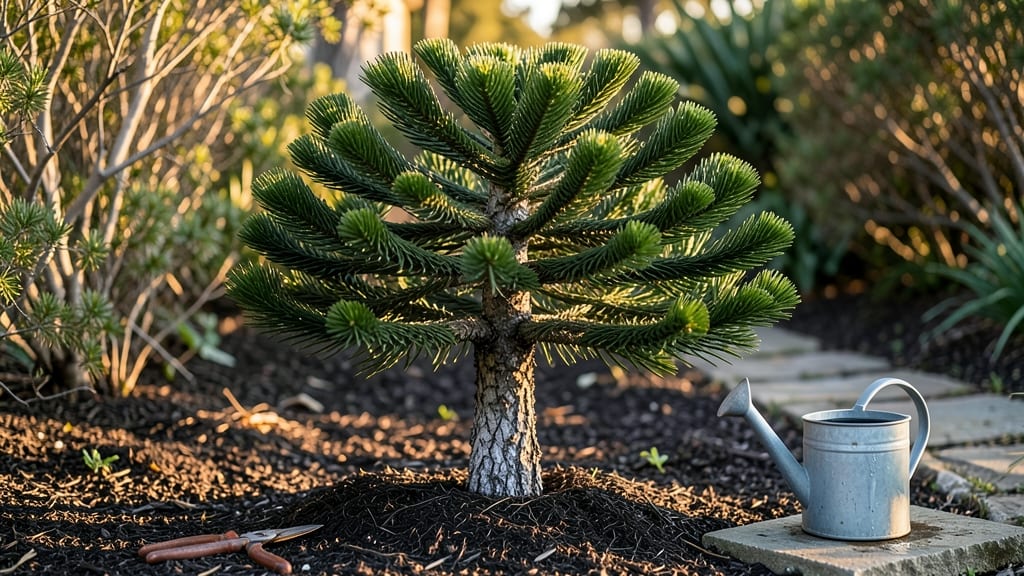
Growing this striking araucaria heterophylla tree in the Pacific Northwest means embracing its tropical roots while protecting it from our chilly winters. 🌿 I’ve learned the hard way that this tree thrives in containers, letting you bring it inside before the first frost or shield it with burlap when temperatures drop below 30°F. The key isn’t just pruning—it’s understanding how to balance its love for humidity with our dry coastal summers.
You’ll need well-draining soil, bright indirect light (or a south-facing window), and patience—this tree grows slowly but rewards you with glossy, fan-shaped leaves that stay vibrant year-round. The real secret? Pruning isn’t about shaping so much as removing dead branches and encouraging airflow to prevent fungal issues.
Even beginners can master this with just a few sharp cuts and regular inspections.
What you end up with is a frost-resilient indoor-outdoor star that adds year-round structure to your garden or home. The Norfolk Island Pine handles indoor air better than most tropicals, and with the right winter prep, it’ll bounce back stronger every spring.
Plus, its unique, feathery foliage makes it a conversation piece—no matter where you place it.
Whether you’re growing it as a houseplant or a protected outdoor specimen, the same care principles apply. The Pacific Northwest’s mild winters make outdoor culture possible with a little creativity, while indoor growers can enjoy its lush presence without worrying about frost. Let’s get your tree set up for success!
📚 In This Guide
- What you need
- Instructions
- Tips and common mistakes
- Wrapping up and next steps
What you need
- ● Pruning shears: Bypass pruners (sharp, 6-8" blades) for small branches.
- ● Loppers: 18-24" bypass loppers for medium branches (test for 2-3" cutting capacity).
- ● Pruning saw: 12-16" curved-tooth saw for thick branches (3"+ diameter).
- ● Extension pole: 6-10' telescoping pole with saw attachment (for high branches).
- ● Disinfectant: 70% isopropyl alcohol or pruning sealant (to prevent disease spread).
- ● Heavy-duty gloves: Cut-resistant, waterproof gloves (gardening-grade).
- ● Safety glasses: ANSI-rated for debris protection.
- ● Ladder: Sturdy, extendable ladder (rated for your height + 3' extra).
- ● Trash bags: 30-gallon contractor bags for debris (2-3 bags per session).
- ● Marking twine: Colored twine (for tagging branches to remove).
- ● Step stool: For stability when reaching low branches.
- ● Pruning rope: 1/4" poly rope (for lowering large branches).
- ● Tree wound dressing: (Controversial—skip if your region discourages it!)
- ● Camera/phone: To document before/after pruning (for tracking growth).
- ● First-aid kit: Bandages + antiseptic wipes (just in case!).
- ● Weather check: Prune on a dry, frost-free day (PNW’s mild winters allow late-winter pruning).
- ● Tree health: Avoid pruning if the tree shows signs of disease (e.g., oozing sap, fungal spots).
- ● Local regulations: Check if your area requires permits for large tree work.
- ● Safety brief: Clear a 10' radius around the tree and warn kids/pets! ⚠️
Step-by-Step pruning guide for frost-hardy Araucaria heterophylla trees
Here’s how to shape your Norfolk Island pine for resilience in cold climates.
🌿 Step 1: Assess the Tree’s Structure Before Pruning
Start by examining your Araucaria heterophylla for signs of frost damage—look for brown, brittle needles or dead branches. These trees handle cold better than many conifers, but their tips can scorch in below 15°F temperatures. Focus pruning on removing only the damaged sections first; healthy growth will emerge from lower buds.
Use clean, sharp pruning shears to make cuts at a 45-degree angle, just above a healthy bud or branch collar. Avoid cutting into old wood—you’ll see it’s lighter in color and lacks green tissue. If you’re unsure, wait until spring when new growth signals where to trim.
✂️ Step 2: Thin Out Crowded Branches for Airflow
This tree thrives with good airflow, especially in damp Pacific Northwest winters. Remove 10-20% of the innermost branches to reduce humidity buildup, which can lead to fungal issues. Start at the bottom and work upward, cutting branches that cross or rub against each other.
Never remove more than one-third of the tree’s foliage in a single session—this stresses the tree and makes it vulnerable to frost. After pruning, step back and check for sunlight gaps. If the canopy still looks too dense, repeat the process in 4-6 weeks for gradual thinning.
☀️ Step 3: Shape for Frost Resistance by Encouraging Strong Growth
Prune to create a pyramidal shape—this allows snow to slide off easily in winter, preventing branch breakage. Trim back overly long branches to one-third their length, cutting just above a lateral branch or bud. Avoid "lion’s tailing" (cutting all branches to one length), as this weakens the tree.
In late winter, apply a balanced, slow-release fertilizer (like 10-10-10) to stimulate new growth. Healthy, vigorous shoots are more frost-resistant than weak ones. Water deeply after pruning to help the tree recover, but avoid soggy soil—Araucaria heterophylla roots need good drainage.
⏰ Step 4: Time Pruning for Optimal Frost Recovery
Late winter or early spring (just before buds swell) is the best time to prune. This gives the tree 6-8 weeks to heal before summer heat arrives. Avoid pruning in fall—new growth won’t harden off properly before winter, making it more frost-sensitive.
If you must prune in late summer, do so 4-6 weeks before the first frost to allow wounds to callus over. Seal larger cuts (over ½ inch) with pruning sealant to prevent disease entry, but skip this for small cuts—the tree’s natural resin will protect it.
Tips & tricks for perfectly pruning your Araucaria heterophylla
These pro tips will help you transform your Norfolk Island pine into a frost-resistant powerhouse—without stressing the tree or yourself.
Tool Prep: Sterilize your pruning shears with rubbing alcohol before each cut to prevent disease spread. I learned this the hard way after losing a branch to bacterial infection—clean tools are non-negotiable. Also, sharpen your blades regularly; dull shears tear tissue instead of making clean cuts, which slows healing and invites pests. For larger branches, use a pruning saw with a fine-tooth blade to avoid splintering the wood.
Visual Cues for Healthy Cuts: When making your 45-degree cuts in Step 1, look for the "branch collar"—that swollen area where the branch meets the trunk. Cut just outside this collar, never flush against it. The collar contains healing tissues that help the wound seal faster. If you're unsure where to cut, wait until spring when new growth appears—this clearly marks where the branch originated.
Seasonal Timing Nuances: While late winter/early spring is ideal, Pacific Northwest microclimates vary wildly. If you're in a coastal area with milder winters, you might extend your window to early spring. Conversely, inland zones with colder snaps should prune earlier in late winter. The key is avoiding fall pruning entirely—new growth won't harden off properly before winter, making it frost-sensitive.
Fertilizer Application: When applying that 10-10-10 fertilizer in Step 3, scatter it evenly under the outer canopy—not just at the base. These trees have shallow roots that spread widely, so distribute nutrients where new growth will emerge. Water immediately after applying to help nutrients penetrate the soil, but avoid overwatering—the roots need good drainage to prevent rot.
Pro Tips for Araucaria Heterophylla Tree
- These pro tips will help you transform your Norfolk Island pine into a frost-resistant powerhouse—without stressing the tree or yourself.
- Tool Prep: Sterilize your pruning shears with rubbing alcohol before each cut to prevent disease spread.
- Visual Cues for Healthy Cuts: When making your 45-degree cuts in Step 1, look for the "branch collar"—that swollen area where the branch meets the trunk.
Frequently asked questions
How cold can an Araucaria heterophylla tolerate before frost damage occurs?
The Araucaria heterophylla is surprisingly resilient but typically struggles below 15°F (-9°C). In the PNW, young trees or newly planted specimens may need winter protection (like burlap wraps or mulch) during harsh freezes. Mature trees often recover better—just watch for browning needles, which signal stress. Pro tip: Prune lightly in late winter to reduce frost-sensitive growth.
When is the best time to prune my Araucaria heterophylla for frost resilience?
Prune in late winter or early spring (February–March), just before new growth starts. This timing helps the tree harden off before frost and removes weak branches that could ice over. Avoid pruning in fall—new growth is frost-vulnerable, and wounds won’t heal before winter. Use sterilized tools to prevent disease in cuts.
Can I prune my Araucaria heterophylla to encourage denser, frost-hardier growth?
Yes! Focus on selective pruning to open the canopy for airflow (reducing frost pockets) and remove crossing or dead branches. Avoid heavy topping—it stresses the tree and leaves it vulnerable. Instead, prune to shape naturally, prioritizing branches that block sunlight from the center (where frost lingers). Bonus: Fertilize lightly in spring to boost resilience.
My Araucaria heterophylla’s needles are browning after frost—how do I revive it?
Browning needles are often cosmetic and not fatal, but help your tree recover:
- Trim only dead branches (no green tissue) with clean cuts.
- Water deeply if soil is dry—stressed trees heal slower.
- Avoid fertilizing until new growth appears (usually spring).
- Protect from winter sunburn with shade cloth if needed.
Are there frost-hardier alternatives to Araucaria heterophylla for the PNW?
If you love the look but want more cold tolerance, consider:
- Pseudotsuga menziesii (Douglas fir): Handles 10°F (-12°C) and thrives in PNW climates.
- Thuja plicata (Western red cedar): Native, 20°F (-7°C) resistant, and low-maintenance.
- Picea glauca (White spruce): 30°F (-1°C) hardy with a similar evergreen silhouette.
Wrapping up and next steps
The Araucaria heterophylla—or Norfolk Island pine—is a stunning, frost-resilient addition to the Pacific Northwest’s landscapes. With the right pruning techniques, you’ll encourage healthy growth, vibrant foliage, and long-term resilience.
Whether you’re trimming for shape, removing dead branches, or promoting airflow, your efforts will pay off in a thriving, picturesque tree that stands the test of winter.
Ready to take the next step? Mark your calendar for late winter or early spring—just as new growth begins—and grab your tools. A little care now means years of enjoying this tropical-looking beauty in your outdoor space! 🌿✨