
Blooming
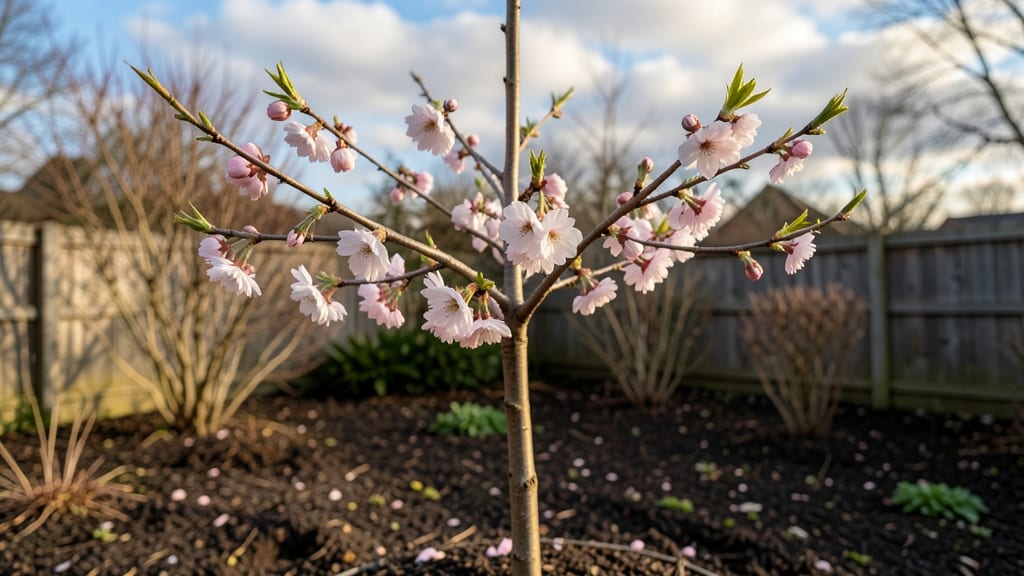
Planting a young cherry blossom tree means welcoming spring’s most breathtaking show with minimal fuss—those delicate pink blooms arrive reliably when you follow just a few key steps. I’ve nurtured these trees for years, and the secret isn’t complicated: it’s about sunlight, soil, and timing.
A single misstep in the first season can set you back, but once established, they’re practically carefree.
The right spot makes all the difference: full sun for at least 6 hours daily, well-draining soil, and protection from strong winds. My first tree nearly failed because I planted it too close to a foundation—roots need room to breathe.
Water deeply once a week the first year, then taper off as roots spread. Prune only to shape, never to force blooms—you’ll get those anyway in 3-5 years.
By spring of year two, you’ll see that first flush of blossoms—pale pink buds unfolding into clouds of petals that smell like childhood memories. The tree grows 12-20 feet in ideal conditions, with glossy green leaves that turn fiery red in fall.
Even in drought years, they bounce back faster than most ornamentals. The payoff? A backyard that feels like a Japanese garden, with almost no extra work.
Works in zones 5-8, though southern climates need afternoon shade to prevent leaf scorch. Avoid heavy clay soil—amend with compost if needed. Once you’ve planted yours, you’ll understand why these trees feel like magic: they bloom without asking for much in return.
📚 In This Guide
- What you need
- Instructions
- Tips and common mistakes
- Wrapping up and next steps
What you need
- ● Young cherry blossom tree: Bare-root (dormant season, fall/winter) or container-grown (spring/fall)
- ● Size: 3–6 feet tall (smaller trees adapt faster)
- ● Rootstock: Ensure it’s disease-resistant (e.g., Prunus avium or Prunus maackii rootstock)
- ● Planting site: Full sun (6+ hours/day)
- ● Well-draining soil (pH 6.0–7.0; amend clay soil with compost)
- ● Space: 15–20 feet from structures/walls (mature spread: 20–30 feet)
- ● Digging: Shovel (spade or digging shovel), garden fork (for aerating soil)
- ● Planting: Gloves (gardening), watering can/hose (gentle spray nozzle)
- ○ Support (optional): Tree stake (1-inch diameter, 6–8 feet tall) + soft tie (e.g., tree strap)
- ● Mulching: Organic mulch (2–4 inches of shredded bark or wood chips; keep 6 inches from trunk)
- ● Soil amendments (if needed): Compost (5–10 gallons), sulfur (for pH adjustment)
- ● Slow-release fertilizer (balanced 10-10-10 or acidic 8-3-9 for first year)
- ● Root stimulator (mycorrhizal fungi for transplant shock)
- ● Drip irrigation system (for consistent moisture)
- ● Pruning shears (sterilized, for shaping post-planting)
- ● Pest deterrents: Neem oil (for aphids/japanese beetles) or row covers (early spring)
How to care for a young cherry blossom tree in spring
Spring is when your young cherry blossom tree wakes up—here’s how to help it thrive with minimal fuss.
Prune for Shape and Health
Prune your tree in late winter or early spring before buds swell. Use clean, sharp pruning shears to remove any dead, crossing, or diseased branches first. I always start at the bottom and work upward, removing no more than 25% of the tree’s total branches at once. This prevents stress and keeps the tree strong.
Next, shape the tree by cutting back any branches that grow inward or rub against others. Make cuts just above a outward-facing bud or branch junction. Avoid cutting too close to the trunk—leave at least ¼ inch of stem to prevent disease entry. You’ll notice new growth sprout from the pruned areas within a few weeks.
Fertilize for Vibrant Blooms
Apply a balanced, slow-release fertilizer (like 10-10-10) in early spring as new growth begins. Scatter the granules evenly under the tree’s drip line, then water deeply to activate them. Avoid fertilizing if the soil is still frozen—roots need to be active to absorb nutrients.
For young trees, I use about ½ pound of fertilizer per inch of trunk diameter. Water again after application to help the granules dissolve into the soil. You’ll see fresh, green leaves emerge within 2-3 weeks, signaling the fertilizer is working. If leaves appear yellow, that’s a sign of over-fertilizing—cut back on future applications.
Water Deeply and Mulch
Water your tree deeply once a week during dry spells, aiming for 1-1½ inches of water per session. Young trees need consistent moisture to establish roots, so check the soil 6 inches deep with your finger—if it’s dry, water again. Avoid shallow watering, which encourages weak roots near the surface.
Spread 2-3 inches of mulch (like bark or wood chips) around the base, keeping it 3-4 inches away from the trunk to prevent rot. Mulch helps retain moisture and regulates soil temperature. Replenish mulch as it breaks down, and you’ll notice fewer weeds popping up around your tree.
Protect Against Pests and Diseases
Inspect your tree regularly for signs of pests like aphids or borers. Aphids cluster on new shoots and leaves, while borers create small holes in the bark. If you spot them, spray with neem oil or insecticidal soap—both are safe for young trees and effective against common pests.
Prevent fungal diseases by avoiding overhead watering, which can leave leaves damp too long. If you notice brown spots on leaves or black mold on branches, prune affected areas immediately and apply a copper-based fungicide as a preventive measure. Healthy trees resist pests better, so keep up with pruning and watering.
Monitor for Spring Stress
Young cherry blossom trees can struggle with sudden temperature swings in spring. If nights dip below 32°F, cover the tree with a lightweight frost cloth to protect blossoms and leaves. Remove the cloth during the day to avoid overheating.
Watch for signs of stress like wilting leaves or leaf drop. These can signal overwatering, underwatering, or even transplant shock if you recently moved the tree. Adjust your care routine based on what you observe—cherry blossoms are resilient, but they need consistent conditions to bloom beautifully.
Tips & tricks for perfect young cherry blossom tree care
Here's what I've learned after helping several young cherry blossom trees thrive—these small details make all the difference for stunning spring blooms.
Pruning Precision: When shaping your tree in Step 1, look for branches that grow at sharp angles or cross each other—these are prime candidates for removal. I always make my cuts just above a bud that faces outward, which encourages healthy new growth in the right direction. The key is patience: if you remove too much at once, the tree will struggle to recover. Remember, those new shoots you'll see within a few weeks are your reward for careful pruning.
Fertilizer Timing: In Step 2, timing is everything with fertilizer. I've seen many people eager to feed their trees too early, when the soil is still cold. Wait until you see those first tender leaves pushing through the bark—that's your cue to apply the fertilizer. The ½ pound per inch of trunk diameter is perfect for young trees, but if you notice yellowing leaves within 2-3 weeks, that's your signal to cut back next time. Think of it like feeding a growing child: too much too soon does more harm than good.
Watering Wisdom: Step 3's deep watering is crucial, but there's a trick to doing it right. Instead of just eyeballing 1-1½ inches of water, I use a rain gauge or even a tuna can to measure. Place it near the tree before watering to get an accurate amount. And here's what nobody tells you—water slowly so it has time to soak in rather than running off. This encourages roots to grow deeper, making your tree more resilient against drought.
Pest Prevention: When inspecting for pests in Step 4, focus on the undersides of leaves and new shoots—aphids love to hide there. I've found that a weekly spray of diluted neem oil (just 1 teaspoon per quart of water) keeps pests at bay without harming beneficial insects. And if you do spot any issues, act fast. Aphids might seem harmless, but they can quickly weaken a young tree by sucking out sap and spreading diseases.
Pro Tips for Young Cherry Blossom Tree
- Here's what I've learned after helping several young cherry blossom trees thrive—these small details make all the difference for stunning spring blooms.
- Pruning Precision: When shaping your tree in Step 1, look for branches that grow at sharp angles or cross each other—these are prime candidates for removal.
- Fertilizer Timing: In Step 2, timing is everything with fertilizer.
Frequently asked questions
Got questions about nurturing a young cherry blossom tree? You're not alone! Here are some of the most common inquiries—plus straightforward answers to help you grow a thriving, low-maintenance beauty.
How fast does a young cherry blossom tree grow?
A young cherry blossom tree typically grows 6 to 12 inches per year during its first few years, with faster growth (up to 2 feet annually) once established. Growth speed depends on sunlight, soil quality, and care. Prune lightly in late winter to encourage a fuller shape without stunting growth. Pro tip: Mulch around the base to retain moisture and nutrients for steady growth!
When is the best time to plant a young cherry blossom tree?
Plant your tree in early spring or fall (4-6 weeks before the first frost) for the best results. Avoid planting in extreme heat or cold, as these conditions stress young roots. Choose a day with overcast skies or light rain to reduce transplant shock. If planting in summer, water deeply every 2-3 days to keep the soil moist. Warning: Never plant during frost or drought!
How much sunlight does a young cherry blossom tree need?
Cherry blossom trees thrive in full sun (6+ hours daily), but young trees can tolerate partial shade (4-6 hours) if protected from harsh afternoon sun. Too little light leads to sparse blooms, while too much can stress the tree in hot climates. If planting in a shady spot, opt for a dwarf variety like 'Okame' for better adaptation.
Why aren’t my young cherry blossom tree’s leaves turning green?
Pale or yellow leaves often signal nutrient deficiencies (like nitrogen or iron), overwatering, or poor drainage. Check the soil pH (ideal: 6.0–7.0) and amend with compost or a balanced fertilizer. Yellowing edges may also mean underwatering—water deeply once a week (more in dry spells) and mulch to retain moisture. Fix it: Test soil and adjust care based on results!
Can I grow a cherry blossom tree in a pot?
Yes! Dwarf varieties like 'Shirofugen' or 'Amanogawa' thrive in large containers (15+ gallons) with well-draining soil. Use a fast-draining potting mix and repot every 2–3 years. Place the pot in full sun and water when the top inch of soil feels dry. Just know: Potted trees may bloom slightly less than in-ground plants. Bonus: Move pots indoors during winter if temps drop below 10°F!
Wrapping up and next steps
A young cherry blossom tree isn’t just a springtime spectacle—it’s a low-maintenance, rewarding addition to any garden or landscape. With the right care, you’ll enjoy delicate blooms, graceful branches, and years of beauty with minimal fuss.
Whether you’re a seasoned gardener or just starting out, this tree offers easy elegance and a touch of nature’s magic.
Ready to plant your own piece of spring? Start by choosing the perfect spot, gathering your supplies, and following the simple steps outlined above. Before you know it, you’ll be savoring the sweet scent of blossoms while enjoying the joy of nurturing life. Happy planting! 🌸