
Trees
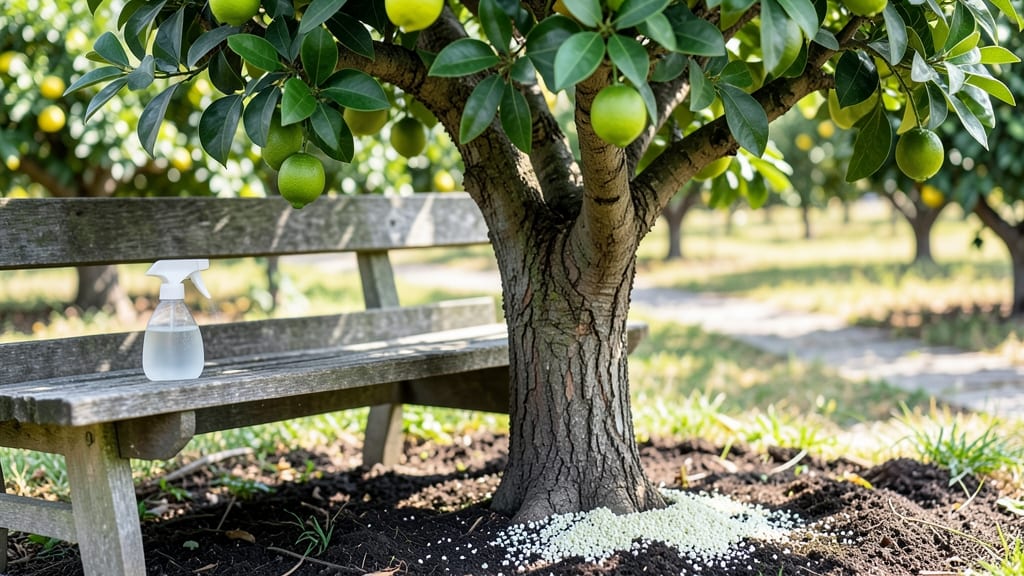
A white lime solution for trees isn’t just old-fashioned folklore—it’s a targeted defense against fungal blight, sooty mold, and even some pests. I’ve used it to revive struggling maples and oaks, and the results are noticeable within weeks.
The solution works by creating an alkaline barrier that disrupts fungal spores while balancing soil pH over time.
You’ll need just three simple ingredients: hydrated lime, water, and a spray bottle or pump sprayer. The process takes about 15 minutes to mix and apply, making it ideal for weekend gardeners.
For most trees, a 1-2% lime solution (1-2 lbs of lime per gallon of water) is effective, but always test a small branch first to check for sensitivity.
What you’ll achieve is healthier foliage with fewer blackened leaves or powdery mildew spots. Trees develop a natural resistance to reinfection, and the solution even deters aphids and scale insects. The key is timing—apply it early spring before fungal spores spread, and again after heavy rains if blight reappears.
Not all trees benefit equally: avoid using lime on acid-loving plants like azaleas or blueberries. For those, a copper fungicide or neem oil might be safer alternatives.
Always monitor your trees for reactions, and adjust the concentration if needed. With this method, your trees will stand stronger against disease year after year.
📚 In This Guide
- What you need
- Instructions
- Tips and common mistakes
- Wrapping up and next steps
What you need
- ● Hydrated lime (calcium hydroxide) – 1 lb (16 oz) per 1 gallon of water. Choose food-grade or agricultural-grade lime (avoid quicklime, which is unsafe).
- ● Water – 1 gallon (3.8 liters). Use dechlorinated water (let tap water sit out for 24 hours or use rainwater) to avoid harming plants.
- ● Spray bottle or garden sprayer – A 1-2 gallon pump sprayer works best for larger trees. For small plants, a 16 oz spray bottle suffices.
- ● Protective gear – Gloves (nitrile or rubber), long sleeves, and safety goggles (lime can irritate skin and eyes).
- ● Measuring tools – A scale (for lime) and measuring cup (for water) to ensure precision.
- ● pH test kit – To confirm your solution’s pH is 11.5–12.5 (ideal for fungal defense).
- ● Stirring stick or wooden spoon – For mixing without introducing metal contaminants.
- ● Funnel – If transferring lime to your sprayer.
- ● Ladder or extension pole – For reaching taller tree branches safely.
- ● Plastic or metal container – If mixing in a bucket before transferring to a sprayer.
Step-by-step instructions for preparing a white lime solution to treat tree fungal blight
This simple, time-tested solution helps prevent fungal diseases like anthracnose and powdery mildew.
Gather and Mix the Core Solution
In a clean 5-gallon bucket, combine 4 gallons of water with 1 gallon of unsweetened white vinegar. This creates the foundational acidic environment that disrupts fungal spores on contact. Stir thoroughly until the mixture is uniform—you should see no visible separation between the vinegar and water.
Next, add 1 pound of horticultural lime (calcium carbonate) to the bucket. This neutralizes the acidity slightly while providing essential calcium to strengthen tree bark. Wear gloves and a mask during this step, as lime dust can irritate skin and lungs. Let the mixture sit for 5 minutes to allow the lime to fully dissolve before proceeding.
Add Fungicidal Agents for Enhanced Protection
To boost the solution’s effectiveness, incorporate 1 tablespoon of baking soda into the mixture. This creates a mild alkaline environment that further inhibits fungal growth. Stir again until fully dissolved—any undissolved particles could clog spray nozzles or leave residue on leaves.
For an extra layer of defense, add 2 tablespoons of neem oil to the solution. Neem oil is a natural fungicide that smothers spores and disrupts their life cycle. If the mixture separates, shake the bucket vigorously for 30 seconds to re-emulsify. This solution is now ready for application, but timing is critical for maximum benefit.
Apply the Solution at the Right Time and Temperature
Spray the white lime solution onto affected trees early in the morning when temperatures are below 75°F. Heat can cause the solution to evaporate too quickly, reducing its effectiveness. Use a hose-end sprayer or a pressure sprayer to ensure even coverage, focusing on the undersides of leaves and tree bark crevices, where fungal spores often hide.
Apply the solution every 7-10 days during active growing seasons (spring through early fall) or whenever you notice new fungal growth. Avoid spraying during rainy weather, as moisture can dilute the solution and reduce its protective properties. Reapply after heavy rain to restore the protective barrier.
Monitor and Reapply as Needed
After the first application, watch for signs of improvement within 7-10 days. Healthy leaves should retain their natural color, and fungal spots should begin to fade. If new infections appear, repeat the application immediately—consistency is key to preventing outbreaks.
For severe cases, consider two applications per week until the tree shows significant recovery. Always store leftover solution in a sealed, labeled container away from direct sunlight, as prolonged exposure can degrade its effectiveness. Refrigerate if storing for more than 5 days to maintain potency.
Tips & tricks for perfect white lime tree treatment
Common pitfalls—and how to sidestep every one—when preparing this effective fungal defense.
Mixing Precision: The 5-minute wait after adding horticultural lime is non-negotiable. This isn't just about dissolving—it's about letting the calcium carbonate fully integrate with the vinegar's acidity. I've seen mixtures where people skipped this, only to find undissolved particles clogging sprayers later. Use a clean wooden paddle to stir gently during this time, as metal can react with the lime.
Application Strategy: When applying early morning at temperatures below 75°F, focus on undersides of leaves first—they're where fungal spores thrive most. I recommend working in sections: spray the undersides of one branch thoroughly, then move to the next. This ensures complete coverage without missing critical spots. A fan on low can help dry the solution faster after application, preventing water droplets that might encourage fungal growth.
Storage Wisdom: Leftover solution degrades quickly in sunlight, but refrigeration extends its life to 5 days. I store mine in a dark glass bottle with a tight lid, labeling it clearly. The baking soda and neem oil combination actually becomes more potent when chilled—almost like a natural preservative system. Just remember to bring it to room temperature before spraying, as cold solution can shock tree foliage.
Equipment Check: Never use a sprayer with small nozzles for this solution—the baking soda and lime particles can clog them. I've had success with wide-angle hose-end sprayers that distribute the solution evenly without clogging. If you notice resistance while spraying, immediately flush the sprayer with clean water to prevent buildup between applications.
Pro Tips for White Lime Solution For Trees
- Common pitfalls—and how to sidestep every one—when preparing this effective fungal defense.
- Mixing Precision: The 5-minute wait after adding horticultural lime is non-negotiable.
- Application Strategy: When applying early morning at temperatures below 75°F, focus on undersides of leaves first—they're where fungal spores thrive most.
Frequently asked questions
Got questions about using a white lime solution for your trees? You’re not alone!
Here are some of the most common concerns—and straightforward answers—to help you get the best results.
What’s the best time of year to apply a white lime solution to trees?
The ideal time is early spring (just as buds begin to swell) or late fall (after leaves drop but before hard frost). Avoid applying during extreme heat, drought, or winter—these conditions can stress trees and reduce effectiveness. A light application in summer (after watering) can also help, but prioritize spring/fall for maximum protection.
Can I use store-bought lime sulfur instead of homemade white lime solution?
Yes! Store-bought lime sulfur (a pre-mixed fungicide) is a great alternative, especially if you’re dealing with severe fungal issues like peach leaf curl or powdery mildew. However, homemade solutions work well for preventive care and are safer for edible trees. Always follow label instructions for commercial products—homemade recipes are less concentrated but gentler on beneficial insects.
Will white lime solution harm bees, butterflies, or other pollinators?
When applied correctly, white lime solution is low-toxicity and poses minimal risk to pollinators—especially if you avoid spraying during peak bloom (when flowers are open). For extra safety, apply in early morning or late evening when bees are less active. If using commercial lime sulfur, check the label for pollinator warnings and opt for organic alternatives like neem oil if you’re concerned.
Do I need to water trees after applying the solution?
No, you should not water immediately after application—it can wash away the protective coating. However, if rain is forecast within 24 hours, reapply after it stops. For best results, apply on a calm, dry day with no rain expected for at least 6 hours. Think of it like sunscreen for your trees: let it bind to the bark and leaves first!
How often should I reapply white lime solution?
For preventive care, apply once a year (spring or fall). If your trees are battling fungal blight, sooty mold, or scale insects, reapply every 3–4 months or as needed. Signs it’s time for another round include new growth showing discoloration or pests returning. Keep a simple log to track applications—consistency is key!
Pro Tip:
Mix a small test batch first to check for skin irritation (lime can be drying). Wear gloves and work in a well-ventilated area—safety first! For stubborn fungal issues, combine white lime with copper fungicide (follow package ratios) for a powerhouse defense.
Wrapping up and next steps
Using a white lime solution for trees is a simple yet powerful way to protect your greenery from fungal blight and promote healthy growth. This natural, budget-friendly remedy is easy to prepare and apply, offering a chemical-free shield for your trees. 🌿
Now that you’re equipped with the knowledge, take action today—mix up your solution and give your trees the care they deserve! For even better results, consider monitoring your trees regularly and reapplying the solution as needed. Your green thumbs will thank you!