
Trees
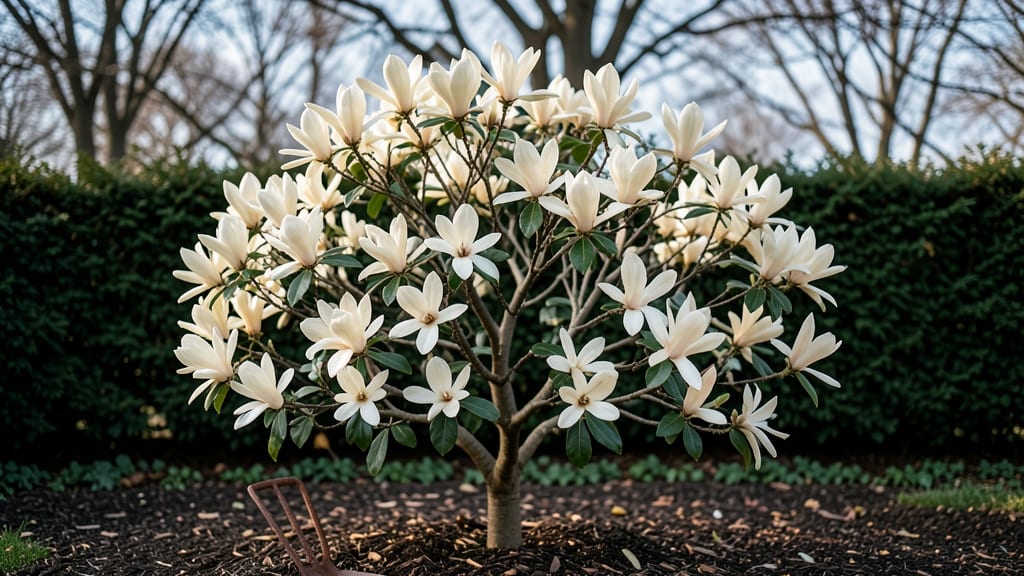
Michigan’s spring skies need a white flowering tree to steal the show—white flowering trees turn your yard into a dreamy, cloud-like canopy that lasts for weeks. 🌸 I remember planting my first serviceberry tree after years of dreary, brown winters, and within months, the branches were heavy with delicate white blossoms that brightened the entire neighborhood.
The best part? These trees thrive in Michigan’s climate without fuss, offering both beauty and practical benefits like wildlife support and low-maintenance growth.
Native options like the serviceberry and white ash (though invasive in some areas) are hardy down to zone 3, while adaptable choices like crabapple varieties shine in full sun to partial shade.
They bloom in late spring, just when Michigan’s air finally feels warm enough to dream about outdoor living again. Plant them near patios or entryways to create a stunning first impression, or use them as focal points in larger landscapes where their height and branching structure add drama.
Once established, these trees require minimal care—just regular watering for the first year and an occasional pruning to shape their growth. The payoff? A yard that feels like a postcard every spring, with bees and butterflies drawn to the blooms and birds feasting on the berries that follow.
You’ll love how they transform even the simplest landscape into something magical without requiring constant attention.
For sourcing, check local Michigan nurseries like Michigan Bulb or Star Hill Nursery for native-adapted varieties, or ask at your county extension office for region-specific recommendations. These trees aren’t just pretty—they’re the backbone of a resilient, low-effort landscape that keeps giving back season after season.
📚 In This Guide
- What you need
- Instructions
- Tips and common mistakes
- Wrapping up and next steps
What you need
- ● White flowering tree seedlings or saplings: Choose from Michigan-friendly varieties like Crabapple (Malus spp.), Dogwood (Cornus florida), or Magnolia (Magnolia stellata). Quantity: 1–3 trees (depending on yard size).
- ● High-quality potting soil or native Michigan soil mix: 1–2 bags (10–20 lbs each) for planting or amending soil.
- ● Organic mulch (pine bark or wood chips): 2–3 cubic feet to retain moisture and suppress weeds.
- ● Slow-release fertilizer (balanced 10-10-10 or tree-specific): 1–2 lbs for young trees.
- ● Shovel or spade: For digging planting holes (12–18 inches wide/deep).
- ● Garden gloves: Heavy-duty to protect hands from thorns or rough bark.
- ● Wheelbarrow or bucket: For mixing soil/fertilizer or transporting materials.
- ● Watering can or hose with nozzle: 5+ gallons of water per tree initially.
- ● Measuring tape: To ensure proper spacing (15–25 feet between mature trees).
- ● Tree stakes & ties: For young, top-heavy trees (e.g., Dogwood).
- ● Soil pH tester: To check acidity/alkalinity (ideal: 6.0–7.0 for most white bloomers).
- ● Tree guards or protective netting: To deter deer/browsing animals.
- ● Pruning shears: For shaping or removing dead branches post-planting.
How to select and plant white flowering trees for Michigan landscapes
Here’s how to choose and establish showstopping white-blooming trees that thrive in Michigan’s climate.
🌱 Step 1: Choose Trees Perfect for Michigan’s Growing Zones
Michigan’s zones 4-6 demand cold-hardy species that handle snow, fluctuating spring temperatures, and summer humidity. My top picks for reliable white blooms include serviceberry (Amelanchier), white dogwood (Cornus florida), and crabapple (Malus)—all known for their resilience and seasonal interest.
Serviceberry thrives in partial shade and tolerates clay soil, while dogwood prefers well-drained sites with morning sun. Crabapple varieties like ‘Royalty’ or ‘Sargent’ offer disease resistance and vibrant fall color. Check your specific zone on the USDA map—zone 5 (most of Michigan) is ideal for these varieties.
☀️ Step 2: Select Planting Locations Based on Light and Space Needs
White flowering trees need full sun to partial shade, but their placement depends on the species. Dogwoods and serviceberry perform best with 4-6 hours of morning sun, while crabapples crave full sun for optimal blooms. Avoid low spots where water pools—root rot is the silent killer of young trees.
Measure mature heights and spread (e.g., dogwood reaches 20-30 feet tall with a 25-foot spread). Plant at least 15 feet from structures to prevent root conflicts and allow airflow, which reduces fungal diseases. Michigan’s windy springs mean staking young trees until they establish—1-2 years is standard.
🪴 Step 3: Dig Holes and Plant at the Right Depth
Dig a hole twice as wide as the root ball but no deeper—planting too deep suffocates roots. Amend native soil with 2 inches of compost mixed into the bottom of the hole for drainage. Avoid heavy amendments like peat moss, which compact over time.
Remove the tree from its container and loosen circling roots gently with your fingers. Position it so the top of the root flare sits 1-2 inches above ground level—this prevents stem rot. Backfill with native soil, tamping lightly every 6 inches to eliminate air pockets. Water deeply until the soil settles.
💧 Step 4: Water and Mulch for First-Year Establishment
Newly planted trees need 1 inch of water per week (more in Michigan’s dry summers). Use a soaker hose or drip irrigation to deliver moisture directly to roots—surface watering wastes resources and encourages weeds. Check soil moisture by sticking your finger 2 inches deep; if dry, water again.
Apply 3 inches of mulch (wood chips or shredded bark) over the root zone, keeping it 6 inches away from the trunk. Mulch retains moisture and regulates soil temperature, but too much suffocates roots. Replenish mulch annually—it breaks down faster than you think.
✂️ Step 5: Prune for Shape and Health in Early Spring
Wait until bud swell (just before leaves emerge) to prune—this minimizes stress. Remove dead, crossing, or weak branches first, cutting back to a healthy lateral branch or bud. For dogwoods, thin the canopy to improve airflow and reduce powdery mildew risk.
Shape the tree by opening the center to sunlight—this encourages stronger growth. Avoid heavy pruning; no more than 25% of the canopy should be removed in a single season. Seal cuts larger than ½ inch with pruning sealant to prevent disease entry points.
Tips & tricks for perfect white flowering trees in Michigan
Creating a stunning spring canopy doesn't have to be complicated—these insights will help you avoid common pitfalls and maximize your trees' potential.
Species Selection Wisdom: When choosing between serviceberry, dogwood, and crabapple, consider their unique characteristics beyond just white blooms. Serviceberry's berries provide fall wildlife benefits while dogwoods offer year-round interest with their distinctive bark and fall color. For maximum impact, mix species—plant dogwoods as focal points, serviceberry as understory accents, and crabapple varieties along borders where their compact size works well.
Location Strategy: The 4-6 hours of morning sun recommendation for dogwoods and serviceberry is non-negotiable for optimal blooming. However, I've found that positioning these trees slightly east of their ideal location can extend their sunlight exposure by 30-45 minutes—just be mindful of potential afternoon heat stress. For crabapples, consider their mature spread when planning; their 25-foot width means they'll need significant space to prevent root competition with other plants.
Planting Depth Secret: The 1-2 inches above ground level recommendation for the root flare is critical—this small margin prevents stem rot while allowing proper root establishment. I've seen many gardeners overlook this detail, leading to poor growth. To verify proper depth, imagine the tree's natural growth position in its native environment; that's your target. For container-grown trees, gently remove the root ball's outer wrapping to check for circling roots before planting.
First-Year Care: The 1 inch of water per week guideline is perfect for establishing roots, but Michigan's clay soils often need adjustment. I recommend checking soil moisture every 3-4 days during the first summer—clay holds moisture longer than you might expect. For newly planted trees, I've had success using a moisture meter to verify when watering is truly needed, rather than relying solely on the finger test. This prevents both underwatering and the risk of root suffocation from overwatering.
Pro Tips for White Flowering Trees Michigan
- Creating a stunning spring canopy doesn't have to be complicated—these insights will help you avoid common pitfalls and maximize your trees' potential.
- Species Selection Wisdom: When choosing between serviceberry, dogwood, and crabapple, consider their unique characteristics beyond just white blooms.
- Location Strategy: The 4-6 hours of morning sun recommendation for dogwoods and serviceberry is non-negotiable for optimal blooming.
Frequently asked questions
Got questions about adding white flowering trees to your Michigan yard? You’re not alone! Here are some of the most common queries—plus straightforward answers to help you make the best choices for your landscape.
What are the best low-maintenance white flowering trees for Michigan’s climate?
Look for hardy varieties like the Hawthorn (Crataegus spp.), Serviceberry (Amelanchier spp.), or Crabapple (Malus spp.). These thrive in Michigan’s zones (4-6) with minimal fuss—just prune annually to shape them and watch for pests like aphids. Check our materials guide for soil prep tips!
When is the ideal time to plant white flowering trees in Michigan?
Spring (April–May) or early fall (September–October) are perfect. Avoid winter planting—frozen soil can stress roots. If you’re planting in summer, water deeply 2–3 times weekly to keep the soil moist until roots establish. Pro tip: Mulch around the base to retain moisture and regulate temperature.
Can I grow white flowering trees in containers or small yards?
Dwarf varieties like the Japanese Snowbell (Styrax japonica) or Weeping Cherry (Prunus subhirtella) work well in containers (15+ gallon pots) or tight spaces. Just ensure pots have drainage holes and use a high-quality potting mix. See our section on containers for size recommendations!
What pests or diseases should I watch for with white flowering trees?
Common issues include aphids, scale insects, and powdery mildew. Monitor leaves regularly and treat early with neem oil or insecticidal soap. For fungal diseases, improve airflow by pruning dense branches. Pro tip: Choose disease-resistant cultivars (e.g., ‘Radiant’ Crabapple) to reduce risks.
How can I extend the blooming season of my white flowering tree?
Select trees like the Bradford Pear (Pyrus calleryana) or Korean Dogwood (Cornus kousa), which bloom early spring and sometimes rebloom in fall. Prune lightly after flowering to avoid cutting off next year’s buds. Bonus: Plant near a water source to attract pollinators, which can boost flower production!
Wrapping up and next steps
Michigan’s white flowering trees bring effortless beauty to your yard, transforming spring into a stunning, low-maintenance display. From the delicate blooms of the Crabapple to the bold charm of the Saucer Magnolia, these trees offer year-round interest with minimal fuss.
Whether you’re a seasoned gardener or just starting, adding one of these trees is a rewarding way to elevate your outdoor space.
Ready to plant your perfect tree? Start by researching the best varieties for your climate and soil, then visit a local nursery to pick out your new addition.
With the right care, your white flowering tree will thrive and become the centerpiece of your garden for years to come! 🌸