Pruning
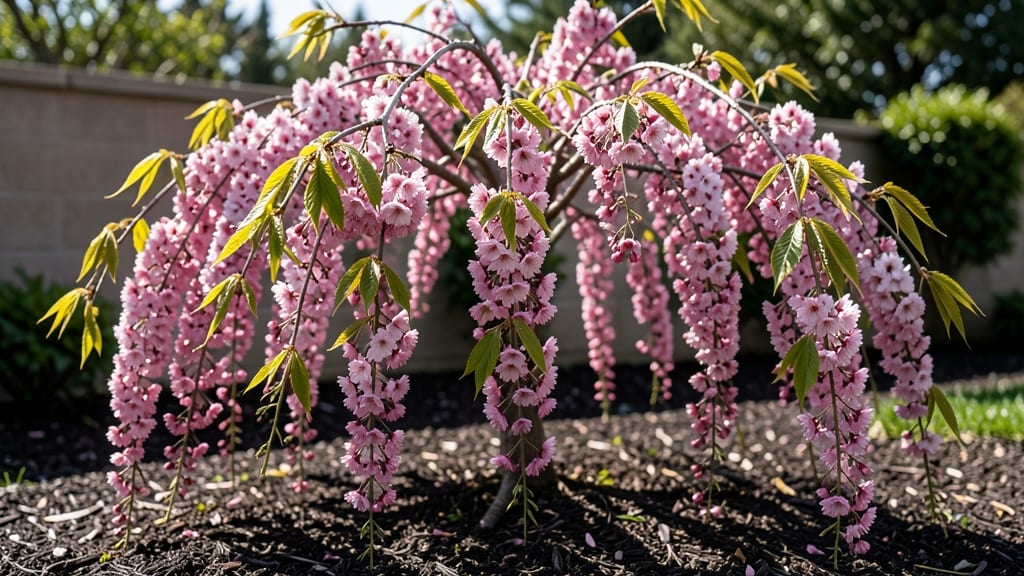
Summer pruning your weeping cherry tree isn’t just about shaping branches—it’s about setting up next year’s showstopping blooms while keeping your tree healthy through the heat. I’ve learned the hard way that cutting at the wrong time can stress the tree, leaving it vulnerable to drought or pests.
The key is timing: late summer, after the main flush of flowers, is when you should trim to encourage strong new growth without sacrificing next spring’s delicate blossoms.
You’ll need just a few tools: sharp bypass pruners for clean cuts, a ladder if your tree is tall, and maybe some gloves to handle the occasional thorn. The goal is to remove only dead, crossing, or overly long branches—never more than 25% of the canopy at once.
Think of it as a light haircut, not a buzz cut. This approach keeps the tree’s energy focused on root growth and storing up nutrients for winter.
What you’ll end up with is a tree that looks stunning year-round, with denser branches and fewer weak spots where pests can take hold.
The pruning itself takes about 30 minutes for a mature tree, and the results—fewer broken limbs, more vibrant foliage, and bigger blooms next spring—are worth every minute. Plus, you’ll avoid the heartbreak of a tree struggling through summer because it was over-pruned earlier.
This method works for weeping cherries in zones 5-8, whether you’re dealing with the classic Prunus subhirtella or newer varieties like ‘Kwanzan.’ Just adjust for your local heat—water deeply after pruning, and keep an eye out for sunburn on young leaves.
Summer care is all about balance, and this pruning strategy gives you that edge.
📚 In This Guide
- What you need
- Instructions
- Tips and common mistakes
- Wrapping up and next steps
What you need
- ● Pruning shears: Bypass pruners (sharp, clean, and sterilized with rubbing alcohol or bleach solution—1:9 ratio—to prevent disease). Size: 6–8 inches for small branches.
- ● Loppers: For thicker branches (½–1½ inches in diameter). Quantity: 1 pair (extendable handles help with reach!).
- ● Pruning saw: For branches >1½ inches. Type: Curved-tooth saw for clean cuts.
- ● Gloves: Heavy-duty, cut-resistant (e.g., Mechanix or Wolverine). Quantity: 1 pair (bring an extra if working in hot sun!).
- ● Disinfectant wipes: Alcohol or bleach wipes (for sterilizing tools between cuts). Quantity: 5–10 wipes.
- ○ Pruning sealant: Optional but helpful for larger cuts (>½ inch). Type: Tree wound dressing (e.g., Tanglefoot Tree Wound Pruning Seal).
- ● Ladder or step stool: Sturdy and tall enough to reach the tree’s canopy safely. Height: 6–10 feet (adjust based on tree size).
- ● Trash bags: Heavy-duty (20–30 gallon) for debris. Quantity: 2–3 bags.
- ● Hand saw: For stubborn, oversized branches (if loppers aren’t up to the task).
- ● Rag or towel: For quick cleanups and wiping sap off tools.
- ● Sunscreen & hat: Summer pruning = sun protection! SPF: 30+ recommended.
- ● Water & snacks: Hydration breaks keep you (and the tree!) happy.
- ● Notebook & pen: To sketch a quick pruning plan or jot down notes on branch angles.
How to prune a weeping cherry tree in late summer
This is the time to shape your tree for next spring’s spectacular blooms.
Assess the Tree’s Structure and Health
Start by examining your weeping cherry tree from all sides, looking for branches that have outgrown their space or are crossing awkwardly. Focus on removing any dead, diseased, or damaged wood first—these stand out as brown, brittle limbs or ones with peeling bark and no leaves. I always scan for water sprouts (thin, vertical shoots) that steal energy from the main canopy.
Next, identify branches that are rubbing against others—these will eventually create wounds where pests can enter. You’ll also spot branches growing straight up instead of following the tree’s natural weeping shape. These need attention to maintain that graceful, cascading form. Use a small notebook to jot down which branches to trim, labeling them by direction (north, east, etc.) to avoid confusion later.
Gather Tools and Prepare for Trimming
You’ll need sharp, clean pruning tools: bypass pruners for branches up to ½ inch thick, and a pruning saw for thicker limbs. Disinfect your tools with rubbing alcohol before starting to prevent spreading disease between cuts. I like to wear gloves—weeping cherries can have thorns, and the bark is rough on bare hands.
Set up a clean workspace with a tarp or old sheet beneath the tree to catch falling leaves and debris. This makes cleanup easier and keeps your yard tidy. If you’re working on a ladder, secure it firmly and avoid overreaching—balance is key when trimming high branches. Have a bucket or bag ready to collect the trimmed branches for disposal or composting.
Remove Dead, Diseased, or Damaged Branches
Begin by cutting out any dead, diseased, or damaged branches completely back to the trunk or a healthy lateral branch. Make your cuts just outside the branch collar (the swollen area where the branch meets the trunk) at a 45-degree angle to allow water to run off. Avoid leaving stubs—these can rot and invite pests. If a branch is diseased, bag it immediately and dispose of it in the trash, not the compost.
For larger branches, use the three-cut method: First, make an undercut about 1-2 feet out from the trunk on the underside of the branch. Then, cut through the top of the branch about ½ inch beyond the undercut. Finally, remove the remaining stub by cutting just outside the branch collar. This prevents the branch from tearing the bark as it falls. You’ll notice the tree’s structure becomes clearer as you work—this is your reward for careful pruning.
Shape the Tree for Next Year’s Blooms
Now focus on shaping the tree to encourage next spring’s flowers. Start by thinning out branches that are growing straight up or inward—they’ll compete with the weeping branches for sunlight and nutrients. Aim to remove about 10-20% of the tree’s canopy total, never more than 25% in one season, to avoid stressing the tree. You’ll see the weeping branches naturally cascade downward, so prioritize keeping those long, graceful limbs.
For branches that are too long, make your cuts just above a bud or lateral branch that’s growing in the desired direction. This encourages new growth in the right place. Avoid cutting back to old wood—you want to maintain the tree’s vigor. Step back frequently to check your progress; the goal is a balanced, open canopy that lets sunlight reach the lower branches, which will produce more blooms.
Clean Up and Monitor the Tree
After pruning, clean up all debris and dispose of it properly—don’t leave branches on the ground, as they can harbor pests or diseases. Wipe down your tools with rubbing alcohol again to keep them ready for next time. Water the tree deeply at the base to help it recover from the stress of pruning. You’ll want to keep the soil moist for the next 2-3 weeks, but avoid overwatering, which can lead to root rot.
Monitor the tree over the next few weeks for any signs of stress, like yellowing leaves or oozing sap at the pruning cuts. If you see these signs, reduce watering slightly and avoid fertilizing until the tree shows new growth. This is the time to admire your work—your weeping cherry tree is now set up for a stunning display of blooms next spring. Just remember, late-summer pruning is about preparation, not immediate results.
Tips & tricks for perfect weeping cherry tree summer pruning
Late-summer shaping sets the stage for next year's breathtaking blooms—here's how to do it right without stressing your tree.
Pruning Timing: Late summer is ideal because it allows the tree to heal before winter dormancy. The 10-20% canopy reduction mentioned in Step 4 is critical—this percentage gives you flexibility based on your tree's size while preventing stress. If your tree looks particularly vigorous, you can lean toward the lower end (10%) to maintain its energy balance.
Tool Technique: For the three-cut method in Step 3, I recommend marking your cuts with a piece of chalk before making them. This prevents accidental over-cutting when removing the final stub. Also, keep your pruners at a 45-degree angle—this isn't just for looks, it helps water runoff and prevents moisture buildup at the cut site, which can lead to disease.
Visual Pruning Cues: When shaping in Step 4, look for branches that form a "V" shape when viewed from below—they're growing toward the center and should be removed. For the weeping branches, aim to create a natural cascade by keeping the longest limbs at the outer edges. This creates that elegant, fountain-like shape we all love.
Post-Pruning Care: The 2-3 week soil moisture period in Step 5 is non-negotiable. I've seen trees recover beautifully after pruning when given this consistent moisture, but I've also seen stressed trees when homeowners either overwatered or let the soil dry out completely. A simple finger test—pushing your finger 2 inches into the soil—tells you if it's time to water.
Pro Tips for Weeping Cherry Tree Summer
- Late-summer shaping sets the stage for next year's breathtaking blooms—here's how to do it right without stressing your tree.
- Pruning Timing: Late summer is ideal because it allows the tree to heal before winter dormancy.
- Tool Technique: For the three-cut method in Step 3, I recommend marking your cuts with a piece of chalk before making them.
Frequently asked questions
Got questions about late-season pruning of weeping cherry trees? You’re not alone! Here are answers to the most common queries to help you trim with confidence—so your tree stays healthy and blooms beautifully next summer.
When is the absolute latest I can prune my weeping cherry tree in summer?
Prune your weeping cherry tree no later than mid-to-late July to avoid cutting off next year’s flower buds. Summer pruning after this window risks removing potential blooms for spring. Aim for early to mid-summer (June–July) for the best results while still encouraging new growth.
Will summer pruning hurt my tree’s winter hardiness?
If done correctly, summer pruning won’t harm winter hardiness—just avoid heavy cuts. Focus on light shaping and deadwood removal to reduce stress. Over-pruning in late summer can expose the tree to cold damage, so keep cuts to 10–15% of the canopy max.
Can I prune a weeping cherry tree in summer if it’s not blooming yet?
Yes! Summer is ideal for structural pruning (e.g., removing crossing branches or water sprouts) even if your tree hasn’t bloomed. Just avoid pruning after flowering (spring) or before mid-July. Non-blooming trees benefit from summer trims to encourage airflow and sunlight.
What’s the best alternative if I miss summer pruning?
If you miss summer, late winter (dormant season) is your next best option—prune before buds swell (Feb–March). Avoid spring pruning, as it can trigger heavy sap flow and stress the tree. For urgent fixes (e.g., storm damage), prune anytime but seal cuts with pruning sealant.
My weeping cherry tree is bleeding sap after pruning—is this normal?
Yes, but it’s not ideal! Sap bleeding is common in cherry trees but can weaken the tree. To minimize it:
- Prune on a cool, cloudy day (not hot/windy).
- Use sharp tools to make clean cuts.
- Apply pruning sealant to cuts >½ inch thick.
Wrapping up and next steps
Late-season pruning of your weeping cherry tree isn’t just about shaping—it’s an investment in next summer’s breathtaking blooms! 🌸 By removing dead wood, thinning crowded branches, and encouraging airflow, you’re setting the stage for a healthier, more vibrant tree.
Remember, precision and timing are key, so take your time and enjoy the process.
Ready to transform your weeping cherry tree into a stunning summer showstopper? Grab your pruners and start planning your next pruning session—your future blooms will thank you! Pro tip: Mark your calendar for late summer or early fall to keep the magic alive.