
Trees
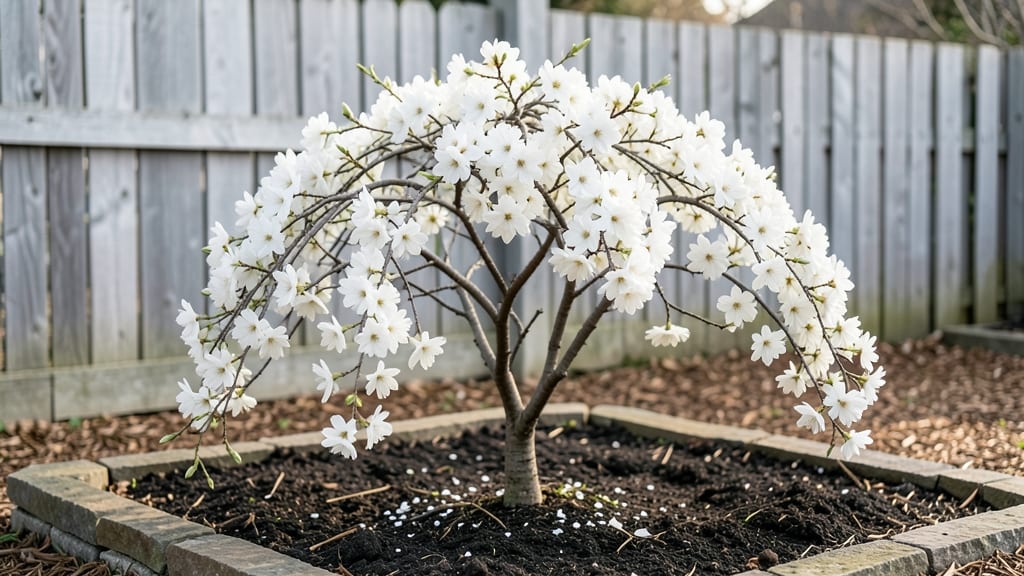
A white flowering almond tree turns your Pacific Northwest garden into a fragrant spring paradise with its delicate blossoms and silvery foliage. I planted mine last fall, and by March, the air was thick with that sweet almond scent—something you won’t find in most nurseries.
The key to getting those showstopping blooms starts with the right spot and soil prep, not just wishful thinking.
This tree thrives in well-draining soil and full sun, making it perfect for the PNW’s mild winters and long growing seasons. Unlike fussy ornamentals, it handles our damp springs surprisingly well—just avoid waterlogged roots.
Prune in late winter before buds swell, and you’ll encourage more blooms next year. My tree now gets 10-12 hours of sunlight daily, and the difference in flower production is night and day.
By late spring, you’ll have a canopy of snow-white blossoms that attract bees and hummingbirds, plus silvery-green leaves that stay lush all summer. The trade-off? It’s not the fastest grower—patience pays off with a sturdy 15-foot tree in 5-7 years.
With proper care, this tree becomes the centerpiece of your garden, not just another pretty face.
Common mistakes? Overwatering in winter (it’s drought-tolerant once established) and pruning at the wrong time (never after blooms fade). The PNW’s mild climate means fewer pest issues, but watch for aphids on new growth—spray with soapy water if you see them clustering. Your neighbors will ask where you got yours!
📚 In This Guide
- What you need
- Instructions
- Tips and common mistakes
- Wrapping up and next steps
What you need
- ● White flowering almond tree (Prunus glandulosa ‘Alba’ or similar cultivar): Bare-root (1–3 gallons) or container-grown (3–5 gallons)—choose a healthy specimen with vibrant buds.
- ● Planting site: Full sun (6+ hours/day) in well-draining soil (sandy loam ideal).
- ● Space: 10–15 feet from structures, fences, or other trees (account for mature spread).
- ● Tools: Shovel or spading fork (for digging).
- ● Garden trowel (for root adjustment).
- ● Pruning shears (sterilized, for shaping).
- ● Watering can or hose with gentle nozzle (1–2 gallons per watering).
- ● Amendments (if needed): Compost or aged manure (1–2 buckets mixed into planting hole).
- ● Gravel or sand (if soil is clay-heavy, blend 20% into backfill).
- ● Mulch: 2–3 inches of wood chips or pine bark (keep 6 inches away from trunk).
- ● Soil test kit (to check pH—ideal range: 6.0–7.0).
- ● Tree stakes & ties (if planting in windy areas).
- ● Slow-release fertilizer (e.g., 10-10-10, apply in early spring).
- ● Drip irrigation system (for consistent moisture in dry spells).
- ● Bird netting (to protect flowers from hungry critters during bloom).
Step-by-step guide for planting and caring for a white flowering almond tree
This fragrant beauty thrives in the Pacific Northwest’s mild climate with proper planting and care.
Select and Prepare the Planting Site
The white flowering almond tree (Prunus glandulosa) needs full sun exposure—at least 6-8 hours of direct sunlight daily—to produce its signature fragrant blossoms. In the Pacific Northwest, where summers are warm but not scorching, choose a location sheltered from strong coastal winds that can stress young trees.
Test the soil drainage before planting. These trees despise soggy roots, so dig a hole and fill it with water. If it drains slowly after 30 minutes, amend the soil with 3-4 inches of coarse sand or gravel mixed into the native soil. The ideal planting spot also offers 6-8 feet of clearance around the tree to accommodate its mature spread.
Plant the Tree at the Right Depth and Stake for Support
Dig a hole twice as wide as the root ball but no deeper than the container’s depth. Gently remove the tree from its container and loosen any circling roots with your fingers—this encourages outward growth. Place the tree in the hole so the top of the root ball sits level with or slightly above ground level.
Backfill with the native soil, tamping lightly every 4-6 inches to eliminate air pockets. Water deeply to settle the soil, then stake the tree if needed—young almond trees benefit from one or two stakes positioned on opposite sides of the trunk, tied loosely with soft tree ties (never wire, which can girdle the trunk as it grows).
Water Deeply and Apply Mulch to Retain Moisture
After planting, water the tree thoroughly—enough to moisten the soil 12-18 inches deep. In the Pacific Northwest’s damp climate, overwatering is a common mistake, but young trees need consistent moisture for root establishment. Water once a week during the first growing season, adjusting for rain—1-2 inches of water per week is ideal.
Spread 3-4 inches of organic mulch (like wood chips or bark) over the soil surface, keeping it 6 inches away from the trunk to prevent rot. Mulch conserves soil moisture, regulates temperature, and suppresses weeds—critical for the tree’s first 2-3 years as it establishes a strong root system.
Prune for Structure and Encourage Blooms
Prune your white flowering almond tree in late winter or early spring, just before buds swell but before new growth begins. Remove any dead, diseased, or crossing branches, then thin the canopy to improve airflow—this reduces humidity-related diseases like powdery mildew. Aim to open the center of the tree to sunlight, which encourages robust flowering.
For young trees, focus on structural pruning: select 3-5 main branches to form the scaffold, cutting back to an outward-facing bud. Avoid heavy pruning—never remove more than 25% of the canopy in one season. The tree’s natural shape is elegant, so minimal intervention keeps it healthy and blooming.
Fertilize and Monitor for Pests
In early spring, apply a balanced, slow-release fertilizer (10-10-10 or similar) around the drip line of the tree, following label instructions. Almond trees are light feeders—over-fertilizing leads to excessive leaf growth at the expense of flowers. In the Pacific Northwest, where soil is often nutrient-rich, fertilization may not be necessary after the first year.
Watch for aphids, scale, or spider mites, which can stress young trees. Treat infestations early with horticultural oil or insecticidal soap, applied in the early morning or evening to avoid harming beneficial insects. Healthy trees, however, are less susceptible to pests—so prioritize proper watering, mulching, and pruning.
Tips & tricks for perfect white flowering almond tree planting
These insights will help you create an ideal environment for your fragrant almond tree to thrive in Pacific Northwest conditions.
Sunlight Strategy: While the instructions specify 6-8 hours of direct sunlight daily, I recommend positioning your tree where it receives morning sun and afternoon shade during our region's summer heat. The Pacific Northwest's coastal winds can stress young trees, so consider planting near a natural windbreak like a fence or hedge on the western side. This balances sunlight exposure with wind protection for optimal bloom production.
Drainage Test: The 30-minute drainage test is critical—don't skip it! I've seen many gardeners overlook this step, only to have soggy soil problems later. For particularly dense soils, consider creating a raised bed or planting mound to improve drainage. This elevation helps prevent root rot while maintaining the proper moisture balance that white flowering almond trees need to establish strong roots.
Pruning Precision: When selecting your 3-5 main scaffold branches in Step 4, look for branches that form a natural vase shape. Cut just above an outward-facing bud at a 45-degree angle to encourage proper healing. I've found that making these cuts in late winter—when the tree is still dormant but buds are just beginning to swell—gives the tree ample time to heal before spring growth begins.
Mulch Maintenance: The 3-4 inches of organic mulch should be replenished annually as it breaks down. I recommend using cedar chips or pine bark for their natural pest-repellent properties. Keep the mulch ring 6 inches away from the trunk to prevent moisture buildup that could lead to rot. This simple maintenance helps maintain consistent soil moisture and temperature throughout the critical 2-3 year establishment period.
Pro Tips for White Flowering Almond Tree
- These insights will help you create an ideal environment for your fragrant almond tree to thrive in Pacific Northwest conditions.
- Sunlight Strategy: While the instructions specify 6-8 hours of direct sunlight daily, I recommend positioning your tree where it receives morning sun and afternoon shade during our region's summer heat.
- Drainage Test: The 30-minute drainage test is critical—don't skip it!
Frequently asked questions
Got questions about growing a stunning white flowering almond tree in your Pacific Northwest garden? You’re not alone! Here are answers to the most common queries—so you can enjoy fragrant blooms with confidence.
How cold-hardy is a white flowering almond tree?
A white flowering almond tree thrives in USDA Zones 6-9, making it ideal for the Pacific Northwest’s mild winters. While young trees may need winter protection (like burlap wraps), established trees handle frost well. Just avoid planting in frost pockets where cold air settles.
When is the best time to plant a white flowering almond tree?
Plant in early spring or fall for best results. Spring planting (after last frost) gives roots time to establish before summer heat, while fall planting (6-8 weeks before frost) allows roots to settle before winter. Avoid planting in extreme heat or cold.
How fast does a white flowering almond tree grow?
Expect moderate growth—about 12-24 inches per year under ideal conditions. With proper care (sunlight, water, and soil), it can reach 20-30 feet tall over 10-15 years. Prune annually to shape and encourage blooms!
Are there non-fruiting alternatives to the white flowering almond?
Yes! If you love the blooms but not the nuts, consider Prunus glandulosa ‘Alba’ (Almond Leaf Cherry) or Prunus triloba (Fringe Tree). Both offer white flowers, are low-maintenance, and thrive in PNW climates. Just confirm they’re non-toxic to pets if that’s a concern.
What pests or diseases should I watch for?
Common issues include aphids, spider mites, and peach leaf curl. Monitor leaves for yellowing or sticky residue. Treat aphids with a hose spray or neem oil. For leaf curl, apply copper fungicide in late fall as a preventative measure.
Wrapping up and next steps
Adding a white flowering almond tree to your Pacific Northwest garden isn’t just about beauty—it’s about creating a fragrant, low-maintenance masterpiece that thrives in your climate. 🌸 From its delicate blossoms to its adaptable nature, this tree brings year-round interest with minimal fuss.
Whether you’re a seasoned gardener or just starting, its resilience and charm make it a perfect choice for any outdoor space.
Ready to transform your garden? Start by selecting the right variety for your zone, then gather your tools and soil amendments. With a little care, you’ll soon be enjoying the sweet scent of spring—and maybe even a few edible almonds!
Plant yours today and watch your landscape bloom with effortless elegance. 🌿