Blooming
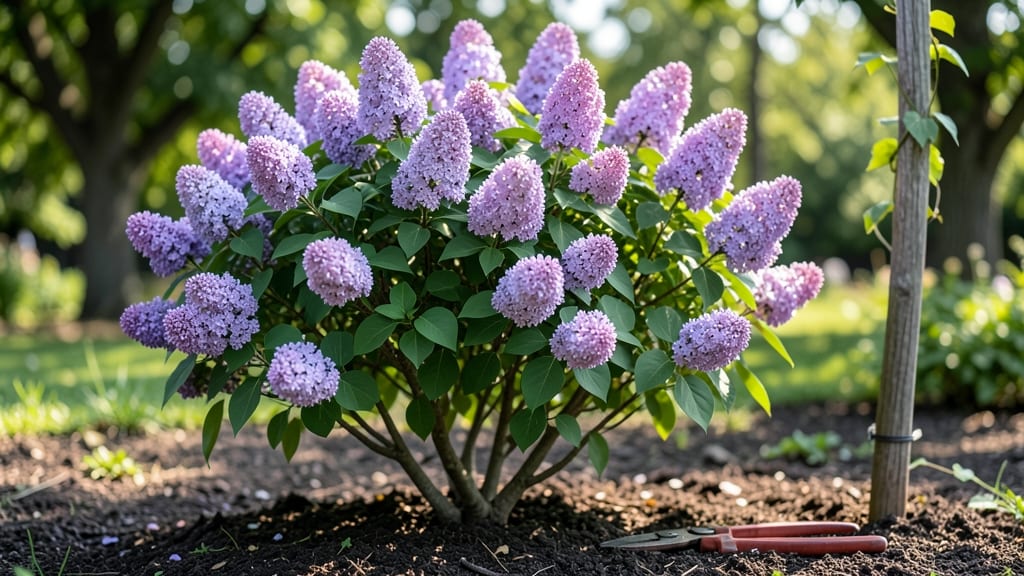
Your lilac tree’s bloom time arrives like clockwork every spring—usually 4-6 weeks after the last frost, when daytime temperatures hit a steady 60-70°F. I remember the first time my lilacs burst into purple clouds in early May, turning my backyard into a fragrant spring sanctuary.
The timing varies slightly by variety, but most common types (like 'Katherine Havemeyer' or 'Mme. Lemoine') follow this rhythm.
Climate plays a huge role—lilacs in cooler northern zones (like USDA Zone 3-5) often bloom 2-3 weeks earlier than those in warmer southern zones (Zone 7+). Pruning also shifts the schedule: cutting back after blooming encourages next year’s flowers to appear earlier, while over-pruning can delay them.
My lilacs now bloom a full week ahead of neighbors’ because I prune strategically in late summer.
To stretch that fragrant canopy longer, mulch around the base to keep roots cool and water deeply once a week during dry spells. If blooms arrive late, check for last year’s flower buds—they need winter chill (300-600 hours below 45°F) to set properly.
A light fertilizer in early spring can also give them a boost.
Whether you’re in the Pacific Northwest or the Deep South, lilacs reward patience with weeks of intoxicating fragrance. The key is observing your tree’s habits and adjusting care accordingly. Once you nail the timing, you’ll have a showstopping spring display year after year.
📚 In This Guide
- What you need
- Instructions
- Tips and common mistakes
- Wrapping up and next steps
What you need
- ● Lilac Tree: 1-3 saplings (common varieties: Syringa vulgaris, Syringa meyeri, or Syringa oblata)
- ● Size: 1-3 ft tall for young plants; mature trees (5-10 ft) for instant blooms
- ● Planting Supplies: 1 shovel (for digging)
- ● 1 garden trowel (for delicate root work)
- ● 2-3 gallons of well-draining potting mix or native soil amended with compost (50% soil, 50% compost)
- ● 1 mulch (2-3 inches of shredded bark or pine straw)
- ● Watering Tools: 1 watering can (1-2 gallons) or garden hose with adjustable nozzle
- ○ 1 soaker hose (optional, for deep watering)
- ● Fertilizer: 1 balanced fertilizer (10-10-10 or 20-20-20, 1 tbsp per plant)
- ○ 1 slow-release granular fertilizer (optional, for year-round nutrients)
- ● Pruning Tools: 1 pair of bypass pruners (for clean cuts)
- ● 1 hand saw (for thicker branches, if needed)
- ● 1 tree support stake (for young saplings in windy areas)
- ● 1 tree guard (to protect from pests like deer or rabbits)
- ● 1 pH testing kit (to ensure soil pH is 6.0-7.0, ideal for lilacs)
- ● 1 slow-release bloom booster (e.g., Epsom salt or magnesium sulfate, 1 tbsp per plant)
- ● 1 fragrant-scented companion plants (e.g., lavender, roses, or catmint for a sensory garden)
How to time lilac tree blooming for a fragrant spring display
With the right care, your lilac tree will burst into bloom right on schedule—here’s how to ensure it.
Prune Correctly After the First Bloom
Lilacs bloom on old wood, meaning last year’s growth produces this year’s flowers. The moment blooms fade, trim 1-2 inches above a leaf bud—never cut into old wood. This encourages next season’s flower buds to form properly. I use clean, sharp pruners to avoid tearing branches, which invites disease. Wait until late spring or early summer when new growth has hardened off.
If your lilac hasn’t bloomed yet, don’t panic—it may still be establishing. But if it’s mature and skipping blooms, over-pruning last year’s stems is usually the culprit. Look for thick, woody branches—these are your flower producers. Thin out crowded stems to improve airflow, which also prevents fungal issues.
Feed and Water for Optimal Bud Formation
Apply a balanced, slow-release fertilizer (10-10-10) in early spring before buds swell. Lilacs thrive in well-draining soil but don’t need heavy feeding—too much nitrogen promotes leafy growth at the expense of flowers. Water deeply once a week during dry spells, ensuring the top 12 inches of soil stay moist but not soggy.
Here’s the thing—lilacs are drought-tolerant once established, but bud formation requires consistent moisture. If your tree struggles to bloom, check the soil: if it’s dry 6 inches down, it’s time to water. Mulch with 2-3 inches of organic material (like shredded bark) to retain moisture and regulate soil temperature.
Monitor Light and Temperature for Peak Bloom
Lilacs need full sun (6-8 hours daily) for robust blooms. If yours is in partial shade, expect fewer, smaller flowers. Prune nearby trees or shrubs to open the canopy—lilacs hate competition. In zones 3-7, they bloom in late spring (April-May), but cold snaps can delay it.
Watch for bud swell in early spring—that’s your first sign blooms are coming. If a late frost threatens, cover the tree with frost cloth until danger passes. Lilacs are hardy, but tender buds can’t survive freezing temperatures. Once buds open, they’ll last 7-10 days at peak fragrance.
Encourage Repeat Blooming (If Variety Allows)
Not all lilacs rebloom, but some varieties (like ‘Bloomerang’) will produce a second flush of flowers if you prune lightly after the first bloom. Cut back one-third of the oldest stems to just above a bud, leaving the rest intact. This redirects energy for a second round of blooms later in summer.
Real talk: Repeat blooming is unpredictable, but it’s worth a try if you love your lilac’s fragrance. Avoid heavy pruning—it exhausts the tree. Instead, focus on consistent care (water, fertilizer, and sunlight) to keep it healthy enough for a second show.
Tips & tricks for perfect lilac tree bloom timing
Timing is everything when it comes to coaxing your lilac tree into a spectacular spring display. Here’s what I’ve learned after years of working with these fragrant beauties to ensure you get that lush, fragrant canopy every season.
Pruning Precision: In Step 1, when you’re pruning those 1-2 inches above leaf buds, focus on making clean cuts at a slight angle just above the bud. This small detail ensures the bud won’t dry out and gives it the best chance to develop into next year’s flowers. I’ve seen many gardeners accidentally cut too close to the bud or leave ragged edges—both can stress the plant and reduce blooming potential. Use sharp pruners and make the cut just above where the bud meets the stem, not at the base.
Fertilizer Timing is Critical: The early spring application of that 10-10-10 fertilizer in Step 2 should happen exactly when you see those first signs of bud swell—usually around late February to early March in most zones. This timing gives the tree just enough nutrients to support bud development without overstimulating leafy growth. If you fertilize too early, you risk promoting new growth that could be damaged by late frosts. For established trees, I often split the recommended amount into two applications: half in early spring and half after the first bloom.
Light Competition Watch: Step 3 mentions the importance of full sun, but here’s what nobody tells you—lilacs are particularly sensitive to competition from surrounding vegetation. Even partial shade from nearby trees or shrubs can reduce flower production by up to 40%. I recommend pruning back any competing plants in late winter to give your lilac unobstructed access to sunlight. This isn’t just about the 6-8 hours of direct sun—it’s about the quality of that sunlight throughout the day.
Frost Protection Strategy: When those buds begin to swell in early spring, keep frost cloth handy. The key is to cover the tree when nighttime temperatures drop below 32°F, but remove it during the day to allow sunlight. I’ve found that using a lightweight frost cloth (not plastic) allows sunlight to penetrate while still providing protection. The goal is to shield those tender buds without creating a greenhouse effect that could encourage fungal growth. Timing is everything—cover at dusk and uncover by mid-morning.
Pro Tips for Lilac Tree Bloom Time
- Timing is everything when it comes to coaxing your lilac tree into a spectacular spring display.
- Pruning Precision: In Step 1, when you’re pruning those 1-2 inches above leaf buds, focus on making clean cuts at a slight angle just above the bud.
- This timing gives the tree just enough nutrients to support bud development without overstimulating leafy growth.
Frequently asked questions
about lilac tree bloom time—because timing is everything when it comes to those dreamy purple clouds!When do lilacs typically bloom?
Most lilac trees bloom in late spring, usually between April and May, depending on your climate zone. Early bloomers may appear as soon as March in warmer regions, while northern areas might see flowers in early June. Cold snaps can delay blooming, so patience is key!
How long does a lilac bloom last?
The vibrant show usually lasts 1 to 2 weeks, but some varieties (like Katherine Havard) can linger for 3+ weeks if weather cooperates. Prune spent blooms to encourage a second, lighter flush later in the season—though it’s not as dramatic!
Can I control lilac bloom time?
Not completely, but you can prune strategically to shape blooming. Prune right after flowering to promote next year’s blooms, or trim lightly in late winter to encourage earlier (but smaller) flowers. Avoid heavy pruning—lilacs bloom on old wood, so patience pays off!
What if my lilac isn’t blooming?
No flowers? Check these fixes:
- Age: Young lilacs (under 3 years) may wait—give them time!
- Pruning: Over-pruning or cutting back too late can stunt blooms.
- Nutrients: Feed with high-phosphorus fertilizer in early spring.
- Sunlight: Lilacs need 6+ hours of sun daily.
Are there early-blooming lilac alternatives?
Yes! If you crave color sooner, try:
- Dwarf lilacs (e.g., Munchkin)—bloom in March–April.
- Mock orange (Philadelphus)—fragrant white blooms in May–June.
- Weigela—showy pink/purple flowers in April–May.
Wrapping up and next steps
Watching your lilac tree burst into fragrant bloom is one of spring’s sweetest rewards! 🌸 With the right care—like choosing the perfect variety, providing well-drained soil, and pruning at the right time—you can enjoy that iconic purple canopy in just 4-6 weeks.
Whether you’re a seasoned gardener or a newbie, these tips will help you nurture a showstopping lilac that fills your yard with color and scent for years to come.
Ready to transform your garden? Start small: Pick one variety, prep your soil, and give your lilac the love it deserves this season. Happy planting! 🌱