
Pruning
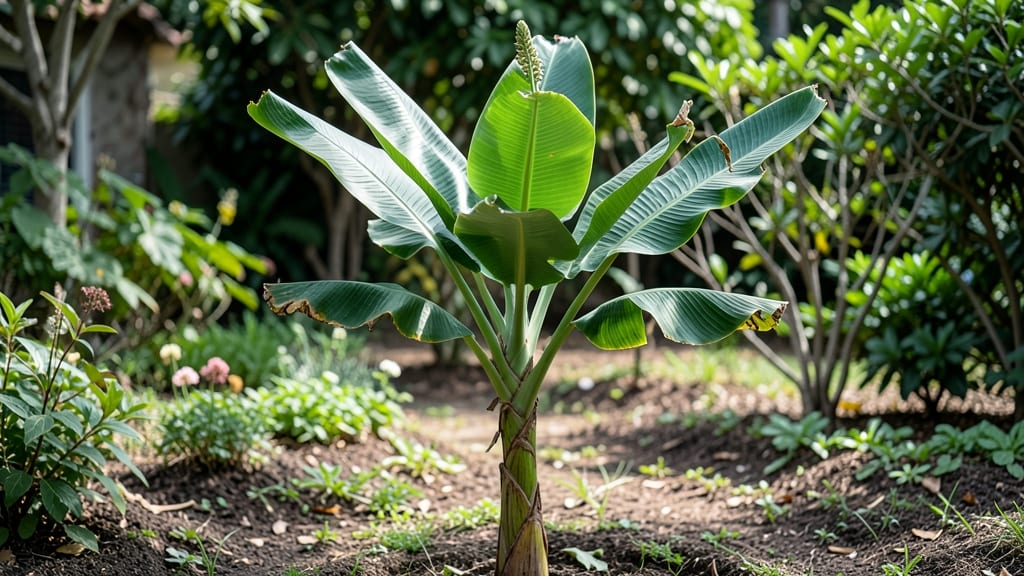
Growing a truly tiny banana tree in containers isn’t just possible—it’s a game-changer for small spaces. 🌿 I’ve watched my own dwarf banana thrive on a balcony, producing edible fruit without taking over my yard.
The secret lies in choosing the right variety and mimicking its tropical roots, even in pots.
Start with a dwarf Cavendish or Lady Finger variety, both bred to stay compact (under 6 feet tall). They need bright, indirect light—think east-facing windows or a shaded patio—and well-draining soil mixed with compost.
A 15-20 gallon container gives roots room to stretch while keeping the plant manageable. Keep soil consistently moist but never soggy, and fertilize lightly every 4-6 weeks during growing season.
What you’ll love most is the tropical vibe these plants bring—glossy leaves, dramatic growth, and the occasional surprise banana. Even in containers, they can produce fruit if given enough warmth (65°F+ consistently).
The trade-off? Indoor plants may need grow lights in winter, while outdoor ones need winter protection in colder zones.
Troubleshooting slow growth? Check your light—bananas crave brightness. Yellow leaves? Often a sign of overwatering or poor drainage. With the right care, your mini banana will reward you with lush, edible foliage and a conversation-starting centerpiece. Ready to grow one?
📚 In This Guide
- What you need
- Instructions
- Tips and common mistakes
- Wrapping up and next steps
What you need
- ● Banana plant (Dwarf Cavendish or 'Lady Finger' recommended) – Choose a young, healthy plant (1–2 feet tall) or a micro-propagated specimen.
- ● Container (15–25 gallons) – Ensure it has drainage holes and is at least 12 inches deep. Plastic, fabric, or ceramic works!
- ● High-quality potting mix – A blend of 50% peat moss or coconut coir, 30% perlite or pumice, and 20% compost for drainage and nutrients.
- ● Slow-release fertilizer (balanced, 10-10-10 or organic) – 1–2 cups mixed into the soil at planting.
- ○ Mulch (optional but helpful) – Straw or shredded bark to retain moisture and regulate temperature.
- ● Pruning shears or sharp knife – For trimming dead leaves or controlling growth.
- ○ Gloves (optional) – Banana plants can have sharp edges!
- ● Watering can or hose with gentle spray nozzle – Bananas love hydration but hate soggy roots.
- ● Sunlight access (6+ hours daily) – A south-facing window, grow light, or partial shade in hot climates.
- ● Humidity tray or misting bottle – Tropical plants thrive with 50–70% humidity.
- ● 🌡️ Temperature: Keep your banana cozy (65–85°F). Avoid drafts or freezing temps!
- ● ✨ Support: Use a small bamboo stake or trellis if your dwarf variety needs guidance.
- ● 🎯 Pruning: Trim spent flower stalks (if any) to redirect energy to foliage growth.
Step-by-Step instructions for growing a compact banana tree in containers
Here's how to coax a banana tree to stay small enough for patios and balconies.
🌱 Step 1: Select the Right Miniature Variety and Container
Choose a dwarf banana variety like 'Dwarf Cavendish' or 'Lady Finger'—these stay under 6 feet tall when grown in containers. The key to compact growth is root restriction, so pick a 12-15 gallon container with drainage holes. I use heavy ceramic pots because they won't tip over when the plant grows top-heavy.
Fill the bottom 2 inches with fast-draining media—I mix equal parts perlite and coarse sand to prevent waterlogging. Banana roots need oxygen, and soggy soil will rot them before they can support compact growth. Tap the pot gently after filling to eliminate air pockets that could slow root development.
🌿 Step 2: Plant and Establish the Root System
Plant your banana pup (a small offset from the mother plant) with the base of the stem just above soil level. Press the surrounding mix firmly but don't compact it—you want roots to spread easily but not suffocate. Water immediately after planting until moisture runs from the drainage holes, then let it drain completely.
Here's the thing—banana trees hate wet feet. Place the pot in a bright, indirect light spot for the first 2 weeks while roots establish. You'll see new leaves unfurl when the plant is ready for more sun. This initial shade period prevents transplant shock and gives roots time to anchor before rapid growth begins.
☀️ Step 3: Manage Light and Temperature for Compact Growth
Move your banana tree to full sun (6+ hours daily) once new growth appears. A south-facing window or grow light 12-18 inches away works well. Without enough light, stems grow leggy and weak—exactly what you don't want in a small-space banana. I rotate the pot weekly to ensure even growth toward the light source.
Keep temperatures between 70-85°F during the day and above 60°F at night. Bananas are tropical and won't tolerate cold drafts. If you're in a cooler climate, bring the pot indoors when temperatures drop below 55°F. A heat mat during winter helps maintain root warmth if you can't move it inside.
💧 Step 4: Water and Fertilize Strategically
Water when the top 2 inches of soil feel dry—banana leaves wilt quickly when thirsty, but overwatering causes yellowing and root rot. I use lukewarm water to prevent shocking the roots. During active growth (spring-summer), fertilize every 4-6 weeks with a balanced 10-10-10 fertilizer diluted to half strength. This slow, steady feeding prevents the plant from growing too fast for its container.
Real talk: Banana trees in containers need more frequent feeding than in-ground plants because nutrients leach out quickly. I also add a slow-release fertilizer pellet at planting time for a steady nutrient supply. Stop fertilizing in fall when growth slows naturally.
✂️ Step 5: Prune and Maintain Compact Shape
Remove any flower stalks that appear—they drain energy from the plant and won't produce fruit in containers. Instead, focus on keeping the plant bushy. When leaves yellow, trim them at the base to redirect energy to new growth. I also prune any leggy stems back by one-third to encourage branching.
Repot every 2-3 years into a container just 2-3 inches larger than the current one. This gradual increase in root space keeps the plant compact. The reason we don't go bigger is that more soil equals more water needs, and banana trees in oversized pots often develop weak, floppy stems. Watch for roots circling the pot—this is your signal it's time to repot.
Tips & tricks for perfectly compact banana tree growth
Want your patio banana tree to stay small and thriving? These insider tricks will help you avoid common pitfalls while maximizing growth potential in limited space.
Root Environment Mastery: The 2-inch layer of fast-draining media at the bottom isn't just about drainage—it's about creating an oxygen-rich zone where roots can establish quickly. I've found that adding a handful of orchid bark to that bottom layer (alongside the perlite and sand) gives roots extra structure to anchor to, which is especially helpful for young banana pups that need stability. This small adjustment prevents the pot from tipping over as the plant matures, which is crucial since banana trees develop heavy foliage.
Light Transition Strategy: The 2-week period of bright indirect light in Step 2 is your plant's acclimation phase. Here's what I've learned: if your banana tree shows signs of stress (yellowing leaves or curling) during this period, it's getting too much direct light. Move it slightly farther from the window or use a sheer curtain to diffuse the light. The goal is to let the plant adjust without shocking its delicate root system—this gradual transition is what prevents that leggy, weak growth we're trying to avoid.
Temperature Buffer Zone: While the instructions specify keeping nighttime temperatures above 60°F, I've discovered that adding a 10°F buffer during transition periods makes all the difference. When moving your banana tree indoors for winter or during temperature drops, aim to keep it in a space where daytime temps stay between 70-85°F and nighttime temps never dip below 65°F. This extra cushion prevents the plant from going into shock, which can cause sudden leaf drop or stunted growth. A simple thermometer near the plant helps monitor this without guesswork.
Fertilizer Timing Hack: The 4-6 week fertilization schedule works perfectly for active growth, but here's my pro tip: split that schedule into two applications—one at 3 weeks and another at 5 weeks. This more frequent but lighter feeding mimics natural tropical rainfall patterns, giving your banana tree a steady nutrient supply without overwhelming its root system. And remember, that slow-release pellet at planting time? I like to bury it about 3 inches down in the soil where roots will find it as they grow outward.
Pro Tips for Truly Tiny Banana Tree
- Want your patio banana tree to stay small and thriving?
- Root Environment Mastery: The 2-inch layer of fast-draining media at the bottom isn't just about drainage—it's about creating an oxygen-rich zone where roots can establish quickly.
- Light Transition Strategy: The 2-week period of bright indirect light in Step 2 is your plant's acclimation phase.
Frequently asked questions
Got questions about growing a truly tiny banana tree? You’re not alone! Here are answers to the most common ones—so you can keep your compact banana thriving in containers or small spaces.
How fast does a dwarf banana tree grow?
A Musa acuminata ‘Dwarf Cavendish’ or ‘Lady Finger’ typically grows 1–2 feet per year in ideal conditions. With proper pruning and container care, you can slow growth further to keep it manageable. Patience is key—these trees mature in 3–5 years for fruit production!
Can a tiny banana tree survive winter indoors?
Yes! Move your banana tree indoors before temperatures drop below 50°F (10°C). Place it near a south-facing window or under grow lights for 12–14 hours of light daily. Reduce watering (let soil dry slightly) and avoid drafts. A dwarf variety handles indoor life better than larger types.
Will my container banana tree ever produce fruit?
Dwarf varieties like ‘Ice Cream’ or ‘Red Dwarf’ can fruit in containers if given bright light, warm temps (70–85°F), and balanced fertilizer (high in potassium). Expect tiny, sweet bananas—though they may need hand-pollination. Patience pays off: it can take 2–3 years for a young tree to bloom.
Why are my banana tree leaves turning yellow?
Yellow leaves usually signal overwatering, nutrient deficiency, or poor drainage. Check your container’s drainage holes—banana roots hate soggy soil. Feed with a banana-specific fertilizer (or balanced 6-6-6) every 2–3 months. If only the older leaves yellow, it’s normal aging; new growth should stay green.
What’s the best alternative if I can’t grow a banana tree?
If your climate or space is too limiting, try these compact tropical plants:
- Dwarf Citrus Trees (e.g., ‘Calamondin’ or ‘Meyer Lemon’)
- Pineapple Plants (var. ‘Queen’—grows to 2–3 ft)
- Orchids (e.g., Phalaenopsis—thrives indoors)
- Dwarf Avocado Trees (e.g., ‘Wurtz’—slow-growing)
Wrapping up and next steps
Growing a truly tiny banana tree in containers isn’t just possible—it’s a rewarding way to enjoy tropical vibes in even the smallest spaces! 🌱 With the right pruning techniques, dwarf varieties, and a little patience, you’ll unlock a mini paradise that thrives on your balcony or patio.
Remember, the key is consistent care and strategic trimming to keep your banana plant happy and compact.
Ready to take the next step? Start by observing your plant’s growth and adjusting your pruning schedule as needed. Share your progress with fellow plant lovers—you might inspire others to try their hand at this fun, space-saving gardening adventure!