
Planting
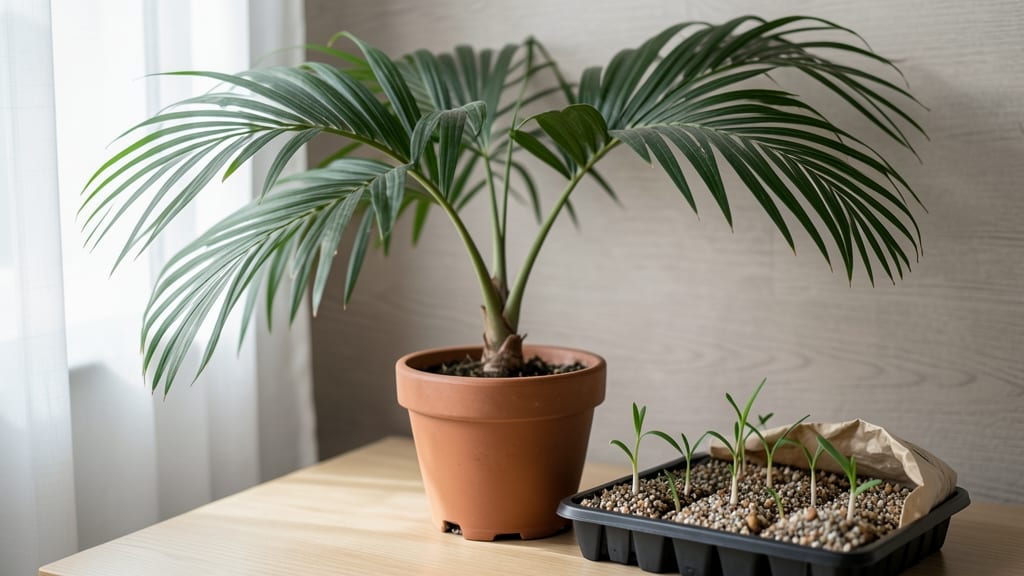
Planting palm trees in pots turns your balcony into a tropical escape—even in Zone 5. 🌴 I’ve grown palms in containers for years, and the secret isn’t just the right soil or pot size, but understanding how these desert natives adapt to small spaces.
Most people overwater or pick the wrong species, and that’s when yellow fronds and root rot show up.
The key starts with 5-gallon pots for dwarf palms or 15-gallon containers for larger varieties like Majesty palms. Use a fast-draining mix of 60% potting soil, 30% perlite, and 10% sand, and never skip the drainage holes—waterlogged roots are the #1 killer.
Choose slow-growing species like Parlor palms or Areca palms for beginner success; they forgive mistakes better than fast growers.
Within 3-6 months, you’ll see new fronds unfurling with that signature glossy green. The air in your space will feel fresher, and your neighbors will mistake your tiny patio for a Florida getaway.
The trick is watering only when the top 2 inches of soil are dry—overwatering is what turns lush into limp in a hurry.
Even in winter, your potted palm can thrive with a bright window or grow light and occasional misting for humidity. Just watch for root-bound signs (roots circling the pot) and repot every 2-3 years—this keeps them happy for decades. Ready to start your own mini oasis?
📚 In This Guide
- What you need
- Instructions
- Tips and common mistakes
- Wrapping up and next steps
What you need
- ● Palm tree sapling: Choose a dwarf or container-friendly variety (e.g., Pyramid Palm, Areca Palm, or Parlor Palm). Size: 1–3 feet tall, with a healthy root system.
- ● Container: A pot with drainage holes (minimum 12–18 inches in diameter for small palms, larger for mature trees). Terracotta or fiberglass pots work best.
- ● High-quality potting mix: A blend of peat moss, perlite, and sand (or a pre-mixed palm/succulent mix) for excellent drainage.
- ● Gravel or drainage material: 1–2 inches of pebbles or broken pottery to prevent root rot.
- ● Watering can or hose with a soft spray nozzle: For gentle hydration without damaging delicate fronds.
- ● Fertilizer: A balanced, slow-release fertilizer (10-10-10 or 20-20-20) or an organic option like fish emulsion.
- ● Container liner: A plastic liner to protect outdoor pots from cracking in freezing temps.
- ● Mulch or decorative stones: For a polished look and moisture retention.
- ● Support stake or trellis: If your palm grows tall and top-heavy.
- ● pH testing kit: To ensure your soil is slightly acidic (pH 5.5–6.5) for optimal palm health.
- ● Slow-release fertilizer tablets: For hassle-free feeding over months.
Step-by-step instructions for planting palm trees in containers
Here's my foolproof method for growing healthy palms in pots—no green thumb required.
🪴 Step 1: Choose the Right Pot and Drainage
Palm trees need room to grow, so start with a container at least 18 inches wide and deep for each tree. Use terracotta or fabric pots—they breathe better than plastic and prevent root rot. I always check for multiple drainage holes first; if your pot doesn’t have them, drill 4-6 holes along the bottom.
Place a 2-inch layer of gravel or broken pottery at the bottom before adding soil. This creates an air gap that prevents waterlogging, which is the #1 killer of potted palms. I like to use coarse gravel because it stays in place better than small stones.
🌱 Step 2: Select the Best Soil Mix
Palms hate soggy roots, so never use garden soil—it compacts and suffocates roots. Instead, blend 50% potting mix with 50% perlite or orchid bark for drainage. I add a slow-release palm fertilizer (like Osmocote) to the mix—just 1 tablespoon per gallon of soil—to give your tree a nutrient boost from day one.
Fill the pot up to 2 inches from the rim with your mix, then tap gently to settle it. Press down lightly with your fingers—you want the soil firm enough to support the tree but loose enough for roots to spread. Leave room at the top for watering.
☀️ Step 3: Plant the Palm Tree Correctly
Remove the palm from its nursery pot and loosen the roots if they’re circling the root ball. This prevents root bound, which stunts growth. Place the tree in the center of the pot so the top of the root ball sits 1 inch below the rim—this keeps the soil level stable during watering.
Backfill with your soil mix, pressing gently around the roots. Don’t bury the trunk too deep—palms rot if submerged in soil. Water deeply right after planting until it drains from the bottom holes. This helps the soil settle and removes air pockets around the roots.
💧 Step 4: Water and Light for Thriving Growth
Palms need consistent moisture but never soggy soil. Water once a week (or when the top 2 inches of soil feel dry). I use a watering can with a narrow spout to direct water to the roots—this prevents runoff and keeps the crown dry, which reduces fungal risks.
Place your potted palm in bright, indirect light—think morning sun or filtered afternoon light. Direct sunlight scorches leaves, while too little light makes them yellow and leggy. If your space is low-light, supplement with a grow light for 12-14 hours daily. You’ll know it’s getting enough light when new fronds unfurl bright green and upright.
✂️ Step 5: Maintain and Fertilize for Long-Term Health
Feed your palm every 2 months during spring and summer with a balanced liquid fertilizer (like 20-20-20). I dilute it to half-strength to avoid burning roots. In fall and winter, cut back to once every 3 months—palms grow slower in cooler months.
Check the pot size annually. If roots circle the bottom or fronds grow smaller than 12 inches, it’s time to upgrade to a 2-4 inch larger pot. Prune only dead or yellow fronds—never cut healthy ones. Use sterilized pruners and seal cuts with pruning paste to prevent disease.
Tips & tricks for planting palm trees in pots
Let me share the little details that'll make your potted palms thrive like a pro's—no guesswork involved.
Pot Size Matters: That 18-inch minimum width isn't just arbitrary—it gives roots room to grow without becoming root-bound within a year. I've seen palms in undersized pots develop stunted growth, even with perfect care. If you're starting with a smaller nursery pot, plan to upgrade within 6-12 months. For dwarf varieties, you can start with 12-inch pots, but they'll still need upgrading.
Drainage is Non-Negotiable: I can't stress this enough—waterlogging kills more potted palms than anything else. If your pot lacks drainage holes, drill them yourself using a 1/4-inch bit. For extra insurance, place a layer of landscape fabric over the gravel before adding soil to prevent fines from clogging the drainage layer. This simple step prevents that dreaded "soggy bottom" syndrome.
Soil Mix Secrets: When blending your 50/50 potting mix and perlite/orchid bark, don't skip the slow-release fertilizer. That 1 tablespoon per gallon gives your palm a steady nutrient supply without risking over-fertilization. Pro tip: Add a handful of worm castings to the mix—they improve soil structure and provide beneficial microbes that boost root health.
Lighting Adjustments: That 12-14 hours of grow light recommendation works best for indoor setups. If you're using natural light, position your palm near an east-facing window for gentle morning sun, then move it back as the sun intensifies. Watch for brown tips—this is your first sign of too much direct sunlight. For indoor palms, rotate the pot quarter-turn weekly so all sides get even light exposure.
Pro Tips for Plant Palm Trees In Pots
- Let me share the little details that'll make your potted palms thrive like a pro's—no guesswork involved.
- Pot Size Matters: That 18-inch minimum width isn't just arbitrary—it gives roots room to grow without becoming root-bound within a year.
- Drainage is Non-Negotiable: I can't stress this enough—waterlogging kills more potted palms than anything else.
Frequently asked questions
Got questions about potting palm trees?
You’re not alone! Here are answers to common concerns to help you grow thriving palms in containers with confidence.
What’s the best time of year to plant palm trees in pots?
Plant your palm trees in early spring or late summer for the best success. These seasons offer mild temperatures and consistent moisture, giving young roots time to establish before extreme heat or cold sets in. Avoid winter planting—frost can damage tender roots!
How often should I water potted palm trees?
Water when the top 1–2 inches of soil feel dry (usually every 1–2 weeks, depending on climate). Palms in pots dry out faster than in-ground plants, so check soil moisture regularly. Overwatering is worse than underwatering—ensure pots have drainage holes to prevent root rot.
Can I use any container, or are there specific pot requirements?
Choose pots with drainage holes and a minimum diameter of 12–18 inches for small palms (like dwarf palms) or 24+ inches for larger varieties. Materials like terracotta or fiberglass work well—they breathe and regulate temperature. Avoid plastic if you live in freezing climates, as it can crack.
How do I protect potted palms from cold weather?
Move pots to a sheltered spot (like a garage or under an eave) before temperatures drop below 40°F (4°C). Wrap the pot in bubble wrap or frost cloth for extra insulation. If your palm is in a small pot, consider burying it in the ground temporarily for winter.
What if my potted palm turns yellow or drops fronds?
Yellowing fronds often signal overwatering or nutrient deficiency. Check soil moisture and adjust watering habits. Brown, crispy tips? It’s likely underwatering or low humidity. Feed your palm with a balanced fertilizer (10-10-10) in spring and summer. If problems persist, repot into fresh, well-draining soil.
Wrapping up and next steps
Growing palm trees in pots is a rewarding way to bring tropical charm to small spaces—whether you’re a beginner or a seasoned gardener! 🌴 With the right container, soil mix, and care routine, your palm can thrive indoors or outdoors, adding lush greenery to patios, balconies, or even cozy corners.
Remember: patience and consistency are key, especially when it comes to watering, sunlight, and occasional pruning.
Now that you’re armed with the know-how, why not take the next step? Start with a small palm like a parlor palm or bamboo palm—they’re forgiving and perfect for beginners.
Then, experiment with larger varieties as you gain confidence! Happy planting, and enjoy your little slice of paradise. 🌱✨