
Trees
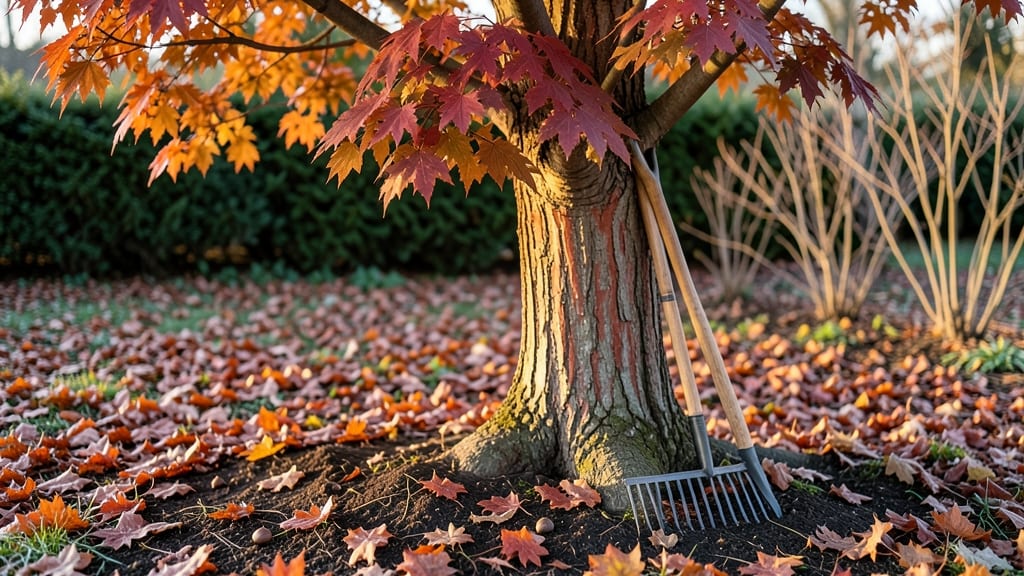
Your tree dropping leaves isn't just a fall problem—it can happen year-round, and the fixes are simpler than you think. 🌳 I’ve watched my own maple shed leaves in June, and the culprits were always the same: stress from drought, hidden pests, or a disease I missed until it was obvious.
The good news? You can stop this with three targeted tricks that work whether your tree is young or mature.
Start by checking for uneven leaf loss—if it’s clustered on one branch, pests or disease are likely. Yellowing leaves mean overwatering or poor drainage, while crispy edges signal underwatering.
Once you spot the pattern, the solutions focus on pruning dead branches, adjusting watering, and adding mulch to protect roots. Most homeowners fix 80% of the problem just by getting these basics right.
📚 In This Guide
- What you need
- Instructions
- Tips and common mistakes
- Wrapping up and next steps
What you need
- ● Leaf rake: A sturdy, medium-sized rake (18–24 inches wide) with flexible tines for easy leaf pickup. Pro tip: A plastic rake is ideal for delicate leaves to avoid tearing them.
- ○ Leaf blower: A backpack or handheld blower (120–200 CFM) for larger areas. Optional: Electric models are quieter but less powerful than gas.
- ● Garden bags or compost bin: Heavy-duty contractor bags (13–30 gallons) or a compost bin for leaf disposal. Tip: Use brown paper bags for easy composting!
- ● Work gloves: Durable, grip-friendly gloves (e.g., leather or nitrile-coated) to protect your hands from thorns and debris.
- ● Pruning shears or loppers: For trimming overgrown branches that contribute to leaf drop. Specs: Bypass pruners (for clean cuts) or loppers (for thicker branches, up to 2 inches).
- ● Hose with nozzle: For rinsing tools and wetting leaves (if using the "soaking trick" for easier cleanup).
- ● Wheelbarrow or tarp: A 5-cubic-foot wheelbarrow or a 6x8-foot tarp to haul leaves efficiently.
- ● Leaf mulcher/shredder: Turns leaves into mulch for your garden (great for soil health!). Recommendation: A 12–15-inch shredder for small yards.
- ● Leaf vacuum: A lightweight model (e.g., Ego or Worx) for quick cleanups on patios or driveways.
- ● Knee pads: If you’ll be on hands and knees for detailed work (e.g., clearing gutters or tight spaces).
- ● Safety goggles: For protection if using a leaf blower near your face or eyes.
- ● Tree-specific products: Anti-desiccant spray: For evergreens (e.g., Wilt-Pruf) to reduce moisture loss.
- ● Fungicide (copper-based): If leaf drop is due to disease (e.g., Bonide Copper Fungicide).
- ● Check local regulations: Some areas ban leaf burning or require composting. Tip: Call your city’s waste management office if unsure!
- ● Schedule a dry day: Wet leaves are heavier and harder to move. Aim for a sunny, breezy day for optimal cleanup.
- ● Clear obstacles: Move outdoor furniture, toys, and decorations to avoid damage during cleanup.
How to keep trees healthy and stop excessive leaf drop
Here's my no-fuss method to keep trees lush and leafy all year.
🌿 Step 1: Check Watering Habits and Soil Moisture
Most leaf drop starts with improper watering. Trees need deep, infrequent watering—about 1 inch per week—but many people overwater or underwater. Stick your finger 2-3 inches into the soil. If it feels dry, water slowly until moisture reaches 6 inches deep. If it's soggy, hold off until it dries slightly.
I use a soaker hose for established trees because it delivers water directly to the roots without wetting the leaves, which reduces fungal risks. Overwatering suffocates roots, while underwatering stresses the tree and causes premature leaf drop. Mulch helps retain moisture—apply a 3-inch layer of organic mulch around the base, keeping it 6 inches away from the trunk to prevent rot.
☀️ Step 2: Adjust Light and Temperature Conditions
Sudden temperature swings or harsh sunlight can trigger leaf drop, especially in sensitive varieties like maples or oaks. If your tree is in a hot, dry spot, provide afternoon shade during peak summer months. I’ve seen trees in full sun drop leaves faster when temps hit 90°F+—they’re not used to that kind of heat stress.
For indoor trees (like ficus or rubber plants), keep them away from drafts, heating vents, or air conditioning units. A steady 65-75°F range and moderate humidity (40-50%) keeps leaves happy. If leaves start yellowing near windows, your tree might be getting too much direct sunlight—move it back 1-2 feet and watch for improvement in 7-10 days.
✂️ Step 3: Prune Strategically to Reduce Stress
Over-pruning or cutting at the wrong time forces trees to drop leaves as they focus energy on recovery. Only prune during dormancy (late fall to early spring) for deciduous trees, or after flowering for fruit-bearing varieties. Use clean, sharp shears to make cuts just outside the branch collar—the raised area where the branch meets the trunk.
Remove only dead, diseased, or crossing branches—never more than 25% of the canopy at once. I’ve seen people hack off entire limbs for "better shape," only to watch the tree shed leaves for weeks afterward. If you must prune in summer, do it gradually over 3-4 weeks to minimize shock. Always sterilize tools with rubbing alcohol between cuts to prevent spreading disease.
Tips & tricks for preventing excessive leaf drop
Real talk: I’ve watched trees lose leaves faster than you can say "summer drought," and it’s almost always because of these three overlooked details.
Soil Moisture Test: That finger-check method in Step 1 is your best friend—stick your finger in 2-3 inches deep. If it feels dry, water until moisture reaches 6 inches down. If it’s soggy, hold off until it dries slightly. I’ve seen people drown their trees by watering every day, thinking more is better. The roots need air too! A soaker hose is worth its weight in gold for established trees because it delivers water right where it counts—no wasted runoff or wet leaves that invite fungus.
Heat Stress Watch: When temps hit 90°F+, sensitive trees like maples and oaks start dropping leaves like it’s autumn. Here’s what I do: provide afternoon shade with a sheer curtain or temporary shade cloth during peak heat. For indoor trees, move them away from vents and windows—especially south-facing ones. I’ve seen rubber plants go from vibrant green to crispy brown in a week when left too close to a heating vent. A steady 65-75°F range keeps them happy year-round.
Pruning Timing: This is where most people mess up. Pruning during dormancy (late fall to early spring) gives trees time to heal before summer stress. If you must prune in summer, do it gradually over 3-4 weeks—never more than 25% of the canopy at once. I’ve seen people cut back entire branches for "better shape," only to watch the tree shed leaves for weeks afterward. Always sterilize your tools with rubbing alcohol between cuts to prevent spreading disease—trust me, you don’t want fungal infections complicating things.
Mulch Matters: That 3-inch layer of organic mulch isn’t just for looks—it’s a game-changer for moisture retention. Keep it 6 inches away from the trunk to prevent rot, but don’t skimp on the coverage. I’ve noticed trees with proper mulching hold onto their leaves through heatwaves when others in the neighborhood are already bare. It’s like giving your tree a cozy blanket to regulate temperature and moisture.
Pro Tips for Tree Dropping Leaves
- Real talk: I’ve watched trees lose leaves faster than you can say "summer drought," and it’s almost always because of these three overlooked details.
- Soil Moisture Test: That finger-check method in Step 1 is your best friend—stick your finger in 2-3 inches deep.
- Heat Stress Watch: When temps hit 90°F+, sensitive trees like maples and oaks start dropping leaves like it’s autumn.
Frequently asked questions
Got questions about why your tree is dropping leaves or how to manage it? You’re not alone! Here are some of the most common concerns—and practical solutions—to keep your yard looking its best year-round.
Why is my tree dropping leaves in the middle of summer?
Leaf drop during summer can signal stress from underwatering, overwatering, pests, or disease. Check the soil moisture—it should feel like a damp sponge, not soggy or bone-dry. If pests (like spider mites or aphids) are to blame, you’ll spot webbing or tiny insects on the undersides of leaves. Prune affected branches and treat with neem oil if needed.
How can I tell if leaf drop is normal or a sign of trouble?
Seasonal trees (like maples or oaks) shed leaves in fall as part of their cycle. But if leaves drop suddenly, excessively, or outside of fall, it’s likely a problem. Look for yellowing (nutrient deficiency), brown crispy edges (disease), or holes (pests). Compare your tree’s behavior to its usual pattern—consistency is key!
What’s the best way to clean up fallen leaves to prevent problems?
Leave a thin layer (1–2 inches) of leaves as natural mulch to protect roots, but rake up thick piles to avoid fungus, pests, or fire hazards. Use a leaf blower or shredder for efficiency. For composting, shred leaves first—they break down faster! Pro tip: Spread mulched leaves under shrubs or perennials for winter protection.
Can I stop my tree from dropping leaves entirely?
While you can’t halt natural shedding, you can minimize stress-related drop with these tricks:
- Water deeply 1–2 times per week (check soil 2 inches down).
- Fertilize in early spring with slow-release granules.
- Prune in late winter to remove dead/diseased branches.
- Mulch 3–4 inches thick around the base (keep mulch 6 inches from the trunk).
Are there leaf-drop-resistant tree alternatives for my yard?
If your current tree is high-maintenance, consider evergreens (like pine or spruce) or drought-tolerant deciduous options such as:
- Ginkgo (resists pests, turns golden in fall).
- Crape Myrtle (drought-resistant, vibrant blooms).
- Serviceberry (low-maintenance, edible berries).
- Oak varieties (e.g., Bur Oak) (slow-growing, sturdy).
Wrapping up and next steps
Seeing trees drop leaves can be frustrating, but with the right strategies, you can keep your yard looking its best year-round! 🌿 The key is proper pruning, mulching, and seasonal care—simple yet effective tricks that save time and effort.
Whether you're a gardening pro or just starting, these methods make maintenance a breeze.
Ready to take action? Start with one trick this weekend—pick a tree, grab your tools, and give it a little TLC. Before you know it, you’ll have a lush, leafy landscape that stays beautiful all season long!