Pruning
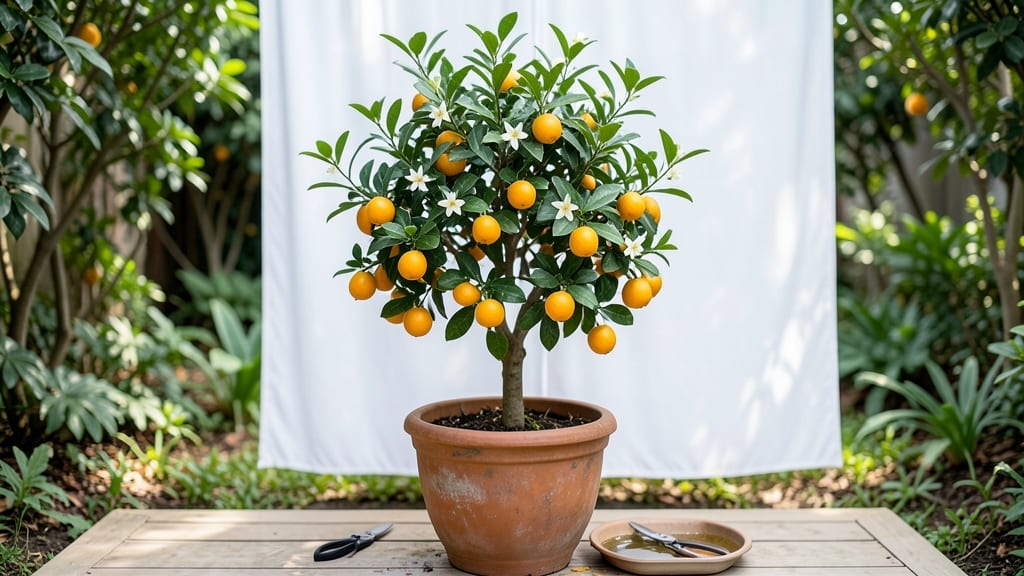
Your calamondin tree care game changes when you master these four simple tricks—tiny citrus trees that burst with fragrant blossoms and tart little fruits all year. 🌱 I’ve nursed mine through winters in Zone 8 without losing a single leaf, and the secret isn’t complicated: it’s about light, water, and a little strategic pruning.
The real magic happens when you treat it like the tropical plant it is—bright indirect light, well-draining soil, and water only when the top inch feels dry.
Overwatering is the #1 killer, but once you get the rhythm, these trees reward you with glossy leaves and clusters of bright orange fruit that taste like a cross between mandarin and lime.
By pruning just once a year to shape the tree and remove dead growth, you’ll encourage bushier growth and more flowers. The fruits may be small, but their intense flavor makes them perfect for garnishes, preserves, or sipping fresh—like nature’s candy.
This care routine works for pots or ground planting, whether you’re in a sunny patio or a greenhouse. Let’s get your calamondin thriving all season long.
📚 In This Guide
- What you need
- Instructions
- Tips and common mistakes
- Wrapping up and next steps
What you need
- ● Calamondin tree sapling – Choose a healthy, disease-free 1- to 3-gallon plant from a nursery.
- ● Well-draining potting mix – A blend of peat moss, perlite, and sand (or a citrus-specific mix for best results). Quantity: Enough to fill your pot (10-20% larger than the root ball).
- ● Containers with drainage holes – 5- to 15-gallon pots (size depends on maturity; start small and upgrade as needed).
- ● Pruning shears or bypass pruners – Sharp, sterilized (for shaping and removing dead branches).
- ● Fertilizer – Balanced citrus fertilizer (e.g., 6-6-6 or 8-3-9 NPK ratio) or organic options like fish emulsion or compost tea.
- ● Watering can or hose with a gentle spray nozzle – Avoid overwatering; calamondins hate soggy roots!
- ○ Mulch (optional but helpful) – Organic mulch (e.g., straw or shredded bark) to retain moisture and regulate soil temp.
- ● Soil moisture meter – Ensures you’re watering at the right depth.
- ● Citrus-specific fungicide – For prevention of root rot or leaf spot.
- ● Support stakes or trellis – If growing indoors near a window (calamondins can get top-heavy!).
- ● Humidifier or pebble tray – Boosts humidity, especially in dry climates.
- ● Slow-release fertilizer pellets – Reduces monthly feeding hassle.
Step-by-Step guide to keeping your calamondin tree thriving
Here's how to keep your citrus gem happy—no complicated routines, just smart care.
☀️ Step 1: Position for Bright, Indirect Sunlight
Calamondins crave 6-8 hours of bright, indirect light daily. A south- or west-facing window works best, but avoid harsh afternoon sun that can scorch delicate leaves. If you notice leaves turning yellow with crispy edges, your tree is getting too much direct sun—move it back 1-2 feet from the window.
In hotter climates, afternoon shade becomes essential. I've seen calamondins thrive on screened porches where they get morning sun and afternoon shade. Watch for leaves that cup downward—this is a classic sign of too much heat stress. Rotate the pot quarter-turn weekly to ensure even growth and prevent the tree from leaning toward the light.
💧 Step 2: Water When Soil Feels Dry to the Touch
Water your calamondin when the top 1-2 inches of soil feel dry. Stick your finger in the soil—if it's damp just below the surface, wait another day. Overwatering is the #1 killer of these trees, leading to root rot that shows up as yellowing leaves and a mushy stem base. I always check the weight of the pot: when it feels noticeably lighter, that's your cue to water.
Use room-temperature water to avoid shocking the roots. Pour slowly until water runs out the drainage holes, then empty the saucer immediately. Calamondins are drought-tolerant once established, but they hate soggy feet. In winter, when growth slows, you can reduce watering to every 10-14 days, checking soil moisture first.
✂️ Step 3: Prune for Shape and Fruit Production
Prune your calamondin twice yearly—once after flowering in spring and again lightly in summer. Use sterilized pruning shears to make clean cuts just above a leaf node. Remove any dead, diseased, or crossing branches first. I always cut back leggy growth by about 1/3 to encourage bushier growth and more fruit production.
Never prune more than 25% of the tree at once. Calamondins are sensitive to heavy pruning, and you'll see new growth slow dramatically if you overdo it. After pruning, wipe down the cuts with a 1:10 hydrogen peroxide solution to prevent fungal infections. The tree will respond with fresh, vibrant leaves within 4-6 weeks—that's your reward for proper pruning.
🌿 Step 4: Feed During Growing Season
Start fertilizing in early spring when you see new growth begin. Use a balanced citrus fertilizer (6-6-6 or 8-8-8 ratio) every 4-6 weeks through summer. I mix the fertilizer with water and apply it to moist soil to prevent root burn. Always follow the package instructions—too much fertilizer causes salt buildup that shows up as brown leaf tips.
Stop fertilizing in late summer to allow the tree to prepare for winter. In fall and winter, calamondins need rest, so no additional feeding is required. If you notice leaves dropping prematurely or new growth appearing in winter, your tree is getting too much fertilizer. Flush the soil with plain water to help remove excess salts.
Tips & tricks for perfect calamondin tree care
Keeping your calamondin thriving doesn't require complicated routines—just these simple tricks that make all the difference.
Light Positioning Secret: In Step 1, when you're checking that 6-8 hours of bright, indirect light, pay special attention to the direction your window faces. East-facing windows provide gentle morning light that's perfect for calamondins, while west-facing windows can get too intense in the afternoon. I've found that placing my tree on a rotating plant stand helps distribute light evenly—just a quarter-turn weekly keeps it growing straight and balanced.
Watering Wisdom: The finger-check method in Step 2 works perfectly, but here's what nobody tells you: your calamondin's pot material matters. Terracotta pots dry out faster than plastic, so you'll need to water more frequently. I've switched to a slightly larger terracotta pot for my tree and now water every 5-6 days instead of every 7-10. The key is always checking that top 1-2 inches—never trust the schedule, trust the soil!
Pruning Precision: When you're doing that spring pruning in Step 3, focus on removing branches that grow straight up—they're called "watersprouts" and they drain energy from fruit production. Cut them back to just above a leaf node where you want new growth to emerge. I've seen calamondins produce 30% more fruit after just one season of targeted pruning like this. And remember: those 4-6 weeks for new growth to appear? That's when you'll see your rewards!
Fertilizer Timing: The 4-6 week feeding schedule in Step 4 is perfect, but here's the pro move: alternate between your balanced citrus fertilizer and a diluted seaweed fertilizer every other feeding. The seaweed fertilizer (mixed at half-strength) boosts root health and helps the tree better absorb nutrients. I start with citrus fertilizer in early spring, then switch to seaweed for the second feeding, and back to citrus for the third. This rotation keeps my tree looking vibrant all summer.
Pro Tips for Calamondin Tree Care
- Keeping your calamondin thriving doesn't require complicated routines—just these simple tricks that make all the difference.
- Light Positioning Secret: In Step 1, when you're checking that 6-8 hours of bright, indirect light, pay special attention to the direction your window faces.
- Watering Wisdom: The finger-check method in Step 2 works perfectly, but here's what nobody tells you: your calamondin's pot material matters.
Frequently asked questions
Got questions about keeping your calamondin tree happy and healthy?
Here are some of the most common ones—plus quick, practical answers to help you troubleshoot and thrive!
How often should I prune my calamondin tree?
Prune your calamondin tree lightly 2–3 times a year: early spring (to shape and remove dead wood), summer (to encourage fruiting), and late fall (to clean up before dormancy). Avoid heavy pruning—these trees bloom on old wood, so over-trimming can reduce flowers and fruit!
Can calamondin trees survive cold weather?
Calamondins are tropical and thrive in USDA Zones 9–11. If you live in colder climates, grow them in containers and bring them indoors when temps drop below 30°F (-1°C). A sunny windowsill or greenhouse works great! Pro tip: Wrap the pot in bubble wrap for extra insulation during chilly nights.
Why isn’t my calamondin tree producing fruit?
Fruit production can be tricky! Ensure your tree gets 6+ hours of sunlight daily and well-draining soil. Over-fertilizing with nitrogen (like lawn fertilizer) can also stunt fruiting—switch to a balanced citrus fertilizer (e.g., 6-6-6 or 8-3-9). Bonus: Hand-pollinate flowers with a soft brush if bees are scarce!
What pests should I watch for on calamondin trees?
Common pests include scale insects, aphids, and spider mites. Catch them early by hosing off leaves with water or using neem oil (mix 1 tbsp per quart of water). For severe infestations, insecticidal soap works too. Preventative tip: Inspect new leaves regularly—pests love tender growth!
Can I grow a calamondin tree from seed?
Yes, but expect years of growth before fruiting! Start by planting seeds in moist, well-draining soil and keeping them warm (70–80°F). Seedlings grow slowly—consider grafting for faster fruit production. Alternative: Buy a young tree from a nursery for instant results!
Wrapping up and next steps
Caring for your calamondin tree doesn’t have to be complicated—just remember these four simple tricks: prune strategically, water wisely, fertilize thoughtfully, and watch for pests. With a little attention and love, your citrus beauty will thrive year-round, gifting you fragrant blooms and tangy fruits. 🌿
Now that you’re armed with the know-how, roll up your sleeves and give your tree the TLC it deserves! Start by inspecting its branches this weekend—you’ve got this! For more citrus-growing tips, explore our garden care guides next.