
Trees
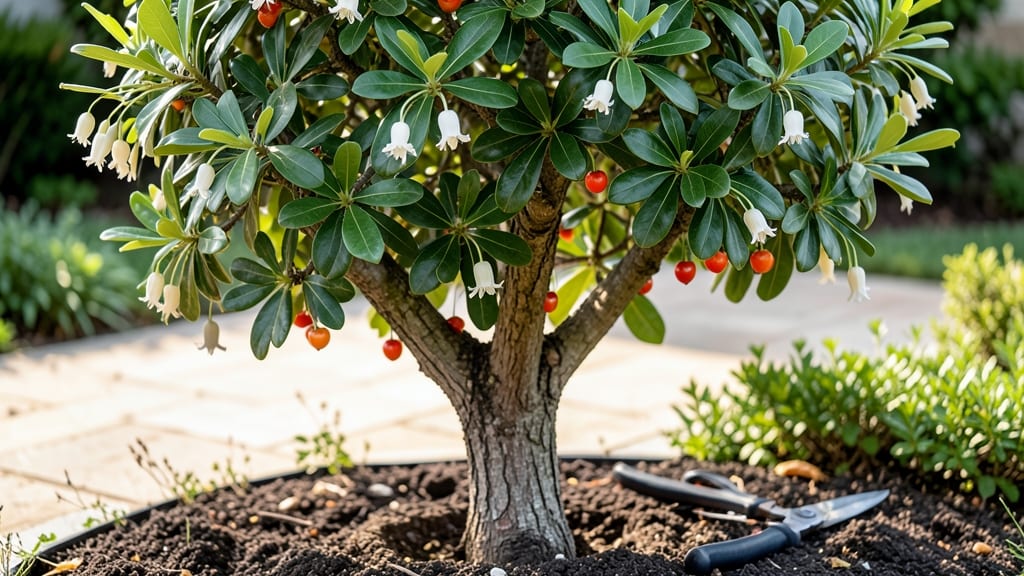
Strawberry tree leaves turning yellow or spotted can ruin your Pacific Northwest garden’s lush evergreen look. 🌿 I’ve battled these issues for years, and the key is catching problems early—whether it’s fungal spots, nutrient deficiencies, or pests like spider mites.
The good news? Most fixes are simple once you know what to look for.
Start by inspecting leaves up close—yellow patches often mean overwatering or iron deficiency, while brown spots signal fungal infections or environmental stress. Prune affected branches immediately to stop the spread, and adjust watering if the soil stays soggy.
For fungal issues, a copper-based spray works wonders, and mulching helps keep roots healthy year-round.
📚 In This Guide
- What you need
- Instructions
- Tips and common mistakes
- Wrapping up and next steps
What you need
- ● Strawberry tree sapling or bare-root plant: 1–3 plants (depending on desired coverage; spacing 10–15 ft apart for mature trees).
- ● Choose a certified disease-free specimen (1–3 gallons container or bare-root).
- ● Planting site: Well-draining, slightly acidic soil (pH 5.0–6.5).
- ● Full sun to partial shade (6+ hours of sunlight daily).
- ● Sheltered from harsh winds (young trees are sensitive!).
- ● Tools: Shovel or trowel (for planting).
- ● Pruning shears (sterilized, sharp blades for clean cuts).
- ● Garden gloves (to protect hands from thorns).
- ● Mulch (2–3 inches of pine bark or wood chips to retain moisture).
- ● Soil amendment: Compost or peat moss (to improve drainage in heavy clay soils).
- ● Slow-release fertilizer (balanced 10-10-10 for young trees).
- ● Drip irrigation system (for consistent moisture during dry spells).
- ● Tree stakes & ties (if planting in windy areas).
- ● Leaf blower or rake (for seasonal leaf cleanup—strawberry tree leaves are evergreen but shed occasionally).
How to care for strawberry tree leaves for a lush Pacific Northwest canopy
Here's how I keep my strawberry trees thriving with vibrant, glossy leaves all year long.
🌿 Step 1: Choose the Right Location for Year-Round Health
Strawberry trees (Arbutus unedo) love the Pacific Northwest's mild climate but need the perfect spot to keep their leaves lush. Plant in partial shade to full sun—morning sun with afternoon shade works best in hotter inland areas. The soil should drain well because soggy roots lead to yellowing leaves and root rot.
I dig a hole twice as wide as the root ball but only as deep. The top of the root ball should sit 1 inch above ground level—this prevents water pooling around the trunk. If your soil is heavy clay, mix in 2-3 inches of compost to improve drainage. The first few weeks after planting are critical; watch for new growth to appear within 4-6 weeks.
☀️ Step 2: Water Deeply and Less Frequently for Glossy Leaves
Strawberry trees hate soggy feet but need consistent moisture to maintain their signature glossy leaves. Water deeply once a week during the first growing season, soaking the soil to a depth of 12 inches. You'll know it's enough when water runs out the drainage holes. After the first year, they're more drought-tolerant but still appreciate 1 inch of water weekly during dry spells.
I always water in the morning to let foliage dry before evening—this prevents fungal issues that cause brown leaf spots. Mulch around the base with 2-3 inches of bark mulch (keeping it 6 inches away from the trunk) to retain moisture and regulate soil temperature. The leaves will stay dark green and shiny when moisture is just right.
✂️ Step 3: Prune Strategically to Encourage New Growth
Light pruning keeps strawberry trees compact and encourages fresh, healthy leaves. The best time is late winter or early spring before new growth begins. Remove any dead, diseased, or crossing branches first—these compete with healthy foliage for nutrients. I also trim back any leggy growth that's stretching too far from the center.
For shaping, cut just above a leaf node where new growth will emerge. Never remove more than 25% of the canopy at once—this can stress the tree and cause leaf drop. After pruning, you'll notice new shoots forming within 3-4 weeks. These will develop into vibrant, glossy leaves that define the strawberry tree's beauty.
💧 Step 4: Feed for Vibrant Foliage Twice a Year
Strawberry trees aren't heavy feeders, but a little care keeps their leaves looking their best. In early spring, apply a balanced 10-10-10 fertilizer at half the recommended rate—too much nitrogen causes rapid but weak growth. Scratch it into the top 2 inches of soil and water deeply to help it dissolve. You'll see fresh, bright green leaves emerging within 4-6 weeks.
Skip fertilizer in late summer and fall—this encourages tender new growth that won't survive winter. Instead, focus on keeping the soil moist and the mulch layer intact. The tree will reward you with glossy, evergreen leaves that stay beautiful even in the Pacific Northwest's cooler months.
Tips & tricks for perfect strawberry tree leaves
These simple strategies will help you maintain that signature Pacific Northwest lushness in your strawberry tree foliage.
Location is Everything: When choosing your spot in Step 1, pay attention to wind patterns. Strawberry trees prefer sheltered locations where they won't get battered by winter winds, which can cause leaf damage. I've found that planting near a fence or building on the north side provides that perfect protection while still getting plenty of morning sun. The 1-inch elevation you create above ground level also helps prevent water pooling, which is especially important in our rainy climate.
Watering Wisdom: That weekly deep watering in Step 2 is crucial, but here's what I've learned: use a moisture meter to check soil depth. In our region, the top 12 inches should stay consistently moist but not soggy. If you're using a drip irrigation system, set it for 15-20 minutes per session to ensure proper penetration. The morning watering routine prevents fungal issues that can turn those beautiful leaves brown and crunchy.
Pruning Precision: In Step 3, when you're trimming back those leggy branches, look for the perfect angle—cut just above a leaf node at a 45-degree angle. This creates a natural water runoff and prevents water from pooling on the cut surface, which can lead to rot. I always make my cuts with sharp pruners to avoid tearing the bark. After pruning, you'll notice new growth emerging within 3-4 weeks, and those fresh leaves will be even more vibrant than before.
Fertilizer Finesse: That half-strength 10-10-10 application in Step 4 is perfect, but here's a pro move: mix the fertilizer with the top 2 inches of soil and water it in immediately. This prevents the fertilizer from burning the roots. I also like to add a handful of worm castings to the mix—it gives the tree a gentle, natural boost without the risk of over-fertilization. The result is foliage that stays glossy and healthy all year long.
Pro Tips for Strawberry Tree Leaves
- These simple strategies will help you maintain that signature Pacific Northwest lushness in your strawberry tree foliage.
- Location is Everything: When choosing your spot in Step 1, pay attention to wind patterns.
- Watering Wisdom: That weekly deep watering in Step 2 is crucial, but here's what I've learned: use a moisture meter to check soil depth.
Frequently asked questions
Are strawberry tree leaves safe for pets or wildlife?
Strawberry tree leaves (Arbutus spp.) are generally non-toxic to pets and wildlife, but moderation is key. While they’re not known to cause severe reactions, some animals (like dogs or cats) might experience mild stomach upset if they ingest large quantities. If you’re concerned, monitor your pets around the tree or opt for a fenced area to encourage safe browsing.
How do I know when strawberry tree leaves are at their peak for harvest or use?
For culinary or medicinal uses, harvest strawberry tree leaves in early spring before new growth hardens. Young leaves are tender and packed with antioxidants. Avoid harvesting after flowering (spring/summer), as the leaves become tougher and less flavorful. Always pick from pesticide-free trees for safety!
Can strawberry tree leaves handle PNW’s wet winters?
Strawberry trees are naturally drought- and rain-tolerant, making them perfect for the Pacific Northwest’s damp climate. Their thick, leathery leaves shed water easily, reducing fungal risks like powdery mildew. Just ensure well-draining soil to prevent root rot—mulch lightly in winter to protect roots from heavy rains.
What’s a good alternative if I can’t grow a strawberry tree?
If space or climate limits your options, consider these evergreen leafy alternatives for year-round color:
- Holly (Ilex spp.): Spiny leaves, berries, and classic PNW charm.
- Leyland Cypress (× Cupressocyparis leylandii): Fast-growing, dense foliage (but needs pruning).
- Oregon Grape (Mahonia aquifolium): Native, holly-like leaves with edible berries.
- Boxwood (Buxus spp.): Compact and low-maintenance for hedges.
Why are my strawberry tree leaves turning yellow or spotted?
Yellowing or spotted leaves often signal overwatering, fungal issues, or pests. Check the soil—strawberry trees prefer it moist but not soggy. Fungal spots (like rust) may appear in humid summers; treat with neem oil or copper fungicide. For pests (e.g., aphids), blast leaves with water or use insecticidal soap. Prune affected areas to improve airflow.
Wrapping up and next steps
Incorporating strawberry tree leaves into your Pacific Northwest garden isn’t just about aesthetics—it’s a year-round investment in resilience, beauty, and eco-friendly landscaping. 🌿 From their glossy evergreen foliage to their drought tolerance and wildlife benefits, these trees bring effortless charm with minimal upkeep.
Whether you’re a seasoned gardener or just starting, their adaptability makes them a smart choice for any outdoor space.
Ready to transform your garden? Start by researching local nurseries or checking soil conditions in your yard—then pick the perfect spot to plant your strawberry tree. Your future self (and your garden!) will thank you. 🌱