
Pests
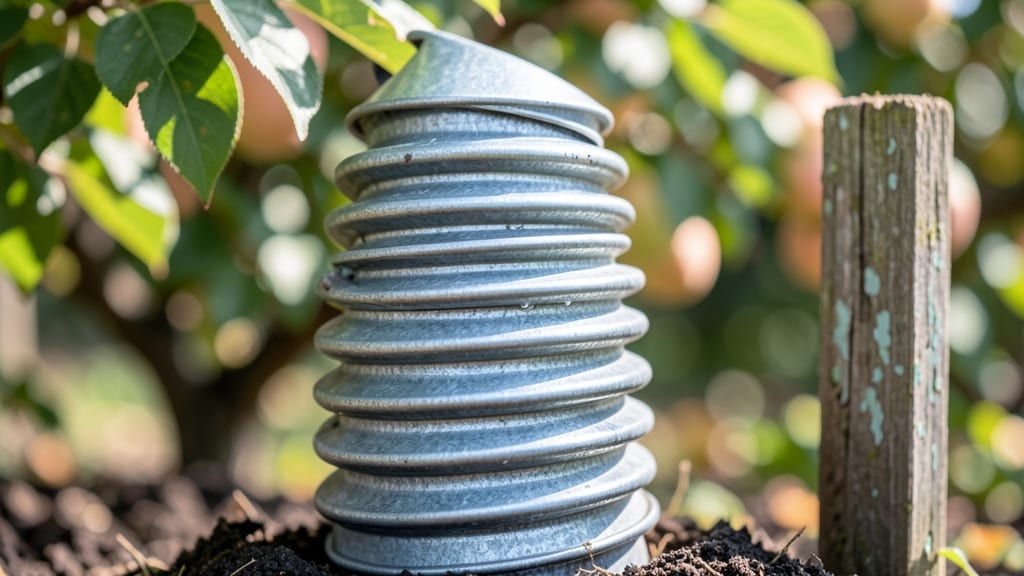
A squirrel baffle for fruit trees is the game-changer I wish I’d discovered years ago—before those furry bandits turned my apple harvest into a squirrel buffet. 🌳 The right baffle keeps them from climbing, gnawing, and stealing fruit while your trees are still laden, saving you from the heartbreak of watching your labor disappear overnight.
You don’t need fancy equipment—just a few basic supplies like sturdy netting, tree guards, or even DIY materials like hardware cloth wrapped around the trunk. The key is installing it before squirrels get wise to your fruit’s ripening schedule, usually in early spring when they start scouting for food.
A well-placed baffle works year-round, but it’s especially critical during harvest season when temptation peaks.
With the right setup, you’ll wake up to fruit still on the tree where it belongs, not scattered in the yard or buried in a squirrel’s stash. Plus, it deters other pests like raccoons and birds, making your orchard a whole lot easier to manage.
Let’s get your trees protected before next season’s harvest disappears!
Whether you’re dealing with a single backyard tree or a small orchard, these baffles adapt easily. Just match the height and material to your tree’s size and the local critters you’re dealing with.
The peace of mind alone is worth the effort—no more waking up to half-eaten fruit or chewed bark!
📚 In This Guide
- What you need
- Instructions
- Tips and common mistakes
- Wrapping up and next steps
What you need
- ● 1–2 rolls of heavy-duty plastic sheeting (6–10 mil thickness, 5–10 ft wide) – enough to wrap around your tree’s trunk and extend upward.
- ● 1–2 rolls of wire mesh or hardware cloth (½-inch mesh, 2–3 ft wide) – for a sturdy, squirrel-proof barrier.
- ● Ziploc bags or heavy-duty trash bags (10–20 gallon size) – to create a DIY baffle if you’re short on time.
- ● Staple gun + staples – for securing plastic or mesh tightly.
- ● Tape measure – to measure your tree’s girth and baffle height.
- ● Scissors or utility knife – for cutting materials to size.
- ● Tree wrap or burlap – to protect the bark from plastic abrasion.
- ● Heavy-duty zip ties – for extra-secure fastening.
- ○ Spray paint (optional) – to camouflage the baffle for a cleaner look.
- ● Gloves – because squirrel-proofing is a hands-on job!.
- ● A mature fruit tree (younger trees may not need a full baffle yet).
- ● Clear weather – avoid windy or rainy days for best results.
- ● Ladder (if needed) – for reaching higher branches.
Step-by-Step instructions for building a squirrel baffle for fruit trees
Here's how I protect my fruit trees without harming those pesky squirrels.
🪴 Step 1: Measure and Cut Your Baffle Materials
First, you'll need to measure the trunk of your fruit tree. Use a tape measure to determine the circumference at the base, then add 2 inches to account for the baffle's overlap. For a 4-inch diameter trunk, you'll need a baffle that's roughly 12-14 inches in diameter. Cut your materials—whether it's hard plastic sheeting, metal flashing, or sturdy cardboard—to this size.
If you're using hard plastic sheeting, cut it into a 12-inch diameter circle and then create a 2-inch wide ring by cutting a smaller circle from the center. This ring will fit snugly around the trunk. For metal flashing, bend it into a cylinder that matches the trunk's circumference, leaving a 2-inch overlap for securing. Real talk: if your trunk is irregular, trace it directly onto your material before cutting.
💧 Step 2: Assemble and Secure the Baffle
Once you have your baffle pieces, slide them around the trunk and secure them tightly. For plastic or cardboard baffles, use zip ties or staples to hold them in place. Make sure the baffle sits 6-12 inches above the ground—this prevents squirrels from digging underneath. If you're using metal flashing, overlap the edges and fasten them with staples or screws so they can't be pried open.
Here's the thing—squirrels are clever. If the baffle isn't secure, they'll find a way around it. Double-check that there are no gaps larger than ½ inch anywhere on the baffle. You'll also want to leave a small gap at the top (about ½ inch) to allow rainwater to drain. This keeps the trunk from rotting while still blocking squirrels.
☀️ Step 3: Install and Monitor the Baffle
Slide the baffle up the trunk until it sits 6-12 inches above the ground, then secure it in place. If you're using zip ties, space them every 4-6 inches around the trunk for stability. For metal flashing, bend the top edge slightly outward to create a 1-inch lip that squirrels can't climb over. Once installed, give it a gentle shake—if it wobbles, add more secure fasteners.
Watch for the first few weeks to see if squirrels are still trying to access the tree. If you notice them climbing over the baffle, you may need to add a second baffle higher up or adjust the angle of the top edge. I like to check my baffles after heavy rains to ensure they're still secure and not warped from moisture.
✂️ Step 4: Maintain and Adjust as Needed
After installation, inspect your baffle once a month to ensure it's still intact. Squirrels can be persistent, so if you see any damage—like chewed edges or loose fasteners—repair it immediately. Over time, the baffle may shift due to tree growth or weather, so adjust it as needed to keep it snug. If your tree grows significantly, you may need to add a second baffle higher up to maintain protection.
This is the moment that matters: if you see squirrels successfully bypassing your baffle, don't give up. Try a different material or design—some gardeners even add spikes or netting around the top edge for extra deterrence. The key is persistence. With the right setup, you'll save your harvest and keep those squirrels at bay.
Tips & tricks for perfect squirrel baffles
These practical tricks will help you create a baffle that actually works the first time—and keeps working for years.
Material Selection Matters: For long-term durability, I recommend hard plastic sheeting or metal flashing over cardboard. Plastic won't warp from moisture, and metal won't decompose. If you choose cardboard, opt for thick, corrugated boxes and seal all edges with waterproof tape to prevent rot. The 2-inch overlap mentioned in Step 1 is crucial for a snug fit—this prevents squirrels from squeezing through gaps.
Precision Cutting Tip: When cutting your baffle ring from plastic sheeting, use a sharp utility knife and a straightedge for clean cuts. If your trunk isn't perfectly round, trace directly onto the material before cutting to ensure a perfect fit. For metal flashing, bend it gradually at room temperature—don't force it, or you'll create weak spots where squirrels can pry it open. The 12-14 inch diameter range works for most fruit trees, but always measure your specific trunk first.
Security Check: After securing your baffle with zip ties or screws, do this quick test: try to lift one edge with your hands. If it budges even slightly, add more fasteners. Squirrels can be surprisingly strong—they'll exploit any weakness. The ½-inch gap at the top is non-negotiable for drainage, but make sure this opening is too narrow for squirrels to climb through. I've seen them try to squeeze through openings that seemed too small!
Seasonal Adjustments: Check your baffle after the first heavy rain—moisture can warp materials over time. If using plastic, ensure it's UV-resistant to prevent cracking from sunlight. For metal flashing, consider adding a small drip edge at the bottom to direct water away from the trunk. The monthly inspection mentioned in Step 4 is your best defense against squirrel ingenuity—don't skip it, even if your tree looks untouched.
Pro Tips for Squirrel Baffle For Fruit Trees
- These practical tricks will help you create a baffle that actually works the first time—and keeps working for years.
- Material Selection Matters: For long-term durability, I recommend hard plastic sheeting or metal flashing over cardboard.
- Precision Cutting Tip: When cutting your baffle ring from plastic sheeting, use a sharp utility knife and a straightedge for clean cuts.
Frequently asked questions
What’s the best time of year to install a squirrel baffle?
Install your baffle before squirrels discover your trees—ideally in late winter or early spring (February–March). This gives you a head start on hungry pests before fruit buds swell. If you’re late, act fast: squirrels are crafty and can start raiding as soon as fruit appears! Pro tip: Check for early signs of chewing () and install immediately if you spot them.
How high should I hang the baffle above the tree?
Aim for 6–8 feet off the ground to deter climbing squirrels. If your tree is mature, add a secondary baffle 2–3 feet below the first—squirrels are persistent! Use sturdy poles or your tree’s trunk as an anchor. Never attach it directly to branches; this can damage the tree. Bonus: Pair baffles with pruning to keep lower branches trimmed.
Are there cheaper alternatives to commercial squirrel baffles?
Yes! DIY options include:
- Hardware cloth or chicken wire: Wrap ½-inch mesh around the trunk (6+ feet high) and secure with zip ties.
- Plastic sheeting: Spiral-wrap smooth, slippery plastic (like pond liner) to create a barrier.
- Tree guards: Repurpose plastic tree shelters (cut to size) for young trees.
While not as sleek, these work—just ensure they’re secure and squirrel-proof! Warning: Avoid rough materials that can girdle the tree.
What if squirrels keep getting through? Troubleshooting tips!
If baffles fail, try these fixes:
- Check for gaps: Squirrels exploit even tiny holes. Seal edges with wire or duct tape (remove tape later to avoid damage).
- Add a “squirrel bridge” deterrent: Hang a second baffle at a 45° angle to confuse climbers.
- Use repellents: Spray hot pepper wax or predator urine (fox/coyote) around the trunk (reapply weekly).
- Harvest faster: Pick fruit as soon as it ripens to remove the incentive!
Still stumped? Combine baffles with netting over fruit clusters for extra protection.
Will a squirrel baffle harm my tree or block sunlight?
Not if installed correctly! Use opaque but breathable materials (like PVC pipes or commercial baffles with ventilation holes). Avoid wrapping the trunk entirely—leave a 12-inch gap at the base to prevent moisture buildup. Never paint or seal the baffle; this can suffocate the tree. Pro move: Choose baffles with UV protection to prevent cracking.
Wrapping up and next steps
Protecting your fruit trees from squirrels doesn’t have to be a guessing game—with a squirrel baffle, you’ve got a foolproof, humane, and cost-effective solution! 🌳🐿️ Whether you’re a seasoned gardener or just starting out, these barriers save your harvest while keeping critters happy (and far away from your peaches).
Ready to take action? Measure your trees, gather your supplies, and install your baffle before squirrel season peaks! Your future harvest—and your sanity—will thank you.