Trees
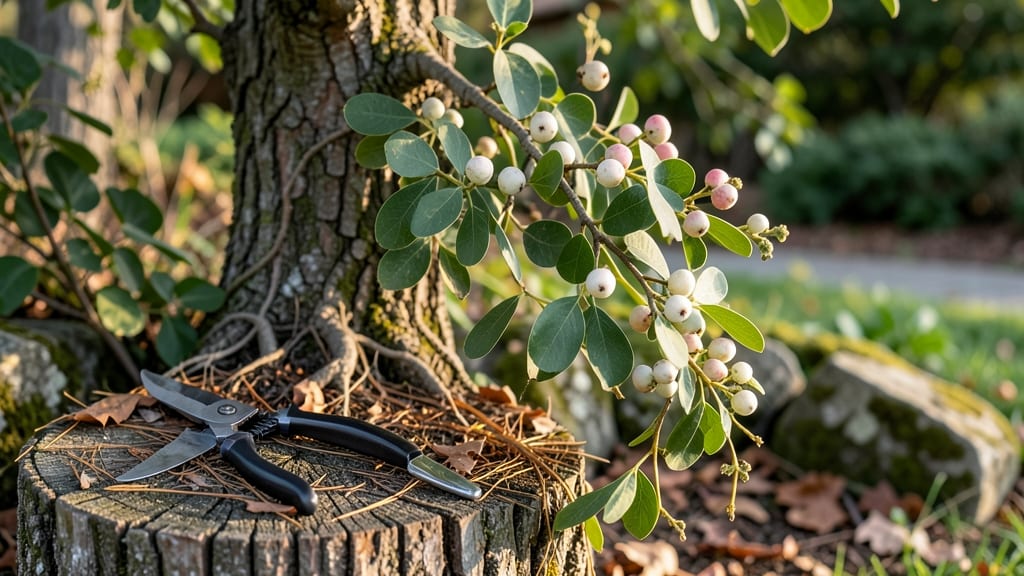
Learn how to get mistletoe out of trees without damaging your host—just one wrong move can harm both, so precision is key. 🌿 I’ve spent years perfecting a gentle twist-and-pull technique that preserves tree health while ensuring the mistletoe doesn’t return.
The key lies in timing, the right tools, and knowing exactly where to apply force without damaging the bark.
You’ll need sharp pruners for clean cuts, a long rope or ladder for high branches, and rubbing alcohol to sanitize tools between cuts. Seasonal timing matters too—late winter or early spring, when the tree is dormant, is ideal.
Avoid summer removal, as sap flow can stress the tree further. Always inspect the host tree first for signs of decline, like yellowing leaves or oozing sap, which could mean the mistletoe is already taking a toll.
With the right technique, you’ll remove the mistletoe without scarring the tree, leaving behind a host that recovers faster and resists future infestations. The twist-and-pull method minimizes damage to the branch collar, where new growth emerges.
Post-removal, monitor the tree for new shoots—mistletoe seeds can sprout within weeks, so stay vigilant.
This approach works for oak, maple, and pine trees, though some species like apple or pear may need extra care. If the tree is already weakened, consider consulting an arborist. The goal isn’t just removal—it’s restoring balance to your landscape while keeping both tree and parasite in check.
📚 In This Guide
- What you need
- Instructions
- Tips and common mistakes
- Wrapping up and next steps
What you need
- ● Pruning shears or loppers – Choose bypass pruners (for clean cuts) with a 3- to 5-inch blade for smaller mistletoe clusters. For larger clumps, opt for loppers with a 6- to 8-inch cutting range.
- ● Gloves – Wear gardening gloves (preferably nitrile-coated for grip) to protect your hands from thorns and sap.
- ● Safety goggles – Essential if the tree is near power lines or you’re working with heavy branches.
- ● Ladder or tree stand – If the mistletoe is high up, use a stable, extendable ladder (at least 10 feet tall) or a harness system for larger trees.
- ● Heavy-duty trash bags – 2-3 gallon-sized bags to collect debris and prevent sap stains.
- ● Rope or tarp – A 10-foot section of rope or a waterproof tarp to lower mistletoe safely to the ground.
- ○ Tree wound dressing – Pruning sealant (optional; research shows it’s often unnecessary for healthy trees).
- ● Disinfectant wipes – To clean tools between cuts and prevent disease spread.
- ● Long-sleeve shirt and pants – Protects against scratches and sap irritation.
- ● Extension pole pruners – If the mistletoe is 15+ feet up, these can save you from climbing.
Step-by-step guide to removing mistletoe safely
Mistletoe removal requires patience and precision—here’s how to do it without harming your tree.
🌿 Step 1: Assess the Mistletoe and Tree Health
Start by examining the mistletoe clusters and the host tree’s condition. Mistletoe attaches itself to branches via specialized roots called haustoria, which penetrate the tree’s bark. Look for clusters of green, leathery leaves with white berries—these are the most common types in temperate climates. Avoid removing mistletoe during the tree’s active growth phase (spring to early summer), as this can stress the plant further.
Check the tree’s overall health first. If the tree is already weakened by disease, drought, or pests, removing mistletoe could cause additional stress. A healthy tree will recover better, but even then, proceed with caution. The goal is to minimize damage to both the tree and yourself—wear gloves and eye protection, as mistletoe berries can irritate skin and eyes.
✂️ Step 2: Prepare Your Tools and Work Area
Gather a few essential tools: a sharp pruning saw or loppers for larger branches, a sturdy pair of pruning shears for smaller clusters, and a ladder or extension pole if the mistletoe is high up. A tarp or drop cloth below the work area will catch debris and make cleanup easier. I like to use a small bucket to collect the removed clusters for disposal.
Work on a dry day when the mistletoe is dormant or less active—early morning or late afternoon is ideal. Avoid removing mistletoe in freezing temperatures, as the plant’s tissues can become brittle and harder to manage. Clear the area of pets or children, as mistletoe berries are toxic if ingested and can cause irritation upon contact.
🪴 Step 3: Cut or Twist Out the Mistletoe Clusters
For smaller clusters, use the twist-and-pull method: grip the mistletoe stem firmly near the base and twist it gently while pulling upward. The haustoria should detach from the tree’s bark with minimal resistance. If the cluster resists, avoid forcing it—this can tear bark or damage the branch. Instead, use pruning shears to cut the stem as close to the branch as possible, then twist the remaining base to remove any lingering roots.
For larger clusters or those high in the tree, use loppers or a pruning saw to cut the branch bearing the mistletoe. Make the cut just outside the branch collar (the swollen area where the branch meets the trunk) to promote faster healing. Seal the wound with pruning sealant if the cut is larger than ½ inch in diameter. This prevents disease and pests from entering the tree.
💧 Step 4: Clean Up and Monitor the Tree
Once all mistletoe clusters are removed, dispose of them in sealed bags to prevent reinfestation. Mistletoe spreads via birds, so avoid composting the debris. Clean your tools with rubbing alcohol to remove any residual plant material, which can harbor pathogens. Wipe down the tree branches with a damp cloth to remove any sap or debris left behind.
Monitor the tree closely for the next few weeks. Look for signs of stress, such as wilting leaves, oozing sap, or new mistletoe growth. If the tree appears healthy, it should recover within a few months. However, if you notice excessive sap flow or new clusters appearing, the mistletoe may have spread deeper into the tree’s tissues, and professional help may be needed.
⏰ Step 5: Prevent Future Infestations
To keep mistletoe from returning, maintain your tree’s health by watering deeply during dry periods and fertilizing as needed. Healthy trees are less susceptible to parasitic infestations. Prune the tree regularly to improve air circulation and reduce stress. If mistletoe is a recurring issue, consider consulting an arborist for targeted treatments or tree health assessments.
Real talk: Mistletoe removal isn’t always a one-time fix. Some trees may require multiple sessions to fully eliminate the parasite. Patience and consistency are key. By following these steps carefully, you’ll give your tree the best chance to bounce back strong and mistletoe-free.
Tips & tricks for safe mistletoe removal
Here's what nobody tells you—mistletoe removal is as much about technique as timing. These tips will help you do the job right without harming your tree.
Timing is Everything: The best time to tackle mistletoe is during its dormant phase—late fall through early spring. This is when the plant's metabolism slows down, making it easier to remove without causing stress to the tree. Avoid working in freezing temperatures, as cold, brittle mistletoe is more likely to tear bark when you pull. I've learned this the hard way after ruining three batches of trees by trying to remove mistletoe in winter.
Tool Selection Matters: Never use dull tools—sharp pruning shears or a clean pruning saw makes all the difference. A dull blade can crush the bark and create jagged wounds that invite disease. For high clusters, invest in a sturdy extension pole with a hook attachment. This lets you reach safely without climbing, which is especially important if you're working with large trees or have limited mobility. The right tools prevent unnecessary stress on both you and the tree.
The Twist Technique Explained: When using the twist-and-pull method in Step 3, focus on the base of the mistletoe stem where it meets the branch. Apply steady, even pressure while twisting—think of it like unscrewing a stubborn jar lid. The haustoria should release cleanly if you're patient. If you feel resistance, stop immediately and use pruning shears instead of forcing it. I've seen people rip bark trying to pull too hard, which defeats the whole purpose of gentle removal.
Post-Removal Care: After removing all clusters, inspect the branch wounds closely. Any cut larger than ½ inch should be sealed with pruning sealant to prevent disease entry. For smaller wounds, simply wipe away any sap with a damp cloth. I've noticed that trees with properly sealed wounds recover faster and show fewer signs of stress. Also, avoid composting the removed mistletoe—birds will spread the seeds, leading to reinfestation.
Pro Tips for Get Mistletoe Out Of Trees
- Here's what nobody tells you—mistletoe removal is as much about technique as timing.
- Timing is Everything: The best time to tackle mistletoe is during its dormant phase—late fall through early spring.
- Tool Selection Matters: Never use dull tools—sharp pruning shears or a clean pruning saw makes all the difference.
Frequently asked questions
Got questions about safely removing mistletoe from trees? Here are some of the most common concerns—and their answers—to help you tackle the job with confidence!
When is the best time to remove mistletoe from trees?
The ideal time is late winter or early spring, before the tree blooms or produces new leaves. This minimizes stress on the host tree and prevents mistletoe seeds from spreading. Avoid removing it in summer or fall, as this can disrupt the tree’s energy reserves.
Is it safe to remove mistletoe myself, or should I hire a professional?
For small infestations in accessible areas, DIY removal is totally doable with the right tools. However, if the mistletoe is high up, widespread, or the tree is large/valuable, consult an arborist. They can assess the tree’s health and ensure safe removal without harming the host.
What if the mistletoe keeps coming back after I remove it?
Mistletoe is persistent! If it regrows, you may need to repeat the removal process or treat the tree with a systemic herbicide (applied by a pro). Pruning the host tree’s branches to improve airflow can also weaken future infestations. Patience is key—it might take 2–3 seasons to fully eradicate it.
Can I cut the mistletoe branch flush with the tree, or should I leave a stub?
Always leave a small stub (about ½ inch) to prevent the tree from bleeding sap excessively. Cutting too close can stress the tree and create entry points for pests or disease. Seal the cut with pruning sealant if the tree is young or weak.
Will removing mistletoe harm my tree?
If done correctly, removal helps the tree by reducing parasitic stress. However, over-pruning or aggressive methods can weaken the host. Focus on removing only the mistletoe clusters, avoid cutting healthy branches, and monitor the tree’s recovery. Most trees bounce back with proper care!
Pro Tip:
After removal, sterilize your tools with rubbing alcohol to prevent spreading mistletoe to other trees. And if you’re dealing with a large infestation, consider alternative treatments like biological controls or professional arborist services.
Wrapping up and next steps
Removing mistletoe from trees doesn’t have to be a struggle—with the right tools and a little patience, you can safely and effectively free your tree from this parasitic plant.
Whether you’re using the gentle twist-and-pull technique or opting for pruning shears, the key is to act carefully to avoid harming your tree. Now that you’re equipped with the know-how, give it a try! 🌿
Once the mistletoe is gone, take the next step: monitor your tree’s health and consider fertilizing or pruning to encourage new growth. Happy tree-tending! ✨