
Trees
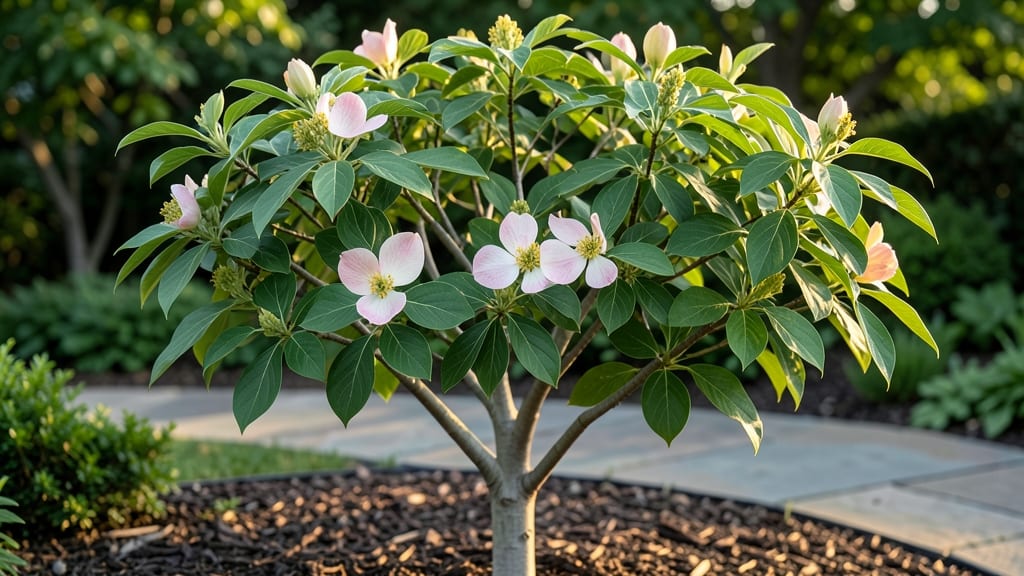
The small flowering dogwood tree (Cornus florida) brings Pacific Northwest gardens to life with its delicate spring blooms and fiery fall foliage. I planted mine last October, and now it’s the star of my shady corner—its white blossoms last for weeks, even in damp climates.
This tree thrives where others struggle: moist soil, partial shade, and mild winters make it a local favorite.
You’ll need well-draining, acidic soil (think compost mixed with peat moss) and a spot with 4-6 hours of morning sun. Container growing works too—just choose a pot with drainage and root space for at least 3 feet deep.
Water deeply after planting, then let the top inch of soil dry between waterings. Mulch helps retain moisture and mimics the forest floor it loves.
Pruning is minimal—just remove dead branches in late winter and thin crowded stems to improve airflow. The real magic happens naturally: spring’s fragrant blooms, summer’s glossy leaves, and autumn’s red-orange foliage. Even birds and bees adore it, turning your yard into a seasonal showcase without extra effort.
Perfect for small yards, urban lots, or as a specimen tree. Once established, it’s nearly maintenance-free and outlasts many trendy garden plants. Here’s how to get yours growing strong—no green thumb required.
📚 In This Guide
- What you need
- Instructions
- Tips and common mistakes
- Wrapping up and next steps
What you need
- ● Small flowering dogwood tree (1-3 years old, 6–10 ft tall at maturity). Pro tip: Choose a native cultivar like Cornus florida ‘Cherokee Chief’ or ‘Stella Compact’ for PNW resilience! 🌡️
- ● High-quality potting mix (2–3 bags, 2–3 cubic feet each) or native soil blend (for in-ground planting). Look for: Well-draining, slightly acidic (pH 5.0–6.0).
- ● Organic mulch (3–5 bags, 2–3 cubic feet each; cedar, pine bark, or wood chips work well).
- ● Slow-release fertilizer (1–2 bags, 10–15 lbs). Recommended: 10-10-10 or a balanced organic option like fish emulsion.
- ● Garden trowel or spade (for transplanting or soil prep).
- ● Shovel (for digging planting holes).
- ● Pruning shears (sharp, bypass-style for clean cuts).
- ● Wheelbarrow or bucket (for mixing soil/amendments).
- ● Garden hose or watering can (with a gentle spray nozzle).
- ● Measuring tape (to ensure proper spacing—10–15 ft apart for mature trees).
- ● Tree guard or protective wrap (to shield from critters or winter winds).
- ● Soil pH test kit (to confirm acidity levels).
- ● Epsom salt (for magnesium boost if leaves show yellowing).
- ● Drip irrigation system (for consistent moisture in dry PNW summers).
Step-by-step guide for planting a small flowering dogwood tree
Here's how to establish a resilient Pacific Northwest dogwood that thrives through all seasons.
🌱 Step 1: Choose the Perfect Planting Location
Flowering dogwoods need part shade to full shade—think 4-6 hours of morning sun with afternoon shade protection. In the Pacific Northwest's cooler climate, avoid hot, exposed sites where leaves will scorch. Look for spots with well-draining soil and natural shelter from harsh winds, like near a fence or building.
I always test the soil first by digging a 12-inch deep hole. If water pools after 30 minutes, amend the area with 2-3 inches of compost to improve drainage. Dogwoods hate soggy roots, so raised beds work beautifully if your yard stays wet in winter.
🪴 Step 2: Dig and Prepare the Planting Hole
Dig a hole twice as wide as the root ball but no deeper—dogwoods hate being buried too deep, which can suffocate roots. Loosen the sides of the hole with a shovel to encourage root spread. Mix the removed soil with 2-3 inches of compost and a handful of slow-release fertilizer (like 10-10-10) to give your tree a nutrient boost.
Gently remove the dogwood from its container and tease the roots outward if they're circling. Place the tree in the hole so the top of the root ball sits level with the ground—never mound soil around the trunk. This ensures proper water absorption and prevents rot.
☀️ Step 3: Plant and Water for Immediate Stability
Backfill the hole with the amended soil, pressing lightly as you go to remove air pockets. Water deeply (about 1 gallon) to settle the soil around the roots. You'll see the ground firm up—this means the roots are making contact with moist soil. Mulch the base with 2-3 inches of wood chips, keeping it 6 inches away from the trunk to prevent rot.
Here's the thing—dogwoods are sensitive to overwatering. After planting, water every 3-4 days until new growth appears (usually 4-6 weeks), but always check the soil first. Stick your finger 2 inches deep—if it's dry, water; if damp, wait. Overwatering in the first year is the #1 reason these trees fail.
✂️ Step 4: Maintain Through the First Growing Season
Prune only to remove dead or crossing branches in early spring. Dogwoods bloom on old wood, so avoid heavy pruning—just shape lightly if needed. Fertilize once in early spring with a balanced formula (like 10-10-10) to support root development. Too much fertilizer leads to weak wood and fewer flowers.
Watch for yellowing leaves—this usually means the tree needs more shade or better drainage. If leaves curl in summer, it's likely thirsty; water deeply once a week during dry spells. In winter, mulch adds an extra 2 inches for insulation against Pacific Northwest frosts.
Tips & tricks for planting a Pacific Northwest dogwood tree
Took me years to figure out what makes these trees thrive in our rainy climate—here's what nobody tells you about planting dogwoods.
Location is Everything: That 4-6 hours of morning sun is critical for blooms, but afternoon shade is non-negotiable in the Pacific Northwest. I've seen dogwoods planted in full sun wilt by summer—look for spots where leaves get morning warmth but afternoon relief. The 12-inch soil test is key: if water pools after 30 minutes, you're dealing with clay soil that'll suffocate roots.
Root Ball Placement Matters: The top of the root ball must sit level with the ground—never above or below. I learned this the hard way when my first dogwood developed root rot from being planted too deep. Use a level tool to check, and always remove the container to inspect the root ball before planting. Circling roots? Gently tease them outward with your fingers.
Watering Wisdom: That gallon of water after planting isn't just for show—it helps settle the soil around roots so they make immediate contact with moisture. The 3-4 day watering schedule is a guideline, not a rule: stick your finger 2 inches deep and water only when dry. I've seen dogwoods die from overwatering in our damp climate—less is often more.
Mulching Magic: The 2-3 inches of wood chips aren't just decoration—they regulate soil temperature and retain moisture. Keep that mulch 6 inches from the trunk to prevent rot, and add an extra 2 inches in winter for frost protection. I use cedar mulch because it naturally repels pests that love dogwood bark.
Pro Tips for Small Flowering Dogwood Tree
- Took me years to figure out what makes these trees thrive in our rainy climate—here's what nobody tells you about planting dogwoods.
- Location is Everything: That 4-6 hours of morning sun is critical for blooms, but afternoon shade is non-negotiable in the Pacific Northwest.
- Root Ball Placement Matters: The top of the root ball must sit level with the ground—never above or below.
Frequently asked questions
Got questions about nurturing your small flowering dogwood tree? You’re not alone! Here are answers to the most common queries from gardeners in the Pacific Northwest and beyond.
How fast does a small flowering dogwood tree grow?
A healthy dogwood typically grows 12–24 inches per year under ideal conditions. In the PNW’s mild climate, expect slower growth (closer to 6–12 inches annually) due to cooler summers. Patience pays off—these trees mature gracefully over 10–20 years, rewarding you with stunning blooms and seasonal color shifts.
When is the best time to plant a flowering dogwood in the Pacific Northwest?
Plant in early spring (March–April) or fall (September–October) for optimal root establishment. Avoid summer heat or winter frosts, which can stress young roots. PNW’s wet winters mean fall planting works well, but ensure soil isn’t waterlogged—amend with compost to improve drainage.
Why aren’t my dogwood flowers opening this year?
Several factors could be at play: over-pruning (remove no more than 1/3 of branches annually), nutrient deficiency (test soil for phosphorus/potassium), or drought stress. Dogwoods thrive in moist, well-draining soil—mulch heavily and water deeply during dry spells. If blooms still refuse, check for powdery mildew (a fungal issue common in humid PNW summers).
Can I grow a flowering dogwood in a container or small yard?
Yes! Dwarf varieties like ‘Pocahontas’ or ‘Cherokee Brave’ stay under 10 feet tall and thrive in 15–20 gallon containers. Use a balanced, acidic pH soil mix (5.0–6.0) and repot every 2–3 years. Place in partial shade (especially in hot afternoons) and protect from harsh winds. Just ensure the container has drainage holes!
Are dogwood trees prone to pests or diseases in the PNW?
Dogwoods are generally resilient, but watch for borers (woodpecker activity = red flag), leaf spot fungi (remove infected leaves promptly), and anthracnose (common in wet springs). Preventative care helps:
- Prune in late winter to improve airflow.
- Avoid overhead watering to reduce fungal spores.
- Apply copper fungicide if leaf spots appear.
Wrapping up and next steps
The small flowering dogwood tree is a true gem for Pacific Northwest gardens—its stunning blooms, vibrant fall colors, and year-round charm make it a standout choice.
Whether you're a beginner or a seasoned gardener, this resilient tree brings beauty with minimal fuss, thriving in shade and adding character to any landscape.
Ready to plant your own? Start by picking the perfect spot, gathering supplies, and following the steps with confidence. Your garden (and future visitors!) will thank you for this easy, rewarding addition—happy planting! 🌸🌿