
Propagation
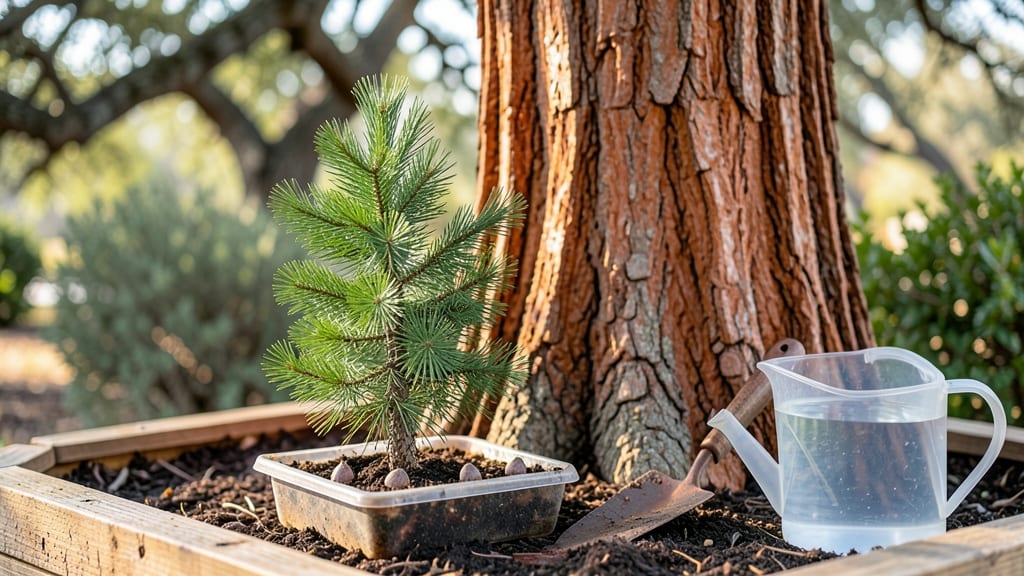
Growing sequoia trees from seeds is like nurturing a tiny piece of ancient forest—except most people never get past the first year. 🌲 The key starts with fresh seeds from a mature cone, because store-bought seeds often won't germinate.
I learned this the hard way after my first batch of "viable" seeds sat dormant for months.
Sequoias need patience you won't find with fast-growing annuals. Cold stratification (mimicking winter) is non-negotiable—seeds require 60-90 days in moist sand or peat at 35-45°F before they'll even think about sprouting.
The soil mix should be 60% peat, 30% perlite, 10% sand, kept consistently damp but never soggy. Most growers quit here, but that's where the magic begins.
Once germinated, those first leaves appear after 3-6 months, but don't expect fast growth—sequoias take 5-10 years just to reach 6 feet. The real reward comes when you see them develop their signature thick bark and towering stature.
With proper care, your sapling could one day cast shade over your grandchildren's backyard.
This process works best in USDA Zones 5-8, where winters are cold enough for natural stratification. For warmer climates, artificial cold treatment is essential. The payoff? A living monument that outlives most garden projects by centuries. Let's get those cones opened and seeds planted right.
📚 In This Guide
- What you need
- Instructions
- Tips and common mistakes
- Wrapping up and next steps
What you need
- ● Sequoia tree seeds: Collect fresh, viable seeds from mature cones (or purchase from a trusted supplier). Aim for at least 50 seeds to account for germination variability.
- ● Seed-starting mix: A high-quality, well-draining peat-based or coco coir blend (avoid garden soil—it’s too dense!). You’ll need about 2–3 gallons for a standard seed tray.
- ● Seed trays or small pots: Use biodegradable peat pots or 4–6 inch nursery pots (one per seedling). Opt for trays with drainage holes.
- ● Grow lights or a sunny windowsill: Sequoias thrive on 12–16 hours of light daily. A full-spectrum LED grow light is ideal for indoor starts.
- ● Misting bottle or spray nozzle: Keep the soil consistently moist (not soggy) during germination. Aim for light, frequent misting.
- ● Plastic wrap or humidity dome: Creates a mini greenhouse to retain moisture while seeds germinate.
- ○ Fertilizer (optional but helpful): A balanced, water-soluble fertilizer (e.g., 10-10-10) diluted to half-strength for young seedlings.
- ● Small hand trowel or spoon: For gently planting seeds without disturbing the soil.
- ○ Thermometer (optional): Ideal germination temps are 60–70°F (15–21°C). A seedling heat mat (if needed) can help maintain warmth.
- ● Labeling tags: Mark each pot with the planting date and seed type to track progress.
- ● Patience and space: Sequoias grow slowly—plan for 1–2 years before transplanting outdoors.
Step-by-step instructions for growing sequoia tree saplings
Here's how to nurture these giants from tiny seeds to sturdy young trees.
🌱 Step 1: Extract and Prepare the Seeds
Sequoia cones take 1-2 years to fully open, so gather mature cones when they begin cracking naturally. Place them in a warm, dry location for 2-3 weeks to encourage full opening—this releases the winged seeds inside. Collect seeds by gently shaking open cones over a tray or paper.
Sequoia seeds have a hard outer shell that requires stratification to break dormancy. Mix seeds with slightly damp sandy potting mix in a sealed container, then refrigerate for 60-90 days. Check monthly to ensure the mix stays lightly moist—dryness halts germination entirely.
☀️ Step 2: Sow in a Controlled Environment
After stratification, sow seeds ¼ inch deep in a sterilized seed-starting mix in small pots or trays. Sequoias need 60-70°F soil temperatures to germinate, so use a seedling heat mat if your home runs cooler. Keep the mix consistently moist but never soggy—excess water causes rot before germination.
Place the tray under grow lights for 14-16 hours daily to prevent leggy growth. Germination takes 4-8 weeks, but patience is key—some seeds may take longer. Thin seedlings to 1 per pot once they reach 2 inches tall, using clean scissors to avoid damaging roots.
🌿 Step 3: Transplant and Provide Long-Term Care
When seedlings develop 3-4 true leaves (about 6-12 months after sowing), transplant them to individual 5-gallon pots with well-draining soil. Sequoias need full sun and deep watering—water when the top 2 inches of soil feel dry, then soak thoroughly. Overwatering is the #1 killer of young sequoias.
Fertilize lightly with balanced organic fertilizer (10-10-10) every 3 months during growing season. Sequoias grow slowly—expect 1-2 feet per year under ideal conditions. Acclimate seedlings to outdoor conditions over 2 weeks before permanent planting, moving them gradually from shade to sun.
⏰ Step 4: Prepare for Outdoor Planting
Choose a permanent site with well-draining soil and full sun exposure. Sequoias need space—plant saplings 10-15 feet apart to allow for future growth. Dig a hole twice as wide as the root ball but no deeper, then place the sapling so the top of the root ball sits 1 inch above ground level.
Water deeply after planting to settle soil around roots, then mulch with 3 inches of wood chips to retain moisture and suppress weeds. Young sequoias are vulnerable to deer and rodents—protect them with wire mesh until established. With proper care, your saplings will grow into towering giants in just decades.
Tips & tricks for growing sequoia tree saplings
Between us, these ancient giants start with surprisingly delicate beginnings—here’s how to give your sequoia seeds the best shot at becoming forest legends.
Cone Collection Timing: The 2-3 week drying period for cones is non-negotiable—this mimics their natural release cycle. I’ve learned the hard way that impatiently cracking open unripe cones yields seeds that won’t germinate. Look for cones that are starting to split on their own, with a papery, brownish texture. Store them in a paper bag in a warm, dry spot (like a sunny windowsill) to speed up the process without overheating.
Stratification Secrets: That 60-90 day cold treatment is where the magic happens, but consistency is everything. I use a clear plastic container with drainage holes so I can easily check moisture levels without disturbing the seeds. The mix should feel like a damp sponge—if it’s dry, add a teaspoon of water; if it’s soggy, add more sandy mix. Pro tip: Label your container with the start date so you don’t forget when those 90 days are up!
Heat Mat Hack: Maintaining that 60-70°F soil temperature range is critical, especially if your home runs cooler. I’ve had success with inexpensive seedling heat mats ($15-$20) placed under the seed trays. For extra insurance, I wrap the bottom of the tray with bubble wrap—it creates a mini greenhouse effect that helps maintain warmth without overwatering. Just don’t let the soil get above 75°F, or you’ll risk damping off disease.
Lighting Strategy: Those 14-16 hours of grow light exposure prevent leggy seedlings that flop over like overgrown weeds. I use a simple T5 fluorescent grow light on a timer, positioned about 6 inches above the trays. Rotate the trays daily so all seedlings get even light exposure—this prevents them from growing toward one side. If you notice seedlings stretching toward the light, lower the light slightly or increase the hours to 16.
Pro Tips for Sequoia Tree Seeds
- Between us, these ancient giants start with surprisingly delicate beginnings—here’s how to give your sequoia seeds the best shot at becoming forest legends.
- Cone Collection Timing: The 2-3 week drying period for cones is non-negotiable—this mimics their natural release cycle.
- Stratification Secrets: That 60-90 day cold treatment is where the magic happens, but consistency is everything.
Frequently asked questions
Got questions about growing sequoia tree seeds? You’re not alone—these giants of the forest have some unique quirks! Here are answers to the most common queries to help you navigate from seed to sapling with confidence.
How long does it take for sequoia seeds to germinate?
Sequoia seeds can take anywhere from 1 to 4 months to germinate, depending on conditions. Cold stratification (chilling seeds for 30–90 days) mimics winter and speeds up the process. Patience is key—some seeds may even wait until spring to sprout! Keep soil moist but not soggy during this time.
Can I grow a sequoia tree from a seed I find in a cone?
However, not all seeds are viable—look for plump, brown seeds inside healthy, mature cones. Avoid seeds from cones that are moldy, shriveled, or fallen from the tree for over a year. Freshness matters! Store seeds in a cool, dry place until you’re ready to plant.
What’s the best soil mix for sequoia tree seeds?
A well-draining mix is critical. Use a blend of 50% peat moss or coco coir, 30% perlite or sand, and 20% compost. Sequoias hate soggy roots, so avoid heavy clay soils. For containers, ensure drainage holes are present to prevent waterlogging.
Why aren’t my sequoia seeds sprouting?
Several factors could delay germination:
- Lack of stratification: Sequoia seeds often need a cold period to break dormancy.
- Poor soil moisture: Keep the soil consistently damp (not wet) during germination.
- Old or non-viable seeds: Test a few seeds in a damp paper towel to check viability.
- Temperature issues: Ideal germination temps range between 60–70°F (15–21°C).
Can I grow sequoia trees indoors?
While possible, sequoias thrive outdoors in their native climate. If you’re determined to try indoors, use a large container (they grow fast!) with bright, indirect light. Expect to transplant seedlings outdoors within 1–2 years for optimal growth. Indoors, they may grow slower and weaker without proper sunlight and space.
Wrapping up and next steps
Growing sequoia tree seeds into thriving saplings is a rewarding journey that connects you to nature’s giants—literally! 🌱 From selecting the right cones to nurturing your seedlings with patience and care, every step brings you closer to cultivating a legacy of towering beauty.
Whether you’re a green thumb or a curious beginner, the key is consistency and observation—your little sequoias will thank you with decades of growth.
Ready to take the next step? Start small:
- Gather a few more cones from a trusted source.
- Join a local gardening club to share tips with fellow enthusiasts.
- Mark your calendar for next year’s planting season—your future forest awaits!