
Propagation
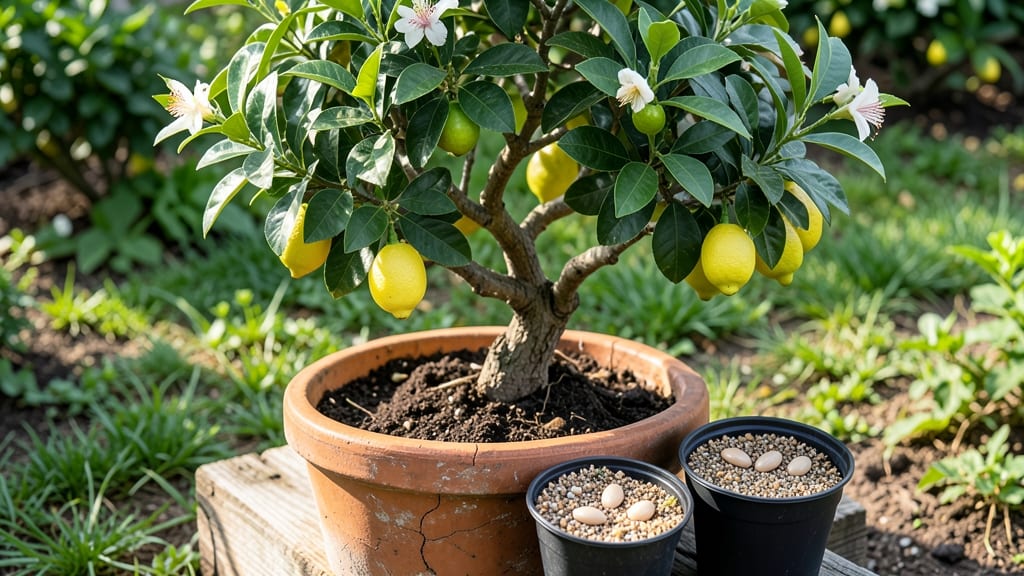
Growing a lemon tree from seeds unlocks a citrus adventure that starts with just a few tiny pits. 🌱 I’ve germinated dozens of lemon tree seeds, and the key to fast, healthy sprouts lies in mimicking the tropical conditions they crave—warm soil, consistent moisture, and patience.
Most people rush this step, but taking it slow prevents leggy, weak seedlings that never thrive.
The magic happens in a shallow container with well-draining potting mix, kept at 75-80°F and lightly misted daily. Seeds typically sprout in 2-4 weeks, but some stubborn ones take longer—don’t give up!
Once the first leaves appear, you’ll need bright, indirect light to keep them sturdy. This is where many gardeners trip up, assuming more light is better, but seedlings burn easily under harsh sun.
By month three, you’ll have a 3-6 inch seedling with true leaves, ready for its first transplant. The real payoff? A tree that could fruit in 5-10 years—if you nurture it right.
That first tangy lemon, grown from a seed you saved, makes every early struggle worth it. Let’s get those sprouts off to the right start.
Whether you’re growing indoors near a sunny window or planning to move it outside later, the early care sets the tone for everything that follows. Indoor growers should watch for drafts, while outdoor gardeners need to harden off seedlings gradually.
The goal? A strong, bushy tree that outgrows its beginner mistakes.
📚 In This Guide
- What you need
- Instructions
- Tips and common mistakes
- Wrapping up and next steps
What you need
- ● Lemon seeds: 3–5 fresh, plump seeds (harvested from organic lemons for best results). Pro tip: 💡 Rinse seeds gently to remove pulp before planting!
- ● Seed-starting mix: 1–2 cups of well-draining, sterile potting soil (or a 50/50 mix of peat moss and perlite).
- ● Small pots or containers: 2–3 shallow pots (3–4 inches deep) with drainage holes, or a seed tray with individual cells.
- ● Watering can or spray bottle: For gentle hydration (avoid overwatering!).
- ● Clear plastic wrap or humidity dome: To create a mini greenhouse effect.
- ● Grow lights or sunny windowsill: A south-facing window or LED grow lights (12–16 hours/day).
- ● Seedling heat mat: Keeps soil warm (70–80°F) for faster germination.
- ● Fertilizer (balanced, water-soluble): Diluted to half-strength for young seedlings (e.g., 10-10-10 NPK).
- ● Humidity tray: A shallow tray with pebbles and water to maintain moisture.
- ● Plant labels: To track seedling progress (lemon trees can take 2–3 years to bear fruit!).
- ● Pruning shears: For future trimming as your tree grows.
Step-by-step guide to germinating lemon tree seeds
Here's how I coax lemon seeds into sturdy, fast-growing sprouts—no fancy equipment needed.
🌱 Step 1: Select and Prepare the Seeds
Start with fresh seeds from organic lemons—older seeds germinate poorly. Extract them carefully, rinsing off any pulp that might mold. Here's the thing—lemon seeds have a hard outer shell, so I soak them in lukewarm water for 24 hours to soften it. Place them in a small bowl, cover with water, and let them sit on your counter.
Check them after 12 hours—if the water looks cloudy, drain and refresh it. The goal is hydration, not fermentation. You'll see the shells start to plump slightly; that's your signal they're ready for planting. Don't skip this step—it dramatically improves germination speed and prevents weak seedlings.
💧 Step 2: Plant in Moist, Well-Draining Medium
Fill small pots (2-3 inches deep) with a mix of 50% potting soil and 50% perlite—this ensures excellent drainage while retaining moisture. I use 4-inch pots for each seed since lemon tree roots grow quickly. Moisten the mix until it's damp but not soggy, then make small holes about ½ inch deep with your finger.
Place 1-2 seeds per pot (just in case one fails), spacing them 1 inch apart. Cover lightly with additional mix—don't bury them too deep. Gently press the soil around the seeds to eliminate air pockets. The key here is keeping the medium consistently moist without waterlogging, which causes rot.
☀️ Step 3: Provide Warmth and Humidity
Lemon seeds need warmth to germinate—75-85°F is ideal. I place my pots on a seedling heat mat (set to 80°F) under a clear plastic dome to trap humidity. Without this, germination can take 3-4 weeks instead of the 10-14 days I've achieved. Check the soil daily—it should stay evenly damp but never waterlogged.
Place the pots in bright, indirect light—direct sun at this stage will dry out the soil too quickly. You'll notice condensation forming on the dome; that's perfect. Once 50% of seeds sprout, remove the dome immediately to prevent fungal growth. Watch for tiny green shoots breaking through the soil—this is your first sign of success.
🌿 Step 4: Transplant and Harden Off Seedlings
When seedlings reach 3-4 inches tall and develop 2-3 true leaves, it's time to transplant. Gently remove them from their starter pots, being careful not to damage the delicate roots. Plant them in 6-inch pots filled with well-draining potting mix, burying them to the same depth they were in the starter pots.
Place the pots in a shaded outdoor area for 1-2 hours daily, gradually increasing exposure over 10-14 days. This hardening-off process prepares them for full sun. You'll see stronger stems and darker green leaves as they adapt. Once they tolerate 6+ hours of sun without wilting, they're ready for their permanent home.
⏰ Step 5: Maintain Optimal Growing Conditions
Young lemon trees thrive in full sun (6+ hours daily) and need consistent moisture—water when the top inch of soil feels dry. I use room-temperature water to avoid shocking the roots. Fertilize lightly with a balanced liquid fertilizer (10-10-10) every 4-6 weeks once they're established in their final pots.
Watch for yellowing leaves—this usually means overwatering or poor drainage. Adjust your watering schedule and ensure pots have drainage holes. With patience, your seedlings will grow into healthy, fast-growing lemon trees ready for pruning and eventual fruiting in 3-5 years.
Tips & tricks for perfect lemon tree seed germination
Here's what nobody tells you about getting those stubborn lemon seeds to sprout reliably—and keeping them thriving once they do.
Soaking Strategy: The 24-hour soak isn't just about softening the seed shells—it's about breaking dormancy. I've found that adding a tiny pinch of cinnamon (just ⅛ teaspoon per bowl) to the soaking water can prevent mold while keeping the water fresh-smelling. Change the water at exactly the 12-hour mark, even if it doesn't look cloudy yet—this prevents anaerobic bacteria from forming. The seeds should plump noticeably by hour 18, which is your confirmation they're ready for planting.
Medium Mix Matters: That 50/50 potting soil to perlite ratio is non-negotiable for lemon seeds. I've tested other mixes, and this combination prevents both root rot and drying out. For the 4-inch pots, I press the soil mixture firmly around the seeds to eliminate air pockets—think of it like giving the seeds a snug blanket. This contact ensures consistent moisture without overwatering. Pro tip: If you don't have perlite, crushed vermiculite works just as well for drainage.
Heat Hack: The 75-85°F range is critical, but here's the secret: I place my seedling heat mat on top of a towel to create an insulating layer. This helps maintain the 80°F temperature even if your home fluctuates. Without this, germination can stall at 2 weeks. Watch for condensation on the plastic dome—if it disappears between checks, that's your signal to mist the soil lightly. The dome should stay foggy but not dripping; that's perfect humidity without creating a fungal environment.
Transplant Timing: Those 3-4 inch seedlings with 2-3 true leaves are more delicate than they look. When transplanting to 6-inch pots, I use a chopstick to gently loosen the roots from the starter pot—this prevents transplant shock. The 10-14 day hardening-off period is where most beginners fail. I start with just 1 hour of shade on day 1, then add 30 minutes each subsequent day. By day 7, they're ready for 3 hours of morning sun, which builds their resilience without shocking them.
Pro Tips for Lemon Tree Seeds
- Here's what nobody tells you about getting those stubborn lemon seeds to sprout reliably—and keeping them thriving once they do.
- Soaking Strategy: The 24-hour soak isn't just about softening the seed shells—it's about breaking dormancy.
- Medium Mix Matters: That 50/50 potting soil to perlite ratio is non-negotiable for lemon seeds.
Frequently asked questions
Got questions about growing lemon trees from seeds? You’re not alone! Here are some of the most common queries—and their answers—to help you avoid pitfalls and boost your success rate.
How long does it take for lemon tree seeds to germinate?
Germination usually takes 2–4 weeks under ideal conditions (warmth, moisture, and indirect light). Some seeds may sprout faster (even in 5–7 days), while stubborn ones could take up to 6–8 weeks. Patience is key—keep the soil consistently moist and avoid overwatering, which can suffocate seeds.
Do I need to soak lemon seeds before planting?
Soaking seeds for 12–24 hours in warm water can speed up germination by softening the outer shell. However, it’s not mandatory—many seeds sprout just fine without soaking. If you skip this step, ensure the soil stays consistently damp (not soggy) to encourage root growth.
What’s the best temperature for lemon seed germination?
Lemon seeds thrive in warmth, ideally between 70–85°F (21–29°C). Use a seedling heat mat or place the pot near a sunny window/south-facing wall if your home runs cooler. Avoid cold drafts or sudden temperature drops, which can stall germination.
Can I grow a lemon tree from store-bought lemon seeds?
Yes! Seeds from fresh, organic lemons (especially those with thick pulp) have the highest success rate. Avoid seeds from meyer lemons or hybrid varieties if you want true citrus flavor—these may not yield edible fruit. For guaranteed results, source seeds from a known lemon tree.
Why aren’t my lemon seeds sprouting? Troubleshooting tips
If your seeds refuse to sprout, check these common issues:
- Too dry: Seeds need constant moisture—mist the soil daily or use a humidity dome.
- Too cold: Move the pot to a warmer spot (e.g., near a heater or in a greenhouse).
- Old seeds: Fresh seeds (1–2 weeks old) germinate best. If seeds are dried out, they may not sprout.
- Poor soil contact: Ensure seeds are lightly covered (¼ inch deep) and in contact with soil.
If all else fails, try scarification (gently sanding the seed coat) or a rooting hormone to encourage growth.
Wrapping up and next steps
Growing a lemon tree from seeds is a rewarding journey that blends patience with the joy of nurturing life! With the right lemon tree seeds, proper techniques, and a little care, you’ll soon watch tiny sprouts transform into a thriving citrus wonder.
Whether you’re a beginner or a plant enthusiast, every seedling you cultivate is a step toward fresh, homegrown lemons—and maybe even a future harvest.
Ready to take the next step? Start by planting your seeds today, and don’t forget to share your progress with fellow gardeners for extra motivation. Happy growing! 🌱✨