
Pruning
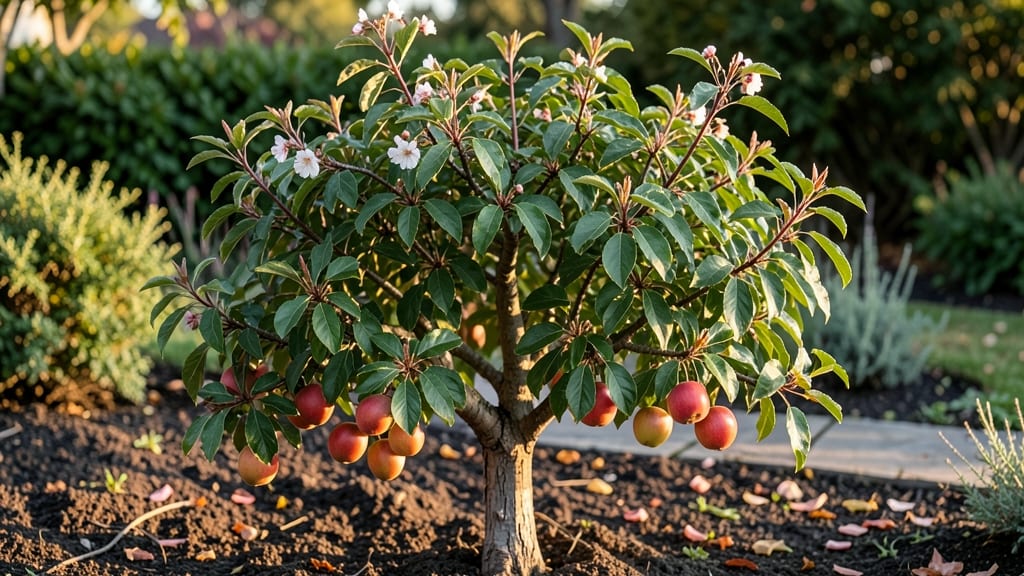
The Red Gold nectarine tree produces the sweetest, juiciest fruit you’ll ever taste—if you know how to prune it right. 🌿 I’ve watched this tree go from a scraggly sapling to a fruit-bearing powerhouse, all because I learned to prune it year-round instead of just once a year.
The difference? A harvest so heavy your neighbors will ask for cuttings.
This isn’t your average nectarine—it ripens earlier than most varieties, giving you fruit by late June, and its flavor is a perfect balance of sweet and tart. The key to keeping it productive is pruning in four seasons, not just winter.
You’ll shape the tree for airflow, remove dead wood, and encourage new growth where it matters most. Even if you’ve never pruned before, this method is foolproof once you get the hang of it.
By summer’s end, you’ll be picking fruit so vibrant it looks like it belongs in a painting. The tree stays compact, making it perfect for small yards or containers, and the pruning process becomes second nature after your first harvest.
No more wasted energy on water sprouts or crowded branches—just a tree that rewards your effort with pounds of golden fruit.
Whether you’re a beginner or a seasoned gardener, this approach works for any climate where nectarines thrive. The secret? Consistency. A little attention in spring, summer, fall, and winter keeps your Red Gold tree healthy, productive, and stunning—no fancy tools or green thumbs required.
📚 In This Guide
- What you need
- Instructions
- Tips and common mistakes
- Wrapping up and next steps
What you need
- ● Pruning shears: Bypass pruners (sharp, clean blades, 20-24 inch handles) – 1 pair (for small branches).
- ● Loppers: Heavy-duty bypass loppers (24-32 inch handles) – 1 pair (for thicker branches, ½–1½ inch diameter).
- ● Pruning saw: Curved-tooth pruning saw – 1 (for branches 1½+ inches thick).
- ● Gloves: Sturdy, cut-resistant gardening gloves (size M/L) – 1 pair (protects from thorns and debris).
- ● Disinfectant: 70% isopropyl alcohol or 10% bleach solution – small bottle (sterilizes tools between cuts).
- ○ Sealing wax: Pruning sealant (optional but recommended for large cuts) – small tub.
- ● Tarp or drop cloth: 5x7 ft (to collect debris and protect the ground).
- ● Ladder: Extendable or step ladder (8+ ft) – 1 (if tree exceeds 6 ft in height).
- ● Weather check: Prune on a dry, cloudy day (avoid extreme heat or frost).
- ● Tree health: Ensure the tree is dormant (late winter/early spring) or post-harvest (summer/fall).
- ○ Safety gear: Safety glasses (optional but highly recommended) – 1 pair.
- ● Cleanup supplies: Trash bags (13-gallon) – 2-3 (for disposing of pruned branches).
- ● Hand pruners: Compact pruners (for precision trimming) – 1 pair.
- ● Tree paint: Pruning paint (for sealing large cuts on older trees) – small bottle.
- ● Notebook & pen: To sketch the tree’s structure before/after pruning.
- ● Tree ties or zip ties: (3-inch) – small pack (for securing branches if needed).
How to prune a Red Gold nectarine tree for peak fruit production
Here's the seasonal approach I use to keep my Red Gold nectarine tree healthy and loaded with sweet fruit.
✂️ Step 1: Late Winter Dormant Pruning (January-February)
Start by removing dead, diseased, or crossing branches first. These compete for energy and block sunlight. I cut them back to the trunk or a strong lateral branch using clean, sharp pruners. Look for branches that rub against each other—these will eventually tear the bark and invite rot.
Next, thin out 25% of the oldest wood to open the center of the tree. This improves airflow and sunlight penetration. Make cuts just outside the branch collar where it meets the trunk. Avoid leaving stubs—this creates entry points for pests and disease. Your goal is to shape the tree into an open vase form with a strong central leader.
🌿 Step 2: Post-Harvest Summer Pruning (July-August)
After harvest, focus on light shaping and fruitwood development. Remove any suckers growing from the base or graft union—these drain energy from the main tree. Also trim back any branches that grew too vigorously this season, cutting just above a leaf bud that faces outward.
This is also when I address water sprouts—those fast-growing vertical shoots that appear after heavy rains. These never bear fruit and just create a messy canopy. Snip them off at the base. You'll know you're doing it right when the tree's center stays open and sunlight reaches all branches.
⏰ Step 3: Light Winter Pruning (December)
Do a quick check in December to remove any damaged branches from winter storms. Also look for any branches that grew too close together during the summer. The goal here is minimal—just enough to keep the tree's shape clean without stressing it before spring growth begins.
I avoid heavy pruning now because the tree needs all its energy reserves for spring blooms. Just a little tidying up prevents problems later. If you see any dieback from cold damage, cut back to healthy wood just above a bud. The tree will send out new growth from there in spring.
☀️ Step 4: Spring Bloom Adjustment (March-April)
After the tree blooms but before fruit sets, do a final light pruning to balance fruit load. If you see clusters of fruit that would overwhelm a branch, thin some out. Too many fruits mean small, underripe nectarines. I also remove any weak, spindly growth that developed after last year's harvest.
This is the most delicate pruning of the year. The tree is already putting energy into blooms and fruit. Just make clean cuts to maintain shape and airflow. You'll know you've done enough when sunlight reaches all parts of the canopy and you can see through the center of the tree.
Tips & tricks for pruning your Red Gold nectarine tree
Keeping your nectarine tree productive takes patience—and these tricks will help you avoid common pruning mistakes while maximizing fruit production.
Tool Prep: Always sterilize your pruners with rubbing alcohol between cuts in Step 1. I learned this the hard way after seeing bacterial infections spread through my tree's fresh cuts. Sharp, clean tools make all the difference when removing dead wood or thinning branches—you'll get cleaner cuts that heal faster and reduce disease risk.
Branch Collar Awareness: In Step 1 when thinning 25% of the oldest wood, focus on cutting just outside the branch collar where it meets the trunk. This hidden swelling contains healing cells that help the tree recover. I've seen too many trees develop cankers from improper cuts that left stubs—always make your cuts at this precise angle to promote healthy regrowth.
Seasonal Timing Insight: The January-February dormant pruning in Step 1 is crucial because the tree isn't actively growing. This gives it time to heal before spring blooms. In Step 4 during March-April, I wait until after blooming but before fruit sets—this delicate timing ensures the tree isn't stressed while still allowing me to adjust fruit load for larger, sweeter nectarines.
Visual Pruning Check: After each pruning session, stand back and look at your tree from all angles. You should be able to see sunlight reaching the center—this is your goal in all four steps. In Step 2, I check for water sprouts by looking for vertical shoots growing straight up; these never produce fruit and should be removed immediately to maintain an open canopy.
Pro Tips for Red Gold Nectarine Tree
- Keeping your nectarine tree productive takes patience—and these tricks will help you avoid common pruning mistakes while maximizing fruit production.
- Tool Prep: Always sterilize your pruners with rubbing alcohol between cuts in Step 1.
- Branch Collar Awareness: In Step 1 when thinning 25% of the oldest wood, focus on cutting just outside the branch collar where it meets the trunk.
Frequently asked questions
Got questions about growing and pruning your Red Gold Nectarine Tree?
Here are answers to the most common ones to help you cultivate a thriving, fruit-bearing tree all year long!
When is the best time to prune a Red Gold Nectarine Tree?
The ideal time to prune is late winter or early spring (before buds swell but after the coldest months). This promotes healthy growth and fruit production. Avoid heavy pruning in summer or fall, as it can stress the tree and reduce fruit set. Pro tip: Light pruning to remove dead branches can happen anytime!
How much should I prune my nectarine tree each year?
For young trees (1-3 years old), remove 20-30% of the canopy to encourage strong structure. Mature trees (4+ years) need 10-20% pruning annually to maintain airflow and sunlight penetration. Never prune more than 25% in a single session—this can shock the tree!
Will pruning reduce the number of nectarines my tree produces?
Not if done correctly! Proper pruning increases fruit quality and quantity by improving airflow (reducing disease) and directing energy to healthy branches. Over-pruning can reduce yield, but light, strategic cuts boost productivity. Focus on removing water sprouts, dead wood, and crossing branches first.
Can I prune a Red Gold Nectarine Tree in hot or cold weather?
Avoid pruning during extreme heat (above 90°F) or freezing temperatures (below 20°F). Hot weather stresses the tree, while cold can expose it to frost damage. Early spring (40-60°F) or late fall (before hard frost) are safer alternatives for minor maintenance pruning.
What are some alternatives if my nectarine tree isn’t producing fruit?
If your tree isn’t fruiting, check these fixes:
- Age: Young trees (under 3 years) may not produce fruit yet—be patient!
- Pruning: Ensure you’re not over-pruning; keep a balanced canopy.
- Pollination: Nectarines are self-pollinating, but nearby trees can help.
- Nutrients: Test soil pH (ideal: 6.0-7.0) and fertilize with citrus/nut-specific feed.
- Disease/Pests: Fungal issues (like brown rot) or pests (aphids) can hinder fruit set.
If problems persist, consult a local arborist for a diagnosis!
Wrapping up and next steps
Growing a thriving Red Gold nectarine tree is all about patience, care, and a little pruning know-how! By mastering year-round trimming—from winter shaping to summer thinning—you’ll unlock a bounty of sweet, juicy fruit that’ll make your neighbors green with envy. 🌳🍑
Ready to take the next step? Start small: grab your pruners, sketch a quick pruning plan, and tackle one season at a time. Before you know it, your tree will be bursting with flavor—and you’ll be the proud gardener behind it!