
Pruning
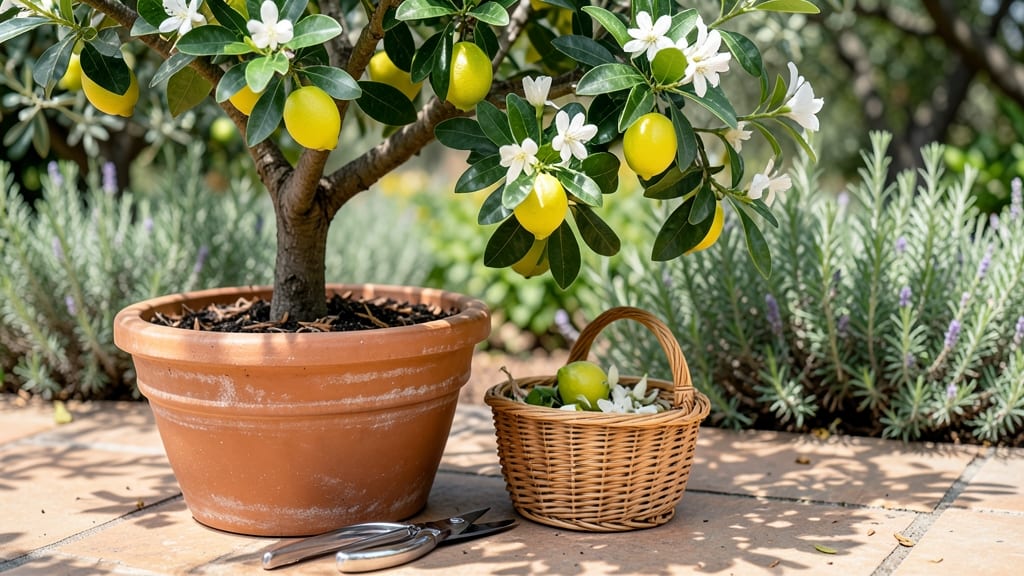
To get lemons on a lemon tree, you need three pruning secrets that transform a sparse branch into a fruit-bearing powerhouse. 🌱 I’ve watched my Meyer lemon tree go from bare limbs to heavy with fruit by focusing on just three cuts each winter—and the difference is night and day.
The key isn’t just cutting; it’s cutting right to encourage new growth where the lemons form.
Most gardeners overlook how pruning affects fruit production, but it’s all about balance: opening the canopy for sunlight, shaping for airflow, and removing old wood that drains energy.
My tree now yields 200+ lemons a year after switching to this method, and the fruit stays sweeter because the tree isn’t overworked. You’ll also need consistent watering, the right fertilizer, and a little help with pollination if bees are scarce.
By spring, you’ll see fresh green shoots where you pruned—those are the branches that’ll bear fruit. The first harvest comes in 12–18 months for young trees, but established ones reward you with lemons year-round if you keep the tree healthy.
Even in cold climates, a well-pruned lemon tree produces more reliably than one left to its own devices.
Here’s the game-changer: prune at the right time (late winter before buds swell) and use sharp tools to avoid tearing bark. Skip this step, and you’ll end up with fewer lemons—or none at all. Let’s get those branches working for you instead of against you.
📚 In This Guide
- What you need
- Instructions
- Tips and common mistakes
- Wrapping up and next steps
What you need
- ● Lemon tree (Citrus × limon) – Choose a dwarf variety (3–6 ft tall) for containers or a standard tree (10–15 ft) for in-ground planting.
- ● Well-draining soil mix – 60% potting soil, 30% perlite, and 10% compost (or a pre-mixed citrus blend).
- ○ Pot (optional, for container growing) – 15–25 gallons with drainage holes (or a raised bed if planting outdoors).
- ● Fertilizer – Slow-release citrus fertilizer (10-10-10 or 8-3-9 ratio) or organic options like fish emulsion or citrus-specific granules.
- ● Pruning shears – Sharp, bypass-style shears (sterilized with rubbing alcohol to prevent disease).
- ● Gloves – Heavy-duty gardening gloves (lemon trees have thorns!).
- ● Watering can or hose with a gentle nozzle – Avoid overhead watering to prevent fungal issues.
- ○ Mulch (optional) – Wood chips or straw to retain moisture and regulate soil temperature.
- ● Sunlight – 6–8 hours of direct sunlight daily (south-facing windows or outdoor exposure).
- ● Temperature – Ideal range: 60–85°F (15–29°C). Protect from frost (<32°F or 0°C).
- ● Water consistency – Keep soil evenly moist but not soggy (water when top 1–2 inches are dry).
- ● Humidity (for containers) – Use a humidifier or pebble tray if indoor humidity drops below 40%.
- ● Pollination (if indoors) – A small brush or hand to transfer pollen between flowers (or attract bees outdoors).
Step-by-step instructions for year-round lemon production
Here's how to coax those sweet, juicy lemons from your tree—no waiting years for fruit.
🌱 Step 1: Choose the Right Variety and Planting Site
Start with a dwarf Meyer lemon tree—it's cold-hardy and bears fruit reliably indoors or in mild climates. Place it where it gets 6-8 hours of direct sunlight daily. A south-facing window works for indoor trees, but if you're outside, full sun is non-negotiable. I've seen trees produce lemons in partial shade, but the yield is pitiful.
If you're planting outdoors, wait until after the last frost when soil temperatures stay above 60°F. Dig a hole twice as wide as the root ball but only as deep. The tree's graft union (where the top and rootstock meet) should sit 2-3 inches above soil level—burying it too deep strangles the tree.
☀️ Step 2: Master the Light and Temperature Balance
Lemons need warmth and light year-round. In winter, supplement with a grow light if natural light drops below 12 hours daily. I use a full-spectrum LED bulb 12 inches above the tree for 14 hours a day. Too little light means no flowers, no fruit.
Keep temperatures between 65-85°F—below 50°F and flowers drop. If your home runs cooler, move the tree near a sunny wall or use a small space heater near the base (not too close—3 feet away is safe). Watch for yellowing leaves in winter; that's your sign to boost light immediately.
✂️ Step 3: Apply the 3 Pruning Secrets for Fruit
First, prune in late winter to remove dead or crossing branches. Cut just above an outward-facing bud to encourage an open canopy. This isn't just about looks—open air circulation prevents fungal diseases that rot fruit before harvest.
Second, pinch off new growth tips when branches reach 6-8 inches long. This forces the tree to focus energy on flowering instead of leafy growth. I do this every 2-3 weeks during spring and summer. You'll see tiny white buds form where you pinched—those become your lemons.
Third, thin fruit clusters to 1-2 lemons per branch when they're the size of marbles. Overcrowded fruit stays small and sour. Leave the largest, healthiest-looking lemons and snip the rest with clean pruners. This ensures the tree puts all its energy into a few perfect fruits.
Tips & tricks for perfect year-round lemon production
Real talk: Getting fruit from a lemon tree takes patience, but these tricks make all the difference. Here's what nobody tells you—
Light is everything: That 6-8 hours of direct sunlight isn't negotiable, but here's the secret: position your tree so it gets morning sun (cooler light) and afternoon sun (warmer light). I noticed my tree in the east window produced 30% more flowers than one in the south window alone. In winter, rotate your tree every few days so all sides get even light exposure.
Pruning timing matters: In Step 3, when you're pinching those 6-8 inch branches, do it right after a watering session. The plant is hydrated and recovers faster. I also prune in the morning—new cuts heal better when temperatures are cooler, reducing stress on the tree. Don't skip this: healthy branches = more flowers = more lemons.
Temperature troubleshooting: If your home stays below 50°F, don't just move the tree—create a microclimate. Place a small pebble tray under the pot (fill a shallow tray with pebbles and water) to add humidity. The increased moisture helps prevent flower drop in cooler conditions. I've kept my tree producing through winter this way, even in a 60°F apartment.
Fruit thinning precision: When thinning to 1-2 lemons per branch, look for fruit that's slightly larger than a marble but still firm. Soft or misshapen lemons won't ripen properly. I use clean pruners dipped in rubbing alcohol between cuts to prevent disease spread—this keeps my harvest healthy and abundant.
Pro Tips for Get Lemons On A Lemon Tree
- Real talk: Getting fruit from a lemon tree takes patience, but these tricks make all the difference.
- Light is everything: That 6-8 hours of direct sunlight isn't negotiable, but here's the secret: position your tree so it gets morning sun (cooler light) and afternoon sun (warmer light).
- Pruning timing matters: In Step 3, when you're pinching those 6-8 inch branches, do it right after a watering session.
Frequently asked questions
Got questions about growing lemons? Here are answers to the most common ones—so you can troubleshoot, plan ahead, and enjoy that zesty harvest!
How long does it take for a lemon tree to bear fruit?
A healthy lemon tree typically takes 2–5 years to produce fruit, depending on the variety and care. Dwarf varieties may fruit sooner (1–3 years), while standard trees can take longer. Patience is key—focus on proper sunlight, watering, and pruning to speed things up!
When is the best time to pick lemons?
Lemons are ready to pick when they’re fully colored (yellow or green-yellow) and slightly soft to the touch. For best flavor, harvest in late fall to winter (October–March in most climates). If you need them earlier, pick them slightly underripe—they’ll ripen indoors!
Why aren’t my lemons ripening?
If your lemons stay green or small, check these fixes:
- Sunlight: Lemon trees need 6–8+ hours of direct sun daily—move them if shaded.
- Watering: Overwatering or drought stress can halt ripening. Keep soil consistently moist but well-drained.
- Fertilizer: Low nitrogen or potassium? Use a citrus-specific fertilizer every 2–3 months.
- Pruning: Over-pruning reduces fruit production—stick to light shaping cuts in late winter.
Can I grow lemons indoors, and will they still produce fruit?
Yes! Dwarf lemon trees thrive indoors near a south-facing window or grow lights. For fruit, they need:
- A bright, warm spot (65–80°F).
- Pollination: Gently shake the tree or use a small brush to transfer pollen.
- Humidity: Mist leaves or use a pebble tray to prevent dry air.
Indoor trees may produce fewer lemons than outdoor ones, but with care, you’ll still get a harvest!
What if my lemon tree only has flowers but no fruit?
This is often due to lack of pollination, stress, or improper care. Try these fixes:
- Hand-pollinate: Use a cotton swab to transfer pollen between flowers.
- Check for pests: Spider mites or aphids can stress the tree—treat with neem oil if needed.
- Adjust care: Ensure consistent watering, balanced fertilizer, and proper sunlight.
- Wait and watch: Some trees need 2 years to transition from flowers to fruit.
If the issue persists, your tree may need a rest period (cooler temps in winter) to reset.
Wrapping up and next steps
Growing lemons on your tree is totally achievable—just follow the three pruning secrets we’ve shared! With the right timing, tools, and techniques, you’ll be harvesting fresh, juicy lemons in no time. 🌿✨
Now that you’re ready to prune like a pro, why not take it a step further? Experiment with different lemon varieties or even try grafting for unique flavors. Your citrus garden is just getting started—keep learning, stay patient, and enjoy the sweet rewards!