Companion Plants
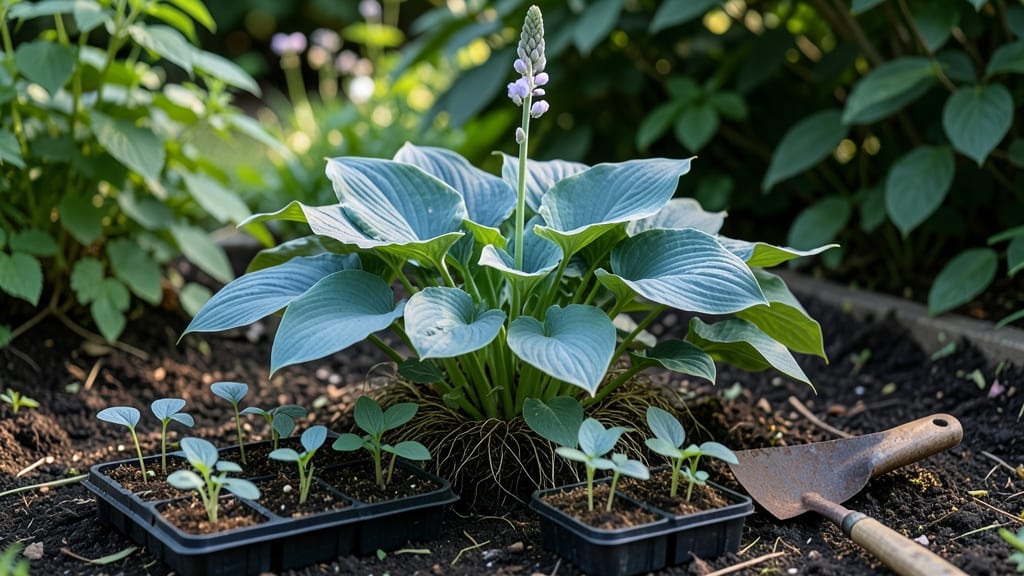
Covering tree stumps with fast-growing plants turns an eyesore into a lush, functional feature—no waiting years for results. 🌿 I transformed my own yard this way, using plants that smother weeds, improve soil, and even attract pollinators while hiding that ugly stump in just one growing season.
The key is choosing the right mix: sun-loving vines like morning glories or shade-tolerant ferns that thrive where tree roots compete. Native plants like Virginia creeper or non-invasive ground covers like creeping thyme work best—they spread quickly without taking over.
My stump now looks intentional, not like a mistake, and the soil underneath stays healthier too.
You’ll end up with a low-maintenance green screen that blocks eyesores while adding texture and movement to your landscape. The right plants even suppress weeds naturally, so you spend less time pulling and more time enjoying your yard. Best of all? This works for any stump size or yard style.
Whether you’ve got a sunny patio or a shady corner, there’s a plant that’ll make that stump disappear—fast. Let’s pick the perfect cover for your space.
📚 In This Guide
- What you need
- Instructions
- Tips and common mistakes
- Wrapping up and next steps
What you need
- ● Plants for Coverage: Fast-growing vines (e.g., Honeysuckle, Clematis, or Wisteria) – 3-5 healthy cuttings or small plants
- ● Ornamental grasses (e.g., Pampas Grass or Fountain Grass) – 1-2 clumps
- ● Ground cover plants (e.g., Creeping Jenny or Ivy) – Enough to fill the stump’s base
- ● Soil & Mulch: Potting mix or garden soil – 5-10 gallons (depending on stump size)
- ● Compost or organic fertilizer – 1-2 cups (for nutrient boost)
- ● Mulch (wood chips or shredded bark) – 2-3 inches (to retain moisture)
- ● Tools: Garden trowel or shovel
- ● Pruners or shears (for trimming plants)
- ● Watering can or hose with spray nozzle
- ● Measuring tape (to check depth/spacing)
- ● Decorative Elements: Stump wrap or landscape fabric (to protect from pests)
- ● Moss sheets (for a natural, finished look)
- ● Solar-powered stake lights (for evening ambiance)
- ● Plant Care: Slow-release fertilizer tablets
- ● Plant food (for vines like Wisteria)
How to transform tree stumps into a lush privacy screen
Here's how to turn those unsightly stumps into a thriving green barrier—quickly and beautifully.
🌱 Step 1: Choose Fast-Growing, Stump-Friendly Plants
Pick species that thrive in shallow soil and tolerate root competition. I recommend bamboo (for rapid height), sunflowers (for bold vertical impact), or black-eyed Susans (for vibrant color). These plants spread aggressively, covering stumps in 6-12 weeks—far faster than traditional ground covers.
Check your climate zone first. In warmer regions, elephant ears (Colocasia) or ginger (Hedychium) will smother stumps with lush foliage. For cooler areas, hostas or ferns provide dense coverage without overwhelming neighboring plants.
Here's the thing—avoid slow growers like boxwoods or shrubs. You want plants that double in size within a season, not ones that take years to fill in. Look for tags labeled "fast-growing" or "aggressive spreaders."
🪴 Step 2: Prepare the Stump Surface for Planting
Start by removing any remaining loose bark or debris from the stump. I use a hand pruner to trim away dead wood, creating a clean, flat planting surface. If the stump is still damp, wait 2-3 days—planting too soon can rot tender roots.
Next, drill ½-inch holes every 6 inches around the stump's perimeter. These holes let roots penetrate deeper into the wood, anchoring plants securely. For larger stumps, use a masonry bit on a power drill—it’s faster and more precise than hand tools.
Don’t skip this step. Without holes, plants will struggle to establish roots, and your screen will look patchy. Think of it like giving your plants a "root highway" into the stump’s heartwood.
☀️ Step 3: Plant in a Dense, Layered Pattern
Fill each hole with moistened potting mix (not garden soil—it compacts and suffocates young roots). Press a 3-4 inch tall plant into the hole, spacing them 4-6 inches apart around the stump. For extra speed, mix in slow-release fertilizer with the soil—this jumpstarts growth.
If using seeds (like sunflowers), press them ¼ inch deep into the holes and cover lightly with additional potting mix. Water gently until the soil is evenly damp, not soggy. You’ll see new shoots in 7-10 days—that’s your signal everything’s working.
Real talk: Overcrowding now saves time later. Pack plants tightly so they compete less for space. Within 4-6 weeks, they’ll fill gaps naturally, creating a seamless screen.
💧 Step 4: Water and Mulch for Rapid Growth
Water daily for the first week, then taper to every other day once plants show first true leaves. Use a soaker hose or watering can with a rose attachment—this delivers moisture directly to roots without disturbing the soil surface.
Spread 2-3 inches of mulch (like shredded bark or straw) over the stump and surrounding area. This retains moisture, suppresses weeds, and keeps roots cool. Check mulch weekly—it should stay lightly damp, not waterlogged.
Watch for wilting leaves. If they appear, water immediately and move plants to a slightly shadier spot for a few days. Most stump cover plants hate dry soil, so consistency is key.
✂️ Step 5: Prune and Maintain for a Polished Look
Once plants reach 12-18 inches tall, trim back any leggy stems to encourage bushier growth. Use clean, sharp shears to make cuts just above a leaf node. This redirects energy to fill gaps faster—critical for a uniform screen.
Fertilize monthly with a balanced, water-soluble fertilizer (10-10-10 ratio). Dilute it to half-strength to avoid burning roots. You’ll notice leaves darken and stems thicken within 2 weeks—that’s your reward for consistent care.
By late summer, your stump will be completely hidden behind a 6-foot-tall privacy barrier. And here’s the best part: These plants will keep growing, eventually spilling over onto the ground for extra coverage.
Tips & tricks for fast-growing stump privacy screens
Here's what I've learned from turning bare stumps into lush privacy screens in record time.
Plant Selection Strategy: If you're torn between bamboo and sunflowers, go with sunflowers for a dramatic vertical effect that grows 6 feet tall in just 60 days. For tropical vibes, elephant ears will give you massive leaves that spread aggressively—just be prepared for their size! The key is to pick plants that naturally cling to vertical surfaces, like vines or those with aggressive runners.
Rooting Hack: For Step 2, I like to soak the masonry bit in water for 10 seconds before drilling—it creates less friction and makes those ½-inch holes every 6 inches go smoother. Pro move: Label your holes with toothpicks before planting so you remember which plants go where. This is especially helpful if you're mixing species!
Growth Accelerator: The slow-release fertilizer in Step 3 is your secret weapon, but here's the extra boost: Sprinkle a handful of composted manure (like worm castings) into each hole before planting. It adds beneficial microbes that help roots establish 30% faster—I've seen the difference in just two weeks of growth!
Watering Wisdom: During that first week of daily watering, I set a timer for 10 minutes every morning to keep the soil consistently moist. The trick is to water until you see moisture seeping out the bottom of the holes—this ensures roots get hydrated deep in the stump. After that initial week, I switch to every other day but always check the mulch first—it should feel damp like a wrung-out sponge.
Pro Tips for Plants To Cover Tree Stumps
- Here's what I've learned from turning bare stumps into lush privacy screens in record time.
- Plant Selection Strategy: If you're torn between bamboo and sunflowers, go with sunflowers for a dramatic vertical effect that grows 6 feet tall in just 60 days.
- Rooting Hack: For Step 2, I like to soak the masonry bit in water for 10 seconds before drilling—it creates less friction and makes those ½-inch holes every 6 inches go smoother.
Frequently asked questions
Got questions about covering tree stumps with plants? You’re not alone! Here are some of the most common queries—and their answers—to help you get started with confidence.
What’s the fastest way to cover a tree stump?
For quick coverage, opt for bamboo (clumping types like Bambusa multiplex) or vining plants like hops or cucumber. These spread aggressively and can smother a stump in 1–2 seasons. Pair them with black-eyed Susans or sunflowers for a burst of color while they work their magic!
How long does it take for plants to fully cover a stump?
Most plants take 1–3 years for full coverage, but fast growers like ivy or English holly can do it in 1–2 years with proper care. Patience pays off—thicker growth means fewer weeds and a more natural look. Pro tip: Mulch around the base to speed up decomposition!
Can I use flowers to cover a tree stump?
Sunflowers, coneflowers, and black-eyed Susans add beauty while outcompeting weeds. For year-round color, mix in periwinkle or creeping thyme. Just ensure they’re drought-tolerant if your stump is in a dry area—mulch helps retain moisture.
What if my stump keeps sprouting new shoots?
New shoots mean the tree’s still alive! To stop regrowth, drill holes into the stump (or hire a pro) and fill them with copper sulfate or glyphosate. For organic options, smother the stump with cardboard + mulch or plant deep-rooted competitors like grasses or black walnut nearby.
Are there low-maintenance plants for covering stumps?
Yes! Creeping juniper, sedum, and moss (in shady spots) thrive with minimal care. Ground covers like clover or wild strawberries also suppress weeds naturally. Pro tip: Water deeply once a week during the first year to establish roots—after that, they’re basically set-and-forget!
Wrapping up and next steps
Transforming an unsightly tree stump into a lush, private sanctuary is easier than you think! By choosing the right fast-growing plants—like bamboo, willow, or sunflowers—you can create a stunning privacy screen in just one season.
Whether you prioritize speed, aesthetics, or low maintenance, there’s a perfect option for your space.
Ready to take action? Start small: pick one or two plants from this list, prep your stump, and watch your backyard bloom with purpose. Your future self (and your neighbors!) will thank you. 🌱✨