Trees
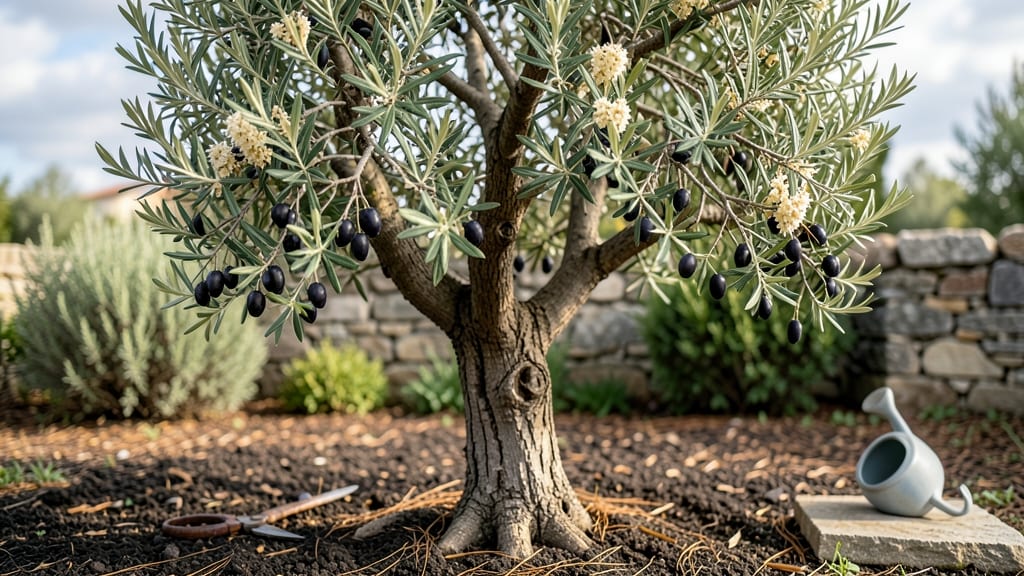
Growing Kalamata olive trees in containers lets you bring Mediterranean flavors to your patio or balcony—even if you don’t have a yard. 🌿 These trees thrive in pots, producing sweet, dark fruit perfect for salads and tapenade, and their silvery-green leaves add stunning texture to any space.
The key is mimicking their natural climate: warm days, cool nights, and well-draining soil that mimics rocky Mediterranean hillsides.
You’ll need a 15-25 gallon container (bigger for mature trees), a mix of 60% potting soil and 40% coarse sand or perlite, and a spot with at least 6-8 hours of sunlight daily.
Kalamatas are drought-tolerant once established, but young trees need deep watering once a week—more in summer heat. Prune in late winter to shape the tree and encourage fruit production, focusing on removing dead wood and thinning crowded branches.
With patience, your container-grown Kalamata will reward you with first harvests in 3-5 years, though some varieties produce fruit sooner with proper care. The fruit ripens in late fall, turning from green to deep purple-black—perfect for picking and curing.
Even in small spaces, these trees become a low-maintenance, high-reward centerpiece that keeps giving year after year.
They adapt well to USDA Zones 8-10, but container growing extends their range—just move pots indoors before frost. For urban gardeners or those with limited space, this is the foolproof way to grow your own olives without needing a backyard. Let’s get those roots growing!
📚 In This Guide
- What you need
- Instructions
- Tips and common mistakes
- Wrapping up and next steps
What you need
- ● Olive Tree Sapling: 1 Kalamata olive tree (Olea europaea 'Kalamata') (bare-root or potted, 1-3 years old). Look for disease-resistant varieties!
- ● Container: 1 large pot (15-20 gallons) with drainage holes (terracotta or fabric pots work best). Ensure it’s at least 24 inches deep.
- ● Well-Draining Soil: 1 bag cactus/succulent mix or a blend of: 60% potting soil
- ● 30% perlite or pumice (for aeration)
- ○ 10% coarse sand (optional, for extra drainage)
- ● Drainage Layer: 3-4 inches of gravel or broken pottery shards (to prevent root rot).
- ● Fertilizer: 1 slow-release granular fertilizer (look for one with low nitrogen, like 5-10-10 or organic options like alfalfa meal).
- ● Watering Can or Hose: With a gentle spray nozzle (olives hate soggy roots!).
- ● Pruning Shears: Sharp, sterilized shears (for shaping and harvesting).
- ● Mulch: 2-3 inches of wood chips or straw (to retain moisture and regulate soil temp).
- ● Sunlight Meter: To track 6+ hours of full sun daily (Kalamatas thrive in Mediterranean-style light!).
- ● Drip Irrigation Kit: For consistent moisture (especially in hot climates).
- ● Epsom Salt: A teaspoon per gallon of water (boosts magnesium for healthier leaves).
- ● Pest Control: Neem oil or insecticidal soap (prevents olive fruit flies and spider mites).
- ● Support Stake: A small bamboo or metal stake (if your tree grows tall in containers).
- ● Harvesting Gloves: To protect your hands from prickly olive branches!
Step-by-step instructions for growing Kalamata olive trees in containers
Here's how to cultivate these Mediterranean gems—dwarf varieties thrive in pots with the right care.
🌱 Step 1: Select and Prepare Your Container
Choose a container that's at least 18 inches deep and 12 inches wide for each tree—Kalamata olives need room for their strong root systems. I prefer terracotta pots because they breathe and prevent root rot, but any container with drainage holes works. Add a 2-inch layer of gravel or broken pottery at the bottom to ensure proper drainage.
Kalamata olives grow slowly, so don't rush the container size. A larger pot now means fewer repotting headaches later. If you're using a decorative pot without drainage, nestle it inside a saucer with drainage holes—never let roots sit in standing water.
🌿 Step 2: Use the Right Soil and Planting Method
Fill the container with a well-draining Mediterranean-style mix—combine 50% potting soil, 30% coarse sand, and 20% perlite. This prevents compaction and mimics the rocky soils of Greece where Kalamatas thrive. I always add a handful of slow-release fertilizer (like 10-10-10) to the bottom layer for initial growth.
Plant your 1-2 year-old bare-root Kalamata olive tree at the same depth it was growing before. Press the soil gently around the roots to eliminate air pockets, but don't compact it. Water deeply until it drains from the bottom—this settles the soil and removes any air gaps.
☀️ Step 3: Position for Full Sun and Mediterranean Climate
Kalamata olives demand full sun (6+ hours daily)—place your containers where they'll get morning sun and afternoon shade if temperatures exceed 90°F. I've seen these trees struggle in harsh afternoon sun, so a partially shaded patio works better than a scorching south-facing spot.
In winter, protect your tree from below 20°F—wrap the container in burlap or move it to a sheltered garage. A lightweight frost cloth draped over the top also helps. The key is to mimic the mild winters of the Mediterranean, where olives grow year-round.
💧 Step 4: Water Deeply but Infrequently
Water once a week during the growing season (spring-fall), but let the top 2 inches of soil dry out completely between waterings. Overwatering is the #1 killer of container olives—roots need oxygen, not soggy conditions. I use a moisture meter to check before watering, but you can also stick your finger in the soil.
In winter, reduce watering to every 3-4 weeks unless the soil feels bone-dry. The tree enters dormancy naturally, and too much moisture invites root rot. If the leaves yellow, it's usually a sign of overwatering—not underwatering.
✂️ Step 5: Prune for Shape and Fruit Production
Prune in late winter or early spring before new growth begins. Remove any dead, diseased, or crossing branches, then cut back overly long branches by 1/3 to encourage bushier growth. Kalamatas respond well to pruning—it keeps the tree compact and increases fruit production.
Here's the thing—don't prune in summer. The tree is already stressed from fruit production, and summer pruning can invite fungal infections. After pruning, apply a copper fungicide spray as a precaution, especially in humid climates.
Tips & tricks for perfect Kalamata olive tree cultivation
These Mediterranean beauties reward patience—here's how to give them the best start in containers.
Container Selection: While terracotta pots are ideal, any container with drainage holes works. For decorative pots without drainage, use a cache pot system—place your decorative container inside a saucer with drainage holes, then nestle the tree inside. This prevents root rot while keeping your aesthetic intact. The 18-inch depth requirement is non-negotiable—shallower containers restrict root growth and reduce fruit production.
Soil Composition: The 50-30-20 mix of potting soil, coarse sand, and perlite is crucial for mimicking Mediterranean conditions. I've found that adding a handful of crushed granite to the mix improves drainage even further—it mimics the rocky soils where Kalamatas naturally thrive. Always use fresh potting soil for planting to avoid introducing pathogens to your young tree.
Sunlight Strategy: The 6+ hours of daily sun requirement is critical, but timing matters just as much. Position your containers to capture morning sunlight first—this gentle warmth helps prevent leaf scorch from intense afternoon rays. If you notice leaves curling or browning at the edges, it's a sign your tree is getting too much direct afternoon sun, especially when temperatures exceed 90°F.
Winter Protection: When temperatures drop below 20°F, your tree's survival depends on proper insulation. I've seen dramatic differences in winter survival by using a combination of burlap wrapping and frost cloth. The burlap provides insulation from the sides, while the frost cloth creates a protective barrier against wind and cold. Move containers to a sheltered location if possible—even a covered porch can make a significant difference during freeze events.
Pro Tips for Olive Trees Kalamata
- These Mediterranean beauties reward patience—here's how to give them the best start in containers.
- Container Selection: While terracotta pots are ideal, any container with drainage holes works. For decorative pots wi...
- Soil Composition: The 50-30-20 mix of potting soil, coarse sand, and perlite is crucial for mimicking Mediterranean c...
Frequently asked questions
Got questions about growing Kalamata olive trees in containers? You’re not alone! Here are some of the most common queries—plus straightforward answers to help you cultivate your own Mediterranean harvest with confidence.
How long does it take for a Kalamata olive tree to bear fruit in a container?
A young Kalamata olive tree typically takes 3–5 years to produce fruit when grown in containers, though some may fruit earlier with ideal care. Patience is key—focus on well-draining soil, full sun, and consistent watering. Pro tip: Prune regularly to encourage bushier growth and faster fruiting!
Can Kalamata olive trees survive winter in containers?
Kalamata olives are hardy but need protection in cold climates (below 15°F). Move potted trees to a sheltered spot (like a garage or against a wall) or wrap the pot in burlap and insulate with straw. If temps drop further, consider a heating mat or indoor grow lights for survival.
How often should I water a potted Kalamata olive tree?
Water deeply when the top 1–2 inches of soil feel dry, usually every 7–10 days in summer and less in winter. Overwatering is the enemy—ensure pots have drainage holes to prevent root rot. Troubleshooting: Yellow leaves? You might be overwatering. Brown, crispy leaves? Time to hydrate!
What’s the best soil mix for container-grown Kalamata olives?
Use a well-draining mix like 60% potting soil, 30% perlite or coarse sand, and 10% compost. Kalamatas hate soggy roots, so avoid heavy garden soil. A slightly alkaline pH (6.5–8.0) is ideal. Alternative: Pre-mixed cactus/succulent soil works in a pinch!
Are Kalamata olive trees prone to pests in containers?
Yes! Watch for scale insects, spider mites, and olive fruit flies. Inspect leaves regularly and treat early with neem oil or insecticidal soap. Prevention tip: Encourage beneficial insects like ladybugs by planting companion herbs (e.g., rosemary or thyme) nearby.
Can I grow Kalamata olives from seed?
While possible, grafted trees (available at nurseries) are far more reliable for true Kalamata flavor and fruiting. Seeds take years to mature and often produce bitter, inedible olives. If you’re set on seeds, soak them in warm water for 24 hours to speed up germination.
Wrapping up and next steps
Growing olive trees in Kalamata—whether in containers or your backyard—is a rewarding journey that brings a taste of the Mediterranean to your doorstep. 🌿 With the right soil, sunlight, and care, you’ll soon enjoy fresh olives, fragrant wood, and the satisfaction of nurturing a resilient plant.
Whether you’re a seasoned gardener or a beginner, this guide has given you the tools to succeed.
Ready to take the next step? Start by selecting your best olive tree variety for your climate, then plant with confidence! 🌱 Happy growing—and may your harvest be plentiful!