
Pruning
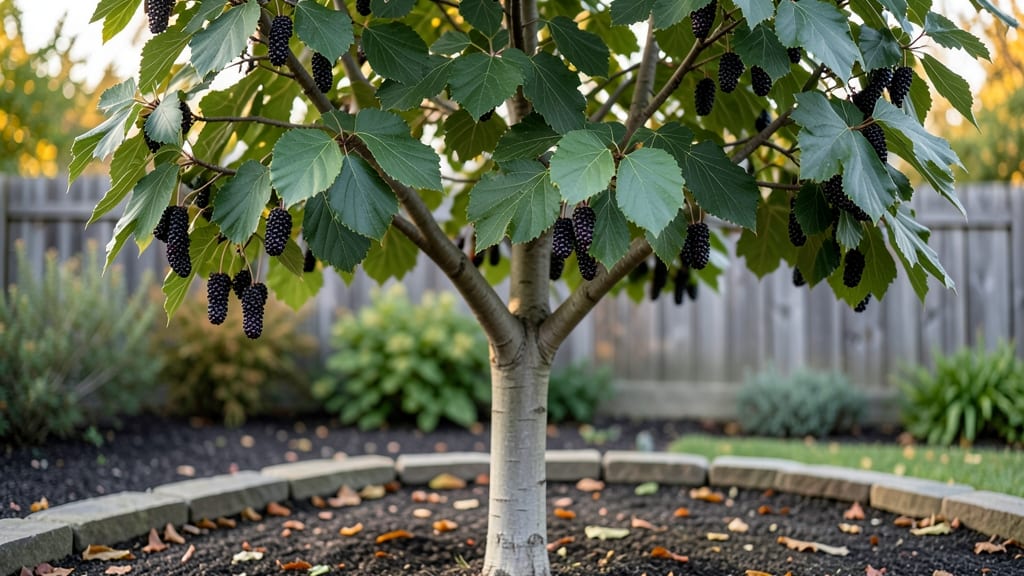
Pruning a mulberry tree in the Pacific Northwest isn’t just about shaping branches—it’s about unlocking frost-resistant fruit production that thrives despite our damp, cool summers.
I’ve pruned mine for five years now, and the difference between a neglected tree and one with proper care is like night and day: dark purple berries dripping from the branches by early July instead of sparse, bitter fruit. The key?
Timing cuts to avoid spring frost damage while encouraging robust growth, and I’ll show you exactly how.
Start with the right tools—a sharp bypass pruner and loppers—and focus on three main goals: removing dead wood, thinning crowded branches, and opening the canopy for sunlight. Mulberries respond best to late winter pruning (just before buds swell) when the tree’s dormant but the risk of hard frost has passed.
Pacific Northwest varieties like Morus alba (white mulberry) or Morus rubra (red mulberry) handle our climate better than Morus nigra (black mulberry), which can struggle with wet winters. A well-pruned tree yields 30-50% more fruit while staying disease-resistant.
By summer’s end, you’ll see the payoff: vibrant green leaves and clusters of berries that ripen in waves. The tree’s natural vigor means less work for you—just occasional thinning of suckers and watering during dry spells.
Even better? Mulberries attract pollinators and birds, turning your yard into a mini ecosystem. Ready to transform that wild, tangled tree into a productive powerhouse? Let’s get those pruners out.
This method works for container-grown mulberries too—just scale down the tools and prune more aggressively to control size. Whether you’re dealing with a mature tree or a young sapling, the principles stay the same.
The first cut is always the hardest, but trust me: your future self will thank you when the berries start falling.
📚 In This Guide
- What you need
- Instructions
- Tips and common mistakes
- Wrapping up and next steps
What you need
- ● Pruning shears (bypass or anvil type) – Choose sharp, high-quality shears (8–10" blade length) for clean cuts. Disinfect with rubbing alcohol before and after use to prevent disease spread.
- ● Lopping shears (for thicker branches, 12–18") – Ideal for branches ½" to 2" in diameter.
- ● Pruning saw (bow or folding) – For branches 2" and larger. Opt for a curved blade for easier cuts.
- ● Gloves (cut-resistant & heavy-duty) – Protect your hands from thorns and rough bark. Leather or reinforced fabric works best.
- ● Rubbing alcohol (70% or higher) – For sterilizing tools between cuts.
- ○ Pruning sealant (optional but helpful) – A tree wound dressing (like Tanglefoot Tree Wound Pruning Sealer) to coat large cuts and reduce disease risk.
- ● Ladder (extension or step ladder) – Ensure it’s stable and tall enough to reach the highest branches safely.
- ● Heavy-duty trash bags – For collecting pruned branches and debris.
- ● Water & cleaning cloth – To wipe down tools and hands post-pruning.
- ● Pole pruner (for high branches) – Extends reach without a ladder (great for tall mulberry trees).
- ● Safety glasses – Protects eyes from debris, especially when using a saw.
- ● Marking spray (paint or chalk) – Helps identify branches to remove before cutting.
- ● Pruning rope or zip ties – For temporarily securing branches or supporting weak limbs.
- ● Work boots with ankle support – Provides stability on uneven or slippery ground.
- ● Check the forecast – Prune on a dry, calm day (avoid rain or high winds).
- ● Timing matters – Late winter or early spring (before buds swell) is ideal for frost-resistant mulberry trees in the PNW.
- ● Disease awareness – Be extra vigilant about powdery mildew or anthracnose, common in damp PNW climates.
Step-by-Step guide for pruning frost-resistant mulberry trees in the Pacific Northwest
Here's the method I've refined over years of pruning Pacific Northwest mulberries—designed to maximize fruit yield while keeping your tree healthy through our wet winters and cool summers.
Time Your Pruning for Maximum Growth and Fruit Production
Prune your mulberry tree during its dormant season, which in the Pacific Northwest means late winter to early spring—specifically between late February and early March when temperatures consistently stay above 32°F. This timing ensures the tree can heal quickly before new growth begins, preventing disease entry points. If you must prune in summer, do so immediately after harvest to allow the tree to recover before winter stress sets in.
Here's the thing—mulberries are aggressive growers, and improper timing can stress the tree. Avoid pruning during fall or early winter when the tree is already preparing for dormancy. You'll notice fresh cuts heal more slowly during these periods, making the tree vulnerable to fungal infections common in our damp climate.
Assess and Remove Dead, Diseased, or Weak Wood
Start by examining the entire tree for branches that are dead, diseased, or structurally weak. Look for branches with no leaves, brown or blackened bark, or those that crack under gentle pressure. Use sharp pruning shears to make clean cuts just outside the branch collar—the swollen area where the branch meets the trunk. This prevents unsightly stubs and promotes faster healing.
I always remove any branches that cross or rub against each other, as these wounds become entry points for disease. In the Pacific Northwest, where humidity lingers, these small cuts can turn into major issues if left unchecked. Pay special attention to branches growing inward—they compete with sunlight and air circulation, reducing overall fruit quality.
Thin the Canopy for Better Airflow and Sunlight
Mulberry trees naturally grow dense canopies, but too much shade reduces fruit production. Aim to thin the canopy by removing 20-30% of the total branches, focusing on those that are overcrowded or growing toward the center of the tree. Start from the bottom and work your way up, removing smaller branches first to open up the tree's structure.
You'll see the difference immediately—better air circulation means fewer fungal issues, and more sunlight reaching the inner branches encourages fruit development. In the Pacific Northwest, where summers can be cool and cloudy, maximizing sunlight exposure is critical for a good harvest. Avoid removing more than one-third of the canopy in a single year, as this can stress the tree.
Shape the Tree for Balance and Future Growth
Use this pruning session to shape your mulberry tree into a balanced, open-centered form. Focus on maintaining a strong central leader—the main vertical stem—and remove competing branches that grow upward from the sides. For side branches, aim to space them 6-12 inches apart along the main stem to ensure even growth.
Real talk: Mulberries respond well to pruning, but they also grow fast. If you notice a branch growing at a sharp angle (greater than 45 degrees), it's likely to break under the weight of fruit or snow. Prune these out early to prevent future damage. In the Pacific Northwest, where winter storms can be heavy, structural integrity is just as important as fruit production.
Clean Up and Apply Protective Measures
After pruning, remove all cut branches and debris from the base of the tree to prevent pests and diseases from taking hold. Sterilize your pruning tools with a 10% bleach solution (1 part bleach to 9 parts water) to kill any lingering pathogens. Once the tree is cleaned up, apply a dormant oil spray in late winter to smother overwintering pests before new growth begins.
This is the moment that matters: Proper cleanup now sets the stage for a healthy growing season. In the Pacific Northwest, where fungal diseases like anthracnose thrive, taking these precautions can mean the difference between a thriving tree and one struggling with repeated infections. Keep an eye out for any signs of stress after pruning—yellowing leaves or oozing sap—and address them promptly.
Tips & tricks for pruning Pacific Northwest mulberry trees
These proven strategies will help you maintain a healthy, productive mulberry tree that thrives in our unique climate.
Timing is Everything: The late February to early March window is critical for successful pruning in the Pacific Northwest. This period gives your tree time to heal before new growth begins, especially important given our wet winters. If you must prune in summer, do so immediately after harvest to prevent stress before winter dormancy. Remember that temperatures should consistently stay above 32°F during pruning to promote proper healing.
Precision Cutting Technique: When removing branches in Step 2, always make clean cuts just outside the branch collar—the swollen area where the branch meets the trunk. This technique prevents unsightly stubs and promotes faster healing, which is particularly important in our damp climate where fungal infections can easily take hold. Use sharp pruning shears to avoid tearing the bark, which creates additional entry points for pathogens.
Canopy Thinning Strategy: The 20-30% canopy reduction guideline in Step 3 is designed to balance fruit production with tree health. Focus on removing branches that grow inward or are overcrowded, starting from the bottom and working upward. This approach creates better air circulation and sunlight penetration, both critical factors for maximizing fruit yield in our often cloudy summers. Never remove more than one-third of the canopy in a single year to avoid stressing the tree.
Structural Integrity Check: Pay special attention to branches growing at angles greater than 45 degrees in Step 4, as these are more likely to break under the weight of fruit or snow. Our Pacific Northwest winters often bring heavy snowfall, making structural integrity particularly important. Regular pruning of these vulnerable branches prevents future damage and maintains the tree's overall health.
Pro Tips for Mulberry Fruit Tree
- These proven strategies will help you maintain a healthy, productive mulberry tree that thrives in our unique climate.
- Timing is Everything: The late February to early March window is critical for successful pruning in the Pacific Northwest.
- Precision Cutting Technique: When removing branches in Step 2, always make clean cuts just outside the branch collar—the swollen area where the branch meets the trunk.
Frequently asked questions
Got questions about pruning your frost-resistant mulberry fruit tree in the Pacific Northwest? You’re in the right place! Here are some common concerns—and their answers—to keep your tree thriving.
When is the best time to prune a mulberry tree in the PNW?
The ideal window is late winter or early spring (before buds swell), but you can also prune lightly in summer to shape the tree. Avoid heavy pruning in fall—it can stimulate new growth that’s vulnerable to frost. For PNW’s unpredictable weather, February–March is your safest bet!
How do I protect my mulberry tree from frost damage?
Mulberry trees are hardy, but young trees or late frosts can still cause issues. Prune open-centered to improve airflow, and apply a thick layer of mulch around the base (3–4 inches). If a frost warning hits, cover delicate branches with frost cloth. Timing matters! Prune after the worst cold snaps to avoid stressing the tree.
Should I remove dead branches immediately, or wait?
Remove dead or diseased branches as soon as you spot them—they can harbor pests or fungus. Use clean, sharp pruners, and seal larger cuts with pruning sealant to prevent infection. For mulberry trees, deadwood removal is a year-round task, but focus on it during your main pruning season (late winter/early spring).
Can I prune a mulberry tree too much?
Yes! Over-pruning (cutting more than 25% of the canopy in one go) stresses the tree, reducing fruit production and making it vulnerable to disease. Mulberry trees are resilient, but moderation is key. Aim for gradual shaping—remove no more than a third of the branches annually, and prioritize open growth for sunlight and airflow.
Will pruning affect my mulberry fruit harvest?
Pruning boosts fruit quality! By removing crowded or weak branches, you improve sunlight penetration and air circulation, leading to sweeter, larger berries. Focus on thinning out dense growth and pruning water sprouts (shoots growing straight up). Just avoid heavy cuts in fruit-bearing years—balance structure and harvest!
Wrapping up and next steps
Growing a thriving, frost-resistant mulberry tree in the Pacific Northwest is absolutely within reach—with the right pruning techniques and a little patience! 🌿 By mastering seasonal trimming, disease prevention, and strategic shaping, you’ll not only boost fruit production but also create a resilient, long-lived tree that thrives in your climate.
Whether you’re a first-time gardener or a seasoned pruner, every cut brings you closer to a bountiful harvest.
Ready to put your new skills to work? Start small—pick one task from this guide, like winter pruning or pest control, and tackle it this season. Before you know it, your mulberry tree will be flourishing, and you’ll be enjoying fresh, homegrown fruit for years to come! 🍇✨