
Trees
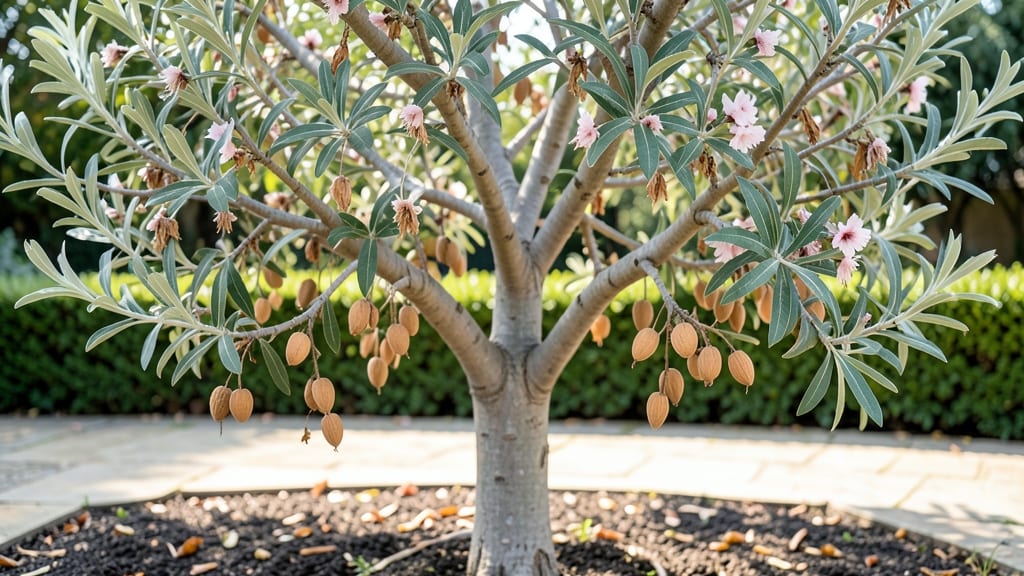
Growing a Marcona almond tree means sweet, buttery almonds straight from your yard—if you live in the right zone. These trees thrive in mild climates like California’s coastal regions, where winters stay above 20°F and summers don’t scorch.
The key? Patience and the right spot, because these aren’t fast growers but they reward loyalty with rich, creamy almonds that taste like dessert.
Start with a well-draining soil mix—think sandy loam with a touch of compost—and plant in full sun. Water deeply but infrequently, mimicking their Mediterranean roots. Container growing works too, though you’ll need a 15-gallon pot for mature trees.
The real secret? Minimal fuss. Prune lightly in late winter to shape the tree, but avoid heavy cuts—they’re sensitive to stress.
By year three or four, you’ll see the first blossoms, followed by those prized almonds. The flavor? Unmatched—sweeter and nuttier than store-bought. Just watch for aphids and keep the soil moist but not soggy.
With the right care, your tree could live for decades, producing harvest after harvest with almost no effort.
Perfect for home orchards, large containers, or even urban yards with mild winters. Once established, they’re drought-tolerant and low-maintenance—ideal for gardeners who want flavor without the work. Let’s get that tree planted!
📚 In This Guide
- What you need
- Instructions
- Tips and common mistakes
- Wrapping up and next steps
What you need
- ● Marcona almond tree: 1 certified disease-free sapling (1–2 years old) or grafted tree (for faster fruit production).
- ● OR 2–3 fresh, unroasted Marcona almonds (for seed propagation—slower but rewarding!).
- ● Well-draining soil: 50% native soil + 50% cactus/succulent mix or sandy loam (pH 6.0–7.5).
- ● Sunlight: Full sun (6+ hours daily).
- ● Watering supplies: Drip irrigation system or 5-gallon watering can.
- ● Mulch (3–4 inches of wood chips or gravel to retain moisture).
- ● Fertilizer: 10-10-10 balanced fertilizer (apply spring and fall, ½ cup per tree).
- ● Pruning tools: 1 pair bypass pruners (for small branches).
- ● 1 pruning saw (for thicker limbs).
- ○ Protective barriers (optional but recommended): Tree guard (to deter animals).
- ● Frost cloth (for young trees in USDA Zones 7–9).
- ● Soil test kit: Check nutrient levels before planting (DIY kits are affordable and easy!).
- ● Pollination aid: A small paintbrush or bee-friendly plants (e.g., lavender) to boost fruit set.
- ● Harvesting tools: Ladder (if tree grows >10 feet).
- ● Basket or mesh bag (to collect almonds gently).
- ● Pest control: Neem oil spray (organic option for aphids/mites).
- ● Bird netting (if squirrels or birds are a problem).
- ● Container growing (for small spaces): 1 large pot (20+ gallons) with drainage holes.
- ● Self-watering system (to prevent over/under-watering).
Step-by-Step guide to growing a thriving Marcona almond tree
Sweet, buttery Marcona almonds thrive in mild climates with just a few key techniques.
🌱 Step 1: Select and Prepare the Right Location
Choose a sunny spot with well-draining soil—Marcona almonds demand at least 6 hours of full sun daily and intolerate soggy roots. Test your soil first; the ideal pH ranges between 6.0 and 7.5. If your soil is heavy clay, amend it with 3-4 inches of coarse sand or grit mixed into the top 12 inches to improve drainage.
Dig a planting hole twice as wide as the root ball but only as deep—never deeper—to prevent water pooling around the roots. Loosen the sides of the hole to encourage root spread. Here's the thing—Marcona trees are sensitive to frost, so avoid low-lying areas where cold air settles.
🪴 Step 2: Plant with Proper Spacing and Support
Space your Marcona almond tree 20-25 feet apart from other trees or structures to allow airflow and future growth. The tree's mature height can reach 20-30 feet, so plan for its eventual size. Position the root ball so the top sits 1-2 inches above ground level—this prevents stem rot from sitting water.
Backfill the hole with native soil mixed with a handful of slow-release fertilizer (10-10-10 ratio) to provide nutrients without burning tender roots. Water deeply to settle the soil, then add a 3-inch layer of wood chips or straw mulch around the base, keeping it 6 inches away from the trunk to prevent moisture buildup.
☀️ Step 3: Water and Fertilize for Optimal Growth
Water deeply once a week during the first growing season, aiming for 1-1.5 gallons per week unless rainfall exceeds 1 inch. You'll know it's enough when the soil feels moist 6 inches down—stick your finger in to check. Overwatering is the fastest way to kill a Marcona almond tree, so always let the top 2 inches of soil dry out between waterings.
Apply balanced fertilizer (10-10-10) in early spring and again in early summer, following package rates for young trees. Avoid high-nitrogen fertilizers—they promote leafy growth at the expense of nut production. Real talk: Marcona trees are slow to bear fruit, so patience is key. Expect first harvests in 5-7 years if all conditions are met.
✂️ Step 4: Prune for Shape and Airflow
Prune in late winter or early spring before new growth begins. Remove dead, diseased, or crossing branches first, then thin the canopy to allow sunlight to reach the center. Aim to keep the tree open and vase-shaped—this improves airflow and reduces disease risk. Never remove more than 25% of the canopy in one season.
Watch for suckers—vigorous shoots growing from the base or along the trunk—and remove them immediately. These compete with the main tree for nutrients. Here's where it gets fun: Prune just above a bud or branch collar to encourage strong regrowth. Avoid flush cuts that leave stubs—they invite decay.
⏰ Step 5: Protect and Maintain for Long-Term Harvests
Young trees need winter protection in colder microclimates. Wrap the trunk with tree guard or burlap to shield it from temperatures below 15°F. Mulch annually in late fall with 2-3 inches of wood chips, replenishing as it breaks down. This insulates roots and retains moisture during dry spells.
Monitor for aphids or scale insects, common pests that sap tree strength. Spray with neem oil solution (1 tablespoon per gallon of water) if you spot sticky residue on leaves. Harvest nuts in late summer to early fall when the hulls turn brown and split open naturally. Shake the tree gently over a tarp to collect them—this is the moment that matters.
Tips & tricks for perfect Marcona almond tree cultivation
Took me years to master these details—here’s how to avoid the most common pitfalls with your Marcona almond tree.
Soil Preparation Secret: The 3-4 inches of coarse sand or grit you mix into heavy clay isn’t just about drainage—it’s about creating an oxygen-rich root zone. I’ve seen Marcona trees drown in amended soil that still held too much moisture. Test your amended soil by squeezing a handful: if it forms a tight ball, you need more grit. The goal is a crumbly texture that mimics the tree’s native Mediterranean conditions.
Planting Depth Matters: Positioning the root ball just 1-2 inches above ground level prevents stem rot, but this small detail makes all the difference. I learned this the hard way after losing two young trees to waterlogged stems. Use a level to ensure consistent depth—never bury the trunk deeper than 2 inches, even if the hole seems shallow.
Watering Wisdom: Those 1-1.5 gallons per week during the first season aren’t arbitrary—they’re calibrated to penetrate 6 inches deep without oversaturating. Here’s my trick: use a moisture meter to verify depth. If your soil stays soggy beyond 2 inches between waterings, you’re overdoing it. Marcona trees hate wet feet, and this is the fastest way to kill them.
Pruning Precision: When you’re thinning the canopy in Step 4, focus on creating a vase shape that opens sunlight to the center. I’ve seen growers remove too many branches at once, stressing the tree. Limit yourself to 25% of the canopy per season, and always cut just above the branch collar. This small detail prevents decay and encourages robust regrowth—something I only mastered after watching a master pruner demonstrate.
Pro Tips for Marcona Almond Tree
- Took me years to master these details—here’s how to avoid the most common pitfalls with your Marcona almond tree.
- Soil Preparation Secret: The 3-4 inches of coarse sand or grit you mix into heavy clay isn’t just about drainage—it’s about creating an oxygen-rich root zone.
- Planting Depth Matters: Positioning the root ball just 1-2 inches above ground level prevents stem rot, but this small detail makes all the difference.
Frequently asked questions
Got questions about growing or enjoying your Marcona almond tree? You’re not alone! Here are answers to some of the most common queries to help you cultivate a thriving tree and savor its sweet rewards.
How long does it take for a Marcona almond tree to bear fruit?
A young Marcona almond tree typically takes 4–6 years to produce its first harvest, depending on climate and care. Patience is key—these trees reward long-term commitment with delicious, buttery nuts! For faster results, choose a grafted tree from a nursery, as they may fruit in 2–3 years.
Can Marcona almond trees survive in cold climates?
While Marcona almonds thrive in USDA Zones 7–10, they’re not frost-hardy and struggle below 15°F (-9°C). If you live in a colder zone, grow them in containers and overwinter indoors or in a greenhouse. Alternatively, opt for cold-hardier almond varieties like Nonpareil or Butte.
What’s the best way to harvest and store Marcona almonds?
Harvest when the hulls turn brown and split open (usually late summer/early fall). Remove nuts, dry them in the sun for 2–3 days, then store in a cool, dark place (like a jar or airtight container) for up to 6 months. For longer storage, freeze them!
Do Marcona almond trees need cross-pollination?
Yes! These trees are self-unfruitful, meaning you’ll need at least two trees (or a nearby pollinator-friendly variety) for a good harvest. Popular pollinators include Nonpareil or Frixa almond trees. Bonus: Bees love them, boosting local pollination too!
Why aren’t my Marcona almond tree’s leaves turning green?
Yellow or pale leaves often signal nutrient deficiency (like nitrogen or magnesium) or overwatering. Test your soil and amend with compost or almond-specific fertilizer in early spring. If leaves curl or drop, check for pests (aphids, spider mites)—spray with neem oil if needed.
Pro Tip:
Want to speed up fruiting? Prune your tree in late winter to open the canopy and improve airflow. This reduces disease risk and encourages more blossoms—leading to bigger harvests down the road!
Wrapping up and next steps
The Marcona almond tree is a dream for gardeners in mild climates—offering sweet, buttery nuts with minimal fuss! Whether you’re a beginner or a seasoned grower, its resilience and delicious rewards make it a standout choice.
With the right location, soil, and a little patience, you’ll soon enjoy a bountiful harvest that’s as satisfying to grow as it is to savor.
Ready to plant your future snack stash? 🌱 Start by gathering your supplies, picking the perfect spot, and following the steps above. Before you know it, you’ll be cracking open your own homegrown Marcona almonds—the ultimate taste of success!