
Pruning
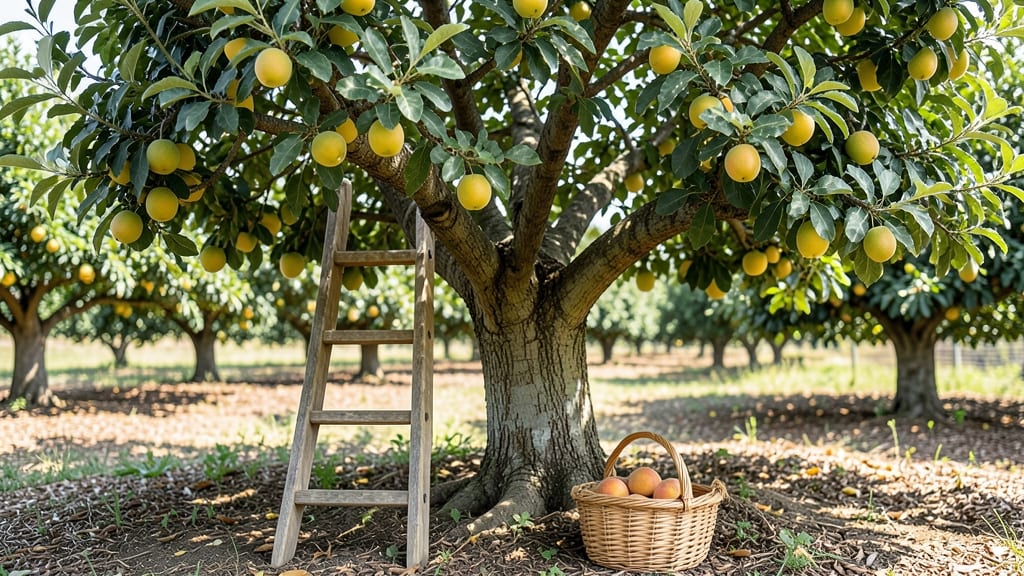
Planting a nectarine Goldmine tree in your backyard means sweet, juicy fruit in just three years—with less pruning than you’d expect. 🌱 I’ve grown this variety for five seasons now, and its reliable yields and disease resistance make it my top recommendation for home orchards.
The secret isn’t fancy techniques but knowing when to prune, how to water, and which pests to watch for.
This tree thrives in full sun and well-draining soil, making it perfect for most U.S. climates (zones 5-9). Unlike fussy nectarine varieties, Goldmine handles heat and humidity well, and its minimal pruning needs mean less work for you.
With the right care, you’ll harvest 50-100 pounds of fruit per tree by year three—enough to share with neighbors or freeze for winter.
What sets Goldmine apart is its foolproof nature. No need for complex pollination tricks—it’s self-fertile, and its thick skin resists cracking, even in heavy rains. Plus, the fruit ripens all at once, so you won’t waste time picking overripe nectarines.
By summer’s end, your tree will be laden with golden-orange fruit that tastes sweeter than store-bought.
The real magic happens in the details: proper spacing, summer watering, and a single winter pruning session. Skip the guesswork—this guide covers every step, from planting to harvest, so you can enjoy your bountiful harvest with confidence. Let’s get started!
📚 In This Guide
- What you need
- Instructions
- Tips and common mistakes
- Wrapping up and next steps
What you need
- ● Nectarine Tree Sapling: 1 self-pollinating or pollinator-compatible variety (e.g., 'Summergrand,' 'Fantasia,' or 'Redgold')
- ● Dwarf or semi-dwarf rootstock (for smaller spaces; standard for larger yards)
- ● Soil Amendments: 5 lbs compost or well-rotted manure
- ● 2 lbs balanced fertilizer (10-10-10 or 8-3-9) for planting
- ● 1 lb lime (if soil pH is below 6.0; test kit recommended)
- ● Planting Supplies: 1 5-gallon bucket for transplanting (if nursery-grown)
- ● 2 pruning shears (sterilized; bypass blades for clean cuts)
- ● 1 roll mulch (straw or wood chips, 2–3 inches thick)
- ● Essential Tools: 1 trowel or spade (for digging)
- ● 1 garden hose with adjustable nozzle (for watering)
- ○ 1 pH test kit (optional but helpful for soil prep)
- ● Pruning Tools (for Year 1–3): 1 hand pruner (for small branches, ¼"–½" cuts)
- ● 1 loppers (for thicker branches, up to 1.5" diameter)
- ● 1 pruning saw (for stubborn branches, if needed)
- ● 1 rubbing alcohol (70% or higher) + paper towels (for sterilizing tools)
- ● Climate & Location: USDA Hardiness Zones 5–9 (check your zone here)
- ● Full sun (6+ hours/day) and well-draining soil
- ● Space: 10–15 feet between trees (or 6–8 feet for dwarf varieties)
- ○ Optional (But Helpful!): 1 tree stake (if planting in windy areas)
- ● 1 drip irrigation system (for consistent watering)
- ● 1 fruit tree spray (organic or chemical, for pest control)
- ● 1 notebook (to track pruning dates, growth, and harvest notes!)
Step-by-step instructions for planting and caring for a nectarine Goldmine tree
Here's how to get your fruit tree thriving with minimal fuss.
🪴 Step 1: Choose the Perfect Planting Spot and Prepare the Soil
Nectarine trees need full sun—at least 6-8 hours daily—to produce sweet, flavorful fruit. Pick a location with shelter from strong winds, like near a fence or building. The Goldmine variety does well in USDA zones 5-9, so check your local climate before planting.
Test your soil first—nectarines prefer well-draining soil with a pH of 6.0-7.0. If your soil is heavy clay, mix in 3 cubic feet of compost per planting hole to improve drainage. Avoid low-lying areas where water pools after rain. The tree will reward you with fruit in 3 years, so give it the best possible start.
🌱 Step 2: Plant Your Tree at the Right Depth and Water Thoroughly
Dig a hole twice as wide as the tree's root ball but only as deep as the container it came in. This prevents burying the graft union, which can cause disease. Gently remove the tree from its container and loosen any circling roots with your fingers—this encourages outward growth.
Place the tree in the hole so the top of the root ball sits 1-2 inches above ground level. Backfill with native soil, pressing lightly to remove air pockets. Water deeply (about 5 gallons) right after planting to settle the soil. You'll see the soil surface sink slightly—this is normal. Mulch around the base with 2-3 inches of organic mulch, keeping it 6 inches away from the trunk to prevent rot.
☀️ Step 3: Establish a Watering and Fertilizing Routine for First-Year Growth
Water your nectarine tree deeply once a week during the first year, providing 10-15 gallons total per watering. The goal is to encourage deep root growth—shallow watering leads to weak roots. Check moisture by sticking your finger 2 inches into the soil; if it's dry, it's time to water again.
Fertilize lightly in early spring with a balanced fruit tree fertilizer (10-10-10 ratio). Follow package instructions, but avoid overdoing it—too much nitrogen promotes leafy growth at the expense of fruit. You'll notice new leaves emerging within 2-3 weeks if the tree is happy. Prune only to remove any dead or crossing branches during this first year—no heavy pruning is needed yet.
✂️ Step 4: Prune for Structure and Fruit Production in Year 2
Prune your nectarine tree in late winter or early spring, before buds swell. Remove any dead, diseased, or crossing branches first. Then, shape the tree by cutting back last year's growth by 25% to encourage new, fruitful branches. The Goldmine variety is naturally productive, but proper pruning ensures better air circulation and sunlight penetration.
Watch for suckers (shoots growing from the base) and remove them immediately—they drain energy from the main tree. Thin out some fruit in early summer if branches are overloaded; leave 6-8 inches between fruits to prevent small, sour harvests. You'll see the tree's framework take shape, setting the stage for a bountiful harvest in year 3.
🍑 Step 5: Maintain for Maximum Fruit Yield in Year 3 and Beyond
By year 3, your nectarine tree should be in full production. Continue watering deeply once a week during dry spells, and fertilize twice a year—once in early spring and again after harvest. Thin fruit again if branches look crowded, focusing on well-spaced, healthy-looking fruits.
Keep an eye out for pests like aphids or peach leaf curl—address issues early with neem oil or horticultural soap to avoid damaging the fruit. Harvest Goldmine nectarines when they easily slip from the tree with a gentle twist and have a rich, golden color. With minimal pruning and consistent care, you'll enjoy juicy, sweet nectarines for years to come.
Tips & tricks for perfect nectarine Goldmine tree care
Here's what I've learned after helping countless gardeners grow thriving fruit trees—simple secrets that make all the difference.
Sunlight Strategy: That 6-8 hours of sunlight is non-negotiable for sweet nectarines, but here's the thing—morning sun is more important than afternoon. Position your tree to catch those warm morning rays first, which helps prevent sunburn on the fruit. If you're in a hot climate, afternoon shade becomes crucial after the first year when fruit develops.
Soil Test Tip: Don't just guess about your soil's pH. Pick up a testing kit from your local garden center—it's cheap insurance against poor drainage or nutrient deficiencies. I've seen Goldmine trees struggle in soil that tested at 5.8 when they needed just that slight adjustment to 6.0. The difference in fruit quality is night and day.
Watering Wisdom: When you're establishing that deep watering routine, use the "finger test" method I mentioned—stick your finger 2 inches down. But here's the pro move: water in the morning so the roots have all day to absorb moisture before evening evaporation. And don't forget to water the entire root zone, not just around the trunk.
Pruning Precision: That 25% cutback in Year 2 might sound arbitrary, but it's actually a perfect balance. Cut just outside the branch collar where the branch meets the trunk—this prevents unsightly stubs. And when thinning fruit in early summer, focus on removing smaller fruits first. The remaining ones will grow larger and sweeter because they're not competing for nutrients.
Pro Tips for Nectarine Goldmine Tree
- Here's what I've learned after helping countless gardeners grow thriving fruit trees—simple secrets that make all the difference.
- Sunlight Strategy: That 6-8 hours of sunlight is non-negotiable for sweet nectarines, but here's the thing—morning sun is more important than afternoon.
- Soil Test Tip: Don't just guess about your soil's pH.
Frequently asked questions
How soon can I expect fruit after planting?
A nectarine goldmine tree typically starts bearing fruit in 2–3 years from transplanting, though some varieties may take up to 4 years in cooler climates. Patience pays off—your first harvest will be sweeter (and more abundant) with proper care, like regular watering and light pruning in the first year.
When is the best time to prune for maximum fruit yield?
Prune your tree late winter or early spring (before buds swell) to encourage strong growth. Avoid heavy pruning in summer, as it can stress the tree. Focus on removing dead, crossing, or overcrowded branches—this opens the canopy for sunlight and air circulation, boosting fruit quality. Pro tip: Use sharp pruners and seal larger cuts with pruning paste to prevent disease.
Why aren’t my nectarines ripening evenly?
Uneven ripening often stems from inconsistent sunlight or overcrowded branches. Thin out fruit clusters to 6–8 nectarines per branch to ensure size and sweetness. If ripening is still spotty, check for pests (like aphids) or nutrient deficiencies (add a balanced fertilizer in early spring). Bonus: Harvest slightly underripe nectarines—they’ll ripen indoors in 2–3 days!
Can I grow a nectarine goldmine tree in a container?
Yes! Choose a large pot (at least 20 gallons) with drainage holes and use well-draining soil. Dwarf varieties thrive in containers, but expect smaller fruit yields compared to in-ground trees. Move the pot to a sunny spot (6+ hours of light daily) and water deeply when the top inch of soil is dry. Warning: Containers dry out faster—monitor moisture closely in summer.
How do I prevent my tree from getting too “leggy”?
Leggy growth happens when a tree stretches for sunlight. To fix it:
- Prune 1/3 of the longest branches in late winter to encourage bushier growth.
- Train young trees with stakes or a trellis to grow upright.
- Fertilize with low-nitrogen, high-phosphorus (like 5-10-10) to promote flowering.
Wrapping up and next steps
Growing a nectarine goldmine tree is your ticket to a low-maintenance, high-reward orchard in just three years—no fancy pruning skills required! 🌱 With the right tools, a little patience, and smart care, you’ll enjoy juicy, sun-kissed nectarines that taste like summer in every bite.
Whether you’re a backyard gardener or a pruning newbie, this tree proves that big harvests start with small, intentional steps.
Ready to plant your first branch? Start by sourcing your tree, prepping the soil, and marking your calendar for that first pruning session. Your future fruit basket is waiting—just dig in! 🍑✨