
Pruning
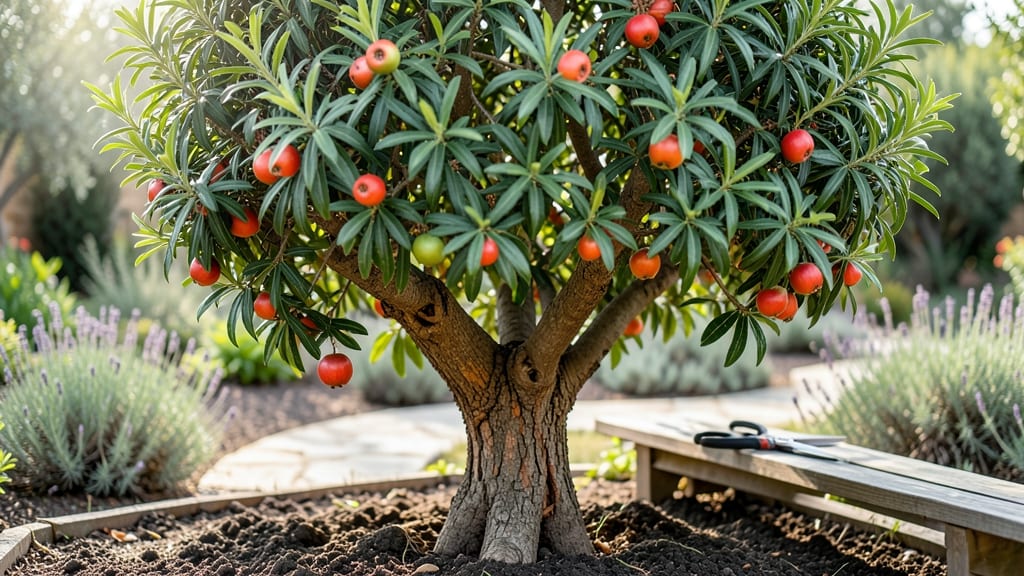
A full grown pomegranate tree stands like a living jewel in your landscape—12 to 20 feet tall, its deep green leaves rustling with the promise of ruby-red fruit. 🌿 I planted mine in late spring, and by the second year, it was already throwing out clusters of flowers that smelled like autumn in a bottle.
The real magic? Once established, it produces fruit reliably with almost no fuss.
This isn’t a high-maintenance diva of a tree. In fact, pomegranates thrive on neglect—just give it full sun, well-draining soil, and occasional water once its roots take hold. The pruning? A quick cleanup in late winter keeps it healthy without the headache.
You’ll harvest those glossy, jewel-toned fruits from September through November, and if you’re lucky, a few stragglers will linger into December.
What you’ll love most is how the tree rewards patience. First-year yields are modest, but by year three, you’re looking at 50-100 pounds of fruit per season—enough to share with neighbors or stash in the freezer.
The seeds? A crunchy, tangy snack straight from the tree. And the best part? The tree lives for decades, getting more productive with age.
Now, let’s talk about the small details that make all the difference—like when to prune, how to spot pests before they become problems, and the one trick that keeps your tree flowering like crazy. Ready to turn your yard into a pomegranate paradise?
📚 In This Guide
- What you need
- Instructions
- Tips and common mistakes
- Wrapping up and next steps
What you need
- ● Pomegranate tree: Dwarf variety (6–8 ft tall) or standard (12–15 ft tall) – choose based on space.
- ● Age: 1–3 years old (younger trees establish faster).
- ● Planting site: Full sun (6+ hours daily).
- ● Well-draining soil (pH 5.5–7.0). Test soil and amend with compost if needed.
- ● Tools: Pruning shears (bypass or anvil type, sharp and sterilized).
- ● Hand pruners (for smaller branches).
- ● Loppers (for thicker branches, 1–2 inches in diameter).
- ● Gloves (heavy-duty, to protect from thorns).
- ● Shovel or trowel (for planting/transplanting).
- ● Mulch (2–3 inches of organic mulch, like wood chips or straw).
- ● Fertilizer: Balanced, slow-release fertilizer (10-10-10 or 8-3-9) – 2–3 applications per year (spring, summer, fall).
- ○ Citrus-specific fertilizer (optional, for extra nutrients).
- ● Drip irrigation system (to ensure consistent moisture without overwatering).
- ● Tree support stake (for young or top-heavy trees).
- ● Pest control spray (neem oil or horticultural oil for aphids/mealybugs).
- ● Fruit thinning shears (to remove excess flowers/fruit for larger harvests).
- ● Soil moisture meter (to monitor water needs, especially in drought-prone areas).
Step-by-step guide to maintaining a thriving full-grown pomegranate tree
Here's how to keep your mature pomegranate tree producing fruit year after year with minimal fuss.
🌿 Step 1: Prune for Airflow and Light in Late Winter
Start pruning in late February or early March before new growth begins. Remove any dead, diseased, or crossing branches first—they compete with healthy growth and invite pests. I always use clean, sharp pruners to make cuts just above outward-facing buds. This encourages new shoots to grow away from the center.
Next, thin out crowded branches to improve airflow. Aim for an open vase shape that lets sunlight reach the center. You'll see the tree's natural structure more clearly once winter foliage is gone. Real talk: Don't remove more than 25% of the tree's canopy at once—this stresses the tree and reduces fruit production.
☀️ Step 2: Provide Consistent Watering During Fruit Development
Pomegranates need deep, infrequent watering—about 1-2 inches per week during growing season. I water at the base using a soaker hose to avoid wetting leaves, which prevents fungal diseases. The soil should feel dry 2-3 inches down before watering again. Overwatering causes root rot, while underwatering leads to small, tart fruit.
Here's the thing—water more frequently when fruit begins to form (around June-July). The tree needs steady moisture to develop sweet, juicy fruit. You'll notice new flower clusters forming in late summer—this is your cue to maintain consistent watering until harvest. Mulch with 2-3 inches of organic material to retain moisture and regulate soil temperature.
✂️ Step 3: Thin Fruit Clusters for Larger, Sweeter Pomegranates
When fruit clusters form in late summer, thin them to 4-6 fruit per cluster. This ensures the remaining pomegranates grow larger and sweeter. I remove smaller or misshapen fruit first—these compete for nutrients and often stay tart. Use clean pruners to avoid damaging the stem. You'll see the remaining fruit swell noticeably within 4-6 weeks after thinning.
Don't skip this step (I learned the hard way). Overloaded branches can snap under the weight, and small fruit stays dry and mealy. Thin in early morning to reduce stress on the tree and allow any cuts to heal before evening. After thinning, give the tree a light fertilizer application if the soil feels depleted.
🪴 Step 4: Prepare for Winter Dormancy in Fall
Stop fertilizing by mid-September to allow the tree to harden off before winter. Remove any remaining fallen fruit or debris from the base—this prevents pests and diseases from overwintering. I also apply a 2-inch layer of mulch around the base to protect roots from freezing temperatures.
The tree will drop most of its leaves by late fall. This is normal—pomegranates are deciduous. If your tree loses leaves early, it's preparing for dormancy. Water sparingly during dry winter months unless the ground is completely frozen. A mature pomegranate tree can handle 10-15°F without protection, but younger trees benefit from a burlap wrap around the trunk.
Tips & tricks for perfect year-round pomegranate harvest
A few simple strategies that'll transform your pomegranate tree from decent to spectacular with minimal extra effort.
Pruning Precision: When you're pruning in late February or early March, look for branches that grow inward—they're the first to remove. These compete for sunlight and air circulation, creating perfect conditions for fungal diseases. I also recommend sterilizing your pruners with rubbing alcohol between cuts on different branches. This prevents spreading any potential infections you might encounter. The goal is to create an open vase shape that lets sunlight reach all the way to the center of the tree.
Watering Wisdom: That 1-2 inch weekly measurement during growing season is your baseline, but here's what nobody tells you—check the soil moisture at the 2-3 inch depth with your finger, not just the surface. The top inch can be dry while moisture remains below. When fruit starts forming in June-July, increase to 2-3 inches per week until harvest. The key is consistency; pomegranates hate moisture swings that cause uneven fruit development.
Fruit Thinning Technique: In Step 3, when you're thinning to 4-6 fruit per cluster, focus on keeping the largest, most symmetrical fruit. These will have the best genetic potential for sweetness and size. I've found that removing fruit with any signs of disease or damage at this stage prevents those issues from spreading to the remaining fruit. After thinning, give the tree a light application of balanced fertilizer—something like 10-10-10 at half strength—to help the remaining fruit recover from the stress of thinning.
Pro Tips for Full Grown Pomegranate Tree
- A few simple strategies that'll transform your pomegranate tree from decent to spectacular with minimal extra effort.
- Pruning Precision: When you're pruning in late February or early March, look for branches that grow inward—they're the first to remove.
- Watering Wisdom: That 1-2 inch weekly measurement during growing season is your baseline, but here's what nobody tells you—check the soil moisture at the 2-3 inch depth with your finger, not just the surface.
Frequently asked questions
Got questions about nurturing a full-grown pomegranate tree? Here are some of the most common concerns—and their straightforward answers—to help you keep your tree thriving with ease.
How big does a full-grown pomegranate tree get?
A mature pomegranate tree typically reaches 12–16 feet tall and spreads 10–15 feet wide, depending on the variety. Dwarf varieties (like ‘Wonderful’ or ‘Eversweet’) stay smaller, ideal for containers or tight spaces. Always check the specific variety’s growth habits before planting!
When does a pomegranate tree start producing fruit?
Patience is key! Most pomegranate trees take 3–5 years to bear fruit after planting. Young trees focus on root and branch growth first. To speed things up, ensure full sun (6+ hours daily), well-draining soil, and regular watering—especially during the first two years.
Do I need to prune a full-grown pomegranate tree every year?
Nope! Minimal pruning is all it takes. Focus on removing dead, diseased, or crossing branches in late winter or early spring. Lightly shape the tree to improve airflow and sunlight penetration. Avoid heavy pruning—pomegranates fruit on new wood, so aggressive cuts can reduce harvests.
Why aren’t my pomegranates splitting open naturally?
Pomegranates rely on temperature shifts to crack open. If they stay closed, try gently tapping them with a wooden stick or placing them in a warm spot (like a sunny windowsill) for a few days. Overripe fruit may split on its own—harvest just before they do for the best flavor and texture!
Can a pomegranate tree survive cold winters?
Most pomegranate varieties tolerate USDA Zones 7–11, but young trees or tender varieties (like ‘Sweetheart’) need protection in colder climates. Mulch heavily around the base and wrap the trunk in burlap or frost cloth. In extreme cold (<20°F), consider growing in containers and moving them indoors.
Wrapping up and next steps
Growing a full-grown pomegranate tree is a rewarding journey that brings year-round beauty and delicious harvests with surprisingly minimal effort! With the right tools, timing, and techniques—like strategic pruning—you’ll enjoy vibrant blooms, lush foliage, and juicy fruit for seasons to come. 🌿✨
Now that you’re armed with the know-how, why not take the next step? Start small: prune a single branch this season, observe your tree’s response, and build confidence. Before you know it, your backyard will be bursting with pomegranates—and maybe even a few happy neighbors asking for tips! 🍇😊