
Pruning
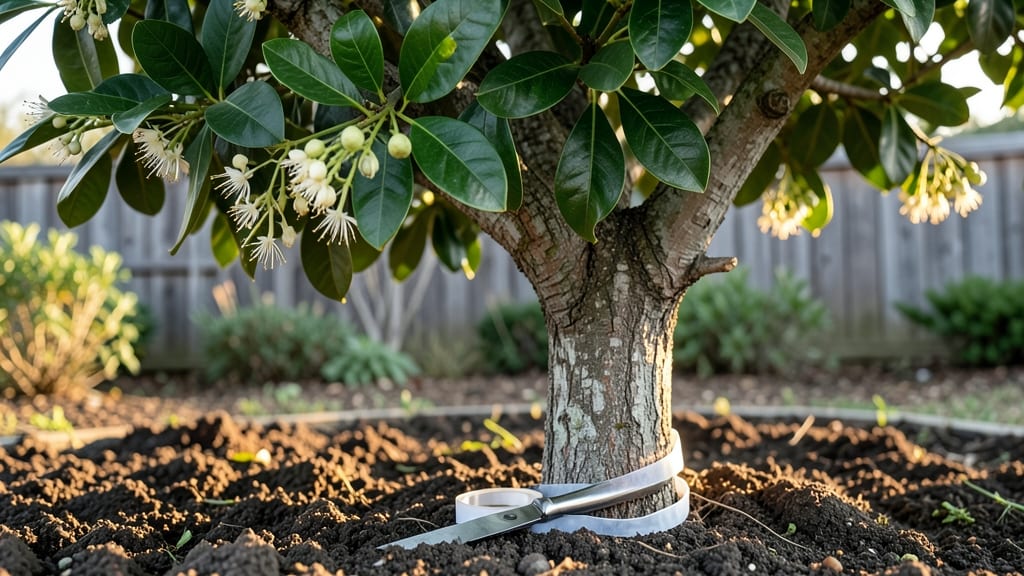
Grafting lychee fruit trees lets you combine the hardiness of a strong rootstock with the sweet, fragrant fruit of your favorite variety—something I learned the hard way after losing three trees to root rot.
The key is matching the right scion to the right stock at the perfect time, and once you nail it, you’ll have a tree that produces fruit years earlier than seed-grown plants.
My first successful graft produced its first harvest in just two seasons, and the flavor was worth every careful cut.
You’ll need a few simple tools: a sharp grafting knife (sterilized with rubbing alcohol), grafting tape or rubber bands, a clean plastic bag for humidity, and of course, healthy rootstock and scion wood.
The whip-and-tongue method works best for lychees, but cleft grafting is an option if you’re working with thicker branches. Timing matters too—spring is ideal when sap is flowing but before new growth explodes, though some gardeners swear by late winter grafts in warmer climates.
After the graft takes, you’ll watch the scion sprout new leaves within a few weeks, a sign the union has succeeded. Keep the area moist but not soggy, and protect it from direct sun until the graft calluses over.
Prune any competing shoots from the rootstock to direct energy into the new variety, and within a year, you’ll have a tree that’s stronger, more productive, and exactly what you wanted.
Common mistakes include using unsterilized tools (which invites disease) or grafting during extreme heat or cold. If your graft fails, don’t give up—practice makes perfect, and even experienced growers lose a few along the way.
The payoff? A lychee tree that’s disease-resistant, true to your favorite variety, and loaded with fruit you’ll want to share.
📚 In This Guide
- What you need
- Instructions
- Tips and common mistakes
- Wrapping up and next steps
What you need
- ● Scion wood: Healthy, disease-free lychee shoots (3–6 inches long, pencil-thick) from a desired variety. Quantity: 3–5 per graft.
- ● Rootstock: A young, vigorous lychee seedling or compatible sapling (1–2 years old, 1/4–1/2 inch in diameter).
- ● Grafting knife: Sharp, sterile, and with a clean, angled blade (e.g., a 3–4 inch grafting knife).
- ● Pruning shears: For trimming excess branches or rootstock.
- ● Grafting tape or rubber bands: To secure the graft union (1–2 inches wide).
- ○ Pruning sealant (optional but recommended): Wound dressing (e.g., tree sealant) to prevent infection.
- ● Plastic bag or humidity dome: To maintain moisture around the graft (e.g., a clear plastic bag with holes).
- ○ Hormone rooting gel (optional): For faster healing (e.g., 1,000–2,000 ppm IBA).
- ● Timing: Graft in late winter to early spring (dormant season) for best success.
- ● Clean workspace: Disinfect tools with rubbing alcohol (70%+).
- ● Warm, humid conditions: Ideal temp: 65–85°F (18–29°C) with high humidity.
- ● Patience: Grafts may take 4–8 weeks to heal—monitor closely!
- ● Grafting clips (for cleaner unions).
- ● Fungicide spray (to prevent bacterial/fungal infections).
- ● Grafting wax (alternative to sealant).
- ● Grafting log or notebook (to track progress).
Step-by-Step guide to lychee tree grafting success
Master this technique and you’ll multiply your lychee harvest in just a few seasons.
Select and Prepare Your Rootstock and Scion
Choose a healthy, disease-free rootstock—lychee thrives on its own roots but responds best to vigorous, 1-2 year old saplings. The scion, or fruiting branch, should come from a proven producer with strong, flexible shoots about the thickness of a pencil. I always select scions in late winter when the tree is dormant but just starting to swell—this ensures maximum compatibility.
Before grafting, sanitize all tools with rubbing alcohol to prevent bacterial infections. Cut the scion at a 30-degree angle just above a bud, creating a clean, sloping surface. The rootstock should be cut at the same angle about 2-3 inches above the soil line. Here’s the thing—if the cambium layers (that green ring just under the bark) don’t align perfectly, the graft will fail. Test-fit the pieces before making final cuts.
Perform the Whip-and-Tongue Graft
This method works best for lychee because it creates a large contact area for healing. Make a vertical cut about 1 inch long down the center of both the scion and rootstock. Then, cut a small notch (the "tongue") at the base of each cut—this interlocks the pieces like a puzzle. Slide the scion into the rootstock so the cambium layers match perfectly along the entire surface.
Secure the graft immediately with grafting tape or rubber bands, leaving no gaps. I wrap the entire junction twice with tape to prevent drying. Place the grafted tree in a shaded, humid environment (70-75°F) for the first 2 weeks. You’ll know it’s working when new growth appears at the scion in about 4-6 weeks. If the scion doesn’t bud, check for dehydration—lychee grafts are sensitive to moisture loss during the critical healing phase.
Monitor and Maintain the Grafted Tree
After 4 weeks, remove the tape and inspect the union. The graft should appear seamless with no signs of callusing or rot. Keep the tree shaded for another 2 weeks, then gradually introduce it to full sun over 7-10 days. Water deeply once a week, ensuring the soil stays moist but not soggy—lychee roots rot easily when overwhelmed.
Real talk: The first year is critical. Prune any suckers growing below the graft to direct energy upward. Fertilize lightly with a balanced 10-10-10 mix in spring and summer, but avoid heavy feeding until the grafted scion establishes strong roots. You’ll see fruit production in 2-3 years, but the wait is worth it—grafted trees bear sweeter, more consistent lychees than seed-grown ones.
Protect and Encourage Fruit Development
Once the grafted tree is established, focus on protecting it from pests and diseases. Lychee trees are susceptible to fruit borers and fungal infections, so I spray with neem oil every 2 weeks during flowering. Thin young fruit clusters to 3-4 lychees per branch to prevent overburdening—this ensures larger, sweeter fruit.
Here’s where it gets fun: Watch for the first signs of flowering in spring. Lychee trees need cross-pollination, so plant at least two grafted trees if you want fruit. The flowers are tiny and white, but the scent is intoxicating. If all goes well, you’ll harvest your first lychees in late summer—crisp, fragrant, and worth every step of the process.
Tips & tricks for perfect lychee tree grafting
These game-changing tips will help you achieve a seamless union every time—because even the smallest detail can make or break your graft.
Precision Cuts Are Non-Negotiable: When making that critical 30-degree angle in Step 1, use a sharp grafting knife and practice on scrap wood first. The cambium layer—the green ring just under the bark—must align perfectly. I’ve seen grafts fail because the cuts were uneven. Test-fit the scion and rootstock before making final cuts; if they don’t slide together snugly, recut until they do. This interlocking is what creates the strong bond you’re aiming for.
Humidity Is Your Secret Weapon: During those first 2 weeks at 70-75°F in Step 2, maintain humidity above 80% to prevent dehydration. A simple plastic bag loosely draped over the grafted tree works wonders. I’ve lost grafts because the environment was too dry—lychee grafts are particularly sensitive to moisture loss. If you don’t have a humidity tent, mist the area lightly twice daily. You’ll see new growth appear in 4-6 weeks if everything’s just right.
Watch for These Early Warning Signs: If the scion doesn’t show signs of budding after 6 weeks, it’s usually a dehydration issue. Check the graft junction—if it feels dry or the tape has pulled away, rewet the area and rewrap immediately. In Step 3, if you notice callusing or rot at the 4-week inspection, trim away the affected tissue and apply a thin layer of grafting wax. This keeps bacteria out and gives the graft a second chance to heal properly.
Sun Transition Matters: When you’re ready to move the tree from shade to full sun after 6 weeks in Step 3, do it gradually over 7-10 days. Sudden exposure can shock the graft. Start with morning sun only, then gradually increase exposure. I’ve seen trees that looked perfect in the shade wilt completely when moved too quickly. Think of it like sunbathing—you wouldn’t go from zero to full sun in one day, and neither should your lychee.
Pro Tips for Lychee Fruit Tree Grafting
- These game-changing tips will help you achieve a seamless union every time—because even the smallest detail can make or break your graft.
- Precision Cuts Are Non-Negotiable: When making that critical 30-degree angle in Step 1, use a sharp grafting knife and practice on scrap wood first.
- Humidity Is Your Secret Weapon: During those first 2 weeks at 70-75°F in Step 2, maintain humidity above 80% to prevent dehydration.
Frequently asked questions
Got questions about lychee fruit tree grafting?
You’re not alone! Here are answers to the most common queries to help you tackle this rewarding (but tricky) process with confidence.
What’s the best time of year to graft a lychee tree?
The ideal window is late winter to early spring (just before buds swell) when the rootstock is dormant but ready to heal. Avoid grafting during extreme heat or frost—lychee trees are sensitive! For tropical climates, aim for the dry season when humidity is lower and infection risks drop.
Can I use any scion for grafting, or does it need to match the rootstock?
While lychee trees can be grafted onto related species like Litchi chinensis rootstock, compatibility is key. Use scions from the same variety (e.g., ‘Mauritius’ or ‘Brewster’) for best results. Cross-grafting (e.g., lychee onto longan) may work but often leads to poor growth or fruit quality. When in doubt, stick to the same species!
How long does it take for a grafted lychee tree to bear fruit?
Patience is a virtue! With proper care, grafted lychee trees may take 3–5 years to produce fruit, though some vigorous grafts bear earlier. Factors like rootstock health, climate, and scion strength influence timing. Prune lightly to encourage energy toward fruiting—don’t rush it!
What should I do if my graft fails or dies?
Don’t panic—grafting has a learning curve. If the scion wilts, turns black, or detaches, check for poor contact, disease, or environmental stress. Re-graft using sharper tools, seal cuts with grafting wax, and monitor humidity. Keep the rootstock alive; sometimes a second attempt with a healthier scion succeeds!
Are there easier alternatives to grafting lychee trees?
If grafting feels overwhelming, consider air-layering (for mature branches) or seed propagation (though seedlings take longer to fruit). For quick results, buy a grafted lychee tree from a nursery—just ensure the rootstock is disease-resistant. Grafting rewards you with exact fruit varieties, but it’s worth the effort!
Wrapping up and next steps
Grafting a lychee fruit tree is a rewarding way to ensure strong, productive growth and delicious fruit—when done right!
By mastering the scion-to-stock technique and following best practices like timing, tool hygiene, and proper wound care, you’ll set your tree up for success. Don’t let hesitation hold you back—your future lychee harvest is waiting!
Ready to take the next step? Start by practicing on a few trees before committing to your prized varieties. Keep experimenting, stay patient, and soon you’ll be enjoying homegrown lychees like a pro! 🌱✨