Pruning
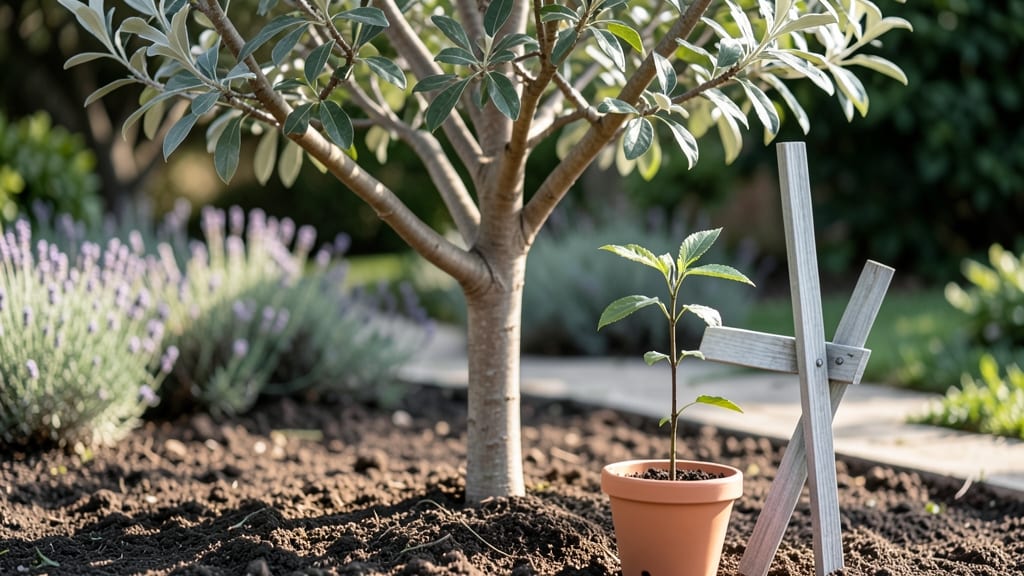
Almond trees aren't naturally self-pollinating—most need a second tree for fruit, but I’ve found three varieties that break the rules for small gardens. 🌱 The key is understanding which ones can handle the job solo, and how to give them a helping hand when they can’t.
Self-pollinating almonds like ‘Nonpareil’ or ‘Butte’ produce better with a partner, but true self-fertile types like ‘Independence’ or ‘Sonora’ can fruit alone if conditions are right. The trick? Planting near bees, avoiding windy spots, and timing blossoms to overlap—even a single tree can yield nuts with the right care.
You’ll end up with sweet, crunchy almonds straight from your yard, no orchard needed. The nuts ripen in late summer, and with proper pruning, a single tree can feed a family for years. Best of all, these varieties thrive in zones 5-9, making them adaptable to most climates.
For best results, pair your tree with a compatible variety if possible—just 50 feet apart—and watch the pollinators do the rest. Even self-fertile types produce more with a little help from nature (or your neighbors’ trees).
📚 In This Guide
- What you need
- Instructions
- Tips and common mistakes
- Wrapping up and next steps
What you need
- ● Self-pollinating almond tree varieties: 1–2 dwarf or semi-dwarf trees (e.g., Nonpareil, Fritz, or Carmel—choose cold-hardy types for your zone). Pro tip: Check local nurseries for disease-resistant rootstocks!
- ● Well-draining soil: Test soil pH (ideal: 6.0–7.5). Amend with compost or sand if needed.
- ● Organic matter: 5–10 lbs of compost or aged manure per tree to enrich soil.
- ● Watering supplies: Drip irrigation kit or soaker hose (almonds hate soggy roots!).
- ● Pruning tools: Bypass pruners (sharp, for clean cuts)
- ● Loppers (for thicker branches)
- ● Hand saw (for stubborn limbs)
- ● Mulch: 2–3 inches of wood chips or straw to retain moisture and regulate temperature.
- ● Fertilizer: Balanced 10-10-10 or almond-specific fertilizer (follow package rates).
- ● Pest control: Neem oil or horticultural oil (for aphids/mites) and copper spray (for bacterial issues).
- ● Tree guards: Plastic or wire mesh to protect young trunks from critters.
- ● Soil moisture meter: To monitor water levels (almonds need consistency!).
- ● Grafting tools: If you’re ambitious and want to propagate your own trees!
- ● Shade cloth: For hot climates to protect young trees during summer.
Step-by-step guide to selecting and planting self-pollinating almond trees
Here's how to choose reliable varieties and set them up for bountiful harvests.
🌱 Step 1: Choose the Right Self-Fertile Variety
Look for certified self-pollinating almond cultivars like 'Independence,' 'Sonora,' or 'Texas.' These varieties produce nuts without needing cross-pollination, making them perfect for small gardens or single-tree plantings. Check the chilling hour requirements—most self-pollinating types need 200-500 hours below 45°F annually for proper flowering.
I always verify the rootstock type too. Semi-dwarf rootstocks like 'Nemaguard' or 'Lovell' keep trees manageable while improving disease resistance. Avoid full-size rootstocks unless you have plenty of space—they can reach 20-30 feet tall and need heavy pruning.
🪴 Step 2: Select Planting Location and Soil Prep
Almond trees need full sun exposure (at least 8 hours daily) and well-draining soil with a pH between 6.0-7.5. Avoid low spots where water pools after rain—root rot is the #1 killer of young trees. Amend heavy clay soil with 3-4 inches of compost mixed into the top 12 inches of soil.
I dig a planting hole twice as wide as the root ball but only as deep. The tree's graft union should sit 2-3 inches above ground level—this prevents moisture from rotting the graft. If your soil drains poorly, consider planting on a 6-inch mound of amended soil.
☀️ Step 3: Plant and Establish Proper Watering
Remove the tree from its container and loosen any circling roots gently. Place it in the hole so the root flare is visible at the soil surface. Backfill with native soil (not amended mix) and water deeply to eliminate air pockets. The soil should settle 1-2 inches—add more if needed to maintain the proper depth.
Water deeply 2-3 times per week for the first 6-8 weeks to encourage root establishment. You'll know you're doing it right when water drains through to 12 inches deep—stick your finger in to check. After establishment, reduce to 1-2 times per month unless there's no rainfall for 2 weeks. Overwatering in winter can cause root suffocation.
✂️ Step 4: Prune for Structure and Airflow
Prune in late winter or early spring before buds swell. Remove any dead, crossing, or inward-growing branches first—these compete for energy and block sunlight. Open the canopy by thinning 25-30% of the branches to improve airflow and reduce disease risk.
I always leave 3-5 main scaffold branches spaced evenly around the trunk. These will form the tree's framework. Avoid heavy pruning in the first year—let the tree focus on root growth. In subsequent years, prune during dormancy to shape the tree while maintaining an open center.
🌿 Step 5: Fertilize and Protect for Long-Term Health
Apply a balanced 10-10-10 fertilizer in early spring (before buds break) and again in mid-summer at half the recommended rate. Almond trees are light feeders—too much nitrogen promotes leafy growth at the expense of nut production. Spread fertilizer in a 6-inch band around the drip line, not touching the trunk.
Watch for peach leaf curl and aphids—common pests in almond orchards. I spray a copper fungicide in late fall and early spring as prevention. For pests, a soapy water spray works well on young trees. Mulch with 2-3 inches of wood chips in spring to retain moisture and suppress weeds without smothering the trunk.
Tips & tricks for perfect self-pollinating almond trees
These practical insights will help you avoid common pitfalls and maximize your harvest with minimal effort.
Variety Selection Wisdom: When choosing between 'Independence,' 'Sonora,' or 'Texas,' consider your local climate first. 'Independence' thrives in areas with 200-300 hours of chilling, while 'Texas' can handle up to 500 hours—matching your region's chilling hours prevents poor flowering. I always check the USDA hardiness zone map to confirm compatibility before purchasing, as even self-pollinating varieties need proper winter dormancy.
Soil Prep Game-Changer: The 6.0-7.5 pH range mentioned isn't just a recommendation—it's critical for nutrient uptake. Test your soil before planting; if it's outside this range, amend with elemental sulfur (to lower pH) or lime (to raise it). I've seen trees struggle in slightly acidic soil where a simple pH adjustment would have made all the difference. For heavy clay soils, mix in 3-4 inches of compost into the top 12 inches—this improves drainage without overwhelming the tree's root system.
Watering Strategy: Those first 6-8 weeks of deep watering are non-negotiable for root establishment. I use a moisture meter to verify water reaches 12 inches deep—if it doesn't, I water again. After establishment, the 1-2 times per month guideline assumes average rainfall. In drought-prone areas, I increase to weekly watering during hot summers, always checking the soil moisture first. Overwatering in winter is especially dangerous—wet soil combined with cold temperatures creates the perfect conditions for root rot.
Pruning Precision: The 25-30% thinning recommendation creates that crucial open canopy, but timing matters just as much. I prune in late winter when the tree is still dormant but buds are visible—this gives you a clear view of branch structure. For young trees, I mark potential scaffold branches with flagging tape before making cuts, ensuring I maintain that 3-5 branch framework. In subsequent years, I prune during dormancy but avoid cutting into old wood, which heals poorly and invites disease.
Pro Tips for Almond Tree Self Pollinating
- These practical insights will help you avoid common pitfalls and maximize your harvest with minimal effort.
- Variety Selection Wisdom: When choosing between 'Independence,' 'Sonora,' or 'Texas,' consider your local climate first.
- Soil Prep Game-Changer: The 6.0-7.5 pH range mentioned isn't just a recommendation—it's critical for nutrient uptake.
Frequently asked questions
Got questions about growing self-pollinating almond trees? You’re not alone! Here are answers to the most common concerns—so you can enjoy almonds without the guesswork.
Do self-pollinating almond trees really produce nuts without a partner?
Yes! Varieties like Texas’ and ‘Independence’ are true self-pollinators, meaning they don’t need another tree for cross-pollination. However, heavy fruit loads may still benefit from a nearby pollinator for better yields. Think of it like a backup plan—your tree’s got you covered, but neighbors help too!
How long until a self-pollinating almond tree bears fruit?
Patience is key! Most self-pollinating varieties take 3–5 years to bear meaningful crops, with full production around 5–7 years. Young trees focus on root growth first—so prune lightly and fertilize to speed things up. Pro tip: Plant in early spring for a head start!
What’s the best climate for self-pollinating almonds?
Almonds thrive in USDA Zones 5–9, but they’re frost-sensitive. Choose cold-hardy varieties like ‘Nonpareil’ (if you’re in cooler zones) or ‘Carmel’ (for heat). Avoid soggy soil—they hate “wet feet”! Well-draining soil + full sun = happy trees.
Can I grow self-pollinating almonds in containers?
Technically yes, but with limits. Dwarf varieties (like ‘Texas’) can work in 15–20 gallon pots, but roots need depth. Expect smaller yields and more frequent pruning. Move pots indoors if temps drop below 20°F to protect roots.
Why aren’t my self-pollinating almonds producing nuts?
Common culprits:
- Young tree: Give it time (3+ years).
- Poor pollination: Even self-pollinators need bees! Hand-pollinate with a brush if needed.
- Stress: Check for pests (aphids), disease (brown rot), or overwatering.
- Nutrient deficiency: Test soil—almonds love nitrogen + zinc.
Wrapping up and next steps
Growing self-pollinating almond trees is a game-changer for small gardens—no bees, no stress, just reliable harvests! 🌱 Whether you're a beginner or a seasoned gardener, these varieties prove that sweet success doesn’t require a big backyard.
Start by choosing the right type, giving your tree proper care, and watching it thrive with minimal effort.
Ready to turn your garden into an almond orchard? Plant one today and enjoy the fruits of your labor in just a few years! 🌟 For extra tips, check out our pruning guide to keep your tree healthy and productive.