
Pruning
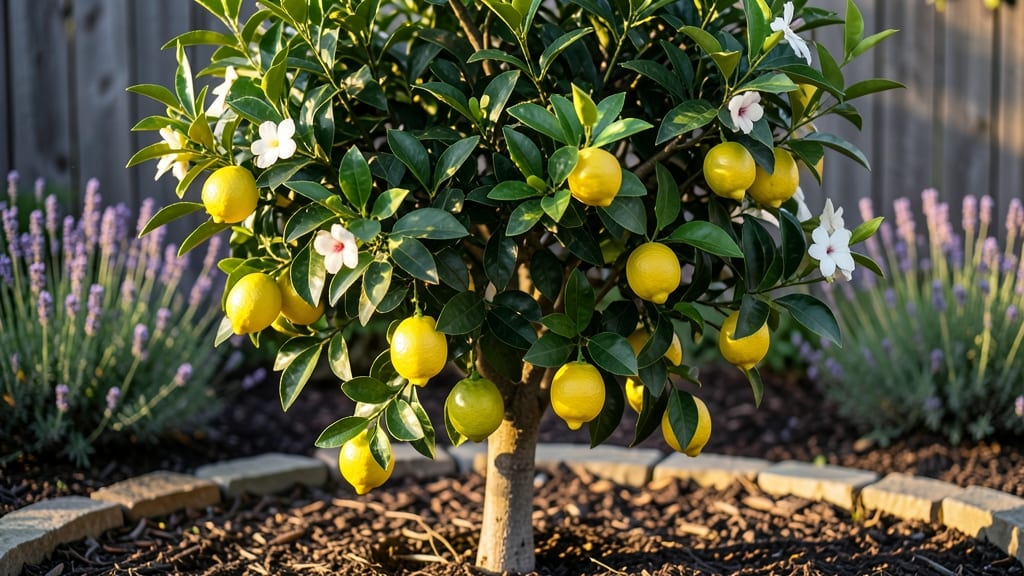
Growing a lemon tree in New Jersey isn’t just possible—it’s a rewarding challenge that pays off with fragrant blossoms and tangy fruit come summer. 🌿 I’ve watched my Meyer lemon tree thrive through NJ winters by mastering the right variety, soil prep, and winter protection techniques that locals swear by.
The key? Choosing cold-hardy varieties like ‘Meyer’ or ‘Improved Meyer,’ which can handle brief dips below 20°F with the right care.
You’ll need well-draining soil, a sunny spot (at least 6 hours of light), and a large container (15+ gallons) if planting in the ground isn’t an option.
NJ’s winters demand extra steps: wrapping the trunk with burlap, insulating the pot with bubble wrap, or even moving potted trees to a garage during freezes. The payoff? A tree that produces lemon-sized fruit by late summer and fragrant blooms that fill your yard with sweet citrus scent.
Pruning in early spring encourages bushier growth, while pest control focuses on scale insects and aphids—common NJ nuisances. Harvesting happens in September-October, when lemons turn golden and plump.
The best part? NJ’s local nurseries like Burt’s Nursery or Longwood Gardens carry cold-hardy citrus varieties, so you’re never stuck with a finicky plant.
Whether you’re growing in a sunroom, patio, or backyard, this guide covers NJ’s quirks—from sudden cold snaps to humid summers. You’ll end up with a tree that’s not just surviving, but thriving and producing fruit year after year. Let’s get those lemons growing!
📚 In This Guide
- What you need
- Instructions
- Tips and common mistakes
- Wrapping up and next steps
What you need
- ● Pruning shears: Bypass-style shears (sharp, clean cuts) – 1 pair (preferably with ergonomic handles for comfort).
- ● Loppers: For thicker branches (½”–1½” diameter) – 1 pair (with a bypass blade).
- ● Hand pruners: Anvil-style (for small twigs) – 1 pair (if shears aren’t available).
- ● Pruning saw: For branches >1½” diameter – 1 (with a fine-toothed blade).
- ● Disposable gloves: Nitrile or leather (to protect from thorns and sap) – 1 pair.
- ● Rubbing alcohol (70%+): For sterilizing tools between cuts – 1 small bottle.
- ○ Sealing wax or pruning paint: Optional, for large cuts >½” diameter – 1 small tub.
- ● Heavy-duty trash bags: For collecting pruned branches – 2–3 bags.
- ● Timing: Prune in late winter/early spring (Feb–March) for NJ’s cold climate, or after harvest in late fall.
- ● Weather check: Choose a dry, calm day (avoid frost or rain).
- ● Safety gear: Sunglasses and long sleeves (lemon trees can be thorny!).
- ● Water source: Hose or bucket (to clean tools and rinse cuts).
- ● ✨ Sterilize tools between cuts to prevent disease (especially if your tree has had issues).
- ● 🌡️ Store tools indoors if temperatures drop below 20°F to prevent rust.
- ● 🎯 Mark cuts with chalk or tape if pruning a large tree—helps visualize the shape!
How to protect and grow a lemon tree in new Jersey’s climate
Cold winters and hot summers demand smart planning—but with the right moves, your citrus thrives year-round.
🪴 Step 1: Choose the Right Container and Soil Mix
New Jersey’s winters are too harsh for in-ground citrus, so a 5-gallon or larger container with drainage holes is essential. I recommend unglazed terra cotta—it breathes and prevents root rot, which is critical in NJ’s humid summers. Fill the bottom third with coarse perlite or gravel to ensure excess water drains away from roots.
Use a well-draining potting mix—never garden soil. I blend 50% premium citrus mix with 30% perlite and 20% compost for aeration and nutrients. The mix should feel light when squeezed but hold its shape. Avoid cheap mixes with high peat content; they compact and suffocate roots in NJ’s heat.
☀️ Step 2: Position for Sunlight and Temperature Control
Lemon trees need full sun (6+ hours daily), but NJ summers can scorch tender leaves. Place your tree in a south-facing window or under a shade cloth (30-50%) during peak afternoon sun (12–4 PM). If indoors, supplement with a grow light 12 inches above the plant for 14 hours daily—citrus needs consistent light to fruit.
Here’s the temperature tightrope: 60–85°F is ideal. In winter, keep your tree indoors near a heat source (but not a draft)—a sunny kitchen or garage with a space heater works. If leaves yellow or drop, it’s usually cold stress or overwatering. Move the tree away from vents or AC units, which create dry, fluctuating conditions.
💧 Step 3: Water and Fertilize for NJ’s Seasonal Shifts
Water when the top 2 inches of soil feel dry—overwatering kills more lemon trees than cold snaps. In summer, water every 3–4 days; in winter, every 7–10 days. Use room-temperature water to avoid shocking roots. I water deeply until it drains from the bottom, then empty the saucer after 10 minutes to prevent soggy soil.
Feed your tree monthly in spring/summer with a balanced citrus fertilizer (10-10-10 or 8-3-9). In fall and winter, switch to a low-nitrogen fertilizer (5-10-10) to encourage dormancy. Flush the soil with water every 3 months to prevent salt buildup—a common issue in NJ’s hard water.
⏰ Step 4: Winterize for NJ’s Freezes (The Critical Step)
When temperatures drop below 40°F at night, move your lemon tree indoors. Wrap the pot in bubble wrap and place it on a damp towel to maintain humidity. If you’re short on space, reduce watering by half—dormant trees need less moisture. Prune dead or yellowing leaves in early spring to encourage new growth.
Here’s the thing—don’t rush it. If you move the tree back outside too early (before last frost date), cold snaps will damage leaves. Wait until consistent 60°F nights in late May. Acclimate it slowly by placing it outside for 1–2 hours daily, increasing time over 2 weeks to avoid shock.
Tips & tricks for perfect lemon tree care in new Jersey
New Jersey’s climate throws curveballs—here’s how to keep your lemon tree thriving despite them.
Container and Drainage: Unglazed terra cotta isn’t just for looks—it wicks moisture away from roots, preventing the root rot that NJ’s humid summers love to encourage. If you can’t find terra cotta, use a heavy plastic pot with multiple drainage holes. The coarse perlite or gravel layer at the bottom should be at least 2 inches thick—this isn’t optional. I’ve seen trees drown in just 10 minutes when this step is skipped.
Lighting Strategy: That 14-hour daily light requirement is non-negotiable for fruiting, but NJ winters make this tricky. If your windows don’t cut it, invest in a full-spectrum LED grow light—they’re energy-efficient and mimic sunlight perfectly. Position it 12 inches above the tree and set a timer to automate the 14 hours so you don’t forget. I’ve had trees stop flowering because they missed just 2 hours of light per day.
Seasonal Watering: The 3-4 day summer and 7-10 day winter watering schedule works, but NJ’s hard water complicates things. Always use filtered or distilled water if possible—tap water leaves mineral deposits that clog soil pores over time. After watering, let the saucer drain completely after 10 minutes; soggy soil is the #1 killer in NJ’s damp climate.
Winter Transition: Moving your tree indoors when temps drop below 40°F isn’t just about avoiding frost—it’s about preventing shock. The 2-week acclimation period before returning it outside in late May is critical. Start with just 1-2 hours of outdoor time, even if it’s warm. I’ve seen trees go into shock from sudden temperature swings, and recovery takes months.
Pro Tips for Lemon Tree Nj
- New Jersey’s climate throws curveballs—here’s how to keep your lemon tree thriving despite them.
- Container and Drainage: Unglazed terra cotta isn’t just for looks—it wicks moisture away from roots, preventing the root rot that NJ’s humid summers love to encourage.
- Lighting Strategy: That 14-hour daily light requirement is non-negotiable for fruiting, but NJ winters make this tricky.
Frequently asked questions
Got questions about growing a lemon tree in NJ? You’re not alone—cold winters and pruning challenges can make citrus care tricky! Here are answers to the most common concerns to keep your tree thriving year-round.
Can lemon trees survive NJ winters?
Most standard lemon trees (Citrus × limon) are not cold-hardy for NJ’s winters (Zone 6-7), but you can grow them successfully with protection. Use a large container for mobility, wrap the trunk in burlap or frost cloth, and move the tree indoors (garage, basement, or sunny room) when temps drop below 25°F. Dwarf varieties like 'Meyer' or 'Improved Meyer' are slightly more resilient but still need winter care.
When should I prune my lemon tree in NJ?
Prune your lemon tree twice a year for best results:
- Late winter/early spring (Feb–March): Remove dead, diseased, or crossing branches to encourage new growth before the growing season starts.
- Summer (June–July): Lightly trim to shape the tree and improve airflow, but avoid heavy pruning—this can stress the tree before winter.
Why isn’t my lemon tree producing fruit in NJ?
Lemon trees need specific conditions to fruit, and NJ’s climate can throw a wrench in the plan. Common culprits:
- Insufficient sunlight (6+ hours of direct light daily—south-facing windows or grow lights help indoors).
- Lack of pollination (hand-pollinate with a small brush if indoors or in a greenhouse).
- Over- or under-watering (keep soil consistently moist but not soggy).
- Young age (trees 3–5 years old may not fruit yet—be patient!).
What’s the best container size for a potted lemon tree in NJ?
Start with a 5-gallon pot for young trees and upgrade to 15–20 gallons as the tree matures. Larger containers:
- Provide better stability and root growth.
- Help regulate soil temperature in winter.
- Allow for easier mobility when protecting from frost.
Are there cold-hardy lemon tree alternatives for NJ?
If you want a citrus experience without the winter hassle, consider these hardier alternatives:
- Calamondin orange (Citrus × microcarpa): Tolerates 20°F with protection and fruits year-round.
- Kumquat (Fortunella spp.): Thrives in Zone 7–10 and can handle brief cold snaps.
- Trifoliate orange (Poncirus trifoliata): Cold-hardy to 10°F and great for rootstock.
Wrapping up and next steps
Growing a thriving lemon tree in NJ is absolutely doable—even in chilly winters! With the right pruning techniques, seasonal adjustments, and a little patience, you can enjoy fresh, homegrown lemons year-round. Remember, healthy plants start with confident care, so don’t hesitate to experiment and learn as you go.
Ready to take the next step? Start small—whether it’s repotting, pruning, or protecting your tree from frost—then watch your citrus journey bloom! 🌱🍋