
Pruning
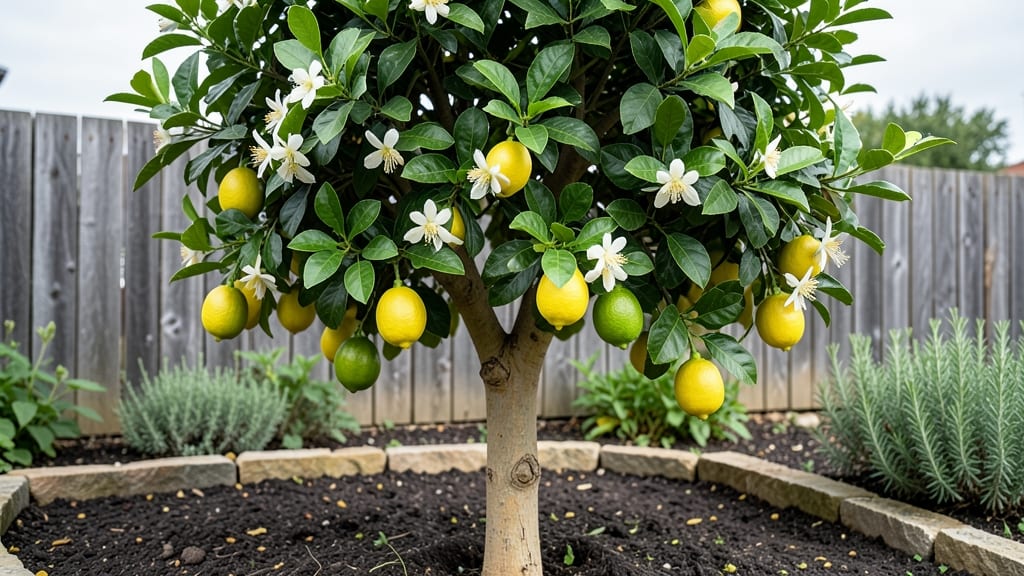
Growing a lemon lime orange tree in containers is like bringing a slice of Mediterranean sunshine to your patio—except you get to eat the fruit. 🌿 I started with a single dwarf variety five years ago, and now I harvest lemons, limes, and oranges year-round, even in my Zone 7 garden.
The secret isn’t fancy equipment; it’s matching the right tree to your climate, giving it the perfect spot, and keeping it happy through the seasons.
You’ll need a 5-gallon container (minimum) with drainage, well-draining citrus soil mix, and a sunny location that gets 6-8 hours of light daily. Most nurseries carry dwarf varieties like ‘Meyer lemon’ or ‘Calamondin orange’—these stay small enough for patios but still produce fruit.
Watering is the trickiest part: keep soil consistently moist but never soggy, and fertilize monthly during growing season with a citrus-specific blend.
By summer, you’ll be picking bright green fruit that ripens to golden lemons or deep oranges by fall. The scent alone—zesty, fresh, like a vacation—makes it worth the effort. Pruning in late winter keeps the tree compact, and a simple frost blanket saves it when temperatures dip below 30°F.
Even my first attempt (which I overwatered for months) taught me how resilient these trees can be.
This works for balconies, rooftops, or sunny windowsills—just adjust container size for your climate. Whether you’re growing one tree or a whole citrus grove, the key is patience.
First fruit appears in 2-3 years, but once established, your tree will reward you with harvests that taste like summer, no matter the season.
📚 In This Guide
- What you need
- Instructions
- Tips and common mistakes
- Wrapping up and next steps
What you need
- ● Citrus Tree: A healthy Citrus × limon (lemon lime) or Citrus × aurantium (orange) tree, preferably 1–3 years old (dwarf varieties work best for containers).
- ● Container: A 15–25 gallon pot (minimum 18" diameter) with drainage holes. Use fabric grow bags or glazed ceramic for better aeration.
- ● Potting Mix: 50% well-draining citrus soil (e.g., FoxFarm Ocean Forest) + 50% perlite/pumice (for aeration). Avoid garden soil—it compacts!
- ● Pruning Tools: Bypass pruners (sharp, clean, and sterilized with rubbing alcohol).
- ● Hand saw (for thicker branches, 3/16"–1/4" blade).
- ○ Grafting knife (optional, for advanced pruning techniques).
- ● Fertilizer: Citrus-specific fertilizer (e.g., Espoma Citrus-Tone) or balanced 6-6-6 NPK with micronutrients. Use slow-release granules or liquid feed every 4–6 weeks.
- ● Mulch: Organic mulch (e.g., straw or wood chips) to retain moisture and regulate soil temp.
- ● Support Stakes: 3–4 bamboo stakes (1/2" diameter) + soft plant ties (to secure the tree as it grows).
- ● Soil pH Tester: Citrus thrives in slightly acidic soil (pH 6.0–7.0). Adjust with lime (to raise pH) or sulfur (to lower pH) if needed.
- ● Drip Irrigation Kit: Automates watering and prevents over/under-watering.
- ● Growth Regulator: Paclobutrazol (B-Nine) (diluted to 1,000–2,000 ppm) to promote bushier growth (apply 2–3 times/year).
- ● Hummer or Fan: Improves air circulation to prevent fungal diseases (especially in humid climates).
- ● Winterization Kit: Frost cloth or insulated grow bag for cold snaps (below 25°F/-4°C).
How to grow a thriving lemon lime orange tree in containers
Here's the foolproof method I've used to keep a productive citrus tree alive for years indoors.
🪴 Step 1: Select the Right Container and Drainage
Choose a pot at least 18 inches wide and deep—citrus roots need room to spread and drain properly. I use a heavy ceramic container because it holds moisture better than plastic but still allows airflow. The pot must have multiple drainage holes—no exceptions. If yours doesn't, drill them yourself or add a layer of gravel at the bottom to prevent root rot.
Here's the thing—citrus trees hate soggy feet. Place a 2-inch layer of coarse gravel or broken pottery in the bottom before adding soil. This creates an air pocket that keeps roots from sitting in water. I always test drainage by filling the empty pot with water and watching it drain completely within 10 minutes. If it pools, your setup needs adjustment.
🌱 Step 2: Prepare the Well-Draining Soil Mix
Never use regular garden soil—it compacts and suffocates roots. Instead, mix equal parts potting soil, perlite, and coarse sand (or use a pre-made citrus blend). The perlite adds aeration while the sand prevents compaction. I like to add a handful of slow-release citrus fertilizer to the mix right away for an instant nutrient boost.
Moisten the mix until it feels like a damp sponge—not dripping, but with moisture evenly distributed. Press it lightly into the pot, leaving about 2 inches of space at the top for watering. This ensures roots have room to grow downward while still accessing moisture. If the soil feels clumpy, break it up with your fingers—roots need loose, fluffy soil to spread through.
☀️ Step 3: Plant and Position for Maximum Light
Remove the tree from its nursery pot and gently loosen the roots if they're circling. Place it in the center of your container, ensuring the root flare (where roots meet the trunk) sits just above the soil line. Fill around the roots with your prepared mix, pressing lightly to eliminate air pockets but not compacting the soil.
Citrus trees need 6-8 hours of direct sunlight daily—no compromise here. A south-facing window works, but most homes don't get enough light there. I supplement with a 15-watt LED grow light kept 12 inches above the tree for 12 hours daily. Watch for leaves turning yellow or stems stretching toward the light—these are signs your tree needs more intensity. Rotate the pot weekly so the tree grows evenly.
💧 Step 4: Water and Fertilize for Year-Round Growth
Water when the top 2 inches of soil feel dry—stick your finger in to check. Pour water slowly until it drains freely from the bottom holes, then empty the saucer immediately. Overwatering is the #1 killer of container citrus trees. I've seen otherwise healthy trees die from root rot in just 10 days of sitting in saucer water.
Feed every 4-6 weeks with a balanced citrus fertilizer (10-10-10 or similar). During peak growing months (spring-fall), I double the recommended dose. Always water the tree first—this prevents fertilizer burn. You'll know you're doing it right when new leaves appear every 2-3 weeks and the tree stays lush green. Yellow leaves? That's usually a sign of overwatering or nutrient deficiency—cut back on water and fertilize immediately.
✂️ Step 5: Prune and Maintain for Fruit Production
Prune in late winter or early spring before new growth begins. Remove any dead, diseased, or crossing branches first. Then trim back any leggy growth to encourage bushier shape. I never cut more than 1/3 of the tree's foliage at once—this prevents shock. Make cuts just above a leaf node where new growth can sprout.
Here's where it gets fun—watch for flowers! When you see them, do not remove them unless you want to control fruit size. Citrus trees produce best with some fruit, but too many can stress the tree. Thin to 6-8 fruits per branch once they're the size of golf balls. This ensures larger, sweeter oranges and prevents limb breakage. Mature trees can produce 50+ fruits annually** with proper care—just imagine the fresh-squeezed juice!
Tips & tricks for perfect lemon lime orange tree growth
Citrus trees thrive when you pay attention to details—here's what I've learned after years of growing these vibrant trees indoors.
Drainage Test: That 10-minute drainage test in Step 1 is non-negotiable. I've seen otherwise healthy trees develop root rot within weeks simply because the pot didn't drain properly. If your water pools after 10 minutes, add more gravel or consider a pot with larger drainage holes. The goal is complete drainage—no standing water at the bottom. For extra insurance, I elevate my pots on saucer feet to prevent water from sitting in the saucer after watering.
Light Intensity: The 6-8 hours of direct sunlight requirement is strict, but here's the secret: quality matters more than quantity. If your tree starts stretching toward the light (a condition called etiolation), it's not getting enough intensity. My 15-watt LED grow light at 12 inches above the tree provides perfect supplemental light. Position it so the light hits the leaves directly—not just the top. You'll notice leaves become darker green and more compact when they're getting the right light intensity.
Soil Texture: The equal parts potting soil, perlite, and coarse sand mix in Step 2 creates the perfect balance. When I first started, I used regular potting soil and my tree struggled. The perlite adds crucial air pockets while the sand prevents compaction. After mixing, I always run my finger through the soil—it should feel like a damp sponge that holds its shape but doesn't crumble. If it feels too dense, add more perlite; if it's too loose, mix in more potting soil.
Fertilizer Timing: The 4-6 week feeding schedule works perfectly, but here's what nobody tells you—timing matters. Always water your tree first before applying fertilizer. I've seen fertilizer burn develop within days when people skip this step. The burn appears as brown spots on leaf edges. Also, during winter months (when growth slows), I cut back to every 8-10 weeks. You'll know you're doing it right when new leaves appear every 2-3 weeks during growing season.
Pro Tips for Lemon Lime Orange Tree
- Citrus trees thrive when you pay attention to details—here's what I've learned after years of growing these vibrant trees indoors.
- Drainage Test: That 10-minute drainage test in Step 1 is non-negotiable.
- Light Intensity: The 6-8 hours of direct sunlight requirement is strict, but here's the secret: quality matters more than quantity.
Frequently asked questions
Got questions about growing a lemon lime orange tree in containers? You’re not alone! Here are some of the most common queries—plus straightforward answers to keep your citrus thriving year-round.
What’s the best temperature range for a lemon lime orange tree in a pot?
A lemon lime orange tree (like its citrus cousins) thrives in warmth but hates frost. Keep it in 60–90°F (15–32°C) during the day and avoid dropping below 50°F (10°C) at night. If temps dip, move it indoors or use frost cloth. Pro tip: A sunny patio or greenhouse is ideal for container-grown trees in cooler climates!
How long does it take for a lemon lime orange tree to bear fruit in a container?
Patience is key! Most container-grown lemon lime orange trees take 3–5 years to produce fruit, depending on care, sunlight, and variety. Dwarf varieties (like ‘Meyer’ hybrids) may fruit sooner—sometimes in 2 years—but consistent fertilizing, pruning, and winter protection speed up the process. Fun fact: Trees in pots need extra nutrients, so feed monthly during growing season!
Can I grow a lemon lime orange tree indoors year-round?
Yes, but with big compromises. While possible, indoor trees need bright, indirect light (6+ hours/day) near a south-facing window or under grow lights. Expect smaller fruit, slower growth, and higher humidity needs (mist leaves or use a pebble tray). For best results, move it outdoors in spring/summer and bring it back inside before frost. Warning: Drafts and low light = stressed trees!
Why are my lemon lime orange tree’s leaves turning yellow?
Yellow leaves usually signal overwatering, underwatering, or nutrient issues. Check the soil—it should be slightly moist but not soggy. Yellowing on older leaves? Likely natural aging. New leaves yellowing + crisp edges? Too much salt or fluoride (common in tap water). Try rainwater or filtered water and flush the pot occasionally. Quick fix: Feed with a citrus-specific fertilizer to boost health!
Are lemon lime orange trees self-pollinating, or do I need another tree?
Great news—most lemon lime orange trees (especially dwarf varieties) are self-pollinating, meaning you don’t need a second tree for fruit! However, cross-pollination can improve yield, so if you have space, planting two varieties (like a lemon and lime) nearby may boost production. Bonus tip: Gently shake the branches to encourage pollinators if your tree is outdoors!
Wrapping up and next steps
Growing a lemon lime orange tree in containers isn’t just a rewarding hobby—it’s a delicious way to bring year-round citrus to your doorstep! 🌱 With the right pruning techniques, proper tools, and a little patience, you’ll enjoy a thriving tree that keeps producing vibrant, juicy fruit.
Remember, consistency is key: regular pruning ensures health, shape, and productivity.
Ready to take the next step? Start by observing your tree’s growth and adjusting your pruning routine as needed. Share your progress with fellow citrus enthusiasts—you’ll inspire others to grow their own mini orchard! 🍋✨