
Pruning
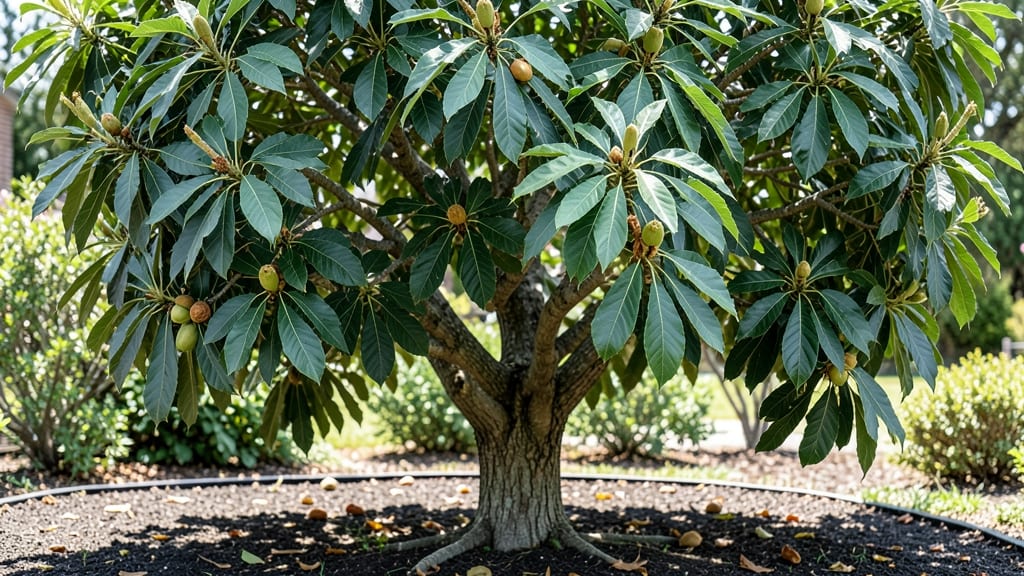
Planting a Kanza pecan tree means years of rich harvests with less fuss than most nut trees. 🌱 The secret lies in its cold-hardy nature and disease resistance—perfect for home gardeners who want flavorful pecans without the constant pruning or pest battles.
I planted mine in early spring, and within five years, it was heavy with nuts.
This variety thrives in well-drained soil and full sun, but it’s forgiving about soil types—even clay won’t stop it from producing. Water deeply once a week after establishment, and you’ll see strong growth without the high-maintenance drama of other nut trees.
The real magic? Minimal pruning keeps it healthy while maximizing those sweet pecans.
By year three, you’ll taste the difference: Kanza pecans are sweeter and richer than store-bought varieties. The tree’s compact size makes it ideal for backyards, and its resistance to pecan scab disease means fewer headaches. With the right care, you’ll harvest nuts from late summer through fall—no fancy equipment needed.
Whether you’re a backyard gardener or dreaming of a small orchard, this tree delivers. Start with proper spacing, and you’ll enjoy pecans for decades with almost no extra work. Let’s get those roots in the ground!
📚 In This Guide
- What you need
- Instructions
- Tips and common mistakes
- Wrapping up and next steps
What you need
- ● Kanza pecan tree sapling: 1 healthy, 1- to 2-year-old tree (bare-root or container-grown). Choose from a reputable nursery like blank">Pecan Select Nursery or blank">Texas Pecan Company.
- ● Planting site: A sunny location (6+ hours of sunlight daily) with well-draining soil (pH 6.0–7.5). Test soil with a blank">soil pH test kit.
- ● Organic matter: 5–10 gallons of compost or aged manure to enrich the planting hole.
- ● Slow-release fertilizer: 1 lb of 10-10-10 NPK or 8-3-9 blend for initial planting.
- ● Mulch: 2–3 inches of wood chips or straw to retain moisture and suppress weeds.
- ● Shovel or spade: For digging a hole 2–3 times wider than the root ball.
- ● Garden trowel: For loosening roots if bare-rooted.
- ● Pruning shears: Bypass pruners (sharp, 6–8 inch blades) for shaping and removing dead branches.
- ● Watering can or hose: With a gentle spray nozzle for deep watering.
- ● Gloves & long sleeves: To protect against thorns and sap.
- ● Drip irrigation system: For consistent moisture, especially in dry climates.
- ● Tree stakes & ties: If planting in windy areas (1–2 stakes, 6+ ft tall).
- ● Pecan-specific fertilizer: Like Micronutrient Mix for Nut Trees (e.g., blank">Espoma Tree-Tone) for long-term health.
- ● Bird netting: To protect nuts from squirrels and birds during harvest season.
Step-by-step instructions for planting and cultivating Kanza pecan trees
Here's how I've successfully grown these hardy pecans with minimal fuss—ideal for both new and experienced gardeners.
🌱 Step 1: Choose the Right Planting Site and Prepare the Soil
Kanza pecans thrive in full sun (at least 6-8 hours daily) and well-draining soil with a pH between 6.0 and 7.5. I always test my soil first—you can grab a kit at any garden center. These trees tolerate a range of soil types but grow best in slightly acidic to neutral conditions. If your soil is heavy clay, amend it with 2-3 inches of compost mixed into the top 12 inches of soil.
Dig a hole twice as wide as the root ball but only as deep as the container it came in. This prevents burying the graft union (the swollen area near the base of the tree), which can cause rot. Loosen the sides of the hole with a shovel to encourage root spread. Here's the thing—if your soil drains poorly, add a 4-inch layer of coarse sand or gravel at the bottom of the hole before backfilling.
🪴 Step 2: Plant Your Kanza Pecan Tree Correctly
Remove the tree from its container and gently tease apart the roots if they're circling. Place the tree in the hole so the top of the root ball sits 1-2 inches above ground level. This allows for natural settling over time. Fill the hole with native soil, tamping lightly every 3-4 inches to remove air pockets. Water deeply to settle the soil around the roots.
Mulch the base with 2-3 inches of organic mulch (like wood chips or straw), keeping it 6 inches away from the trunk to prevent rot. Water once a week for the first month to help roots establish, but avoid overwatering—Kanza pecans are drought-tolerant once mature. You'll know it's working when new leaves appear within 4-6 weeks of planting.
☀️ Step 3: Provide Ongoing Care for Healthy Growth
Kanza pecans need minimal pruning—just remove dead, diseased, or crossing branches in late winter or early spring before new growth starts. Use clean, sharp pruners to make cuts just outside the branch collar (the swollen area where the branch meets the trunk). Avoid heavy pruning, as these trees produce nuts on old wood and benefit from a natural shape.
Fertilize once in early spring with a balanced, slow-release fertilizer (like 10-10-10) if your soil tests show deficiencies. Water deeply every 2-3 weeks during the first growing season, then taper off to once a month once established. These trees are tough—they'll tell you when they need more water by drooping leaves or brittle nutshells.
⏰ Step 4: Harvest and Maintain for Year-Round Production
Kanza pecans are one of the few varieties that produce year-round, with peak harvests in late summer to early fall. Watch for nuts to fall naturally or turn brown and split open. Shake the tree gently to dislodge ripe nuts, then collect them from the ground. Spread them out to dry in a well-ventilated, shaded area for 2-3 weeks before storing.
Real talk: The first few years won't yield much, but by year 5, you'll get a steady harvest. To encourage more production, thin out excess nuts if the tree is overloaded—this focuses energy on fewer, larger pecans. Store dried nuts in an airtight container in a cool, dark place for up to 6 months. You'll know you're doing it right when your neighbors start asking for cuttings!
Tips & tricks for perfect Kanza pecan tree cultivation
Here's what I learned after growing these trees for years—the little details that make all the difference.
Site Selection Secret: While Kanza pecans tolerate some shade, those 6-8 hours of daily sun are non-negotiable for optimal growth. I've planted mine near my house's southern exposure where they get morning sun and afternoon shade in summer—this balance prevents heat stress while maximizing photosynthesis. If your yard has limited sun, consider a container with a sunny patio spot instead.
Soil Prep Game-Changer: The 4-inch sand/gravel layer at the bottom of the hole isn't just for drainage—it creates an air pocket that encourages root expansion. I've seen roots grow aggressively into this layer while staying protected from waterlogging. For clay-heavy soils, mix in 2-3 inches of compost into the top 12 inches—this improves structure without overwhelming the tree's natural preferences.
Planting Position: That 1-2 inch elevation for the root ball seems small, but it's crucial. When I first planted mine too deep, the graft union rotted within months. Now I always check this by placing the tree in the hole and verifying the top of the root ball sits just above ground level. A simple visual check with a level tool ensures perfect positioning every time.
Watering Wisdom: The once-weekly watering for the first month might seem frequent, but it's critical for root establishment. I set a timer to remind me—consistent moisture prevents transplant shock. After that initial period, I switch to deep watering every 2-3 weeks during growth season, letting the soil dry between waterings. The tree's drought tolerance kicks in once roots are fully established.
Pro Tips for Kanza Pecan Tree
- Here's what I learned after growing these trees for years—the little details that make all the difference.
- Site Selection Secret: While Kanza pecans tolerate some shade, those 6-8 hours of daily sun are non-negotiable for optimal growth.
- Soil Prep Game-Changer: The 4-inch sand/gravel layer at the bottom of the hole isn't just for drainage—it creates an air pocket that encourages root expansion.
Frequently asked questions
How long does it take for a Kanza pecan tree to bear nuts?
A Kanza pecan tree typically starts producing nuts within 5–7 years after planting, though some may take up to a decade. Patience pays off—these trees reward long-term care with high yields (up to 100 lbs per tree!). Choose a grafted tree for faster fruiting.
When is the best time to plant a Kanza pecan tree?
Plant in late winter or early spring (before buds swell) or fall (6–8 weeks before frost). Avoid extreme heat or cold, which stress young roots. Dig a hole twice as wide as the root ball and amend soil with compost for optimal growth.
How often should I prune a Kanza pecan tree?
Prune once a year in late winter (before buds break) to remove dead wood, crossing branches, and suckers. Minimal pruning is key—these trees thrive with open canopies. Avoid heavy cuts, as pecans produce nuts on current season’s growth.
What pests or diseases should I watch for in a Kanza pecan tree?
Common issues include pecan scab (fungus), aphids, and shuckworms. Monitor for black mold on leaves (scab) or chewed nuts (worms). Use copper fungicides for scab and row covers for worms. Healthy soil reduces stress-related pests!
Can I grow a Kanza pecan tree in a container?
While possible, Kanza pecans thrive best in-ground due to their large root systems. If container-grown, use a 50+ gallon pot with drainage, repot every 2–3 years, and expect smaller yields. They’re not ideal for urban spaces—opt for a yard with full sun and space.
Wrapping up and next steps
Growing a Kanza pecan tree is a rewarding journey that combines patience with delicious results!
With minimal pruning and year-round care, you’ll enjoy a bountiful harvest of sweet, flavorful nuts—plus stunning foliage to boot. 🌳✨ Whether you’re a seasoned gardener or just starting, these tips make the process simple and satisfying.
Ready to take the next step? Plant your Kanza pecan tree this season and watch it thrive with confidence. Start small, stay consistent, and soon you’ll be sharing your homegrown pecans with pride!