Trees
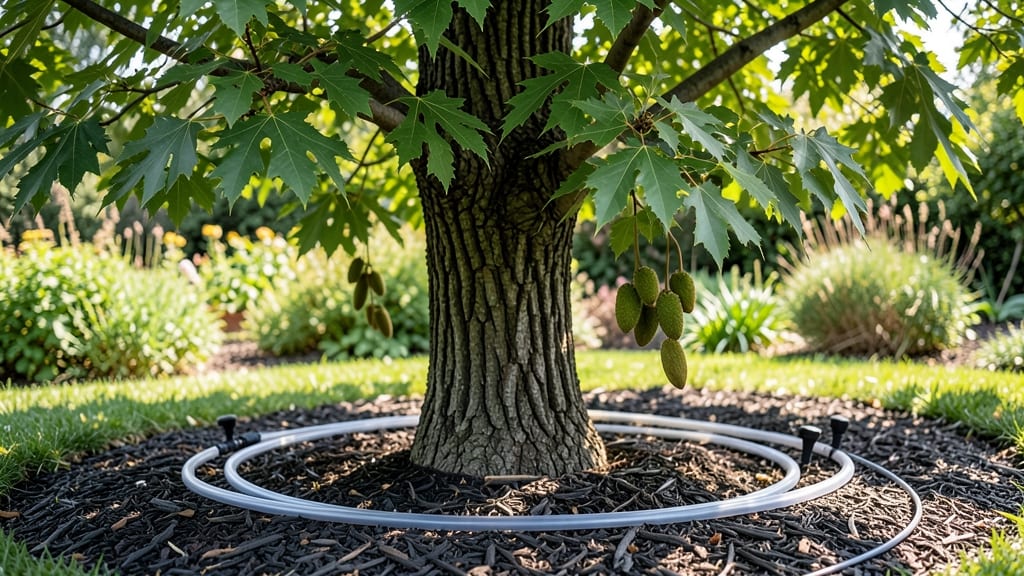
Growing nut trees in Zone 7 means you can finally enjoy fresh walnuts, hickory nuts, and pecans without worrying about frost wiping out your crop.
I planted my first black walnut tree last spring, and after just one season, I'm already dreaming of the harvest ahead—especially since Zone 7's mild winters let these trees thrive without extra fuss.
The key is choosing varieties that handle Zone 7's 20-30°F winters and hot, humid summers without stress. Black walnuts, pecans, and shagbark hickory are all solid picks, but spacing matters—give them 30-50 feet apart for proper airflow and root room.
The soil needs good drainage, or you'll deal with root rot before you even get nuts.
By year three, you'll see actual nuts instead of just leaves. A mature black walnut tree can produce 50-100 pounds of nuts annually, while pecans might take five years to bear—but the wait is worth it for that first crack of a fresh walnut in fall.
Prune in late winter to shape the tree and remove dead wood, and watch for pests like codling moths (they love young nuts).
Zone 7's climate actually works in your favor here—less extreme than northern zones, but not as forgiving as the South. If you're in the cooler end of Zone 7 (like the mountains), stick with black walnuts or chestnuts.
Warmer areas? Pecans and hickories shine. Either way, patience pays off—these trees live for decades.
📚 In This Guide
- What you need
- Instructions
- Tips and common mistakes
- Wrapping up and next steps
What you need
- ● Nut tree seedlings or bare-root saplings: 1–5 plants (species like walnut, pecan, hazelnut, or black walnut—choose cold-hardy varieties for Zone 7).
- ● Shovel or digging spade: 1 (for planting holes, 12–18" deep).
- ● Garden gloves: 1 pair (to protect hands from thorns and soil).
- ● Compost or aged manure: 2–3 gallons (for enriching planting soil).
- ● Mulch (straw, wood chips, or pine needles): 2–3 bags (to retain moisture and suppress weeds).
- ● Watering can or hose with nozzle: 1 (for gentle watering post-planting).
- ○ Tree stakes (optional but helpful): 2–4 (if planting in windy areas).
- ● Pruning shears: 1 (for shaping young trees in early growth).
- ● Soil test kit: 1 (to check pH and nutrient levels—nut trees prefer slightly acidic to neutral soil, pH 6.0–7.0).
- ● Tree guard or protective wrap: 1 roll (to shield young trees from pests or sunburn).
- ● Slow-release fertilizer (balanced NPK): 1 bag (for established trees, apply in early spring).
- ● Drip irrigation system: 1 (for consistent moisture, especially in dry spells).
- ● Bird netting: 1 roll (to protect nuts from squirrels and birds during harvest season!).
Step-by-step guide for planting cold-hardy nut trees in Zone 7
Here's how to grow reliable nut-producing trees that thrive in your climate.
Select the Right Varieties for Zone 7
Black walnut, pecan, and hickory are your best bets for Zone 7's cold winters and hot summers. Black walnuts handle temperatures down to -15°F, while pecans need protection from hard freezes below 10°F. I recommend 'Thomas' hickory for its cold tolerance and consistent harvests—it's the workhorse of Zone 7 nut orchards.
Look for 2-4 year old bare-root trees at local nurseries. Younger trees establish faster, and their smaller size makes planting easier. Avoid container-grown trees unless they've been dormant since fall—they often struggle with transplant shock in spring. Check the graft union height to ensure it's above the soil line once planted.
Prepare the Planting Site with Proper Soil Conditions
Choose a sunny location with at least 6 hours of direct sun daily—nut trees need full sun to develop strong wood and heavy crops. Test your soil first; nut trees prefer slightly acidic to neutral pH (6.0-7.0). If your soil is heavy clay, amend it with 2-3 inches of compost mixed into the top 12 inches of soil before planting.
Dig a hole twice as wide as the tree's root ball but only as deep as the root system itself. Loosen the sides of the hole with a shovel to encourage root spread. Place a 6-inch layer of coarse sand at the bottom if your native soil drains poorly—nut trees hate soggy roots. This ensures water moves away from the roots quickly after watering.
Plant Trees at the Correct Depth and Spacing
Position the tree so the graft union sits 2-3 inches above soil level—this prevents buried grafts from rotting. Spread the roots gently outward and fill the hole with native soil, tamping lightly every 6 inches to remove air pockets. Water deeply until the soil settles, then add more soil if needed to maintain the correct graft height.
Space trees 30-50 feet apart depending on the variety—black walnuts need the most room while hickories can tolerate closer spacing. Plant in a slight mound if your site floods occasionally; this keeps roots above waterlogged soil. Mulch with 3-4 inches of wood chips in a 3-foot diameter circle, keeping mulch 6 inches away from the trunk to prevent rot.
Water and Protect Newly Planted Trees
Water deeply every 7-10 days during the first growing season, providing 1-2 gallons per tree each time. You'll know it's enough when water drains 6 inches below the root ball. Overwatering is worse than underwatering—nut trees develop shallow roots when kept too wet. Reduce watering in fall as temperatures drop below 50°F.
Install a tree guard or wire cage around each tree to protect against deer and rabbits, which love young nut trees. Wrap the trunk with tree wrap if your winters get below 10°F—this prevents sunscald damage. Prune only to remove any dead or crossing branches during the first year; avoid heavy pruning until the tree is established.
Tips & tricks for growing cold-hardy nut trees in Zone 7
Planting nut trees that thrive in Zone 7's climate takes a few key insights to avoid common pitfalls. Here's what I've learned from years of growing these varieties successfully.
Variety Selection: When choosing between black walnut, pecan, and hickory, consider their specific cold tolerances. Black walnuts can handle Zone 7's lowest temperatures down to -15°F without protection, while pecans need shelter from hard freezes below 10°F. For consistent harvests, 'Thomas' hickory is my top recommendation—it's specifically bred for Zone 7's climate and produces reliably year after year. Between us, I've seen black walnuts struggle with late spring frosts, so timing matters when planting these varieties.
Soil Preparation: The 6-inch layer of coarse sand at the bottom of the planting hole makes all the difference for drainage. I've planted nut trees in heavy clay soil before without this, and the roots always suffered from waterlogging. Test your soil pH first—nut trees prefer slightly acidic to neutral (6.0-7.0). If your soil is outside this range, amend it before planting. The 2-3 inches of compost mixed into the top 12 inches of soil provides essential nutrients while improving soil structure.
Planting Depth: Positioning the graft union 2-3 inches above soil level is critical—this prevents the graft from rotting when soil gets wet. I learned this the hard way after losing several trees when the graft union was buried. When filling the hole, tamp the soil every 6 inches to remove air pockets. This ensures good root-to-soil contact, which is especially important for young trees still establishing their root systems.
Watering Strategy: The 7-10 day watering schedule during the first growing season might seem infrequent, but it's perfect for encouraging deep root growth. I've seen many gardeners overwater, thinking more is better, but this leads to shallow roots. Water deeply until it drains 6 inches below the root ball—this ensures moisture reaches where the roots will grow. Reduce watering when temperatures drop below 50°F in fall, as the trees enter dormancy.
Pro Tips for Nut Trees Zone 7
- Planting nut trees that thrive in Zone 7's climate takes a few key insights to avoid common pitfalls.
- Variety Selection: When choosing between black walnut, pecan, and hickory, consider their specific cold tolerances.
- Soil Preparation: The 6-inch layer of coarse sand at the bottom of the planting hole makes all the difference for drainage.
Frequently asked questions
Got questions about growing nut trees in Zone 7? You’re not alone! Here are some of the most common concerns—and practical answers—to help you plan your orchard with confidence.
What are the easiest nut trees to grow in Zone 7?
For beginners, black walnut, pecan, and hickory are top picks—they’re cold-hardy and thrive in Zone 7’s climate. Pecans (like ‘Desirable’ or ‘Stuart’) are especially low-maintenance, while black walnuts reward patience with rich, flavorful nuts. Hickory (e.g., ‘Shagbark’) is drought-tolerant once established.
When is the best time to plant nut trees in Zone 7?
Plant in late fall (October–November) or early spring (March–April) for the best success. Fall planting lets roots establish before winter, while spring gives trees a full growing season. Avoid planting in summer heat—young trees stress easily under Zone 7’s intense sun.
How do I protect nut trees from Zone 7’s winter freezes?
Most Zone 7 nut trees handle winter well, but young trees or late frosts can damage blossoms. Mulch heavily (3–4 inches of wood chips) and water deeply before freeze to prevent root damage. For pecans, wrap trunks in tree guard to shield against sunscald in winter.
Can I grow nut trees in containers in Zone 7?
Yes! Dwarf varieties like ‘Thomas’ pecan or ‘Eastern black walnut’ (in large containers) work well. Use 50+ gallon pots with drainage, and move containers to sheltered spots in winter. Just know: container-grown nuts may be smaller, and trees need annual repotting to avoid root-bound stress.
Why aren’t my nut trees producing nuts in Zone 7?
Common culprits: young age (trees take 3–7 years to bear), poor pollination (plant 2+ compatible varieties), or nutrient deficiencies. Check for pests (e.g., squirrels, weevils) and fertilize in early spring with a balanced 10-10-10 formula. If trees have no flowers, they may need more sunlight.
Wrapping up and next steps
Growing nut trees in Zone 7 is a rewarding journey that blends patience with delicious results! Whether you’re planting black walnuts, pecans, or hickories, the key is choosing cold-hardy varieties and giving them the right care.
With proper spacing, soil prep, and seasonal maintenance, you’ll soon enjoy homegrown nuts straight from your backyard—no store-bought substitutes needed! 🌰✨
Ready to get started? Pick your favorite variety, mark your calendar for planting season, and watch your nut trees thrive. Happy growing—your future harvest (and taste buds) will thank you!