
Pruning
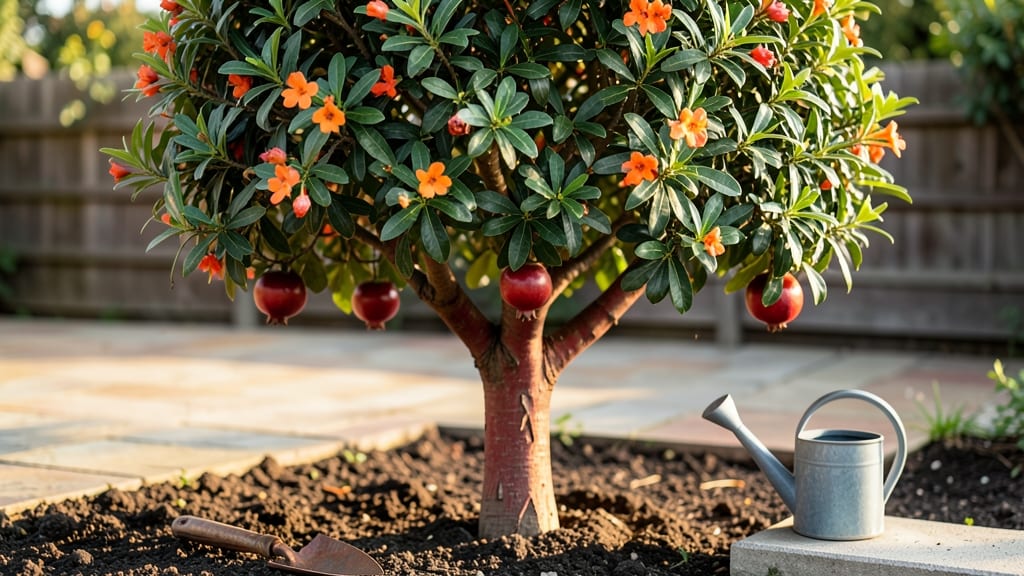
Taking care of a pomegranate tree means unlocking those jewel-like fruits you’ve always wanted in your kitchen. 🌿 I’ve grown mine for three seasons now, and the key isn’t just patience—it’s understanding when to hold back on water, how to shape those gnarled branches, and when to protect it from winter’s chill.
The first year is all about getting the basics right, and by year two, you’ll see those iconic red blooms turning into fruit.
Pomegranates thrive in full sun (think 6-8 hours daily) and well-draining soil that mimics their desert roots. Overwatering is their biggest enemy—let the top 2 inches dry out between drinks—and mulch heavily to keep roots cool.
Pruning in late winter removes dead wood and opens the canopy for better airflow, which cuts down on pests and diseases. I learned this the hard way when my first tree got fungal spots from too much shade.
By summer, you’ll be harvesting fruit that splits open to reveal seeds bursting with juice—sweet, tart, and impossible to resist. The tree’s deep roots mean it’s drought-tolerant once established, but young plants need consistent moisture.
With the right balance, you’ll go from struggling sapling to a productive tree that outshines store-bought pomegranates every time. Ready to dive into the details?
Whether you’re growing in a container (great for patios) or planting in the ground, the same rules apply—just adjust for space. Winter protection is key in colder zones, and I’ll share my trick for wrapping the trunk to keep it from cracking. Let’s get your pomegranate tree thriving!
📚 In This Guide
- What you need
- Instructions
- Tips and common mistakes
- Wrapping up and next steps
What you need
- ● Pomegranate Tree Sapling: Choose a healthy, disease-free Punica granatum variety (e.g., ‘Wonderful,’ ‘Eversweet,’ or ‘Sweetheart’). Ensure it’s well-rooted or a mature plant if transplanting.
- ● Well-Draining Soil: A mix of 60% native soil, 30% compost, and 10% perlite or coarse sand (pH 5.5–7.0). Pomegranates hate soggy roots!
- ● Sunlight: A full-sun location (6+ hours of direct sunlight daily). Partial shade is okay in scorching climates.
- ● Watering Can or Hose: With a gentle spray nozzle for deep watering (avoid overhead sprinkling to prevent fungal diseases).
- ● Pruning Tools: Sharp bypass pruners (for small branches, ¼"–½" cuts).
- ● Loppers (for thicker branches, ½"–1.5" cuts).
- ● Hand saw (for stubborn, woody stems >1.5" thick).
- ● Disinfectant: 70% isopropyl alcohol or a 10% bleach solution (1 part bleach to 9 parts water) to sterilize tools between cuts.
- ● Mulch: 2–4 inches of organic mulch (straw, wood chips, or pine bark) to retain moisture and regulate soil temperature.
- ● Fertilizer: Balanced fertilizer (10-10-10 or 8-8-8) at planting time.
- ● Citrus-specific fertilizer (high in nitrogen, phosphorus, and potassium) during growing season (spring/early summer).
- ○ Support Stakes (Optional for Young Trees): 2–3 3-foot wooden or metal stakes + soft garden ties to prevent top-heavy saplings from toppling.
- ● Soil Moisture Meter: To check root-zone moisture (pomegranates prefer slightly dry soil).
- ● Drip Irrigation System: For automated, consistent watering in hot/dry climates.
- ● Fungal Spray: Copper fungicide or neem oil (preventative measure against powdery mildew or anthracnose).
- ● Tree Guard: A plastic or metal tree collar to protect the trunk from rodents or lawnmower damage.
- ● Grafting Tools (For Advanced Gardeners): If you’re propagating new varieties, you’ll need a grafting knife and grafting tape.
Step-by-step guide for year-round pomegranate tree maintenance
Here's how to keep your pomegranate thriving through every season.
🌱 Step 1: Establish Proper Planting and Soil Conditions
Pomegranates need well-draining soil with a slightly acidic to neutral pH (6.0-7.0). If your soil is heavy clay, mix in 3-4 inches of compost or amended soil at planting time. They tolerate drought once established, but young trees need consistent moisture during their first year.
Plant in full sun—at least 6-8 hours of direct sunlight daily. Partial shade in hot climates prevents fruit from splitting. Dig a hole twice as wide as the root ball but only as deep. Place the tree so the graft union sits 2-3 inches above soil level—this prevents rot and encourages strong growth.
☀️ Step 2: Water and Fertilize for Optimal Growth
Water deeply once per week during the first year, soaking the root zone to 12-18 inches deep. After that, reduce to every 2-3 weeks unless your region experiences extreme heat or drought. Overwatering causes root rot—always check by sticking your finger 2 inches into the soil before watering again.
Fertilize in early spring with a balanced 10-10-10 fertilizer, applying ¼ pound per year of tree age. For example, a 5-year-old tree gets 1.25 pounds. Avoid high-nitrogen fertilizers—they promote leafy growth at the expense of fruit production. Mulch with 2-3 inches of organic mulch (like wood chips) to retain moisture and regulate soil temperature.
✂️ Step 3: Prune Strategically for Fruit Production
Prune in late winter or early spring before new growth begins. Remove dead, diseased, or crossing branches first, then thin out interior branches to improve airflow. Cut back overly vigorous shoots by ⅓ of their length to encourage bushier growth. Never prune more than 25% of the tree's canopy in one season.
Here's the thing—pomegranates fruit on current season's growth. Avoid heavy pruning that removes too many fruiting branches. Instead, focus on shaping the tree into an open vase form. This allows sunlight to reach all fruit and prevents fungal diseases that thrive in dense foliage.
🌿 Step 4: Protect and Maintain Through Seasons
In winter, protect young trees from cold snaps with burlap wraps or frost cloth. Mature trees handle 15-20°F temperatures, but young trees need extra care. Remove wraps in early spring to allow airflow and prevent disease buildup.
Watch for pests like aphids or scale insects. Spray with neem oil or insecticidal soap if you notice sticky residue on leaves or new growth. Pomegranates are generally low-maintenance, but consistent care ensures sweet, juicy fruit. Harvest when the rind turns from green to yellowish-brown and splits slightly at the top—usually late summer to fall.
Tips & tricks for perfect pomegranate tree care
Between us, these small adjustments make all the difference for a thriving pomegranate tree that rewards you with sweet harvests year after year.
Soil Test First: Before planting, test your soil's pH level—pomegranates thrive in the 6.0-7.0 range. If your soil is too alkaline, mix in 2-3 inches of sulfur to lower the pH gradually. I learned this the hard way after watching my first tree struggle in alkaline soil. The key is patience—amend the soil 3-4 months before planting to give it time to adjust.
Watering Wisdom: Those first-year weekly waterings are critical, but timing matters too. Water in the early morning to let foliage dry before evening. This prevents fungal diseases that love damp leaves. After the first year, let the soil dry completely between waterings—stick your finger 2 inches deep to check. If it's dry, it's time to water.
Fertilizer Timing: That early spring feeding with 10-10-10 fertilizer is your tree's wake-up call, but don't overdo it. Apply it when you see new growth starting, not right at planting. I've seen trees get burned by over-fertilizing—stick to the ¼ pound per year of age rule and watch for leaf yellowing as a warning sign.
Pruning Precision: When shaping your tree into that open vase form, focus on removing branches that cross or rub against each other. These create wounds where diseases can enter. And remember—you're not just pruning for shape, you're creating an airy canopy that lets sunlight reach all the fruit. That's why I always prune in late winter, just before buds swell but before new growth starts.
Pro Tips for Take Care Of Pomegranate Tree
- Between us, these small adjustments make all the difference for a thriving pomegranate tree that rewards you with sweet harvests year after year.
- Soil Test First: Before planting, test your soil's pH level—pomegranates thrive in the 6.0-7.0 range.
- Watering Wisdom: Those first-year weekly waterings are critical, but timing matters too.
Frequently asked questions
Got questions about your pomegranate tree?
You’re not alone! Here are some of the most common concerns—plus quick, actionable answers to keep your tree thriving and fruiting like a pro.
How cold can a pomegranate tree tolerate?
Most pomegranate varieties handle light freezes (down to 20°F/-7°C) but struggle in prolonged cold below 15°F/-9°C. If you’re in a chilly zone, plant in a sheltered spot, mulch heavily in winter, or choose cold-hardy types like 'Wonderful' or 'Eversweet'.
When is the best time to prune a pomegranate tree?
Prune late winter or early spring (just before buds swell) to shape the tree and remove dead wood. Avoid heavy pruning in fall—it can stimulate new growth that won’t harden off before winter. Light trimming to improve airflow is fine anytime, but never prune during fruit-setting season (summer).
Why aren’t my pomegranates turning red?
Lack of sunlight or nutrients often causes pale fruit. Ensure your tree gets 6+ hours of direct sun daily and amend soil with compost or a balanced fertilizer (like 10-10-10) in early spring. Yellow leaves? Boost iron or zinc—these deficiencies can also dull fruit color.
How do I get rid of pests like aphids or scale on my pomegranate tree?
Start with a strong spray of water to knock off soft-bodied pests (aphids). For scale, scrape them off with a stiff brush or use neem oil (mix 2 tbsp per gallon of water). Introduce ladybugs or lacewings for natural control. Repeat every 7–10 days until pests disappear.
Can I grow a pomegranate tree in a container?
Yes! Choose a large pot (at least 15–20 gallons) with drainage holes and use well-draining soil. Dwarf varieties like 'Dwarf Pomegranate' work best. Move the pot indoors (or to a garage) if temps drop below 25°F/-4°C. Fertilize every 4–6 weeks in growing season and water when the top 1–2 inches of soil dry out.
Wrapping up and next steps
Caring for a pomegranate tree is a rewarding journey that yields juicy, vibrant fruits and stunning foliage—with patience and the right techniques! Remember, consistent pruning, proper watering, and seasonal attention are the keys to a thriving tree.
Whether you’re a beginner or a seasoned gardener, every step you take brings you closer to that sweet harvest you’ve dreamed of.
Ready to watch your pomegranate tree flourish? Start small—pick one task from this guide, like pruning or soil prep, and take action this weekend! Your future self (and your taste buds) will thank you. 🌱✨