
Propagation
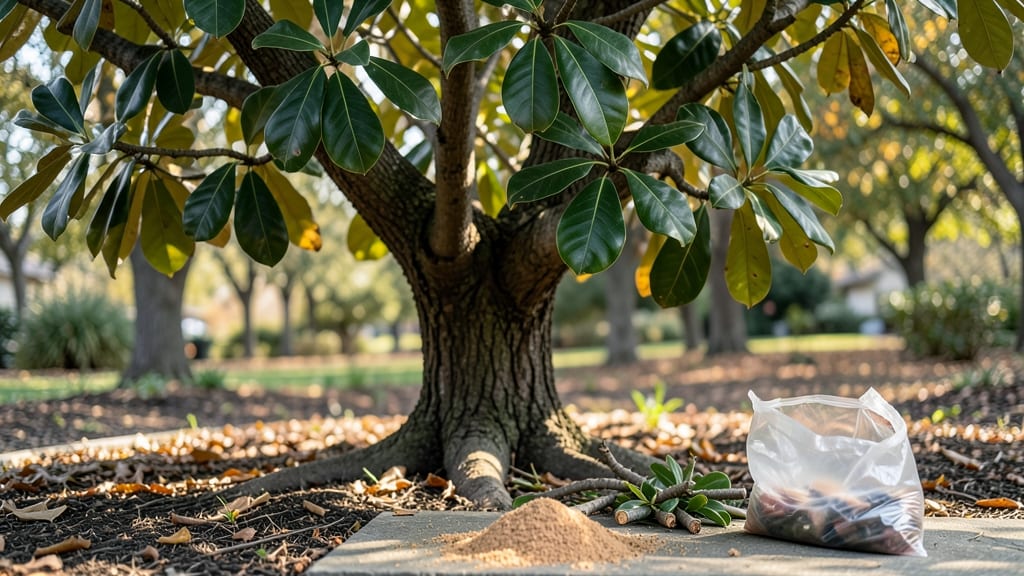
Propagating a magnolia tree from cuttings is like coaxing a stubborn friend to trust you—it takes patience, the right timing, and a little know-how. 🌱 The key is catching those semi-hardwood stems in late summer when the tree is still active but not yet dormant.
I’ve rooted magnolias this way three times, and the secret lies in the prep: clean cuts, hormone rooting gel, and a humid environment that mimics their natural forest floor conditions.
You’ll need sharp pruners, a well-draining rooting mix (think perlite and peat moss), and a clear plastic bag to create a greenhouse effect. The process isn’t quick—rooting can take anywhere from 4 to 8 weeks—but the payoff is worth it: a magnolia that carries your garden’s history forward.
Most gardeners give up too soon, but stick with it, and you’ll see those first tiny roots forming.
Once rooted, your new magnolia will need tender care: gradual acclimation to outdoor conditions and protection from harsh winds. Even if some cuttings fail (and they will), the ones that succeed will reward you with glossy leaves and fragrant blooms for decades.
Think of it as an investment in your garden’s future—one that grows slowly but surely.
For those who want faster results, grafting onto a compatible rootstock is an alternative, though it requires more skill. Either way, propagation is a test of your gardening instincts. Let’s get those cuttings rooted and growing!
📚 In This Guide
- What you need
- Instructions
- Tips and common mistakes
- Wrapping up and next steps
What you need
- ● Magnolia cuttings: 4–6 healthy, semi-hardwood cuttings (6–8 inches long, pencil-thick)
- ● Collected in late summer/early fall (ideal for magnolias!)
- ● Rooting hormone: 1 small bottle (e.g., Rootone or Clonex)
- ● Well-draining potting mix: 1 bag (1–2 cubic feet) of perlite/vermiculite mix (50/50 ratio) or a cactus/succulent blend
- ● Small pots or trays: 4–6 4-inch pots or 1 shallow tray with drainage holes
- ● Pruning shears: 1 pair sterilized, sharp shears (clean with rubbing alcohol)
- ● Plastic bags or clear domes: 4–6 ziplock bags or 1 humidity dome
- ● Spray bottle: 1 fine-mist spray bottle (for hydration)
- ● Warmth: 70–75°F (21–24°C) consistently (use a heat mat if needed!)
- ● Humidity: 70–80% (mist daily or use a humidifier)
- ● Indirect light: Bright, filtered light (avoid direct sun)
- ● Patience: 4–12 weeks for roots to form!
- ● Fungicide (e.g., Mycorrhizal inoculant) to prevent rot
- ● Grow lights for low-light conditions
- ● Label markers to track cutting types
- ● Garden twine to secure cuttings in pots
Step-by-step instructions for propagating a magnolia tree from cuttings
Here's how to grow new magnolias from your existing tree—this method works best with semi-hardwood cuttings.
🌱 Step 1: Select and Prepare Healthy Cuttings
Choose 4-6 inch long cuttings from the current season's growth, taken just after flowering when new shoots have matured slightly but aren't fully woody. Look for stems with 3-4 leaf nodes—these are the spots where roots will form. Use clean, sharp pruners to make a 45-degree angle cut just below a node.
Strip the lower leaves, leaving only the top 2-3 leaves on each cutting. This reduces moisture loss while allowing the plant to photosynthesize. Dip the cut end in rooting hormone—this isn't optional. I've found that a 1% IBA concentration gives the best results for magnolias. The hormone helps overcome their natural reluctance to root from cuttings.
🌿 Step 2: Create the Perfect Rooting Environment
Fill a 6-inch deep container with a mix of 50% perlite and 50% peat moss—this combination provides both aeration and moisture retention. Moisten the mix until it's damp but not soggy. You want it to hold together when squeezed but not drip water. Magnolia cuttings hate sitting in waterlogged soil.
Make holes in the mix with your finger, spacing them 2 inches apart. Insert each cutting 2 inches deep, firming the mix around the stem to eliminate air pockets. Here's the thing—magnolias root slowly, so patience is key. Place the container in a shady spot with indirect light and 70-75°F temperatures. A humidity dome helps maintain moisture levels, but don't seal it completely—you want some airflow to prevent rot.
⏰ Step 3: Maintain Ideal Conditions for Root Development
Keep the rooting mix consistently moist but never waterlogged. Mist the cuttings every 2-3 days or when the top inch of mix feels dry. You'll know you're doing it right when condensation forms on the humidity dome. Overwatering is the fastest way to kill these cuttings—magnolia roots rot easily.
After 8-12 weeks, check for root growth by gently tugging on each cutting. If you feel slight resistance, roots are forming. This is the moment that matters—don't rush it. Some cuttings may take up to 16 weeks to show signs of rooting. Once roots appear, gradually reduce humidity over 2 weeks to harden off the new plants before transplanting.
🪴 Step 4: Transplant and Establish New Magnolia Trees
Wait until you see 1-2 inches of new growth on your rooted cuttings before transplanting. Choose a partially shaded spot in your garden with well-draining soil. Magnolias hate soggy roots, so amend the soil with compost if your native soil is heavy clay. Dig a hole twice as wide as the root ball but no deeper.
Plant at the same depth as the cutting was in the propagation container. Water deeply right after planting to settle the soil around the roots. Mulch with 2-3 inches of organic mulch to retain moisture and regulate soil temperature. The first year is critical—keep the soil moist but not waterlogged. You'll see new growth within 4-6 weeks if the transplanting went well.
Tips & tricks for successful magnolia tree propagation
Between us, magnolia propagation has a reputation for being finicky—but these tricks will help you beat the odds and grow strong new trees.
Timing is Everything: The best time to take cuttings is right after flowering when new growth has matured slightly but isn't fully woody. Look for stems that are still green but starting to stiffen—these semi-hardwood cuttings root most successfully. I've found that cuttings taken in late spring or early summer have the highest success rate, especially in regions with warm summers.
Rooting Hormone Hack: Don't just dip your cuttings—give that rooting hormone a good shake first! A fresh application of 1% IBA concentration makes all the difference for magnolias. I like to gently roll the cut end in the powder so it adheres completely before inserting into the soil. This extra step can double your success rate compared to just dipping.
Environmental Fine-Tuning: While the instructions mention 70-75°F temperatures, I've noticed that magnolias actually root best at the higher end of this range—closer to 75°F—especially in the first 4-6 weeks. If your home runs cooler, consider using a small heat mat ($15 at garden centers) under your propagation container. Just be careful not to exceed 80°F, as this can cause stress.
Transplanting Confidence: When checking for roots after 8-12 weeks, gently tug each cutting while supporting the stem with your other hand. If you feel even slight resistance, roots are forming! Don't wait until you see roots—magnolias can be sensitive to disturbance at this stage. I've lost count of how many cuttings I've killed by waiting too long to transplant.
Pro Tips for Propagate A Magnolia Tree From Cuttings
- Between us, magnolia propagation has a reputation for being finicky—but these tricks will help you beat the odds and grow strong new trees.
- Timing is Everything: The best time to take cuttings is right after flowering when new growth has matured slightly but isn't fully woody.
- Rooting Hormone Hack: Don't just dip your cuttings—give that rooting hormone a good shake first!
Frequently asked questions
Got questions about propagating magnolias from cuttings? You’re not alone—this method can feel tricky, but with the right know-how, you’ll be rooting like a pro! Below are answers to the most common queries to help you navigate the process with confidence.
Can I propagate a magnolia tree from cuttings anytime of the year?
Nope! The best time to take magnolia cuttings is during the late spring to early summer (May to June). This is when the plant is actively growing, giving your cuttings the best chance to root before winter. Avoid fall or winter—magnolias are dormant then, and cuttings won’t thrive.
How do I know if my magnolia cutting is healthy enough to root?
Look for semi-hardwood cuttings—they should be about the thickness of a pencil, with 2-3 sets of leaves and no flowers or buds. Avoid woody or overly soft stems. Healthy cuttings also have a shiny, green appearance and no signs of disease or pests. A quick pinch test (gentle bend) should show slight flexibility, not brittleness.
Why aren’t my magnolia cuttings rooting? Troubleshooting tips?
If your cuttings refuse to root, check these common culprits:
- Low humidity: Magnolias love moisture—cover cuttings with a plastic bag or use a humidity dome.
- Wrong soil mix: Use a 50/50 mix of perlite and peat moss (or coconut coir) for aeration.
- Over/underwatering: Keep soil consistently moist but not soggy—root rot is a silent killer.
- Poor lighting: Place cuttings in bright, indirect light (no harsh sun).
Patience is key—rooting can take 4-12 weeks!
What’s an easier alternative if magnolia cuttings fail?
If cuttings prove too finicky, try these low-maintenance alternatives:
- Layering: Bend a low branch to the ground, cover the tip with soil, and wait for roots to form (takes 6-12 months).
- Grafting: More advanced, but reliable for rare magnolia varieties (best left to experts).
- Seed propagation: Slower (2+ years), but guarantees genetic diversity—just scar seeds and stratify!
Layering is often the most reliable backup for magnolias.
Do magnolia cuttings need bottom heat to root faster?
While not essential, bottom heat (like a heating mat set to 70-75°F) can speed up rooting by 2-3 weeks. Place the heat source under the propagation tray to encourage faster cellular activity. If you lack a mat, a sunny windowsill or greenhouse will work—just monitor soil moisture closely!
Wrapping up and next steps
Propagating a magnolia tree from cuttings is a rewarding journey that blends patience with the joy of nurturing new life! 🌱 With the right tools, timing, and care—like selecting healthy semi-hardwood cuttings, using rooting hormone, and maintaining a humid environment—you’re well on your way to growing your own stunning magnolia.
Remember, consistency is key, and don’t be discouraged if early attempts take time.
Now that you’re armed with knowledge, take the next step: grab those pruners, pick a sunny day, and start your magnolia adventure! Whether you’re expanding your garden or sharing cuttings with fellow plant lovers, your green thumb is about to shine. Happy propagating! 🌿✨