
Planting
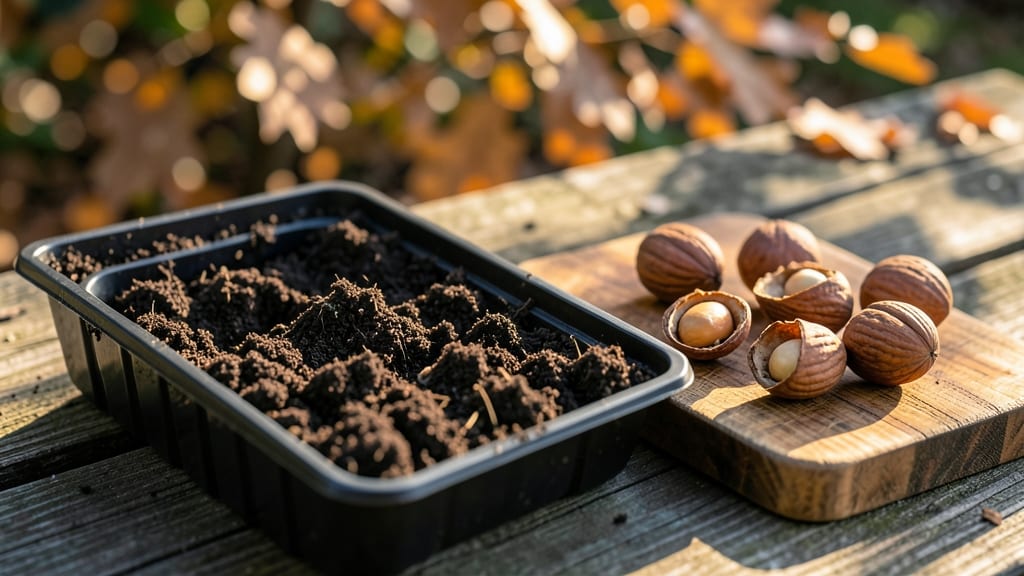
Planting hickory trees from nuts is like unlocking a future food forest—if you do it right, those nuts will grow into towering giants that feed wildlife and your own table for decades. 🌱 The key isn't just burying a nut and hoping; it's mimicking nature's timing and conditions to break dormancy.
I've learned that patience pays off, especially when you're dealing with a germination window that can stretch into months.
You'll need fresh, disease-free hickory nuts (no mold or cracks), a cold stratification setup (like a damp paper towel in the fridge for 60-90 days), and a sunny planting spot with well-draining soil.
The stratification step is non-negotiable—skipping it means waiting years for germination, if it happens at all. Most people overlook this, and that's why their nuts never sprout.
Once stratified, you'll plant them in fall or early spring, just 1-2 inches deep in loose soil. Keep the area moist but not soggy, and within 3-6 months, you'll see those first pale green leaves pushing through.
It's a slow start, but once established, these trees grow with stubborn reliability—no flimsy saplings here.
This method works best in USDA zones 4-9, where hickories thrive naturally. For container growing, use a deep pot with drainage, but expect slower growth. The real payoff? A mature hickory produces nuts for over a century—so every step now is an investment in your future harvest.
📚 In This Guide
- What you need
- Instructions
- Tips and common mistakes
- Wrapping up and next steps
What you need
- ● Fresh hickory nuts: Collect at least 10–20 nuts from mature, healthy hickory trees (avoid store-bought nuts—they’re often treated to prevent germination!). Look for plump, intact nuts with no cracks or signs of pest damage.
- ● Container or pot: Use a well-draining container (6+ inches deep) with drainage holes, or plant directly in the ground if you’re in a warm climate. For indoor starts, a seedling tray with individual cells works great.
- ● Potting soil: A light, well-draining mix (e.g., 50% potting soil + 50% perlite or sand) to prevent rot. Avoid heavy garden soil.
- ● Water: Room-temperature water (not cold) for consistent moisture.
- ● Plastic wrap or humidity dome: To create a mini greenhouse effect and retain moisture during germination.
- ● Scissors or pruning shears: For trimming nuts or cutting plastic wrap.
- ○ Plant labels: Small stakes or tags to mark your hickory seedlings (optional but helpful!).
- ● Stratification setup: A cool, dark place (34–41°F / 1–5°C) for 60–90 days (e.g., refrigerator crisper drawer with a damp paper towel).
- ● Warmth for germination: A consistent 70–80°F (21–27°C) spot with indirect light once stratification is complete.
- ● Outdoor planting zone: Hickory trees thrive in USDA Zones 4–9. Choose a sunny location with well-draining soil.
- ● A seedling heat mat to speed up germination in cooler climates.
- ● An outdoor thermometer to monitor soil temperature during stratification.
- ● Compost or slow-release fertilizer for nutrient-rich soil once seedlings sprout.
- ● A spray bottle for gentle watering to avoid disturbing soil.
Step-by-Step instructions for growing hickory trees from nuts
Here's the straightforward method I've used to grow strong, healthy hickory saplings from nuts.
🌱 Step 1: Collect and Prepare Fresh Hickory Nuts
Gather hickory nuts in late fall when they've fallen naturally—they need a period of cold stratification to break dormancy. Choose large, plump nuts with no cracks or mold. I store them in a paper bag in the refrigerator's crisper drawer for 3-4 months to simulate winter conditions. This cold treatment mimics nature's way of preparing the seed for spring germination.
After stratification, remove the nuts and soak them in lukewarm water for 24 hours. This softens the hard shell and kickstarts the germination process. Don't skip this step—dry nuts often take much longer to sprout, if they sprout at all. You'll know they're ready when the water looks slightly cloudy from the released tannins.
💧 Step 2: Plant Nuts in Moist Growing Medium
Use a sterile seed-starting mix in small pots—about 4 inches deep—with good drainage. Fill each pot ¾ full and moisten the mix until it's damp but not soggy. I like to work the moisture in by hand, squeezing gently to ensure even dampness throughout. The right moisture level should feel like a wrung-out sponge.
Place 1-2 nuts per pot at a depth of about 1 inch, with the pointed end facing upward. Cover lightly with additional mix, leaving just the tip visible. Press gently but don't compact the soil—you want roots to push through easily. Label each pot with the date and variety if you're working with different types.
☀️ Step 3: Provide Warmth and Consistent Moisture
Set the pots in a warm location with indirect light—a bright windowsill works well. Ideal germination temperatures range from 65-75°F. If your home runs cooler, consider using a seedling heat mat to maintain consistent warmth. You'll see tiny roots emerge first, followed by a shoot breaking through the soil in 4-8 weeks, depending on the nut's readiness.
Keep the soil evenly moist—never soggy—by watering gently from the bottom. I like to place pots in a shallow tray of water for 10-15 minutes, then drain excess. Overwatering at this stage causes rot, while letting the soil dry out halts germination. You'll know moisture is right when the surface looks slightly damp but not glistening.
🌿 Step 4: Transplant Seedlings to Larger Pots
Once seedlings reach 4-6 inches tall with 2-3 sets of true leaves, they're ready to move to 6-inch pots. Choose a sunny spot with at least 6 hours of light daily—a south-facing window or grow light works best. Hickory seedlings grow slowly at first, so patience is key. You'll notice new leaves emerging every 2-3 weeks as the plant establishes itself.
Use the same sterile potting mix and ensure the new pot has drainage holes. Gently remove the seedling, keeping the root ball intact, and place it in the center of the larger pot. Fill around the roots with fresh mix, pressing lightly to eliminate air pockets. Water thoroughly after transplanting to help the roots settle.
Tips & tricks for planting hickory trees from nuts
Here's what I learned after years of growing hickory saplings from scratch—these little details make all the difference.
Stratification Secret: Don't rush the 3-4 months cold treatment in Step 1. I've tried cutting it short, and the nuts either take forever to sprout or don't sprout at all. Place a small piece of tape with the collection date on your paper bag—this helps you track exactly when to move them to the next step. The refrigerator's crisper drawer works perfectly because it maintains consistent humidity while keeping temperatures steady.
Soaking Tip: That 24-hour lukewarm water soak in Step 1 is non-negotiable. I've seen nuts that soaked for only 12 hours take twice as long to germinate. Use a clear glass so you can see when the water turns cloudy—that's your signal the tannins are releasing and the nut is ready. Change the water halfway through if it starts looking murky, which can happen with older nuts.
Planting Depth Matters: When planting in Step 2, that 1-inch depth is crucial. Any deeper and the nut may not have enough energy to push through the soil, while planting too shallow can expose it to drying out. I like to use a pencil to make a small hole first—it gives me a consistent depth every time. Also, the pointed end up is important; it's where the root will emerge first.
Germination Timeline: The 4-8 weeks range in Step 3 can feel like forever, but remember—patience is key with hickory trees. I keep a small notebook next to my germination setup to track each pot's progress. If nothing appears after 8 weeks, don't give up—some nuts take up to 12 weeks. The first sign will be a tiny white root pushing through the soil, followed by the shoot breaking through in the next few days.
Pro Tips for Plant Hickory Trees From Nuts
- Here's what I learned after years of growing hickory saplings from scratch—these little details make all the difference.
- Stratification Secret: Don't rush the 3-4 months cold treatment in Step 1.
- Soaking Tip: That 24-hour lukewarm water soak in Step 1 is non-negotiable.
Frequently asked questions
Got questions about growing hickory trees from nuts? You’re not alone—this process has a few quirks! Below, we’ve answered the most common questions to help you avoid pitfalls and boost your success rate.
How long does it take for hickory nuts to germinate?
Hickory nuts can take anywhere from 30 to 120 days to germinate, depending on species, soil conditions, and moisture. Patience is key—some nuts may sprout in early spring, while others wait until summer. If you’ve planted them correctly but see no signs of life after 6 months, gently check for rot or pests.
Can I plant hickory nuts in the fall or do I need to wait until spring?
You can plant hickory nuts in late fall or early winter (before the ground freezes), but spring planting is often more reliable. Cold stratification (nature’s way of breaking dormancy) happens over winter, so fall-planted nuts may germinate faster in spring. If planting in spring, pre-chill the nuts for 60–90 days in a damp medium to mimic winter conditions.
Will squirrels or wildlife steal my hickory nuts before they sprout?
Squirrels, raccoons, and birds love hickory nuts, so take precautions:
- Plant nuts deeply (4–6 inches) to deter digging.
- Use wire mesh cages (temporarily) over planting sites.
- Choose less accessible spots, like under dense shrubs.
What if my hickory saplings aren’t growing fast enough?
Slow growth is normal for young hickories, but you can help by:
- Ensuring they get full sun (6+ hours daily).
- Watering deeply 1–2 times per week (drought stress stunts growth).
- Avoiding fertilizer in the first year—hickories are sensitive to over-fertilization.
Can I grow hickory trees from store-bought nuts, or do they need to be fresh?
Store-bought hickory nuts can work, but fresh, locally sourced nuts have the highest success rate. Commercial nuts are often treated to prevent mold or may lack the natural dormancy-breaking cues. If using store-bought:
- Soak them in water for 24 hours to soften the shell.
- Pre-chill them for 90 days to mimic winter.
- Plant in well-draining soil—they’re picky about soggy roots!
Wrapping up and next steps
Planting hickory trees from nuts is a rewarding journey that connects you to nature’s slow, steady growth. With patience, the right conditions, and a little care, you’ll nurture a future giant that provides shade, wildlife habitat, and delicious nuts for generations.
Now that you’re armed with the how-to, why not start small? Grab those nuts, pick a sunny spot, and let the magic of germination begin! 🌱✨