Pruning
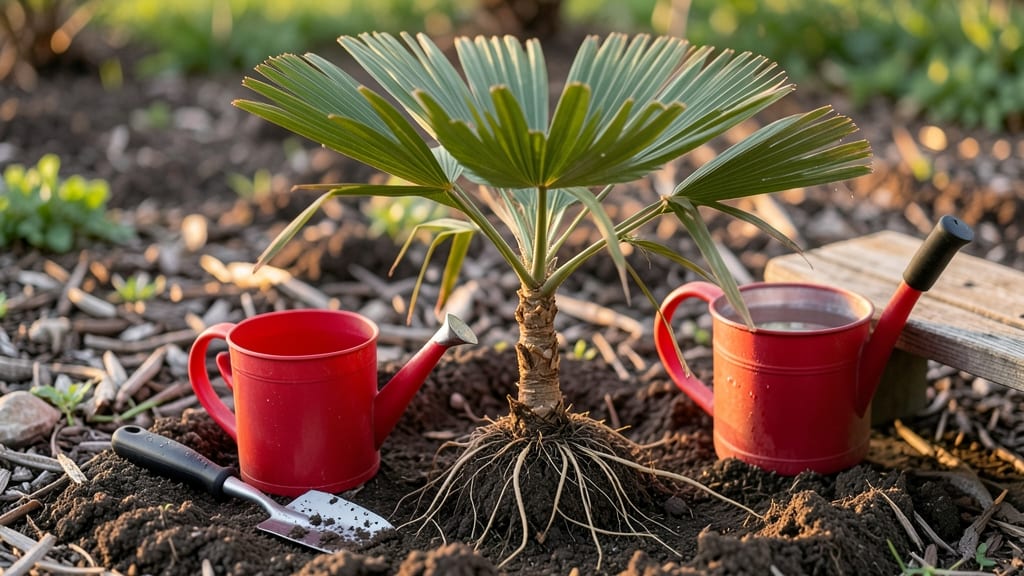
Replanting a palm tree feels like giving a giant houseplant a second chance—and with the right technique, you can save even the most stressed-looking specimen. 🌴 I’ve nursed back palms that looked doomed after root damage or poor transplanting, and the key starts before you even touch the shovel.
Timing matters more than most gardeners realize: spring or early fall, when temperatures stay mild and roots can establish without heat stress.
You’ll need a few essentials: a sturdy wheelbarrow for the root ball, burlap to protect exposed roots, and a 5-gallon bucket of water for immediate hydration after planting. The soil mix should drain like a sieve—palms hate soggy feet—so amend heavy clay with perlite or coarse sand.
Most palms prefer slightly acidic soil (pH 5.5–6.5), but check your species first—some like it sweeter.
What you’ll end up with is a palm that looks shaky at first but sends out new fronds within 6–8 weeks of proper care. The trunk stays straight, the roots spread confidently, and you avoid the classic "transplant shock" that turns leaves yellow and crispy.
Even tropical palms adapt surprisingly well when handled right—it’s all about minimizing root disturbance and keeping moisture consistent.
This method works for dwarf palms in containers or California fan palms in the ground, though larger species need extra support during recovery. Let’s get those roots settled so your palm thrives for decades—not just a few seasons.
📚 In This Guide
- What you need
- Instructions
- Tips and common mistakes
- Wrapping up and next steps
What you need
- ● Shovel or digging spade: A sturdy flat-edged shovel (24–30 inches wide) or a digging spade for loosening soil.
- ● Pruning saw or handsaw: A sharp, heavy-duty pruning saw (for cutting thick roots or trunks if needed).
- ● Garden hose or watering can: With a spray nozzle for gentle watering.
- ● Burlap or landscape fabric: 4–6 feet wide, to wrap roots and protect them during transport.
- ● Twine or rope: Jute or plastic-coated, to secure the burlap.
- ● Garden gloves: Heavy-duty, waterproof to protect your hands from sharp roots and debris.
- ● Wheelbarrow or dolly: To transport the palm tree and soil.
- ○ Mulch (optional but recommended): Organic mulch (pine bark, wood chips), 2–3 inches thick, to retain moisture and regulate soil temperature.
- ● Timing: Replant during the coolest months (fall or early spring) to minimize stress on the palm.
- ● New planting hole: Dig a hole twice as wide as the root ball but no deeper than the original.
- ● Well-draining soil: Amend with sand or compost if your soil is heavy clay or compacted.
- ○ Staking (optional): 3–4 bamboo stakes and soft ties to support the palm if it’s tall or top-heavy.
Step-by-Step instructions for transplanting palm trees safely
Here's the method that keeps palms thriving after the shock of moving.
🪴 Step 1: Prepare the New Planting Site
Choose a location with full sun exposure (6+ hours daily) and well-draining soil. Palms hate soggy roots, so amend heavy clay soil with 2-3 inches of coarse sand or perlite mixed into the top 12 inches of soil. This improves aeration and prevents root rot—the number one killer of newly transplanted palms.
Dig a hole twice as wide as the root ball but only as deep as the container's bottom. The palm's root flare (where roots meet trunk) should sit 1-2 inches above ground level. If planted too deep, the trunk can suffocate and rot. I always mark the container's depth with a pencil before digging.
🌱 Step 2: Carefully Remove and Prepare the Palm
Water the palm 24 hours before moving to reduce root stress. For container-grown palms, wrap the root ball in burlap or a tarp to protect roots during transport. If the palm is balled-and-burlapped, keep the burlap wet but not dripping—dry burlap tears easily and exposes roots to air.
When ready to plant, gently remove the burlap while keeping the root ball intact. Trim any circling or damaged roots with sterilized pruners, then soak the root ball in lukewarm water for 15-20 minutes to rehydrate roots. This step is critical—it revives roots that dry out during transport and gives your palm a better chance of recovery.
☀️ Step 3: Plant and Stabilize the Palm
Lower the palm into the hole and position it so the trunk stands straight and true. Backfill with native soil mixed with compost (avoid fresh manure—it burns roots). Tamp soil gently in 2-inch layers to eliminate air pockets, but don’t compact it like you would for a lawn. Use your hands or a board to press lightly.
Create a water basin around the base by mounding soil outward. This directs water to the roots instead of running off. Install a stake or support system if needed—palms over 10 feet tall often need temporary support to prevent wind damage during establishment. I use soft ties (not wire) to avoid girdling the trunk.
💧 Step 4: Water and Monitor Recovery
Water deeply immediately after planting—soak the soil until it drains from the bottom of the hole. Then, water every 2-3 days for the first 4 weeks, ensuring the root zone stays evenly moist but not waterlogged. Overwatering suffocates roots, while underwatering stresses the palm. Check soil moisture by sticking your finger 2 inches deep—it should feel damp, not dry.
Apply a balanced, slow-release fertilizer (10-10-10 or similar) at half-strength 4 weeks after transplanting. Avoid high-nitrogen fertilizers—they promote leaf growth at the expense of root development. Watch for yellowing fronds (a sign of stress) or wilting (a sign of underwatering or overwatering). Most palms show new frond growth within 6-8 weeks if transplanted correctly.
Tips & tricks for replanting palm trees safely
Confession: I've lost count of how many palms I've replanted—some thrived, others didn't. Here's what I've learned to ensure your palm makes it through the transplant shock.
Soil Preparation Secret: When amending heavy clay soil in Step 1, mix in coarse sand or perlite down to 12 inches deep—not just the top layer. This creates a drainage highway for roots, preventing the #1 killer of transplanted palms: root rot. I use a garden fork to aerate the soil first, then blend in the amendments thoroughly. The goal is to mimic the palm's natural sandy soil preferences.
Root Revival Technique: That 15-20 minute lukewarm water soak in Step 2 isn't just about hydration—it's a root resuscitation. I've seen palms with completely dry root balls come back to life after this step. Use a bucket of water at room temperature (not cold) to avoid shocking the roots further. Add a handful of compost tea (optional) to the water for extra microbial boost.
Stabilization Strategy: For palms over 10 feet tall in Step 3, I recommend using three stakes arranged in a tripod formation rather than a single stake. This creates a more stable support system that prevents trunk swaying in wind. Use soft fabric ties (like old t-shirts) to secure the palm—never wire, which can cut into the trunk over time.
Watering Wisdom: The every 2-3 days watering schedule in Step 4 works best with a drip irrigation system or soaker hose. This delivers water directly to the root zone without wetting the fronds, which can lead to fungal issues. I check soil moisture by pushing my finger 2 inches deep—if it's dry, water; if it's soggy, wait. Consistency is key during those first 4 weeks.
Pro Tips for Replant A Palm Tree
- Confession: I've lost count of how many palms I've replanted—some thrived, others didn't.
- Soil Preparation Secret: When amending heavy clay soil in Step 1, mix in coarse sand or perlite down to 12 inches deep—not just the top layer.
- Root Revival Technique: That 15-20 minute lukewarm water soak in Step 2 isn't just about hydration—it's a root resuscitation.
Frequently asked questions
Got questions about replanting your palm tree? You’re not alone! Here are some of the most common concerns—and their straightforward solutions—to help you navigate the process with confidence.
When is the best time of year to replant a palm tree?
The ideal window is late winter to early spring (just before new growth starts) or fall (after the hottest months). Avoid extreme heat or frost—palms need time to establish roots without stress. If you’re in a mild climate, early morning or late afternoon replanting minimizes sun exposure for the roots.
How do I know if my palm tree is healthy enough to replant?
Check for flexible fronds (not brown or brittle), a firm trunk (no soft spots or oozing sap), and white roots (not black or mushy). If the tree has been root-bound (circling roots) or shows signs of disease (fungus, pests), address those first. Younger palms (under 5 years) transplant best—older ones may struggle.
Can I replant a palm tree in a pot instead of the ground?
Use a large, sturdy container (at least 2–3 feet wider than the root ball) with drainage holes. Opt for fast-draining soil (sandy loam or cactus mix) and repot every 2–3 years. Potted palms need regular watering (but avoid soggy soil) and winter protection in cold climates. Just remember: container size matters—roots need room to grow!
How often should I water a newly replanted palm tree?
For the first 2–4 weeks, water daily (early morning) to keep the root ball moist but not waterlogged. After that, every 2–3 days (adjust for heat/drought). Mulch around the base (2–3 inches deep) to retain moisture. Overwatering is worse than underwatering—yellowing fronds or mushy roots signal too much H2O.
Why is my replanted palm tree turning yellow or dropping fronds?
Yellowing or dropping fronds usually mean root shock, over/under-watering, or transplant stress. First, check the soil moisture—it shouldn’t be bone-dry or soggy. If roots look black or mushy, you’ve overwatered; if they’re brittle and dry, it’s underwatering. Trim dead fronds (but leave healthy ones) and avoid fertilizing for 6–8 weeks to let roots recover.
What’s the best soil mix for replanting palm trees?
Palms thrive in well-draining, slightly acidic soil (pH 5.5–6.5). Mix 60% native soil, 30% compost or peat moss, and 10% perlite/sand for aeration. Avoid heavy clay—it suffocates roots. For sandy soil, add organic matter (like coconut coir) to improve water retention. Test your soil before replanting if you’re unsure!
Wrapping up and next steps
Replanting a palm tree might seem daunting, but with the right tools, patience, and care, you can give your tropical beauty a thriving new home! 🌴 Remember, the key lies in gentle handling, proper soil prep, and consistent aftercare—your efforts will pay off as your palm adapts and flourishes.
Now that you’re armed with the know-how, why not take the next step? Check local climate conditions, schedule your replanting for the ideal season, and enjoy the satisfaction of nurturing a resilient plant that will stand tall for years to come!