
Propagation
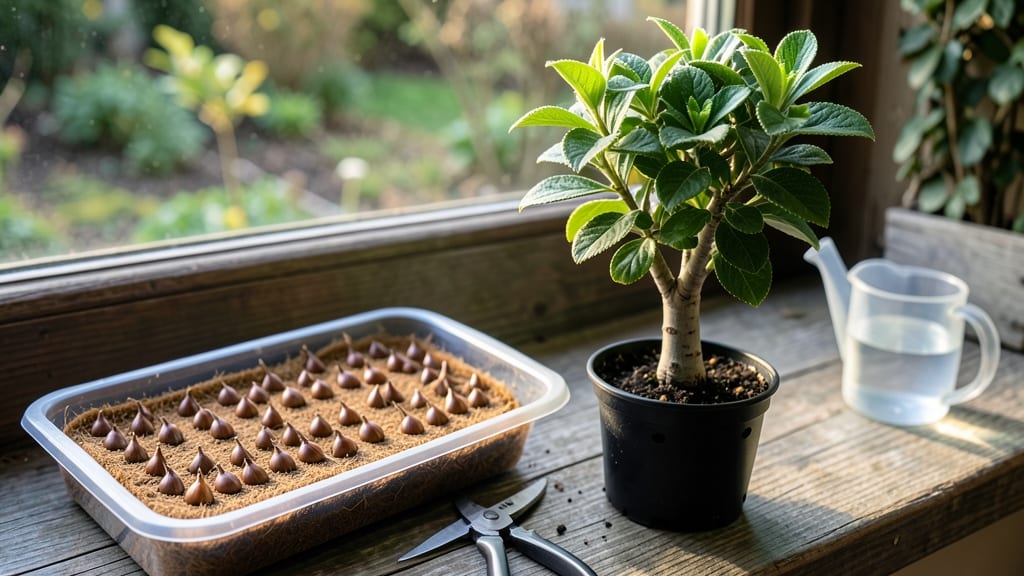
Growing beech trees from seed means you're planting future forest giants in your own pots—though it’ll take decades to see them reach their full majesty. 🌱 The trick starts with understanding their stubborn germination needs: beech seeds require stratification (a cold period) to break dormancy, and skipping this step means waiting years for sprouts.
I’ve learned the hard way that patience isn’t just a virtue—it’s the whole game with these slow-growing trees.
You’ll need just a few supplies: fresh beech seeds (collected in fall or bought), a plastic bag for moisture, and a container with well-draining soil. The stratification process itself is simple—mix seeds with damp sand, seal them in a bag, and refrigerate for 4-6 months.
No fancy equipment, just time and a little fridge space. Once stratified, germination can take another 2-4 months, so plan ahead if you want to see progress this year.
What you’ll end up with are delicate seedlings that grow less than an inch per year at first—hardly exciting, but that’s how beech trees build their legendary strength.
By year 5, you might see 6-inch saplings, and with proper care (partial shade, consistent moisture), they’ll develop the glossy leaves and sturdy trunks that make them prized shade trees.
The real payoff comes decades later, when your tiny pot holds a tree that could one day tower over your backyard.
This method works best in USDA Zones 4-8, where beech trees thrive naturally. If you live in a warmer climate, extend the stratification period or consider growing them in containers for winter protection.
The key is consistency—beech trees reward those who stick with them, even when growth feels painfully slow. Ready to start your long-term project?
📚 In This Guide
- What you need
- Instructions
- Tips and common mistakes
- Wrapping up and next steps
What you need
- ● Beech tree seeds: Fresh, viable seeds (collect from mature beech trees in fall or purchase from a reputable supplier). Aim for at least 10-20 seeds to increase germination success.
- ● Seed trays or small pots: 2-3 inch deep containers with drainage holes (use biodegradable pots for easy transplanting). You’ll need 1 tray or 5-10 small pots.
- ● Potting mix: A well-draining, sterile mix like 50% peat moss or coconut coir + 50% perlite or coarse sand (avoid garden soil—it’s too dense!).
- ● Plastic wrap or humidity dome: To create a mini greenhouse effect and retain moisture.
- ● Spray bottle: For gentle watering (avoid over-saturating seeds).
- ● Labeling tags & marker: To track seed varieties and planting dates.
- ● Grow lights or sunny windowsill: Beech seeds need bright, indirect light (6+ hours daily) for germination.
- ● Patience (and a notebook!): Beech seeds can take 1-3 months (or longer) to sprout—document progress!
- ● Stratification setup: A refrigerator (34–41°F / 1–5°C) for 2-3 months to break seed dormancy (if seeds aren’t fresh).
- ● Heating mat: Speeds up germination if your space is cool (70–75°F / 21–24°C ideal).
- ● Fertilizer (low-dose): A balanced, water-soluble fertilizer (5-5-5 or 10-10-10) once seedlings sprout (dilute to half-strength!).
- ● Humidity tray: A shallow tray with pebbles and water to boost moisture levels.
- ● Pruning shears: For trimming leggy seedlings later on.
Step-by-Step instructions for growing beech trees from seed
Here’s how to nurture these majestic forest giants from tiny seeds—with the right timing and care.
🌱 Step 1: Collect and Stratify the Seeds
Beech seeds need cold stratification to break dormancy, mimicking winter’s natural process. Collect fresh seeds in late fall (October-November) when they’ve fallen but haven’t rotted. Store them in a paper bag (not plastic) in the fridge’s crisp drawer for 3-4 months—this cold treatment tricks the seed into thinking winter has passed.
Check them monthly for sprouting signs (tiny root hairs or swollen seed coats). If they’ve started germinating, remove them immediately—stratified seeds won’t wait. Real talk: If you skip this step, your seeds may never sprout. I’ve tried planting unstratified beech seeds, and they just sat there, stubborn as old-growth roots.
☀️ Step 2: Start Seeds in a Controlled Environment
Fill a seed tray with moistened, sterile potting mix (avoid garden soil—it’s too dense). Plant seeds ¼ inch deep, spacing them 1 inch apart in rows. Beech seeds are tiny, so I use a toothpick to place each one precisely. Cover the tray with clear plastic wrap to retain humidity and warmth, then place it in a bright, indirect light spot (a north-facing window works best).
Keep the soil evenly moist—not soggy, not dry. Mist the tray daily or use a humidity dome. Germination takes 4-8 weeks, so patience is key. You’ll know it’s working when tiny green cotyledons (first leaves) push through the soil. If nothing happens after 10 weeks, the seeds may have expired—try fresh ones.
🪴 Step 3: Transplant Seedlings to Individual Pots
Once seedlings have 2-3 true leaves (not just the first cotyledons), carefully transplant them into 4-inch pots filled with well-draining potting mix. Use a small spoon or your finger to loosen the soil around the roots before transferring—beech seedlings are delicate. Water gently after planting to settle the soil without disturbing the roots.
Place the pots in a shady spot for the first 2 weeks to help them adjust. Beech trees dislike sudden stress, so avoid full sun until they’re 4-6 inches tall. This is where most growers rush and lose seedlings—don’t skip the acclimation. You’ll see stronger growth if you let them ease into their new home.
✂️ Step 4: Gradually Increase Sun and Harden Off
After 2 months, move seedlings to a partially shaded area (morning sun, afternoon shade) to toughen them up. Beech trees eventually thrive in full sun, but young ones need time to adapt. I start by placing them outside for 1 hour daily, then gradually increase exposure over 2-3 weeks. Watch for wilting or yellowing leaves—a sign they’re getting too much sun too soon.
By late spring, when nighttime temperatures stay above 50°F, you can leave them outdoors 24/7. If frost threatens, bring them back inside or cover them with a lightweight frost cloth. This hardening-off phase is critical—skipping it weakens roots and stunts growth. Think of it as their first forest campout.
🌿 Step 5: Prune and Repot for Long-Term Growth
Beech trees grow slowly, so pruning isn’t urgent until they’re 2-3 feet tall. Remove any dead, crossing, or weak branches in early spring before new growth starts. Use clean, sharp pruners to make cuts just above a leaf bud—this encourages healthy branching. Avoid heavy pruning; beech trees respond poorly to aggressive trimming.
Repot seedlings into larger containers (6-8 inches) every 2 years in early spring. Use fresh potting mix and a pot with drainage holes—beech roots hate soggy feet. By year 5, they’ll be ready for the ground, but if you’re growing them in containers long-term, choose 15+ gallon pots for mature trees. The key here is patience; these trees take decades to reach their full grandeur.
Tips & tricks for growing beech trees from seed
Here’s what I’ve learned after years of growing these patient giants—tricks that’ll help you avoid the common pitfalls and nurture strong, healthy seedlings.
Stratification Precision: The 3-4 month cold treatment in Step 1 is non-negotiable for breaking dormancy, but timing matters. Start checking seeds monthly after 90 days—look for tiny root hairs or swollen seed coats. If you see sprouting, remove those immediately and plant them separately. I’ve had seeds that started germinating mid-stratification—planting them too early can damage the delicate roots. Confession: I once waited too long and lost a batch that could have been saved with this simple check.
Lighting Secrets: In Step 2, that bright indirect light is crucial—north-facing windows work best, but if you don’t have one, supplement with a grow light 6 inches above the tray for 12-14 hours daily. Too much direct sun at this stage causes seedlings to stretch weakly (a condition called etiolation), while too little light leads to leggy, pale growth. I use a simple LED bulb on a timer for consistent results, especially in winter months when natural light is dimmer.
Transplanting Technique: When moving seedlings to 4-inch pots in Step 3, the key is minimal root disturbance. Gently loosen the soil around the roots with your finger before transferring—this prevents transplant shock. I’ve found that watering the tray thoroughly 12 hours before transplanting helps too; the moist soil protects roots and makes the transfer smoother. After repotting, place the pots in a shady spot for those first 2 weeks, even if you’re eager to see them grow.
Hardening-Off Strategy: The gradual sun exposure in Step 4 is where many growers fail. Start with just 1 hour of morning sun daily, then increase by 30 minutes every 3-4 days. Watch for wilting or yellowing leaves—this is your signal to slow down. I’ve seen seedlings that went from thriving to crispy in a day when moved too quickly to full sun. By late spring, when nighttime temps stay above 50°F consistently, you can transition to full outdoor exposure, but always keep a frost cloth handy for those unexpected cold snaps.
Pro Tips for Grow Beech Trees From Seed
- Here’s what I’ve learned after years of growing these patient giants—tricks that’ll help you avoid the common pitfalls and nurture strong, healthy seedlings.
- Stratification Precision: The 3-4 month cold treatment in Step 1 is non-negotiable for breaking dormancy, but timing matters.
- Lighting Secrets: In Step 2, that bright indirect light is crucial—north-facing windows work best, but if you don’t have one, supplement with a grow light 6 inches above the tray for 12-14 hours daily.
Frequently asked questions
Got questions about growing beech trees from seed? You’re not alone—this process can feel like a slow-motion adventure! Below, we tackle the most common curiosities to help you navigate the journey with confidence.
How long does it take for beech seeds to germinate?
Beech seeds are notoriously slow to germinate—often taking 6 to 12 months (or even longer) in ideal conditions. Cold stratification (mimicking winter) is key. Plant them in fall or soak in water for 24 hours before sowing in moist, well-draining soil. Patience is your best friend here!
Can I grow beech trees indoors from seed?
While possible, beech trees thrive outdoors and can become unwieldy indoors as they mature. Start seeds indoors in pots (6–12 months before last frost) for early growth, but transplant seedlings outdoors as soon as possible. A sunny windowsill or grow light works, but they’ll need space to stretch their roots!
Why aren’t my beech seeds sprouting?
Beech seeds often fail to germinate due to hard seed coats or improper conditions. Try these fixes:
- Scarify seeds lightly with sandpaper or nick the shell with a knife.
- Ensure consistent moisture (not soggy) and cool temps (40–50°F).
- Check for rot—seeds should stay firm, not mushy.
What’s the best soil mix for beech seedlings?
Beech trees prefer well-draining, slightly acidic soil (pH 5.0–6.5). Mix equal parts:
- Peat moss or coconut coir
- Perlite or coarse sand
- Compost or leaf mold
Are there faster alternatives to growing beech trees?
If you’re eager for results, consider:
- Layering branches: Bend low-hanging branches to the ground, cover with soil, and wait for roots to form (1–2 years).
- Buying young seedlings: Nurseries often sell 1–3 ft tall beech trees ready for planting.
- Grafting: Advanced gardeners can graft beech scions onto rootstock (requires skill!).
Wrapping up and next steps
Growing beech trees from seed is a rewarding journey that blends patience with the joy of nurturing nature’s majesty.
With the right tools—like fresh seeds, well-draining soil, and a sunny spot—you’re already halfway to cultivating a future forest giant. Remember: consistency is key! Whether you’re a seasoned gardener or a curious beginner, every small step—from stratification to transplanting—brings you closer to a thriving beech tree.
Now that you’re armed with knowledge, take the next step: grab those seeds and start your own beech tree adventure! 🌱 Whether you plant them in pots or directly in the ground, your green thumb is about to grow something truly extraordinary. Happy planting!