
Trees
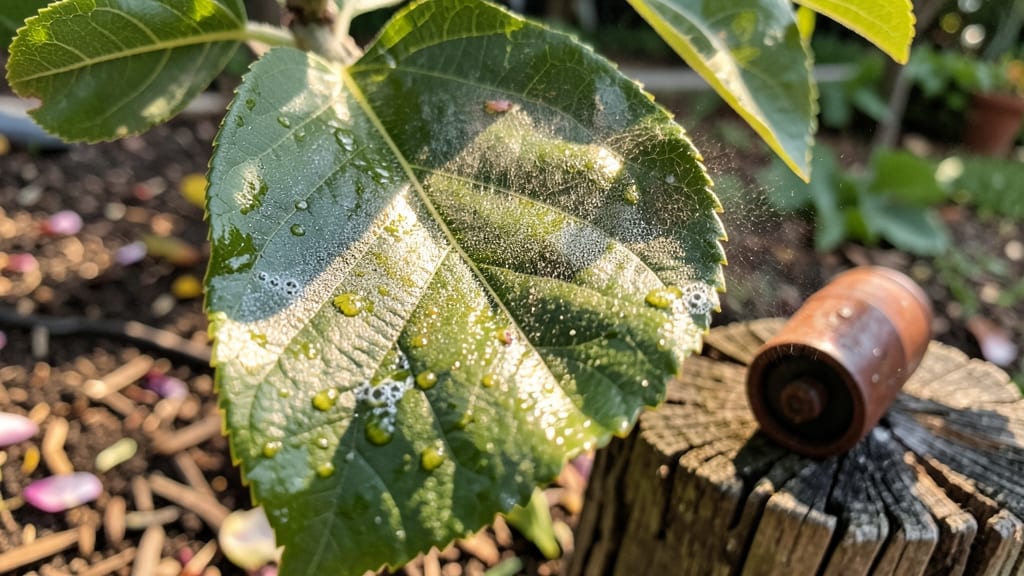
This homemade insect spray for fruit trees can stop aphids from swarming your apple tree like a tiny green army.
Neem oil spray is the organic game-changer you’ve been missing. 🌱 I’ve saved countless fruit trees from pests using this simple, effective mix that costs pennies per gallon compared to store-bought chemicals.
The secret lies in neem oil’s natural ability to disrupt insect life cycles while keeping your harvest safe to eat.
This spray tackles everything from aphids and mites to borers—all without harming bees or beneficial insects. You’ll need just five basic ingredients, most of which you already have in your pantry or garden shed.
The process takes less than 10 minutes to mix, and one gallon covers multiple trees for weeks. No fancy equipment required, just a spray bottle and a little elbow grease.
What you’ll get is fruit trees that stay lush and productive, with fewer chewed leaves and no chemical residue on your harvest. The spray works best when applied early morning or late evening to avoid burning leaves in direct sunlight.
By midseason, you’ll notice fewer pests and healthier growth—no more helplessly watching your apples get riddled with holes.
Works for peach, cherry, plum, and citrus trees too—just adjust the concentration for heavier infestations. The key is consistency: spray every 7-10 days during peak pest season, and you’ll keep those fruit trees thriving without breaking the bank or harming the environment. Ready to mix up your first batch?
📚 In This Guide
- What you need
- Instructions
- Tips and common mistakes
- Wrapping up and next steps
What you need
- ● Neem oil (cold-pressed or organic): 1 tablespoon (look for 100% pure, cold-pressed oil for best results).
- ● Dish soap (mild, biodegradable): ½ teaspoon (helps the oil stick to insects).
- ● Water (distilled or dechlorinated): 1 quart (32 oz) (chlorine can harm plants).
- ● Spray bottle: 16–32 oz (with a fine mist nozzle for even coverage).
- ● Mixing container: 1-gallon bucket or large bowl (glass or food-grade plastic preferred).
- ● Measuring spoons/cups: For precise ingredient ratios.
- ● Stirring stick or spoon: Wooden or plastic (avoid metal to prevent oxidation).
- ● Garlic or onion extract: 1 tablespoon (natural insect repellent).
- ● Cayenne pepper (powdered): ¼ teaspoon (adds a mild irritant for pests).
- ● Essential oils (e.g., peppermint, rosemary): 5–10 drops (enhances scent-based deterrence).
- ○ Horticultural oil (optional): ½ teaspoon (for extra smothering power against tough pests).
- ● Check for allergies to neem oil or ingredients before use (wear gloves if sensitive).
- ● Apply on a calm, overcast day to avoid leaf burn from sunlight.
- ● Test the spray on 1–2 leaves first to ensure no adverse reactions.
Step-by-Step guide to making homemade insect spray for fruit trees
Here's the simple, effective method I use to protect my orchard—no harsh chemicals, just natural defense.
🌿 Step 1: Gather Your Natural Ingredients
Start with 1 quart of water and 2 tablespoons of neem oil, the star ingredient that disrupts insect life cycles. Add 1 teaspoon of mild liquid dish soap—this helps the oil mix with water and stick to pests. I always use unscented, biodegradable soap because fragrances can harm plants.
For extra protection, stir in 1 tablespoon of garlic or onion extract (the sulfur compounds repel chewing insects). If you don't have extract, crush 2 cloves of garlic or 1 small onion and steep in warm water for 30 minutes before straining. This boosts the spray's effectiveness against soft-bodied insects like aphids and mites.
💧 Step 2: Mix Thoroughly and Strain
Combine all ingredients in a 1-quart spray bottle or large container. Give it a good shake—neem oil and water don’t mix naturally, so you’ll need to shake vigorously for 30 seconds until fully emulsified. Let it sit for 5 minutes, then shake again to ensure even distribution.
Strain the mixture through a fine-mesh sieve or cheesecloth to remove any garlic or onion bits. This prevents clogging your spray nozzle and ensures a smooth, even application. I like to work in small batches because the mixture separates quickly—always shake before each use.
☀️ Step 3: Apply at the Right Time and Frequency
Spray your fruit trees early in the morning or late afternoon when temperatures are below 85°F. Direct sunlight can burn leaves, especially when oil residues are still wet. Focus on the undersides of leaves and new growth—that’s where pests like aphids and mites hide.
Reapply every 7-10 days or after rain, as the spray washes off. For severe infestations, apply twice weekly until pests disappear. I’ve found that consistency is key—even light infestations can flare up if you skip applications. Always test a small area first to check for leaf sensitivity.
✂️ Step 4: Store and Reuse for Maximum Effect
Store any leftover spray in a dark, airtight container (like a glass jar) in the fridge for up to 2 weeks. Neem oil breaks down in sunlight, so keep it out of direct light. Before each use, shake well—separation is normal, but thorough mixing ensures potency.
Use the remaining 1 quart to treat 4 fruit trees (or more if they’re small). This recipe makes enough for light coverage on standard-sized trees. For larger orchards, double the batch—just maintain the same ratios. I like to keep a small batch on hand year-round for early prevention.
Tips & tricks for perfect homemade fruit tree protection
A few simple tweaks will help you get the most out of your organic pest control—because even natural solutions need the right touch.
Neem Oil Quality Matters: Not all neem oils are created equal. Look for cold-pressed, organic neem oil with at least 30% azadirachtin content—this is the active compound that disrupts insect life cycles. I've found that cheaper oils with lower concentrations need to be applied more frequently (every 5-7 days) to be effective. Store your neem oil in a cool, dark place since light degrades its potency over time.
Mixing Secret: When combining the ingredients in Step 2, add the 1 teaspoon of dish soap last—this helps emulsify the oil better. After your initial 30-second vigorous shake, let the mixture rest for the full 5 minutes before shaking again. This resting period allows the oil to fully disperse into the water, creating a more stable spray. I've ruined two batches by skipping this step and ending up with a separated, ineffective mixture.
Application Technique: Use a fine mist setting on your sprayer to avoid oversaturating the leaves, which can lead to leaf burn. When targeting undersides and new growth in Step 3, hold the sprayer 6-12 inches away from the foliage for even coverage. I like to work in sections—spray one branch completely before moving to the next—this ensures thorough coverage without missing spots where pests hide.
Safety First: Always test your spray on a small, hidden area of the tree first to check for sensitivity. Some tree varieties (especially citrus) can be more sensitive to neem oil. If you notice any yellowing or wilting within 24 hours, dilute your next batch with an extra ½ cup of water to reduce concentration. Also, avoid spraying when bees are active—neem oil can harm them too.
Pro Tips for Homemade Insect Spray For Fruit Trees
- A few simple tweaks will help you get the most out of your organic pest control—because even natural solutions need the right touch.
- Neem Oil Quality Matters: Not all neem oils are created equal.
- Mixing Secret: When combining the ingredients in Step 2, add the 1 teaspoon of dish soap last—this helps emulsify the oil better.
Frequently asked questions
Got questions?
Here are answers to common concerns about using homemade insect spray for your fruit trees—so you can feel confident in your organic defense plan!
When is the best time to apply homemade insect spray?
Apply your homemade spray early in the morning or late afternoon to avoid harming bees and other beneficial insects. Timing matters: Spray before pests appear (preventative) or at the first sign of infestation (like chewed leaves or sap). For neem oil sprays, reapply every 7–14 days or after rain.
Will this spray harm bees or other pollinators?
Yes, homemade sprays like neem oil can be toxic to bees if applied directly to flowers. Avoid spraying when flowers are open (check bloom times for your fruit trees). For extra safety, apply sprays after pollination or use a bee-friendly schedule—like targeting pests before bloom or after harvest.
What if my homemade spray doesn’t work?
If pests persist, troubleshoot with these steps:
- Check coverage: Ensure you’re spraying both sides of leaves and the tree trunk.
- Adjust concentration: For tough infestations, increase neem oil to 2–3 tablespoons per gallon (but test on a small area first).
- Rotate methods: Try adding soapy water (1 tsp mild soap per gallon) or garlic/chili spray for added potency.
- Inspect for other issues: Overwatering or nutrient deficiencies can stress trees, making them more vulnerable.
Does temperature affect how well the spray works?
Extreme temperatures can reduce effectiveness. Avoid applying if temps are below 50°F or above 90°F. Neem oil works best in moderate weather (60–80°F). Store your spray mixture in a cool, dark place to preserve potency.
Are there safer alternatives if I don’t have neem oil?
Here are a few DIY alternatives for fruit tree pests:
Spray Type
Key Ingredients
Best For
Garlic-Chili Spray
Garlic, cayenne pepper, water, soap
Aphids, mites, soft-bodied insects
Soapy Water Spray
Mild liquid soap (like Castile), water
Scale, mealybugs, whiteflies (use sparingly)
Diatomaceous Earth (DE)
Food-grade DE powder
Crawling pests (ants, beetles)—apply dry to foliage
Horticultural Oil
Refined mineral oil (store-bought)
Overwintering pests (mites, eggs) in dormant season
Pro tip: Always test sprays on a small leaf area first to avoid damaging your tree!
Wrapping up and next steps
Creating your own homemade insect spray for fruit trees using neem oil is a game-changer for organic gardeners! 🌿 With just a few simple ingredients, you’ve got a powerful, eco-friendly way to protect your trees from pests—without harsh chemicals.
Not only does this spray save you money, but it also keeps your orchard thriving naturally.
Ready to take the next step? Start small—test the spray on a single branch first, observe the results, and adjust as needed. Happy spraying, and watch your fruit trees flourish with confidence! 🍏🌳