Size
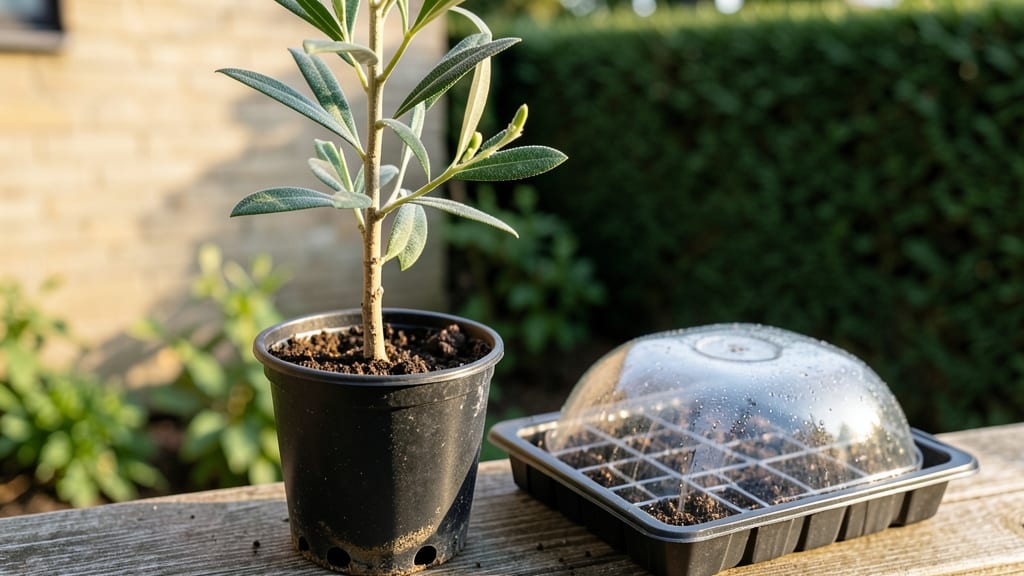
Growing an olive tree from a pit is the kind of project that turns your kitchen into a tiny Mediterranean grove. 🌱 I’ve tried it twice now—once with a grocery store olive, once with a fresh one—and both times, the slow emergence of that first leaf felt like uncovering a secret.
The key isn’t rushing it; it’s understanding that patience pays off in a silvery-green sapling that could one day bear fruit.
You’ll need just three things to start: a fresh olive pit, a small pot, and a sunny windowsill or outdoor spot. The pit must be completely dry before planting, and the soil should drain well—think sandy loam or a mix of potting soil and perlite.
Water lightly but consistently, keeping the soil moist but never soggy. Germination can take months, even years, so don’t give up if nothing happens in a few weeks.
What you’ll end up with is a slow-growing but hardy tree that thrives on neglect once established. In a few years, you might see tiny leaves, and with time, maybe even a few olives—though fruit-bearing takes decades.
The real reward? A living piece of history on your windowsill or patio, its gnarled branches and silvery foliage a reminder that good things come to those who wait.
Works indoors or out, depending on your climate. If you live in a cold zone, keep it as a houseplant and bring it outside in summer. Either way, it’s a project that rewards curiosity and teaches resilience—just like the trees themselves.
📚 In This Guide
- What you need
- Instructions
- Tips and common mistakes
- Wrapping up and next steps
What you need
- ● Olive pits: 3–5 fresh, clean pits (from organic olives if possible—avoid pitted or processed ones).
- ● Water: Room-temperature, filtered or distilled water (1–2 cups for soaking).
- ● Small pots or containers: 4–6 inches in diameter (with drainage holes—critical!). Use biodegradable pots if you plan to transplant early.
- ● Potting soil: Well-draining mix (cactus/succulent soil or a blend of 50% potting soil + 50% perlite/sand).
- ● Plastic wrap or humidity dome: To create a mini greenhouse effect.
- ● Spray bottle: For gentle watering.
- ● Grow lights or sunny windowsill: A south-facing window (6+ hours of sunlight) or a LED grow light (12–14 hours/day if indoors).
- ○ Fertilizer (optional but helpful): A balanced liquid fertilizer (10-10-10) or seaweed extract (diluted to half-strength) for young seedlings.
- ● Seedling heat mat: To keep soil warm (70–75°F) during germination.
- ● Humidity tray: A shallow tray with pebbles and water to boost moisture.
- ● Pruning shears: Small, clean scissors for trimming sprouts as they grow.
- ● Larger pot (10+ inches): For transplanting once roots establish (after 6–12 months).
- ● Olive tree care guide: A book or app (like Gardenate) for long-term tips.
Step-by-step instructions for growing an olive tree from a pit
Here's how to coax life from a simple olive pit—no fancy tools needed.
🌱 Step 1: Prepare the Pit and Start Germination
Pick a fresh, plump olive pit (the bigger, the better). I like to clean off any remaining fruit flesh with warm water—just scrub gently with your fingers. Don't soak it, though; dampness is all you need. Place the pit between two damp paper towels, then fold them to wrap snugly around it. Put the whole bundle in a sealed plastic bag and store it in a warm, dark spot like your pantry.
Check the towels every few days. They should stay moist but not soggy—wrinkled towels mean it's time for a quick mist with water. Germination can take anywhere from 2-12 weeks, so patience is key. You'll know it's working when you see a tiny white root break through the pit. That's your first sign of life!
💧 Step 2: Plant the Germinated Pit
Once the root reaches about ½ inch, it's time to plant. Fill a 4-inch diameter pot with well-draining potting mix—olive trees hate soggy roots, so avoid garden soil. Make a small hole in the center, about 1 inch deep, and gently place the pit root-side down. Cover it lightly with soil, leaving the top half exposed.
Water gently until moisture seeps from the drainage hole at the bottom. Place the pot in bright, indirect light (a sunny windowsill works great). Keep the soil consistently moist but never waterlogged. You'll see the first true leaves emerge in 3-6 weeks—that's when you'll know your little tree is thriving. If the leaves look pale or leggy, it needs more light.
☀️ Step 3: Care for Your Young Olive Tree
After the first set of leaves appears, move the pot to a spot with at least 6 hours of sunlight daily. Olive trees love warmth, so keep it in a room where temperatures stay between 60-75°F. If your home runs cooler, a grow light can help bridge the gap until spring.
Water when the top 1 inch of soil feels dry—stick your finger in to check. Overwatering is the biggest killer of young olive trees, so always let excess water drain away completely. Once a month, add a balanced liquid fertilizer (diluted to half strength) to encourage steady growth. You'll notice new leaves and stems forming within 2-3 months—that's your reward for consistency!
🪴 Step 4: Repot and Prune for Long-Term Growth
When your olive tree reaches 12 inches tall, it's time to upgrade to a 6-inch pot with fresh potting mix. Gently remove it from the old pot, loosen the roots if they're circling, and replant. This is also a great time to prune any leggy or weak growth—snip just above a leaf node to encourage bushier growth. Olive trees respond well to pruning, so don't be shy!
Outdoor planting is possible once your tree is 2-3 years old and temperatures stay above 50°F at night. Choose a sunny spot with well-draining soil, and harden off your tree by gradually exposing it to outdoor conditions over 2 weeks. Even in containers, olive trees can live for decades with proper care—so this is just the beginning!
Tips & tricks for growing an olive tree from a pit
Between us, growing an olive tree from a pit feels like magic—but there are a few secrets that make it happen every time. Here's what nobody tells you about bringing that pit to life.
Pit Selection Matters: Don't grab just any pit! Look for ones that are plump, firm, and free of cracks. I've found that pits from larger olives (like those from grocery store tables) have the best success rates. If you're unsure, tap two pits together—if they make a hollow sound, they're ripe and ready for germination.
Germination Environment: While warm, dark spots like your pantry work, I've had the best results with a slightly warmer environment—around 70-75°F. If your kitchen runs cooler, place the sealed bag near a sunny window or use a small heating pad on low to speed up germination. The goal is to keep it consistently warm without overheating.
Light Transition Tip: Once your root reaches ½ inch and you're ready to plant, don't rush to full sunlight. Start with bright, indirect light for the first week after planting—this helps the young tree adjust. I've seen seedlings shock and wilt when moved directly to full sun too soon. Gradually increase sunlight exposure over 7-10 days.
Pruning Secrets: When you're ready to prune at the 12-inch mark, focus on creating an open center. This allows sunlight to reach all parts of the tree and prevents disease. I like to make cuts just above a leaf node at a 45-degree angle—this encourages bushier growth and better healing. Always use clean, sharp scissors to avoid damaging the tree.
Pro Tips for Grow An Olive Tree From A Pit
- Between us, growing an olive tree from a pit feels like magic—but there are a few secrets that make it happen every t...
- Pit Selection Matters: Don't grab just any pit! Look for ones that are plump, firm, and free of cracks. I've found th...
- Germination Environment: While warm, dark spots like your pantry work, I've had the best results with a slightly warm...
Frequently asked questions
Got questions about growing an olive tree from a pit? You’re not alone—this process sparks curiosity! Here are answers to the most common queries to help you succeed.
How long does it take for an olive pit to sprout?
Patience is key! Most olive pits take 4 to 12 weeks to sprout after planting, depending on moisture, warmth, and pit freshness. Keep the soil consistently damp and place it in a warm spot (70–80°F) to speed up germination. If nothing happens after 3 months, the pit may not have viable life—try a new one!
Can I grow an olive tree indoors?
Olive trees thrive indoors as long as they get bright, indirect sunlight (a south-facing window or grow light works best). Use a well-draining pot and keep the soil moist but not soggy. Just be prepared for slower growth—outdoor trees grow faster and produce fruit in 5–10 years, while indoor trees may take longer.
What if my olive pit rots instead of sprouting?
Rotting is a common issue caused by too much water or poor drainage. If you notice mold or a foul smell, remove the pit and replant it in fresh, dry potting mix. To prevent this, use a pot with drainage holes and water only when the top inch of soil feels dry. A sterilized pit (soaked in hydrogen peroxide for 10 minutes) can also reduce rot risks.
How do I speed up germination?
Olive pits have a thick shell that slows sprouting. Try these tricks:
- Scarification: Lightly sand or crack the pit’s hard outer layer with a file or knife.
- Warmth: Place the pot on a heating pad (set to low) or near a sunny window.
- Hormone gel: Dip the pit in rooting hormone before planting to encourage faster growth.
Will my olive tree produce fruit?
Yes—but it’s a marathon, not a sprint! Indoor-grown olive trees rarely fruit, but outdoor trees can produce olives in 5–10 years with proper care. For fruit, you’ll need:
- A mature tree (at least 3–5 feet tall).
- Full sun exposure (6+ hours daily).
- Well-draining soil and occasional pruning.
Wrapping up and next steps
Growing an olive tree from a pit is a rewarding journey that connects you to nature’s bounty—literally!
With patience, care, and a little creativity, you can nurture a thriving plant that may one day gift you with homegrown olives or fragrant wood. Start small, stay consistent, and let your green thumb flourish! 🌱
Ready to take the next step? Research local climate zones to ensure your tree thrives, or explore olive tree varieties that suit your space. Whether you’re growing for beauty, harvest, or both, your olive tree adventure is just beginning!