
Pruning
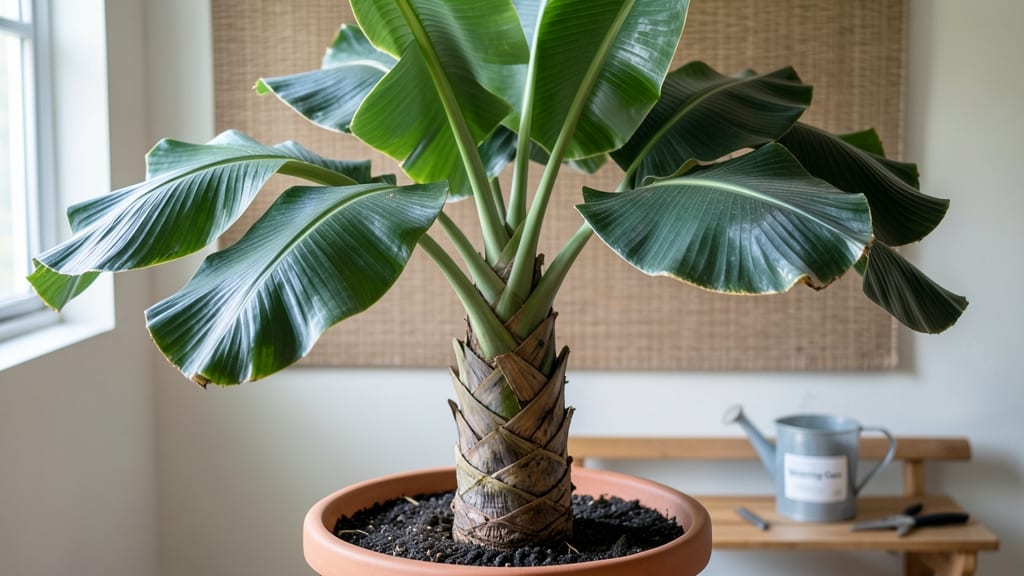
My German silver banana tree (Alocasia silveriana) thrives in my sunroom, and the secret isn’t just the right light—it’s knowing when to prune.
This striking plant rewards year-round care with glossy, silver-veined leaves that stay lush even through winter, but pruning at the right time keeps it compact and vigorous.
The first time I pruned mine, I nearly cut too much—now I watch for those telltale brown edges on older fronds as my cue.
You’ll need sharp pruning shears, a small container of water, and about 15 minutes to refresh your plant’s shape. The goal is to remove only the damaged or yellowing leaves while encouraging new growth from the center.
I’ve found that pruning lightly every 3-4 months keeps my plant looking its best without shocking it—though a bigger trim in early spring jumpstarts fresh foliage for summer. The key is never to cut more than one-third of the plant at once.
What you’ll end up with is a plant that looks like it belongs in a conservatory, not just your living room. The new leaves emerge a vibrant green before developing those signature silver streaks, and the plant stays dense enough to resist wind or drafts.
Even in my 50-degree sunroom, it never skips a beat—proof that this tropical beauty handles cooler conditions better than most. The best part? You’ll have healthy cuttings ready for propagation if you’re feeling ambitious.
Works just as well indoors as in shaded outdoor spots, though container-grown plants need slightly more frequent pruning to control size. If your plant starts looking leggy, it’s time to trim—just avoid the temptation to go overboard.
Start small, and your German silver banana will reward you with year-round drama and minimal fuss.
📚 In This Guide
- What you need
- Instructions
- Tips and common mistakes
- Wrapping up and next steps
What you need
- ● Pruning shears: Bypass pruners (sharp, clean, and sterilized with rubbing alcohol). Size: 6-8 inches (for medium branches).
- ● Loppers: Heavy-duty bypass loppers (for thicker stems, up to 2 inches in diameter).
- ● Gloves: Heavy-duty gardening gloves (to protect from thorns and sap). Recommended: Nitrile-coated for durability.
- ● Disinfectant: 70% isopropyl alcohol or bleach solution (1 part bleach to 9 parts water). Use: Clean tools between cuts.
- ○ Pruning sealant: Optional but helpful (e.g., tree wound paint) to prevent disease entry on larger cuts.
- ● Trash bag or bucket: For collecting pruned branches (aim for 10-30% of total foliage per pruning session).
- ● Ladder (if needed): Sturdy, extendable ladder (for trees over 6 feet tall). Safety first!
- ● Hand saw: Pruning saw (for stubborn, thick branches). Tip: Use a bow saw for precision.
- ● Pruning saw sharpener: Keeps blades in top condition for clean cuts.
- ● Marking twine or flags: To tag branches for future reference (e.g., dead or overcrowded growth).
- ● Compost bin: Repurpose pruned branches as mulch or compost!
Step-by-step guide for pruning your German Silver Banana tree
Here’s how I keep my frost-resistant banana tree thriving year-round with simple, effective pruning.
Identify and Remove Dead or Damaged Fronds
Start by inspecting your German Silver Banana tree for any fronds that are completely brown, yellowed, or mushy at the base. These are dead and won’t recover. Use clean, sharp pruning shears to cut them off at the base, making sure to avoid healthy tissue. I always sterilize my tools with rubbing alcohol first—this prevents fungal infections from spreading to healthy fronds.
Don’t worry if the tree looks bare afterward. The German Silver variety is naturally sturdy and will regrow quickly. Focus only on fronds that are fully non-viable—waiting too long to remove them can attract pests or diseases. If you’re unsure whether a frond is dead, gently tug on it. If it pulls away easily, it’s ready to go.
Prune for Shape and Airflow in Early Spring
Once new growth starts in early spring, it’s time to shape the tree. Look for fronds that are growing too close together or crossing over each other. These can block sunlight and airflow, which encourages fungal issues. Cut these back to the base, leaving only the healthiest, most upright fronds. Aim for a balanced, vase-like shape—this helps the tree resist wind damage and frost better.
I like to step back and take a photo of the tree before and after pruning. It helps me visualize the changes and ensures I’m not over-pruning. German Silver Banana trees are forgiving, but removing too much foliage at once can stress the plant. If you’re unsure, err on the side of caution and leave a few extra fronds.
Trim Flower Stems to Redirect Energy to Foliage
German Silver Banana trees occasionally produce flower stalks, which can drain energy from the plant. If you notice a flower stalk emerging, cut it off at the base as soon as possible. This redirects the tree’s energy back into growing stronger, frost-resistant fronds. I usually do this in late spring or early summer, just as the flower stalk starts to appear.
Even if the flower stalk hasn’t bloomed yet, removing it early prevents the tree from expending unnecessary energy. You’ll see new growth spurt within a few weeks—this is your sign that the tree is focusing on its foliage instead of reproduction. If you’re growing this variety for its ornamental value, prioritize keeping the fronds lush and healthy.
Light Pruning in Late Fall to Prepare for Cooler Weather
As temperatures drop in late fall, give your German Silver Banana tree a final light pruning. Remove any fronds that are yellowing or showing signs of stress, but avoid cutting back healthy growth. The goal here is to tidy up the tree without weakening it before winter. I also check for any dead or dying pseudostems (the trunk-like structures) and remove those at the base.
This late-season pruning helps the tree enter dormancy more smoothly. German Silver Banana trees are frost-resistant, but a little extra care goes a long way. Mulch the base of the tree with a few inches of organic mulch (like the 1 bag of mulch you’ll have on hand) to insulate the roots. Avoid pruning too close to winter—you want the tree to have enough energy stored for recovery.
Monitor and Adjust Throughout the Year
German Silver Banana trees are low-maintenance, but keeping an eye on them pays off. Throughout the year, watch for any fronds that are growing unevenly or showing signs of disease. Prune these out as soon as you notice them. I check my tree every few weeks during the growing season and adjust pruning as needed.
If you notice new growth that’s too leggy or sparse, it might be a sign of insufficient light or nutrients. Move the tree to a sunnier spot or fertilize lightly in early spring. The German Silver variety is adaptable, but it thrives best with consistent care. A little attention now means a stronger, more resilient tree for years to come.
Tips & tricks for pruning your German Silver Banana tree
These simple tricks will help you maintain a healthy, vibrant German Silver Banana Tree all year long—without the guesswork.
Tool Preparation: Before you start pruning, sterilize your pruning shears with rubbing alcohol. This step is crucial because it prevents the spread of fungal infections between cuts. I always do this right before Step 1 when removing dead fronds—it takes just 30 seconds and makes all the difference in keeping your tree healthy. Healthy tissue is your priority, so avoid cutting into anything that still looks green or firm.
Visual Assessment Trick: In Step 2 when shaping your tree, step back and take a photo before you begin. This simple trick helps you visualize the changes and ensures you're not over-pruning. German Silver Banana trees are forgiving, but removing too much foliage at once can stress the plant. Look for fronds that are growing too close together or crossing over each other—these are the ones to remove for better airflow and sunlight penetration.
Flower Stem Timing: When you notice flower stalks emerging in late spring or early summer (Step 3), act quickly. The sooner you remove them, the more energy your tree can redirect to growing stronger, frost-resistant fronds. I've seen trees that produced flower stalks become leggy and weak if I waited too long. Cut them off at the base as soon as you see them—this is your tree's way of telling you it's focusing on foliage instead of reproduction.
Pro Tips for German Silver Banana Tree
- These simple tricks will help you maintain a healthy, vibrant German Silver Banana Tree all year long—without the guesswork.
- Tool Preparation: Before you start pruning, sterilize your pruning shears with rubbing alcohol.
- Visual Assessment Trick: In Step 2 when shaping your tree, step back and take a photo before you begin.
Frequently asked questions
How often should I prune my German Silver Banana Tree?
Prune your tree year-round but focus on spring and early summer for optimal growth. Trim dead or overgrown fronds every 2–3 months, and remove spent flower stalks immediately after blooming. Light, regular pruning encourages bushier, frost-resistant foliage.
Can German Silver Banana Trees survive light frost?
Yes! These hardy plants tolerate brief frost down to 20°F (-6°C), but prolonged cold (<15°F/-9°C) can damage leaves. Mulch the base in winter and prune back damaged fronds in spring. Choose Musa basjoo varieties for the best cold resistance.
What’s the best way to prune without harming the tree?
Use sterilized pruners and cut just above a leaf node (where new growth emerges). Avoid over-pruning—never remove more than 1/3 of the fronds at once. Wear gloves (the sap can irritate skin!) and dispose of diseased fronds separately.
Are there alternatives to German Silver Banana Trees for cold climates?
If you need frost-hardy options, consider:
- Dwarf Banana (Musa acuminata) –Tolerates 20°F (-6°C) and stays compact.
- Japanese Silvergrass (Miscanthus sinensis) –Ornamental grass with banana-like fronds, hardy to 10°F (-12°C).
- Hardy Palm (Trachycarpus fortunei) –Survives 5°F (-15°C) and thrives in containers.
Why are my leaves turning brown after pruning?
Brown edges? It’s normal if the cuts were clean and the tree is healthy. Yellowing or wilting signals stress—check for:
- Overwatering (let soil dry between waterings).
- Pests (inspect fronds for mites or scale).
- Nutrient deficiency (feed with banana-tree fertilizer in spring).
Wrapping up and next steps
Mastering the art of pruning your German Silver Banana Tree is the secret to year-round beauty and resilience—especially when frost rolls in! 🌿 With the right tools, timing, and techniques, you’ll keep your plant thriving while shaping it into a stunning focal point.
Whether you’re trimming for aesthetics, health, or cold-hardiness, consistency is key.
Ready to level up your pruning game? Start by scheduling your next session—now’s the perfect time to assess growth and plan ahead. Grab your shears, and let’s make your German Silver Banana Tree the envy of the neighborhood! 🌟