
Pruning
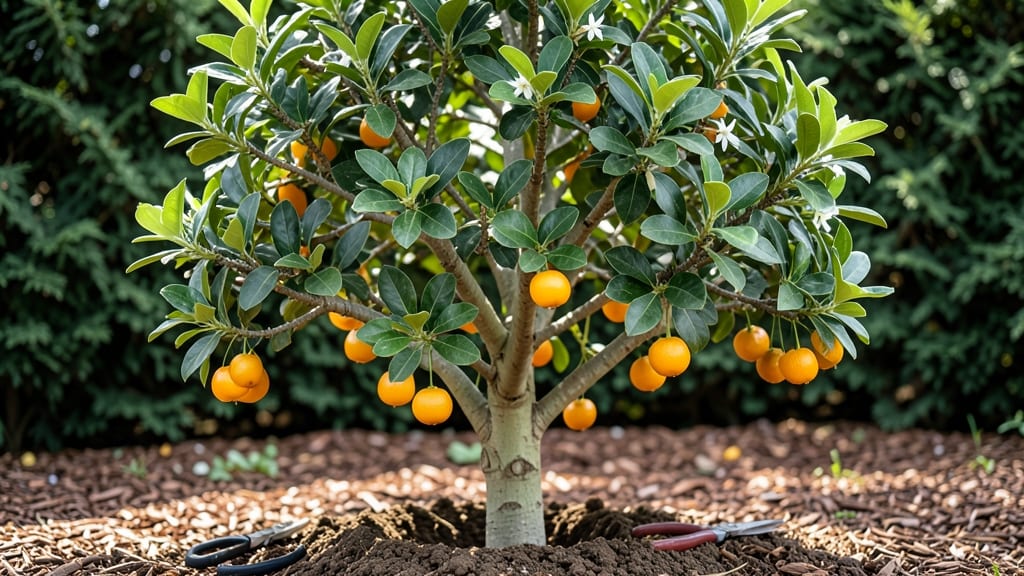
My kumquat tree care routine starts with understanding its delicate balance—too much water and the roots rot, too little and the fruit shrivels. 🌱 The key is pruning year-round to keep it lush without sacrificing fruit production, something I learned after my first tree produced bitter, undersized kumquats.
Pruning isn’t just about shaping; it’s about encouraging airflow and sunlight to reach every branch, which directly impacts fruit sweetness and yield.
You’ll need basic pruning tools—a sharp pair of shears, gloves, and a clean bucket for clippings—and a clear plan for when to prune. Light trimming after harvest keeps the tree manageable, while a more aggressive cutback in late winter prepares it for spring’s new growth.
The soil should drain well, and a well-draining potting mix or sandy loam works best, especially in containers where roots can’t spread freely.
What you’ll end up with is a tree that produces bright orange, sweet-tart fruits all year long, with fewer pests and diseases thanks to better airflow. The pruning process itself is simpler than it sounds—just focus on removing dead wood, crossing branches, and thinning out crowded areas.
Within a season, you’ll notice thicker foliage and more abundant fruit clusters, making every bite worth the effort.
This method works for both container-grown kumquats and those planted in the ground, though container trees need more frequent pruning to stay compact. Whether you’re in a warm climate or a cooler zone, adjusting your pruning schedule to match dormancy periods ensures consistent growth. Let’s get those branches in shape!
📚 In This Guide
- What you need
- Instructions
- Tips and common mistakes
- Wrapping up and next steps
What you need
- ● Kumquat tree: Choose a healthy, disease-free sapling (dwarf varieties like Fortunella margarita are ideal for containers).
- ● Well-draining soil: Mix 1 part potting soil with 1 part perlite or coarse sand (for containers) or amend garden soil with compost and grit (for in-ground planting).
- ● Pot (if container-grown): A 12–15-inch diameter pot with drainage holes (or a 5-gallon minimum for mature trees).
- ● Pruning tools: Bypass pruners (for small branches, sharp and clean)
- ● Loppers (for thicker branches, 10–12-inch reach)
- ● Sterilizing solution (70% isopropyl alcohol or 10% bleach water)
- ● Fertilizer: A balanced citrus fertilizer (e.g., 6-6-6 or 8-3-9 NPK ratio) or organic options like fish emulsion or citrus-specific compost.
- ● Mulch: 2–3 inches of organic mulch (straw, wood chips, or pine bark) to retain moisture and regulate soil temp.
- ● Watering can or hose with a gentle spray nozzle (kumquats hate soggy roots!).
- ● Root stimulator (for transplant shock)
- ● Slow-release fertilizer pellets (for convenience)
- ● Copper fungicide (preventative for citrus diseases like greasy spot)
- ● Support stakes (if your tree gets top-heavy with fruit)
- ● Gloves (to protect from thorns and sap)
- ● pH test kit (ideal soil pH: 6.0–7.0)
Step-by-Step guide to pruning your kumquat tree
Pruning isn't just about shaping—it's how you keep your kumquat productive year-round.
✂️ Step 1: Prune for Airflow in Late Winter
Start your pruning in late February when the tree is still dormant but just before buds swell. Use clean, sharp pruning shears to make cuts at a 45-degree angle, about ¼ inch above a leaf node or outward-facing bud. This encourages new growth in the right direction.
Remove dead, diseased, or crossing branches first—they compete with healthy growth and invite pests. I like to start with the thinnest branches, working my way up to thicker limbs. Your goal is to create an open center that lets sunlight and air reach all parts of the tree. If you see branches growing inward, cut them back to redirect energy outward.
Here's the thing—kumquats bloom on old wood, so avoid heavy pruning in fall or winter. You'll know you're doing it right when you see new green shoots within 4-6 weeks of your late-winter pruning.
✂️ Step 2: Lighten the Canopy in Early Spring
Once buds break in early March, focus on thinning the canopy. Kumquats produce fruit on current-season growth, so you want plenty of sunlight to reach the center. Remove overlapping branches and any that grow straight up—these create shade and reduce fruit production.
I aim to keep the tree's shape balanced, with no single branch dominating. Cut back excessive new growth to about 12 inches from the main stem. This prevents the tree from becoming top-heavy and encourages a sturdy structure. After pruning, the tree should look like an open vase rather than a dense ball.
Watch for new leaf clusters forming in 2-3 weeks—this confirms the tree is responding well. If you see sparse growth, you may have pruned too aggressively. Kumquats are resilient, but they need at least 6 hours of sunlight daily to set fruit.
✂️ Step 3: Maintain Shape and Fruit Production Mid-Summer
In July, do a light maintenance prune to shape the tree and encourage another flush of growth. Remove suckers (shoots growing from the base or trunk) immediately—they drain energy from fruit production. Also, trim back any overly long branches that are stretching toward the sun.
This is also the time to deadhead spent flowers if you notice them. While kumquats are self-pollinating, removing old blooms redirects energy to new fruit development. You'll see tiny fruit buds forming within 2 weeks of this pruning—those are your future harvest.
Real talk: If your tree looks leggy, it's begging for more light. Move it to a sunnier spot or supplement with a grow light for 4-6 hours daily until fall. Leggy growth means the tree is stretching for light, which weakens branches and reduces fruit quality.
⏰ Step 4: Light Prune in Fall to Prepare for Winter
In October, do a very light prune to remove only damaged or diseased branches. Avoid heavy cuts now—kumquats need their energy reserves for winter. Focus on cleaning up the tree so it enters dormancy in the best shape possible.
I also like to thin out the smallest branches that are crowded around the edges. This prevents winter burn from frost creeping into dense foliage. After pruning, give the tree a deep watering to help it store moisture for the colder months.
By late fall, you should see fewer leaves dropping than in previous years—that's your sign the tree is healthier. If branches look brittle or bare, they may have suffered from winter stress. In that case, prune them back further in late winter to encourage new growth.
Tips & tricks for pruning your kumquat tree
These practical pruning tips will help you keep your kumquat thriving year after year.
Timing is Everything: The late February timing in Step 1 is crucial because kumquats bloom on old wood. Pruning too early can remove potential flower buds, while waiting too long risks encouraging new growth that won't harden off before winter. I've seen trees with no spring blooms because they were pruned too late—don't make that mistake! Mark your calendar now for late February next year.
Visual Cues for Pruning Success: In Step 2, when thinning the canopy, look for branches that create a "V" shape when viewed from above—these are the ones to remove. The goal is to create an open vase shape that allows sunlight to penetrate to the center. After pruning, you should be able to see through the tree's canopy from all angles. This open structure prevents fungal diseases by improving airflow.
Mid-Summer Maintenance: During the July maintenance in Step 3, pay special attention to suckers growing from the base. These energy vampires can reduce your fruit harvest by up to 30% if left unchecked. I like to remove them immediately with my fingers—no need for pruners. Also, watch for branches growing straight up; these vertical growers create shade and should be cut back to encourage horizontal branching where fruit develops.
Fall Preparation Secret: The October light prune isn't just about removing damaged branches—it's about creating a clean slate for winter. I recommend sterilizing your pruners with rubbing alcohol between cuts to prevent spreading disease. After pruning, give your tree a deep watering that reaches down to the root zone. This helps the tree store moisture for winter and prevents winter stress in the branches.
Pro Tips for Kumquat Tree Care
- These practical pruning tips will help you keep your kumquat thriving year after year.
- Timing is Everything: The late February timing in Step 1 is crucial because kumquats bloom on old wood.
- Visual Cues for Pruning Success: In Step 2, when thinning the canopy, look for branches that create a "V" shape when viewed from above—these are the ones to remove.
Frequently asked questions
Got questions about keeping your kumquat tree thriving? Here are answers to the most common concerns—from pruning to pests and everything in between.
When is the best time to prune a kumquat tree?
Prune your kumquat tree in late winter or early spring (before new growth starts) to encourage healthy blooms and fruit. Avoid heavy pruning in summer—it can stress the tree. Light shaping can be done after harvest if needed, but keep it minimal to avoid disrupting fruit production.
How much can I prune my kumquat tree without harming it?
Remove no more than 25-30% of the tree’s foliage in a single session. Focus on dead, crossing, or overcrowded branches first. Kumquats are resilient, but aggressive pruning can reduce fruit yield. Pro tip: Use sharp, sterilized tools to prevent disease and make clean cuts just above a leaf node.
What should I do if my kumquat tree has pests or diseases?
Common issues include aphids, scale insects, or fungal spots. For pests, spray with neem oil or insecticidal soap weekly. Fungal diseases (like powdery mildew) thrive in humidity—improve airflow with pruning and apply copper fungicide if needed. Act fast! Early intervention prevents spread.
Can kumquat trees survive cold winters, and how do I protect them?
Most kumquats tolerate 20–25°F (-6 to -4°C), but young trees or tender varieties need help. Wrap the trunk in burlap or use a frost cloth. Mulch the base with 3–4 inches of straw or wood chips to insulate roots. In extreme cold (<15°F/-9°C), consider moving potted trees indoors.
Do kumquat trees need full sun, or can they grow in partial shade?
Kumquats thrive in full sun (6+ hours daily) for best fruit production and growth. In partial shade (<4 hours of sun), they’ll grow slower and produce fewer fruits. If shade is unavoidable, choose a south-facing spot for maximum light exposure. Yellowing leaves? Often a sign of insufficient sunlight.
How often should I fertilize a kumquat tree?
Fertilize every 4–6 weeks during spring and summer with a balanced citrus fertilizer (e.g., 6-6-6 or 8-3-9). Reduce feeding in fall and winter. Over-fertilizing can burn roots—always water thoroughly after applying. Organic option: Compost or worm castings work well too!
Wrapping up and next steps
Caring for your kumquat tree is all about patience, precision, and a little seasonal love—and you’ve got the tools to make it thrive! 🌿 With the right pruning techniques, proper timing, and a watchful eye for pests or diseases, your tree will reward you with abundant fruit and vibrant growth for years to come.
Whether you’re a beginner or a seasoned gardener, every trim brings you closer to that perfect, sun-drenched harvest.
Ready to take the next step? Grab your pruners, mark your calendar for late winter/early spring, and start shaping your kumquat tree today! Your future self—and your taste buds—will thank you. 🍊✨