
Plants
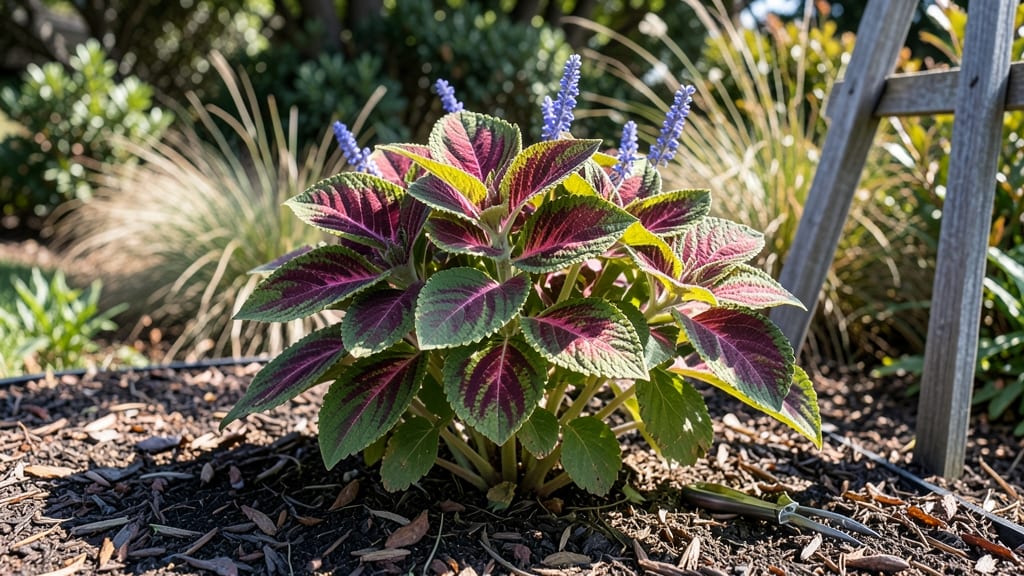
Coleus 'Beale Street' transforms any space with its fiery foliage that refuses to fade. 🌿 I fell in love with this variety after seeing how its deep burgundy leaves with chartreuse edges brightened my balcony containers—it thrives where other plants struggle.
The secret lies in its adaptability: partial shade, consistent moisture, and well-draining soil are all it asks for, making it the perfect solution for small spaces or tricky light conditions.
This coleus isn't just pretty—it's a workhorse for modern garden design. Pair it with silver-leaved plants like dusty miller for contrast, or tuck it alongside ferns for a lush, tropical vibe. In containers, it cascades beautifully over edges, while in borders, its bold colors create striking visual anchors.
The best part? It keeps its vibrancy from spring through fall, giving you months of effortless color.
You'll end up with a garden that pops with personality without demanding constant attention. The foliage stays vibrant even in heat waves, and its compact growth means no pruning headaches.
Whether you're dressing up a patio, brightening a shady corner, or creating a container garden that turns heads, this coleus delivers instant impact with minimal effort.
Works equally well in urban balconies, cottage-style borders, or modern minimalist designs. The key is playing with textures—try pairing it with variegated hostas or trailing pothos for a layered look that feels intentional. Ready to add this showstopper to your garden?
📚 In This Guide
- What you need
- Instructions
- Tips and common mistakes
- Wrapping up and next steps
What you need
- ● Coleus Beale Street plant: 1 healthy, well-rooted cutting or young plant (check for vibrant leaves and no signs of pests).
- ● Containers: 1–2 well-draining pots (6–8 inches in diameter) with drainage holes. Terracotta or ceramic works best!
- ○ Optional: A cache pot (decorative outer pot) if you want to hide the functional container.
- ● Potting mix: 1 bag of lightweight, well-draining soil (e.g., a mix of 50% peat moss, 30% perlite, and 20% vermiculite or coconut coir). Avoid heavy garden soil!
- ● Gravel or pebbles: A small handful for the pot’s drainage layer.
- ● Watering can or spray bottle: With a gentle misting nozzle for hydration.
- ● Fertilizer: 1 bottle of balanced liquid fertilizer (e.g., 10-10-10 or 20-20-20) or orgánico compost for a natural boost.
- ● Pruning shears: Small, sharp scissors for trimming.
- ● Slow-release fertilizer pellets: For steady nutrition over 2–3 months.
- ● Plant labels: To track varieties if you’re growing multiple coleus types.
- ● Grow lights: A LED full-spectrum bulb (6,500K–10,000K) if your space lacks natural light.
- ● Humidity tray: A shallow tray with pebbles and water to increase moisture levels.
- ● Decorative mulch: Ornamental stones or bark to enhance the pot’s aesthetic.
Step-by-step instructions for growing coleus 'Beale Street' in containers
Here's how I transform this striking variety into a showstopper for patios and windowsills.
🌱 Step 1: Choose the Right Container and Soil Mix
Select a container with drainage holes that's at least 6 inches deep—this variety thrives in snug spaces but needs room for roots to spread. I use terracotta pots because they wick away excess moisture, which prevents the roots from sitting in wet soil too long. The soil mix should be lightweight and well-draining: blend 50% peat-based potting mix with 30% perlite and 20% coconut coir. This combination holds moisture without compacting.
Fill the container to 1 inch below the rim, then tap gently to settle the soil. Press down lightly with your fingers to create a firm base—this prevents the plant from toppling later. The mix should feel like a damp sponge, not soggy. If it crumbles too easily, add a splash of water and mix again.
🌿 Step 2: Plant and Position for Optimal Light
Gently remove the coleus from its nursery pot and loosen the roots if they're circling. Place it in the center of your container, ensuring the top of the root ball sits just below the soil line. Fill in around the edges with your prepared mix, pressing lightly to eliminate air pockets. Water immediately after planting to help the soil settle.
'Beale Street' craves bright, indirect light—think 4-6 hours of morning sun followed by afternoon shade. A south-facing window works, but direct afternoon sun will scorch the leaves. If you're using artificial light, position a grow bulb 12-18 inches above the plant for 12-14 hours daily. Watch for pale or elongated stems—this means it's stretching for more light.
💧 Step 3: Water and Fertilize for Lush Growth
Water when the top inch of soil feels dry to the touch. Stick your finger in—if it comes out clean, it's time. Coleus hate soggy roots, so always water at the base, avoiding the leaves to prevent fungal issues. I use room-temperature water and let excess drain completely. Empty the saucer after 10 minutes to avoid root rot.
Feed every 2-3 weeks with a balanced liquid fertilizer (10-10-10 or 20-20-20) diluted to half-strength. The vibrant foliage of 'Beale Street' responds dramatically to nutrients. Stop fertilizing in late summer to encourage a natural dormancy period. You'll notice new growth within a week of feeding—this is your signal everything's working.
✂️ Step 4: Prune and Propagate for Fullness
Pinch back the top set of leaves when the plant reaches 6 inches tall to encourage bushier growth. Use clean, sharp scissors to make cuts just above a leaf node. Regular pruning keeps the plant compact and prevents legginess. I also remove any yellow or damaged leaves immediately—they sap energy and attract pests.
Propagate cuttings in water or soil for free plants. Take 4-inch stem cuttings just below a leaf node, strip the lower leaves, and place in water. Roots form in 2-3 weeks. Transplant once roots are 1 inch long. This variety spreads quickly, so propagation keeps your collection thriving without breaking the bank.
☀️ Step 5: Overwinter and Revive for Next Season
As temperatures drop below 50°F, move your coleus indoors near a bright window. Reduce watering to every 7-10 days—the plant slows growth in cooler months. Prune back one-third of the foliage to conserve energy. You'll see new growth in spring, signaling it's ready to return outdoors.
In early spring, repot if roots are circling the container. Refresh the top 2 inches of soil with new mix to replenish nutrients. Resume regular watering and fertilizing. With proper care, 'Beale Street' will reward you with bold, year-round color—even through winter.
Tips & tricks for perfect coleus 'Beale Street' growth
Let me share the secrets I've learned to keep 'Beale Street' looking stunning year-round—these are the details that make all the difference between a struggling plant and a showstopper.
Container Selection: While terracotta pots are ideal, you can also use plastic containers with drainage holes if terracotta isn't available. The key is ensuring the container is at least 6 inches deep—shallower pots will restrict root growth and lead to top-heavy plants that topple easily. If using plastic, add a layer of gravel at the bottom to prevent root rot from excess moisture buildup.
Light Management: The 4-6 hours of morning sun is crucial for preventing leaf scorch while still providing enough light for vibrant colors. If you notice leaves turning pale or stems elongating, it's a clear sign your plant needs more light. For indoor growers, supplement with a grow bulb positioned 12-18 inches above—this mimics natural sunlight patterns and prevents that "leggy" look that ruins the compact shape 'Beale Street' is known for.
Soil Maintenance: After planting, I recommend adding a thin layer of mulch (like orchid bark) on top of your soil mix to help retain moisture and regulate temperature. This is especially helpful in hot climates where the top inch of soil can dry out too quickly. The mulch also creates a natural barrier that prevents soil-borne diseases from splashing onto the leaves during watering.
Propagation Timing: The 2-3 weeks for root formation in water is a guideline, but don't be surprised if you see roots in as little as 10 days with optimal conditions. Keep cuttings in indirect light during this period and change the water every 3-4 days to prevent bacterial growth. Once roots reach 1 inch, transplant immediately—they'll establish much faster in soil than you might expect.
Pro Tips for Coleus Beale Street
- Let me share the secrets I've learned to keep 'Beale Street' looking stunning year-round—these are the details that make all the difference between a struggling plant and a showstopper.
- Container Selection: While terracotta pots are ideal, you can also use plastic containers with drainage holes if terracotta isn't available.
- Light Management: The 4-6 hours of morning sun is crucial for preventing leaf scorch while still providing enough light for vibrant colors.
Frequently asked questions
Got questions about growing Coleus Beale Street? You’re not alone! Here are some of the most common queries—and their answers—to help you keep your plants thriving in containers.
How often should I water my Coleus Beale Street?
Water your Coleus Beale Street when the top 1–2 inches of soil feel dry to the touch. Typically, this means watering every 5–7 days, but adjust based on your climate. Overwatering is a common killer! Ensure pots have drainage holes to prevent root rot.
When is the best time to prune my coleus?
Prune your coleus in early spring to encourage bushier growth. You can also trim leggy stems or spent flowers throughout the growing season (spring to fall). Avoid heavy pruning in winter, as growth slows. Pro tip: Use clean scissors and snip just above a leaf node for the best results.
Can Coleus Beale Street survive winter indoors?
Yes! While coleus thrives in warm weather, it can survive indoors during winter with bright, indirect light (like a south-facing window). Reduce watering and avoid drafts. If leaves yellow or drop, it may need more light or less water. Bonus: Rotate the pot occasionally for even growth.
What are some alternatives to Coleus Beale Street?
If you love bold foliage, try these container-friendly plants:
- Sweet Potato Vine – Fast-growing with vibrant leaves (great for hanging baskets).
- Pothos – Low-maintenance and thrives in low light.
- Caladium – Stunning patterned leaves (ideal for shade).
- Peperomia – Compact and perfect for small spaces.
Why are my coleus leaves turning yellow or brown?
Yellow leaves often signal overwatering or poor drainage, while brown edges can mean underwatering or low humidity. Check soil moisture and adjust care. Pests like spider mites can also cause browning—inspect leaves and treat with neem oil if needed.
Wrapping up and next steps
Bringing Coleus Beale Street into your space is a vibrant way to add color and life to any container garden! 🌿 With its striking foliage and easy-care nature, this plant is perfect for both beginners and seasoned gardeners.
Whether you're a patio enthusiast or a balcony bloomer, this beauty will reward you with lush, ever-changing hues.
Ready to dive in? Start small—pick a pot, gather your supplies, and let your green thumb shine! 🌟 Your future garden will thank you!